
 Worksheets
FAST Review 8th Grade
Total questions: 106
Worksheet time: 1hrs 27mins
The time, place and mood of a story
setting
tone
exposition
characterization
The high point or the turning point of a story
denouement
rising action
crisis
climax
The place where the conflict is resolved and loose ends are tied up
falling action
exposition
resolution
crisis
A reasonable guess
All the ways they are alike
contrast
evaluate
compare
To break apart
analyze
evaluate
formulate
Tell how
explain
describe
formulate
All the ways they are different
compare
predict
contrast
Back up with details
support
summarize
infer
Read between the lines
predict
infer
support
Comparison that speaks of one thing as if it were another thing
metaphor
simile
personification
A "chunk" of lines in a poem, similar to a paragraph in an essay
rhyme scheme
stanza
foreshadowing
Giving human traits and characteristics to something that's not human
personification
onomatopoeia
point of view
Comparing 2 things using "like" or "as"
metaphor
simile
personification
Gives the reader a hint of something that is going to happen without revealing the story or spoiling the suspense
main idea
onomatopoeia
foreshadowing
Sound words, like "buzz," "huff," "snap," "plop," "grunt"
foreshadowing
onomatopoeia
personification
Who tells the story
point of view
metaphor
setting
like crowded flowers,
This is an example of:
the sunshine sits in my lap all morning.
This is an example of:
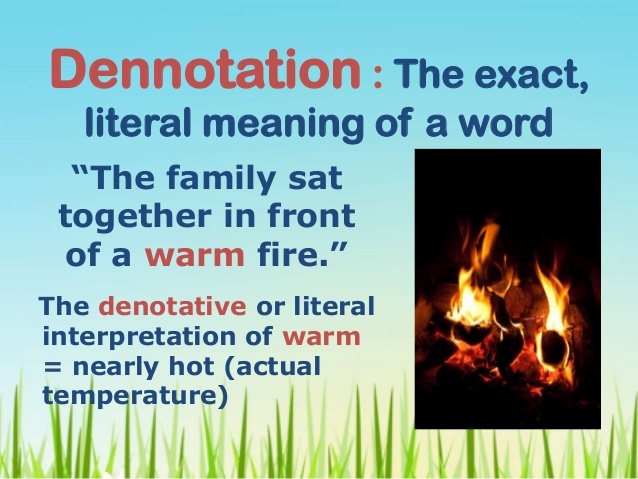
What does the word sparkled mean in the sentence below?
The bright dress sparkled in the sunlight.
shifted
shone
waved
rested
What does the word boast mean in the sentence below?
Susie does boast about her good grades too much.
to chat
to brag
to study
to complain
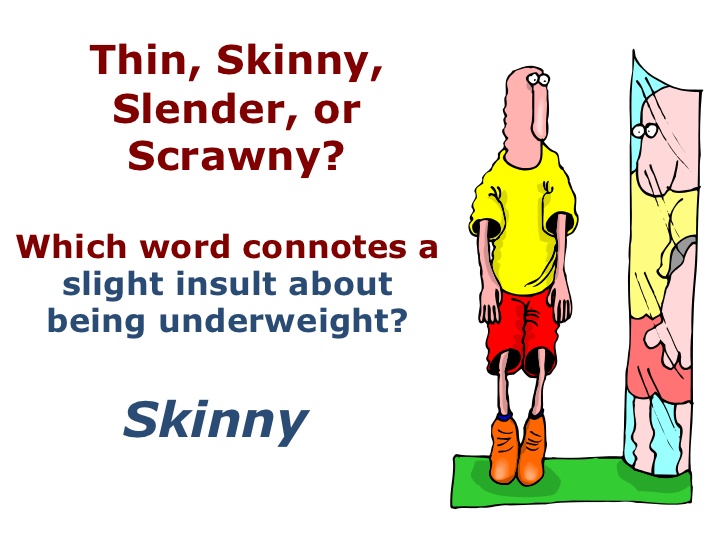
This bonafide coin is worth $500; it's crazy to think that it was only a penny in 1803. Make sure to keep your fingerprints off of it so that it's value increases.
To keep the same connotation, one might change the word bonafide to _____.
lawful
authentic
actual
the real McCoy
The wind was a torrent of darkness among the gusty trees.
The moon was a ghostly galleon tossed upon cloudy seas.
The road was a ribbon of moonlight over the purple moor,
And the highwayman came riding—
Riding—riding—
The highwayman came riding, up to the old inn-door.
Go back to line 2. What does the phrase, the moon was a ghostly galleon, mean?
The moon looked like a ghost ship.
The moon looked scary.
The moon looked bright.
The moon peaked through the clouds.
The dream remnants of an enchanted forest lingered in Sachi's mind as she slowly and silently slid out from the fuzzy sleeve of her sleeping sack.
What type of figurative language is used in the sentence?
repetition
alliteration
onomatopoeia
hyperbole
It was the sea eagle that called Emily down to the beach. It hovered above the waves, it's broad wings dusty where the land had left its mark, its small eyes that could follow the horizon bright and keen. She hadn't meant to come down onto the beach. She'd meant to sit at the top of the ramp till the other kids had left the street, till she could walk home from school in peace without strangers staring at her, but somehow the bird seemed to urge her to come down.
What time of day do you think it is and why?
afternoon because she is coming home from school
evening because there was no one on the street
lunch time because she wanted to feed the birds
morning because birds are out at that time
"Spring Break is a fun time of year. We gather with our family and eat delicious food. It is usually warm and my cousins and I play tag and swim! I look forward to it every year!"
The author's point of view in this passage is ..
positive feeling about spring break
negative feeling about spring break
has no opinion about spring break
doesn't care about spring break
"Recess is a great thing to have at school! It gives students a break where they can move around. They are able to eat a snack and breathe fresh air. Maybe a longer recess should be considered!"
The author's view point about recess is that...
recess is good for children
recess is boring
we should not have recess
recess is a bad idea
Choose the best answer to correct the sentence above.
This sentence is an example of a _________.
How can you best combine the sentences above without needlessly repeating information?
Where are commas needed in the sentence above?
This sentence is an example of a _________.

We can go to the mall after school it will be fun.
Which of the choices does not correct the run-on?
True or False?
If I put the information I learn from the source into my own words, I do not need to cite.
True
False
Where do you find evidence to support your answers?
your brain
the text
your friend
Find the term: When the author gives you hints or clues about what will happen later in the story.
author's purpose
central idea
point of view
foreshadow
Find the term: Why the author wrote the text.
author's purpose
central idea
point of view
foreshadow
Find the term: What the text is mostly about.
point of view
connotation
central idea
theme
Find the term: The feelings that are associated with a word.
connotation
symbol
objective
subjective
Find the term: When an item or person represents an idea.
setting
claim
theme
symbol
Find the term: What an author is trying to argue.
setting
conflict
plot
claim
Find the term: When and where a story takes place.
setting
conflict
climax
resolution
Find the term: The problem in a story.
setting
metaphor
conflict
mood
Find the term: The turning point in the story; usually the most exciting part. This is what you've been waiting for the whole time.
climax
resolution
rising action
falling action
Find the term: How the conflict is solved.
conflict
resolution
plot
exposition
Find the term: The events that happen in a story.
climax
resolution
plot
exposition
When they ask for an Objective Summary what they want is:
A summary based on facts
A summary of events IN ORDER
A summary that is written in your own words
All of the above
When they ask about CHARACTER DEVELOPMENT, what they're really asking about is:
What the character is like as a person
How the character changes throughout the story
Both of these things
How do you determine the meaning of a word that you don't know?
skip it
ask your teacher
context clues
guess
Find the term: When a story shows us something that happened in the past.
Flashback
Simile
Metaphor
Tone
Find the term: A comparison using like or as.
flashback
simile
metaphor
tone
Find the term: A comparison NOT using the terms like or as.
flashback
simile
metaphor
tone
Find the term: The feeling an author created. Usually, how the reader is supposed to feel.
mood
tone
conflict
symbol
TRUE OR FALSE: If you don't read ALL directions, you will probably get some questions wrong.
TRUE
FALSE
the beginning of a story where setting, characters,
and conflict are introduced
antagonist
theme
climax
Exposition
the main character, sometimes the hero
antagonist
climax
exposition
protagonist
character who acts against the protagonist
antagonist
protagonist
climax
exposition
events that build towards the turning point
dialogue
setting
theme
rising action
conversation between characters
dialogue
mood
theme
setting
series of events that make up the story
foreshadowing
internal conflict
flashback
plot
author gives hints or clues about later events
internal conflict
external conflict
foreshadowing
flashback
a problem or struggle against an outside force
internal conflict
external conflict
flashback
plot
human characteristics are given to non-human things
metaphor
personification
hyperbole
simile
when consonant sounds are repeated at the
beginning of words
alliteration
repetition
onomatopoeia
idiom
words that represent sounds (crash, bang, boom, splash)
simile
repetition
idiom
onomatopoeia
an “expression” that has a meaning different than
its literal words and cannot be translated into another language
alliteration
simile
onomatopoeia
idiom
. words or phrases are repeated to emphasize an idea
simile
onomatopoeia
repetition
idiom
What is the theme of a literary text?
The characters' personalities
The emotion of the main speaker
The message or "moral"
The main idea
What is the connotation of a word or phrase?
The emotion of the speaker using the word.
The dictionary definition
The correct spelling
The associated emotions and imagery
How do you figure out what a word means in context (rather than looking it up? Select all that apply.
You look at the surrounding words.
You look at the root of the word.
You make a random guess.
You think about the overall plot and associations.
You pick the answer the sounds the best.
What does it mean to compare two things?
To look for similarities
To look for differences
To analyze one thing in detail
To look for pros and cons
What is hyperbole?
Comparing two unlike things.
Referencing an outside concept or text.
Giving non-humans, human traits.
Exaggerating to make a point.
What does it mean to infer something from a text? Select all that apply.
Read between the lines.
Read and answer a question directly.
Make an educated guess, based on limited information.
Understand explicit information.
What is a stanza?
A paragraph in a poem
A fancy word for "stand"
A form of meter in a poem
Every five lines in a poem
What does the word symbolize mean in literature?
To draw in picture form.
To represent or exemplify
To bang two cymbals together.
To mark in a key on a map.
If a story is in chronological order, how is it arranged?
Through a random series of flashbacks and flash forwards
From the most interesting part, to the least interesting part
From beginning to end
From the end to the beginning.
What is imagery in a text? Select all that apply.
Descriptive language
Straight-forward language
Basic definitions and facts.
Descriptions that evoke the five senses.
What is the central idea of a text?
The "moral" of the text
The most important point of the text
The theme of the text
A basic summary of the text
What should you do while reading the passages on the FAST to make sure you are successful on the text questions? Select all that apply.
Take notes on important ideas and details as you read.
Paraphrase paragraphs and large sections of text as you read.
Actively look for central idea and/or theme as you read
Read everything quickly and try to remember all the details by memory.
Go back to the text to look for answers to questions.
Where do you find evidence to support your answers?
your brain
the text
your friend
Find the term: Why the author wrote the text.
author's purpose
central idea
point of view
foreshadow
analyze
statement
feeling of the words
to break apart and inspect
evidence
connotative meaning
the feeling or emotions of the words
quote
exact definition and use of the word
main idea
cite
to "quote" the text or show the evidence
eyesight
break apart
the moral of the story
Distinguish
quote
break apart
tell apart or explain the differences
statement
to convey means to...
break apart
communicate or come across
quote
main idea
logical thinking
educated, reasonable or knowledgeable thinking
quote
evidence
break apart
explicitly
an educated guess
quote
clearly stated or exactly what it says
the main idea

