
 Worksheets
4.1 Review - Homeostasis, Circulatory & Respiratory System
Total questions: 42
Worksheet time: 36mins
A response is
your body's reaction to change
The change in the environment
what happens

According to the model, what is the response to LOW blood glucose (sugar)?
Pancreas releases insulin into blood and blood glucose decreases.
Pancreas releases glucagon into blood and blood glucose increaes.
How does the body respond when more oxygen is required?
Decreasing heart rate
Increasing heart rate
Decreasing blood pressure
Increasing blood pressure
Identify the STIMULUS.
Scenario: A person begins to exercise which causes their body temperature to increase. The temperature change is noticed and the person begins to sweat and their body temperature decreases.
temperature change is noticed
person begins to sweat
body temperature decreases
person begins to exercise
Identify the RESPONSE.
Scenario: A person begins to exercise which causes their body temperature to increase. The temperature change is noticed and the person begins to sweat and their body temperature decreases.
temperature change is noticed
body temperature increases so the person begins to sweat
body temperature decreases
person begins to exercise
What is the point of a feedback loop?
To provide the body with more energy
To provide the body with more food
To make sure the conditions in the body are always changing
To make sure the conditions in the body remain stable
According to the model, what is the response to HIGH blood glucose (sugar)?
Pancreas releases insulin into blood and blood glucose decreases.
Pancreas releases glucagon into blood and blood glucose increases
is the maintenance of a relatively stable internal environment
is the maintenance of a relatively stable external environment
What two systems work together to maintain stable oxygen and carbon dioxide levels during exercise? (Select TWO)
circulatory system
skeletal system
respiratory system
endocrine system
What is the purpose of the Circulatory System?
Transports oxygen and nutrients
Removes extra water and wastes
Digests foods and absorbs nutrients
Collects, transfers and processes information
What is the primary function of the respiratory system?
Transporting nutrients to cells
Removing waste products from the body
Producing hormones for body regulation
Exchanging gases between the body and the environment
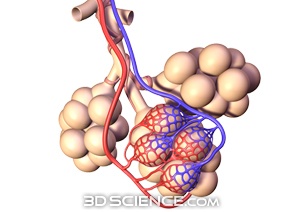
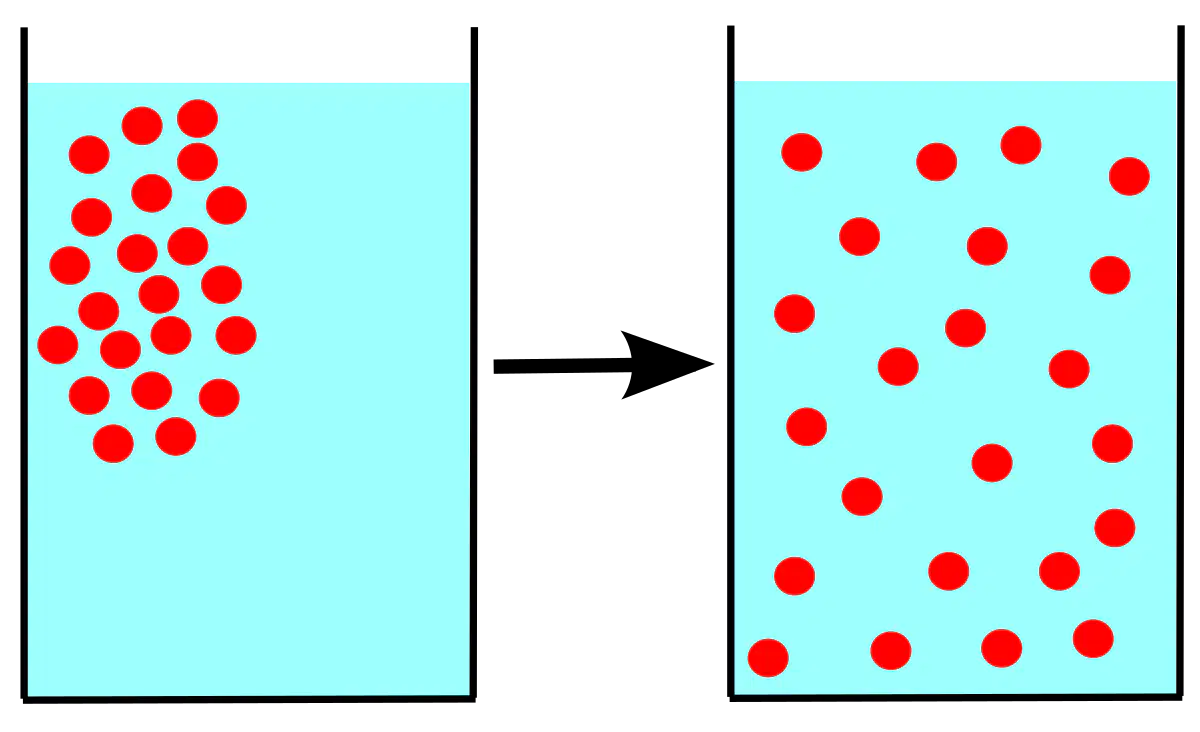
oxygen moves from areas of high concentration in the blood stream to low concentration into body cells through ____
cellular respiration
Diffusion
The function of the heart is to . . .
pump blood around the body.
send food to the small intestines.
break down food.
give energy to the body.
How many chambers does the heart have?
Five
Four
Two
Three
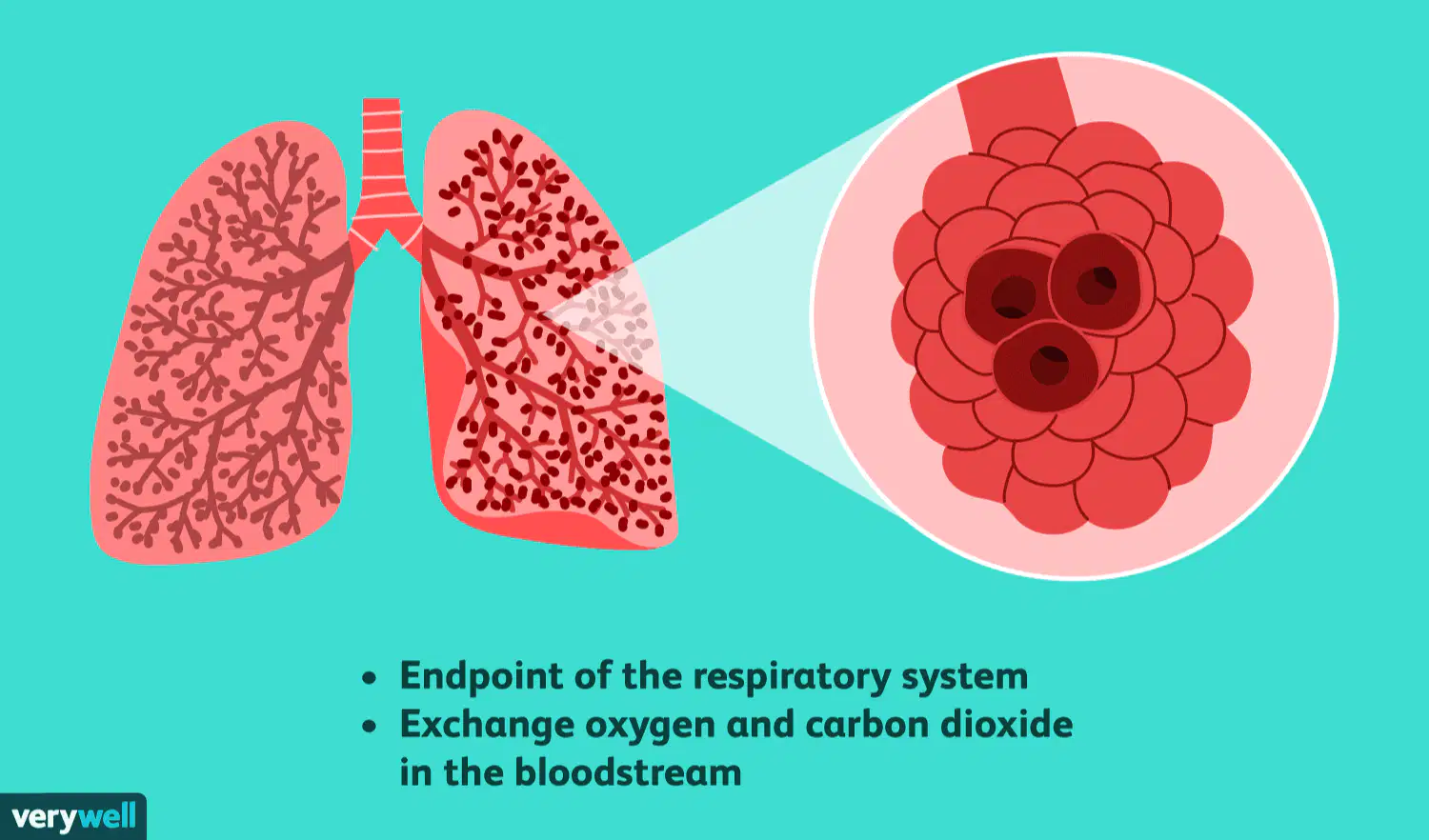
tiny sacs where gas exhange happens
A ________ is the smallest unit of structure and function in a living thing.
Organ
Organ System
Tissue
Cell
Tissue is made up of a group of similar _____ working together.
Organs
Organisms
Organ Systems
Cells
An organ is made of different _______working together to do a special job.
Organ
Organ System
Tissue
Cell
An organ system is made of many ________working together to perform a special function.
Organs
Organism
Organ System
Cells
An _________ is a living thing that carries out its own life activities.
Organ
Organism
Organ System
Cell

Brain, Lungs, Heart, Liver and Stomach are all _______.
Organs
Organ Systems
Tissue
Cells

Excretory, Respiratory, Digestive, Nervous and Skeletal are all______.
Organs
Organ Systems
Tissue
Cells
The molecule that makes up most of the membrane is a ______________.
sphingolipid
phospholipid
triglyceride
steroid
What cell structure helps organisms maintain homeostasis by controlling the substances that may enter or leave cells?
vacuole
nucleus
cell membrane
cell wall

Which letter represents the lipid tails (water-fearing) of the cell membrane?
F
E
C
G

Which letter represents the phosphate heads (water-loving) of the cell membrane?
G
C
F
E
Which letter represents proteins channels/pumps
B
C
H
E
The cell membrane is selectively permeable, which means...
All materials can enter and leave the cell
Certain things can enter while others cannot
The cell manually sorts through all materials
Only certain cells can interact with the cell

The membrane will naturally move substances in which direction?
from high to low
from low to high
both directions
the membrane does not move substances
What term represents the water-loving region of the membrane?
hydrophilic
hydrophobic
osmophilic
amphipathic
What term represents the water-fearing region of the membrane?
hydrophilic
hydrophobic
osmophilic
amphipathic

Diffusion is the movement of molecules from an area of _____ concentration to an ______ concentration
High, low
Low, high
Low, low
High, high

