
Font size
 Worksheets
Earth and Space Review
Total questions: 60
Worksheet time: 3585secs
Which column shows a spring high tide?
Which column shows a spring low tide?
Which column shows a daily low tide?
Which column shows a neap low tide?
Which column shows a daily high tide?
Which column shows a neap high tide?


Determine the tide that each region would be experiencing:
High tide
Low tide
Determine the tide that each region would be experiencing:
High tide
Low tide
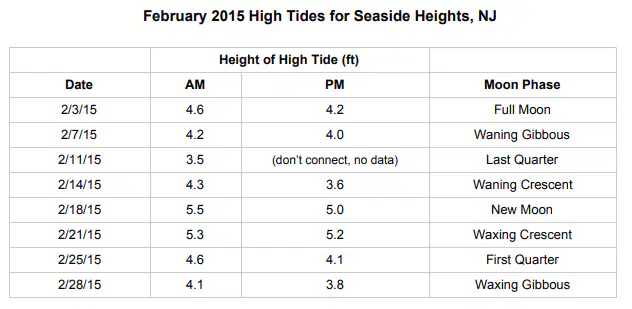
Which date would experience a spring tide?
2/3/15
2/11/15
2/14/15
2/25/15
Which dates would experience a neap tide? Choose 2.
2/3/15
2/11/15
2/14/15
2/25/15
Which date would experience a daily tide?
2/3/15
2/11/15
2/14/15
2/25/15

Which point shows winter in North America?
A
B
C
D
Which point shows winter in South America?
A
B
C
D

Alaska is in the northern part of North America. According to the diagram, which season is Alaska experiencing?
Winter
Spring
Summer
Fall
Chile is in the southern part of South America. According to the diagram, which season is Chile experiencing?
Winter
Spring
Summer
Fall

We experience summer when the part of Earth we are living on ______________ the Sun.
tilts away
tilts toward
rotates away
rotates toward
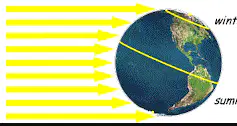
We experience winter when the part of Earth we are living on ______________ the Sun.
tilts away
tilts toward
rotates away
rotates toward

1. Based on the model above, which season is point X most likely experiencing?
spring
summer
winter
fall or autumn

In the diagram below, the Northern hemisphere would be in what season at position A?
Fall or Autumn
Spring
Winter
Summer


Which position of Earth in the picture would have the fewest hours of daylight?
Position A
Position B
Position C
Position D


What is the season in the picture for the Southern Hemisphere for D?
Spring
Summer
Fall/Autumn
Winter
When it is winter in the Southern Hemisphere, the Northern Hemisphere is experiencing
spring
winter
summer
fall

Identify the layers of the Earth shown in the diagram.
inner core, outer core, mantle, crust
crust, mantle, inner core, outer core
crust inner core, outer core, mantle
mantle, crust, inner core, outer core

A student uses clay to construct a model of Earth. Which layer of the model should be the thinnest layer?
the layer representing the mantle
the layer representing the outer core
the layer representing the inner core
the layer representing the crust

What do we call "A"
Mantle
Inner Core
Crust
Outer Core
What do we call "C"
Mantle
Inner Core
Crust
Outer Core

Which layer is represented at A?
crust
mantle
outer core
inner core
Which layer is represented at C?
crust
mantle
outer core
inner core
Which TWO earth layers are made of iron and nickel?
crust
mantle
outer core
inner core

crust
mantle
outer core
inner core

crust
mantle
outer core
inner core

crust
mantle
outer core
inner core

crust
mantle
outer core
inner core

What is the geosphere?
all the air and gases on the planet
all the frozen water on the Earth
the non-living soil, rocks, and minerals of the Earth
the rivers, lakes, and oceans of the Earth

What is the biosphere?
all the air and gases on the planet
made up of living things
the non-living soil, rocks, and minerals of the Earth
the rivers, lakes, and oceans of the Earth

What is the atmosphere?
all the air and gases on the planet
made up of living things
the non-living soil, rocks, and minerals of the Earth
the rivers, lakes, and oceans of the Earth

All of the animals and plants of the Earth are part of ________.
atmosphere
biosphere
hydrosphere
geosphere

The rocky surface of the Earth is part of _______.
atmosphere
biosphere
geosphere
biosphere

What is the hydrosphere?
all the air and gases on the planet
made up of living things
the non-living soil, rocks, and minerals of the Earth
the rivers, lakes, and oceans of the Earth

When a river current erodes the banks of the river, the interaction is between the __________ and the _____________.
atmosphere and hydrosphere
biosphere and geosphere
hydrosphere and geosphere
atmosphere and biosphere

When an animal or human breathes air, the interaction is between the __________ and the _____________.
atmosphere and hydrosphere
biosphere and geosphere
hydrosphere and biosphere
atmosphere and biosphere

Which Earth systems do you see here? (pick more than one)
geosphere
hydrosphere
atmosphere
biosphere

Which Earth system is mostly pictured here?
geosphere
hydrosphere
atmosphere
biosphere

Which Earth system is mostly pictured here?
geosphere
hydrosphere
atmosphere
biosphere

Which Earth systems do you see here? (pick more than one)
geosphere
hydrosphere
atmosphere
biosphere

