
Font size
 Worksheets
Early Cold War-Marshall Plan and Truman Doctrine
Total questions: 26
Worksheet time: 2hrs 18mins

What were the main two countries that participated in the Cold War?
US and Japan
USSR and Britain
France and USSR
US and USSR

Harry S. Truman helped come up with the Truman Doctrine. What was the Truman Doctrine trying to do?
Give money to Europe to rebuild
prevent the spread of Communism
rebuild Japan
no answers are correct

What is the term for the imaginary line that Winston Churchill said divided Europe?
Prime Meridian
International Date Line
Iron Curtain
No answers are correct

What country was divided at the end of WWII?
France
Germany
Britain
USSR

What plan promised $13 Billion in aid to countries that promised to remain democratic instead of turn to Communism?
Truman Doctrine
UN
Marshall Plan
NATO

What was the name of the conference that the Big Three met at to determine what would happen after Hitler was defeated?
Yalta
Potsdam
North Atlantic Treaty Organization
Warsaw Pact

What city inside East Germany was also split up between democratic countries and Communist countries?
Munich
Nuremburg
Bamberg
Berlin

What was built to separate democratic Berlin and Communist Berlin?
Iron Curtain
Great Wall
Eiffel Tower
Berlin Wall


The Cold War was "cold" because...
the U.S. and Soviet Union did not directly fight each other.
the Soviet Union is one of the coldest countries in the world.
the U.S. and Soviet Union fought this war during the winter.
the United States fought directly with the Soviet Union.
What was the main outcome of the Potsdam Conference?
The division of Germany into occupation zones
The end of World War II
The establishment of the Soviet Union
The creation of the European Union
When was the Truman Doctrine policy announced?
1950
1952
1947
1945
What was the primary goal of the post-war conferences?
To establish a new world order
To promote American interests
To spread communism
To promote international cooperation and prevent conflicts
What was the main goal of the policy of containment?
To promote capitalism in the US
To stop the spread of communism and contain it
To promote the spread of communism
To isolate the US from European countries
What was the primary objective of the Marshall Plan?
To start a war with the Soviet Union
To promote communism in Western Europe
To rebuild the war-torn economies of Western Europe
To promote American culture in Europe
What characterized the Cold War period?
The spread of democracy and freedom
Ideological differences, nuclear arms race, and proxy wars
The growth of international trade
Economic cooperation and friendship between nations
What was the purpose of the nuclear arms race?
To show the military power of the US and USSR
To start a nuclear war
To promote peace and cooperation between nations
To develop a deterrent against the use of nuclear weapons
What were proxy wars fought for?
To avoid direct conflict, gain influence, and develop weapon technologies
To promote economic cooperation between nations
To promote communism and authoritarianism
To promote democracy and freedom
Choose the term that best fits the definition:
Independent nation under the control of a more powerful nation.
Colony
Protectorate
Satellite State
Containment Alliance
Check all that apply regarding the Truman Doctrine
It was a promise to help nations struggling against communism
Congress responded by offering $400M in aid to Greece & Turkey
It was an attempt to declare war on China
It set a new course for American foreign policy
Check all that are true about the Marshall Plan
Based on the idea economic health led to political stability
It offered $13 billion in aid to Western Europe
It was the plan of Secretary of State, George C. Marshall
Eastern European satellite states also accepted aid
Events in Greece and Turkey inspired the Truman doctrine because
the Soviet Union was threatening to expand its influence.
the Soviet Union supported the independence of both countries.
the United States supported the Soviet Union's foreign policy goals.
the United States preferred that Greece and Turkey become communist.
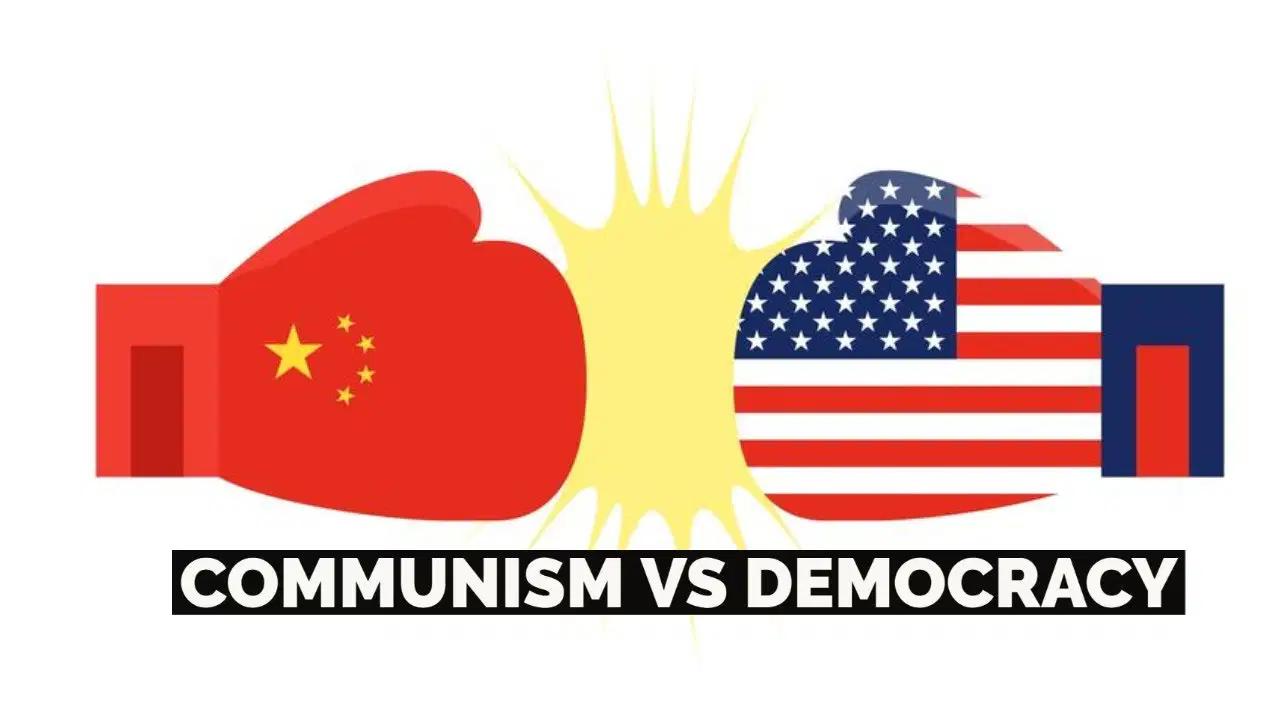
What is one major difference between communism and democracy?
Communism allows freedom of speech, while democracy restricts it.
Democracy limits government power, while communism controls most aspects of life.
Democracy eliminates economic differences, while communism encourages them.
Communism supports multiple political parties, while democracy does not.
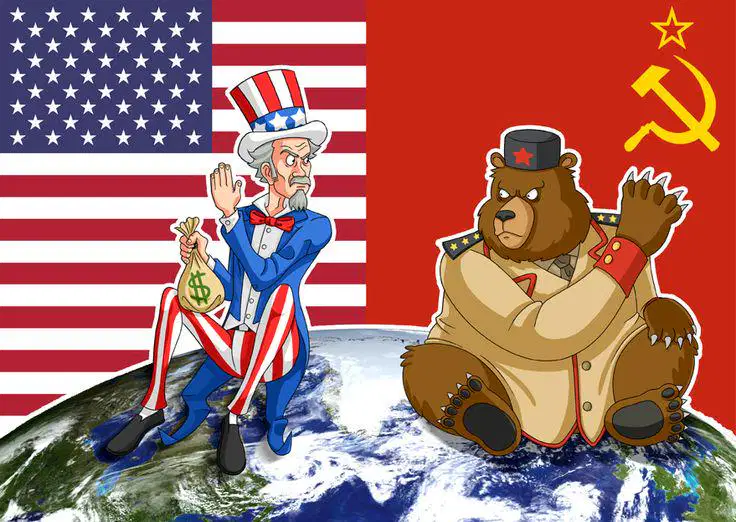
What is one key difference between how property is handled in communism and democracy?
In communism, individuals own property, while in democracy, the government owns it.
In communism, the government owns most property, whereas in democracy, individuals can own property.
Both systems prohibit private property ownership.
Both systems encourage equal property ownership for everyone.

