
 Worksheets
AQA GCSE London Case Study, Urban Issues
Total questions: 100
Worksheet time: 50mins
What percentage of the UK's population lives in cities?
50%
82%
60%
75%
Which area in the UK is densely populated?
Northern Scotland
South East England
Wales
Northern Ireland
What is the population density of London?
Less than 10/km²
100/km²
5,000/km²
260/km²
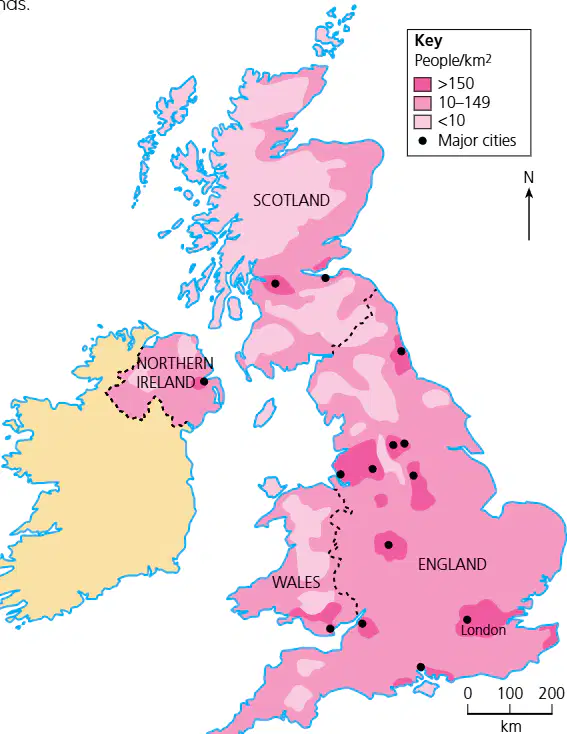
How does the UK's population density compare to France and the Netherlands?
More crowded than both
Less crowded than both
More crowded than France, less crowded than the Netherlands
Less crowded than France, more crowded than the Netherlands
Where are the UK's cities typically located?
In mountainous regions
In flat, low-lying areas
In desert areas
In forested regions
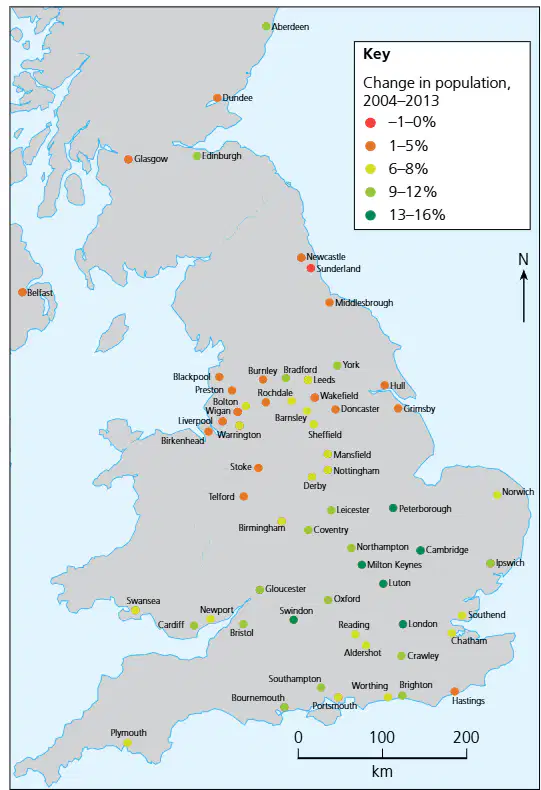
Which region in the UK has the fastest-growing cities?
North East England
South East England
Northern Ireland
Wales
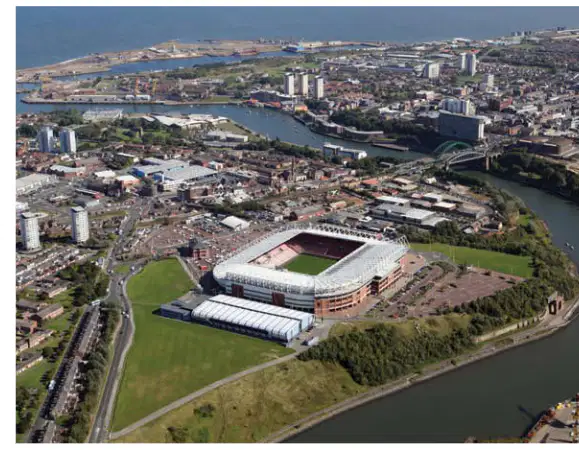
What is a reason for the population decline in Sunderland?
Increase in tourism
Development of new industries
Decline of industry and loss of jobs
Increase in agricultural activities
Where is London located according to the text?
North East England on the River Tyne
South East England on the River Thames
South West England on the River Severn
North West England on the River Mersey
What was one of the reasons for London's success as a city?
It was built on a mountain
It had a natural harbor
The Thames is a tidal river
It was located in a desert
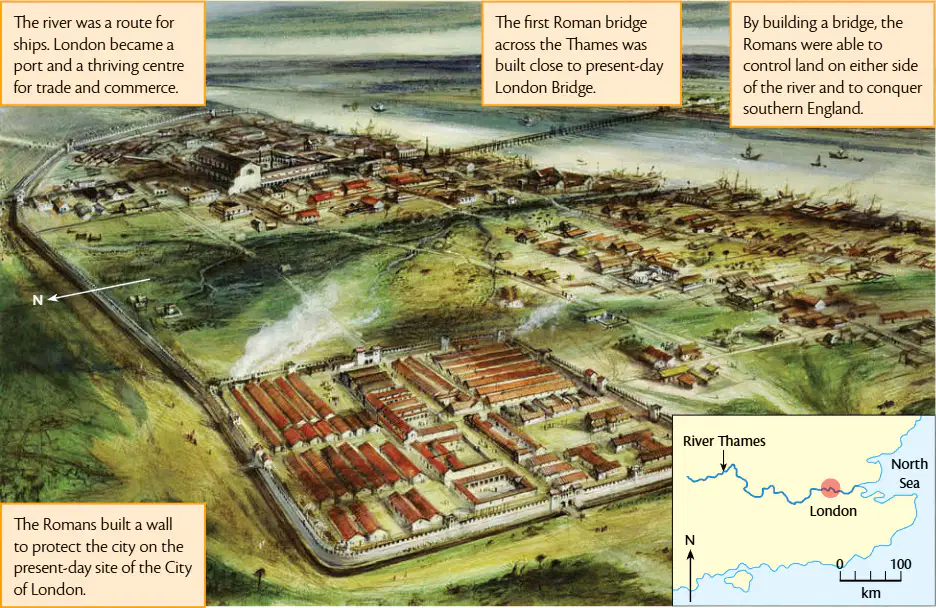
Why did London grow after it was built by the Romans?
It became a center for agriculture
It was abandoned by the Romans
New docks increased the number of ships using London as a port
It was isolated from trade routes
What is the main role of London in the UK transport network?
It is the main hub for the UK transport network.
It is the least connected city in the UK.
It only serves as a local transport hub.
It has no significant transport connections.
Which two airports are mentioned as being close to London?
Heathrow and Gatwick
Stansted and Luton
Manchester and Birmingham
Bristol and Edinburgh
What is an indication of London's modern-day importance?
Its status as a world city
Its small population
Its lack of international companies
Its limited transport connections
What is the average life expectancy for females in London?
83
78
82
79
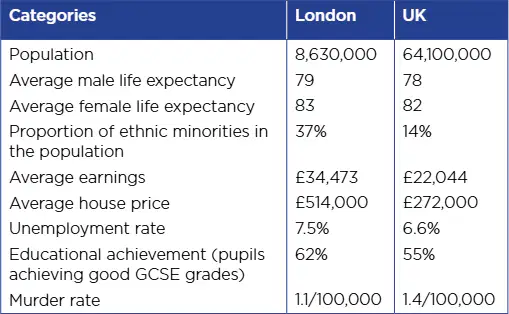
What is the proportion of ethnic minorities in the population of London?
37%
14%
62%
55%
What was London's population in 2015?
7.5 million
8.6 million
9.2 million
10 million
During which century did London attract migrants mainly from other parts of the UK?
17th century
18th century
19th century
20th century
What is the predicted population of London by 2030?
8 million
9 million
10 million
11 million
What age group is most likely to move to London for work?
10-20 years
20-30 years
40-50 years
60-70 years
What is the effect of net migration on London's average age?
Increases the average age
Decreases the average age
Has no effect on the average age
Doubles the average age
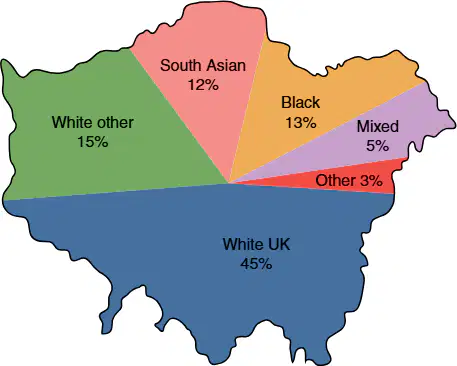
What percentage of London's population is of white British origin?
37%
45%
15%
12%
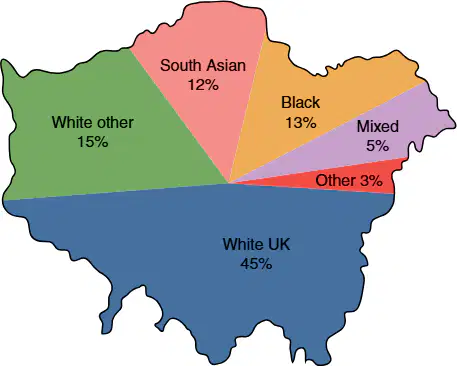
Which ethnic group makes up 13% of London's population?
South Asian
Black
Mixed
Other
From which regions have recent economic migrants to London come?
Eastern Europe and Bangladesh
India and Jamaica
France and Germany
China and Japan
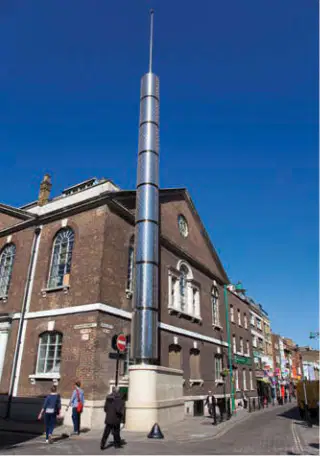
What historical event led to the settlement of Jewish refugees in London?
Roman invasion
Norman conquest
Seventeenth-century persecution
Industrial Revolution
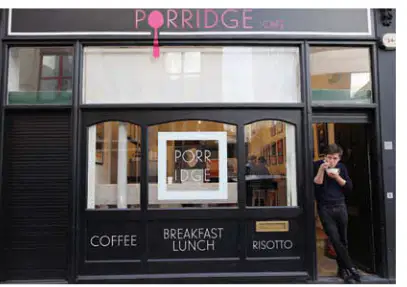
How has Shoreditch changed over the past 30 years?
It has remained an industrial area with old factories.
It has become a residential area with new housing developments.
It has transformed into a vibrant area with restaurants and art galleries.
It has become a major agricultural hub.
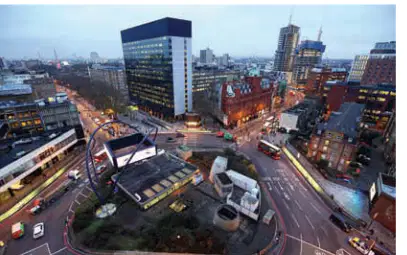
What is one focus for employment in Shoreditch today?
Agriculture
Old factories
Old Street roundabout with hi-tech companies
Traditional crafts
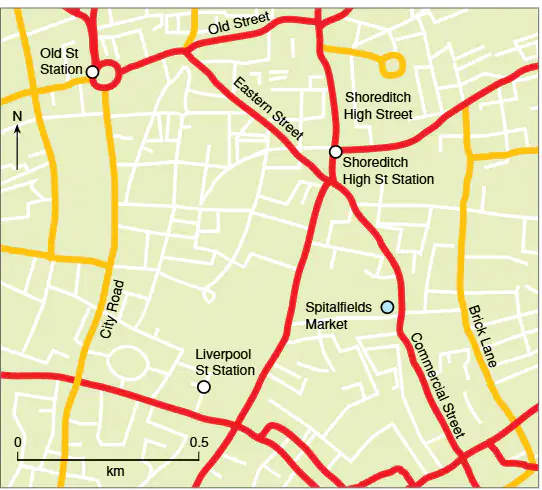
What nickname has been given to the Old Street roundabout due to the presence of hi-tech companies?
Tech Valley
Silicon Roundabout
Digital Circle
Innovation Hub
What is the process of rising property prices and changing population known as?
Urbanization
Gentrification
Industrialization
Suburbanization
What has the population change in Shoreditch led to in terms of recreation and entertainment?
Decrease in recreational activities
New forms of recreation and entertainment
Closure of entertainment venues
Increase in traditional markets
What type of market is Spitalfields Market now considered?
Traditional fruit and veg market
Fashionable place to shop
Wholesale market
Farmers' market
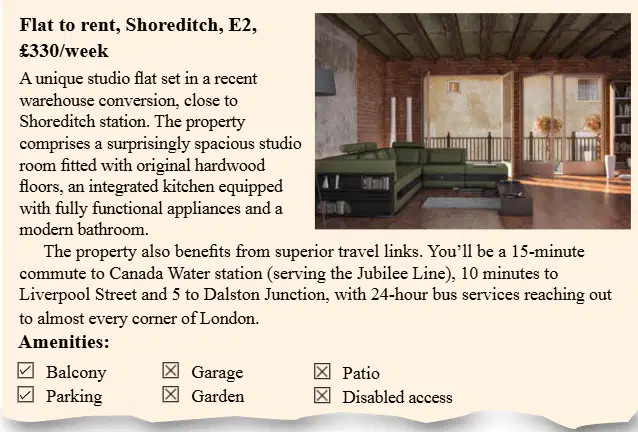
What is one of the amenities listed for the flat to rent in Shoreditch?
Swimming pool
Balcony
Gym
Tennis court
Why did the docks in London decline by the 1970s?
The docks were too small for new container ships.
The docks were destroyed by natural disasters.
The docks were relocated to another city.
The docks were converted into residential areas.
What was the purpose of the London Docklands Development Corporation (LDDC) established in 1981?
To close down the docks permanently.
To plan the regeneration of the docks.
To convert the docks into a tourist attraction.
To build a new port in London.
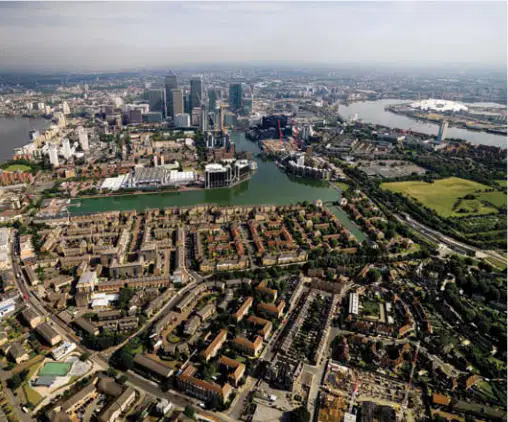
How did the regeneration of the Docklands contribute to London's economy?
It led to the decline of the financial sector.
It created new economic opportunities and jobs.
It caused a decrease in international trade.
It resulted in the closure of local businesses.
What has been the trend in the number of jobs in London since 1994?
The number of jobs has been decreasing.
The number of jobs has remained constant.
The number of jobs has been rising continuously.
The number of jobs has fluctuated significantly.
Which sector experienced the biggest growth in jobs in London?
Manufacturing
Retail
Professional, real estate and business services
Education
What was the biggest decline in jobs in London over the period mentioned?
Retail
Manufacturing
Transport
Education
Why is there a need for improved transport in London?
To reduce the number of cars on the road
To increase tourism
To improve air quality
To decrease the number of bicycles
What is Crossrail?
A new shopping mall
A new east-west rail route across London
A new airport
A new highway
By what percentage is the demand for public transport in London predicted to grow by 2050?
30%
40%
50%
60%
What is the purpose of the Crossrail project?
To build more parking spaces
To reduce journey times and increase passenger journeys
To create more bus routes
To expand the airport
What is one of the expected benefits of Crossrail on journey times in London?
Increase journey times by 30 minutes
Reduce journey times from Liverpool Street to Heathrow to 35 minutes
Keep journey times the same
Increase journey times from Liverpool Street to Heathrow to 90 minutes
How will Crossrail impact the number of rail passenger journeys in London?
Decrease by 10%
Increase by 5%
Increase by 10% or an extra 200 million journeys a year
Remain unchanged
What is one way Crossrail is expected to improve the transport system in London?
By reducing the number of Underground stations
By providing more interchanges with the Underground network
By eliminating all bus routes
By closing major train stations
How will Crossrail affect property values around stations?
Decrease by 25%
Remain the same
Raise by about 25%
Increase by 50%
What is one of the social benefits of Crossrail mentioned in the text?
Decrease in job opportunities
Improve access for disabled people to new stations
Increase in social housing
Reduction in public transport options
What percentage of London is green space?
30%
47%
60%
75%
Which of the following is a benefit of trees and green spaces in cities?
Increase in carbon dioxide
Reduction of oxygen levels
Reduction of flooding risk
Increase in urban heat
What is one reason why London has a large area of green space?
Industrial development
Historical public hygiene concerns
Lack of urban planning
High population density
How many allotments are there in London for growing food?
10,000
20,000
30,000
40,000
What is the main focus of urban greening in cities like London?
Increasing industrial areas
Protecting and increasing green spaces
Expanding residential zones
Building more roads
Which of the following is an example of a small-scale urban greening action?
Building a new highway
Constructing skyscrapers
Encouraging people to feed birds in winter
Developing shopping malls
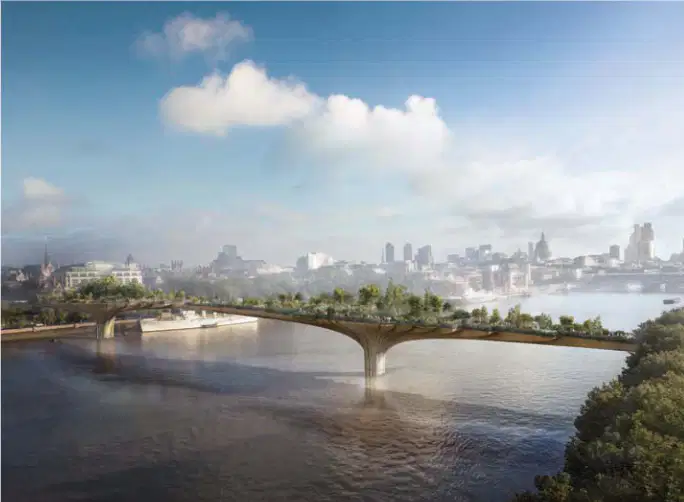
What is the purpose of the proposed Garden Bridge in London?
To increase traffic flow
To provide a new shopping area
To link green spaces and provide environmental benefits
To create more residential housing
What is social deprivation?
The wealth of a city
The degree to which a person or community lacks essential things for a decent life
The number of people living in a city
The amount of money spent on public services
How many boroughs is London divided into?
20
25
33
40
What is one measure of deprivation mentioned in the text?
Population density
Life expectancy
Average income
Employment rate
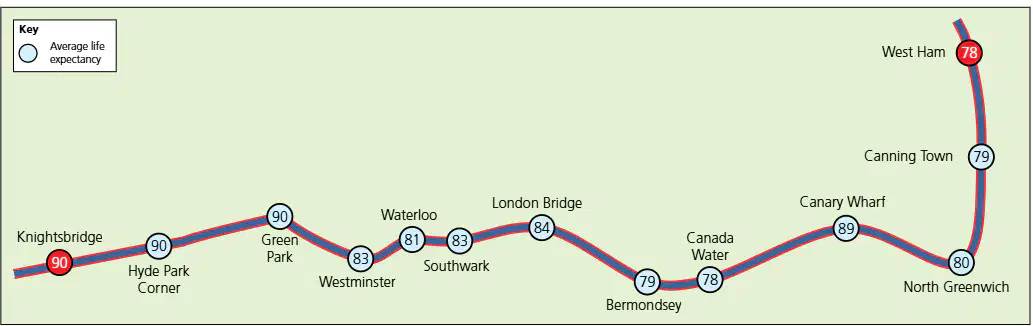
How does life expectancy change from Knightsbridge to West Ham?
It increases by one year at each station
It remains the same
It falls by one year for every station along the route
It doubles by the end of the journey
What is one of the main reasons for low life expectancy in the most deprived parts of London?
High employment rates
Poor diet, housing, and education
Abundance of healthcare facilities
High income levels
Which borough is mentioned as one of the richest in London?
Newham
Kensington & Chelsea
Westminster
Hackney

What is the unemployment rate in Newham according to Figure 15.32?
3.9%
7.5%
9.4%
8.3%
According to the text, what is a positive aspect of living in Kensington & Chelsea?
High crime rates
Friendly community
Lack of shops
Poor public transport
Why is there a shortage of homes in London?
The population is decreasing.
Only about 20,000 new homes are built each year.
House prices are falling.
There is no demand for new homes.
What is one reason for building on brownfield sites?
They are cheaper than greenfield sites.
They reduce the need for urban sprawl.
They are located in rural areas.
They do not require decontamination.
What is a disadvantage of building on greenfield sites?
They are more expensive than brownfield sites.
They often require demolition of old buildings.
They can lead to urban sprawl.
They improve public transport.
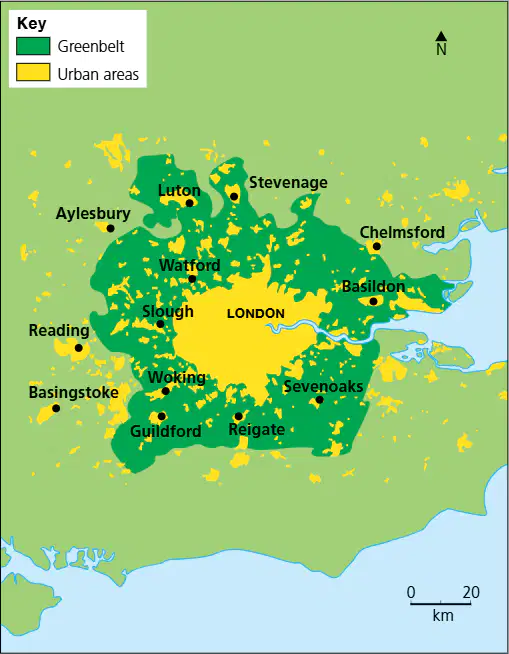
What is the primary purpose of the green belt around cities like London?
To promote urban sprawl
To preserve farmland, woodland, and parkland
To increase housing prices
To encourage industrial development
When was the green belt around London established?
1950
1947
1965
1930
What is one of the consequences of rising house prices in London?
Decrease in commuter settlements
Increase in urban sprawl
Reduction in green belt areas
Decline in population
Which city is mentioned as growing rapidly due to its proximity to London?
Reading
Birmingham
Manchester
Liverpool
What was a major cause of air pollution in London in the mid-twentieth century?
Emissions from road vehicles
Coal burnt to power factories
Modern heating systems
Industrial waste
What is the primary source of nitrogen dioxide (NO₂) pollution in modern London?
Industrial factories
Road vehicles, especially diesel engines
Domestic heating systems
Agricultural activities
How does the dense road network in London affect air pollution?
It reduces the pollution by dispersing it
It traps air between buildings, worsening pollution
It has no effect on air pollution
It helps in cleaning the air

What is the EU limit for NO₂ concentration in the air?
30 mg/m³
35 mg/m³
40 mg/m³
45 mg/m³
How have cyclists' numbers changed in London over the past 50 years?
Increased from 1% to 15% of road users
Decreased from 15% to 1% of road users
Remained constant at 10% of road users
Increased from 5% to 20% of road users
What is the target for London's waste management by 2030?
To have 50% of waste go to landfill
To have zero waste go to landfill
To increase landfill waste by 10%
To maintain current landfill levels
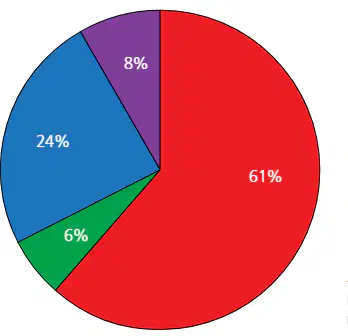
What percentage of London's waste is currently recycled or incinerated?
61%
24%
8%
6%
Why is landfill waste a concern for the environment?
It takes up space
It produces methane, a greenhouse gas
It is expensive to manage
It is unsightly
Why was the Lower Lea Valley in need of regeneration?
It was a thriving industrial area.
It was one of the most deprived parts of London.
It was a popular residential area.
It was a major tourist attraction.
What was the state of the land around the River Lea before the Olympic Park was created?
It was fully developed and residential.
It was derelict and overgrown.
It was a bustling commercial hub.
It was a protected nature reserve.
How many businesses were operating on the site before the regeneration?
100
250
500
1000
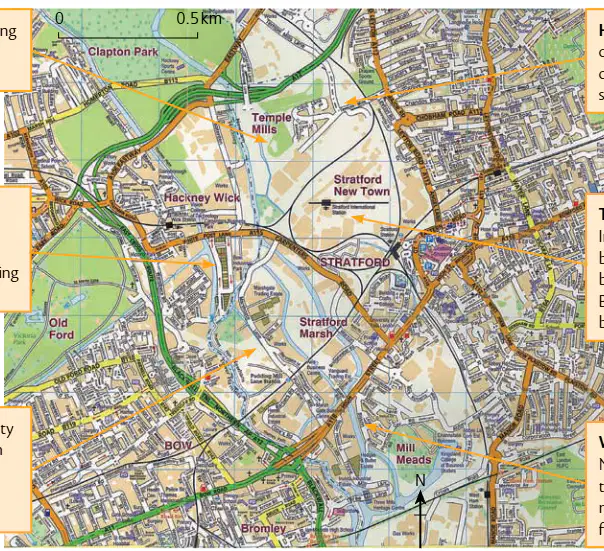
What was the purpose of the network of waterways in the area?
To provide drinking water.
To support agricultural activities.
To relieve flooding.
To generate hydroelectric power.
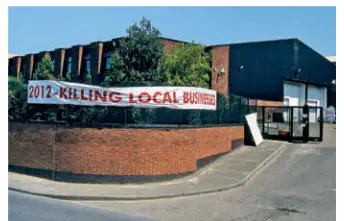
What was one of the main obstacles to regenerating the Olympic Park site?
Lack of government support
Existing landowners and users had to leave the site
Insufficient funding
Poor weather conditions
Why was the London 2012 Olympic bid successful?
It had the largest budget
It promised to leave a lasting legacy in East London
It was the only bid from Europe
It had the most famous athletes
What was required before construction could begin on the Olympic Park site?
Approval from international committees
Decontamination of polluted land
Completion of all architectural designs
Hiring of construction workers
Which transport connection was highlighted as a benefit for the London 2012 Olympics?
Heathrow Airport
Stratford station
London Bridge
King's Cross station
What has replaced the old factories and industrial estates in the Lower Lea Valley?
New factories
Stunning new sports venues
More industrial estates
Overgrown sites
Which organization took over from the ODA in the Lower Lea Valley?
Olympic Delivery Authority
London Legacy Development Corporation (LLDC)
Westfield Stratford City
The International Quarter
What is the new name for the Athletes' Village?
Westfield Stratford City
East Village
The International Quarter
Here East
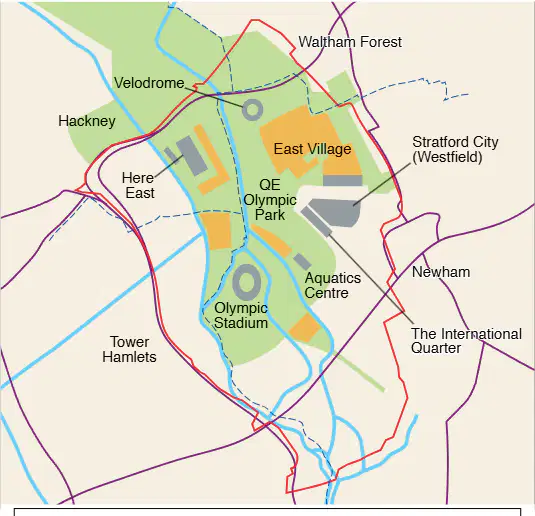
What is the significance of the Queen Elizabeth Olympic Park?
It is the smallest new park in London.
It has over 100 hectares of open space.
It is only used for athletic events.
It is a commercial development.
What was one of the main promises of the 2012 Olympic Games in London?
To increase tourism in London
To regenerate one of the most deprived parts of London
To build new sports facilities
To host the largest number of athletes
How much public money did London spend on the 2012 Olympic Games?
£5.2 billion
£7.8 billion
£9.3 billion
£10.5 billion
What is the expected completion year for the regeneration process initiated by the LLDC after the 2012 Olympic Games?
2025
2030
2035
2040
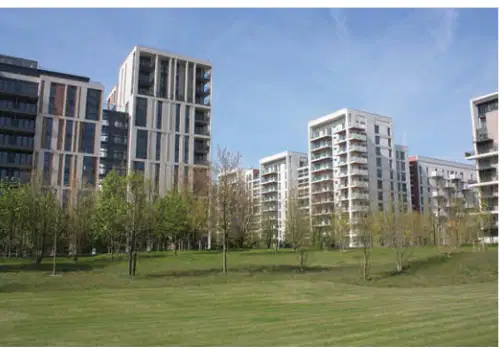
What is the new name for the Athletes' Village after its conversion?
Olympic Park Village
East Village
Stratford Village
Queen's Village
What is a sustainable city?
A city that meets its needs without harming future generations
A city that uses more resources than it produces
A city that relies solely on imported goods
A city with no public transport
What is one way cities can reduce their ecological footprint?
Increase road journeys
Import more food
Plan public transport carefully
Use more fossil fuels
What is the ecological footprint of a city?
The area of land or sea needed to produce inputs and dispose of outputs
The number of people living in the city
The amount of waste produced by the city
The size of the city in square kilometers
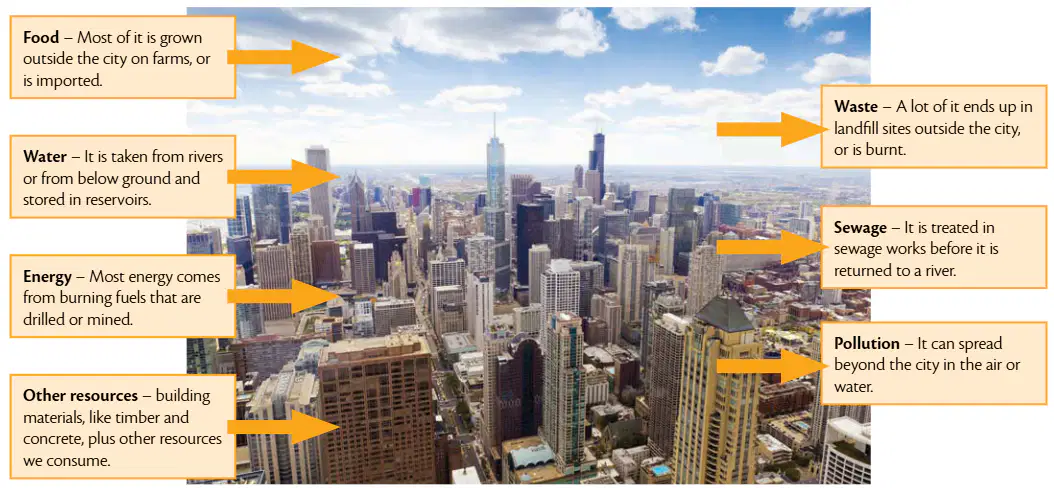
How does living in a city potentially benefit the environment compared to the countryside?
More road journeys are needed
Everything is closer, reducing travel
More energy is consumed
More waste is produced
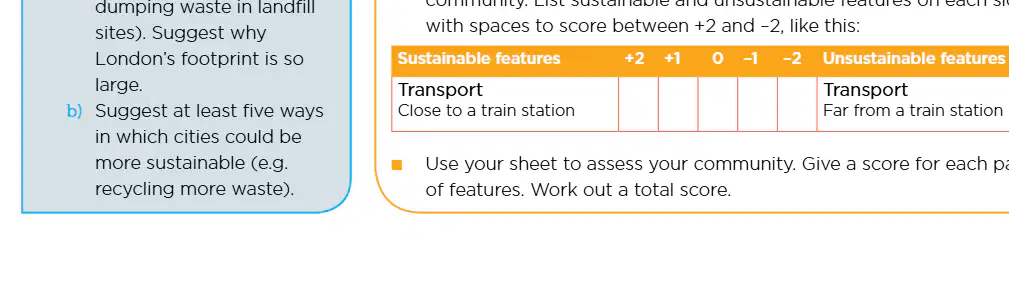
Which of the following is an initiative to make cities more sustainable?
Increasing landfill sites
Recycling more waste
Reducing public transport
Expanding urban sprawl
What framework did the UK government devise in 2004 for sustainable communities?
A framework focusing only on economic growth
A framework focusing on social, economic, political, and environmental aspects
A framework focusing only on political stability
A framework focusing on technological advancements
Which of the following is NOT a feature of a sustainable community according to Figure 16.2?
Well connected
Environmentally sensitive
High energy consumption
Fair for everyone
What was a key aim of the 2012 Olympics regarding sustainability?
To host the most attended Games ever
To build the tallest structures in London
To be the 'most sustainable Games ever'
To have the most international athletes

