
 Worksheets
Cat Dissection Review
Total questions: 70
Worksheet time: 1hrs 3mins


Label the muscles
acromiotrapezius
spinodeltoid
spinotrapezius
pectoantebrachialis
latissimus dorsi
epitrochlearis
xiphihumeralis
pectoralis minor
pectoralis major


#8
gastrocnemius
gracilis
semitendinsosus
tibialis anterior


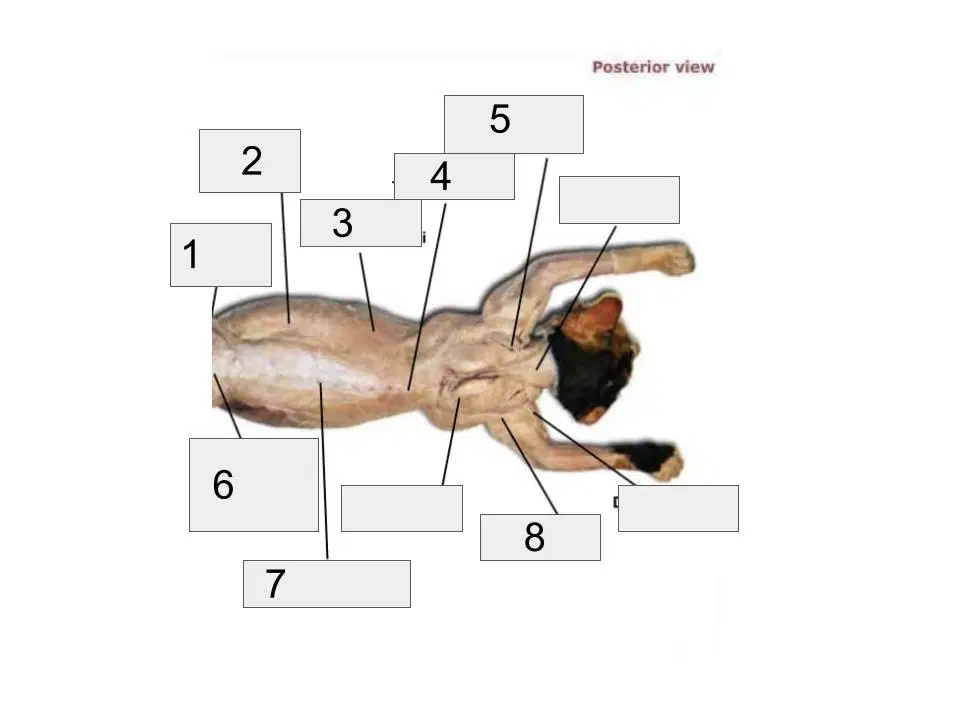

Tap image to zoom in. #10
Stomach
Pancreas
Bladder
Diaphragm
Kidneys


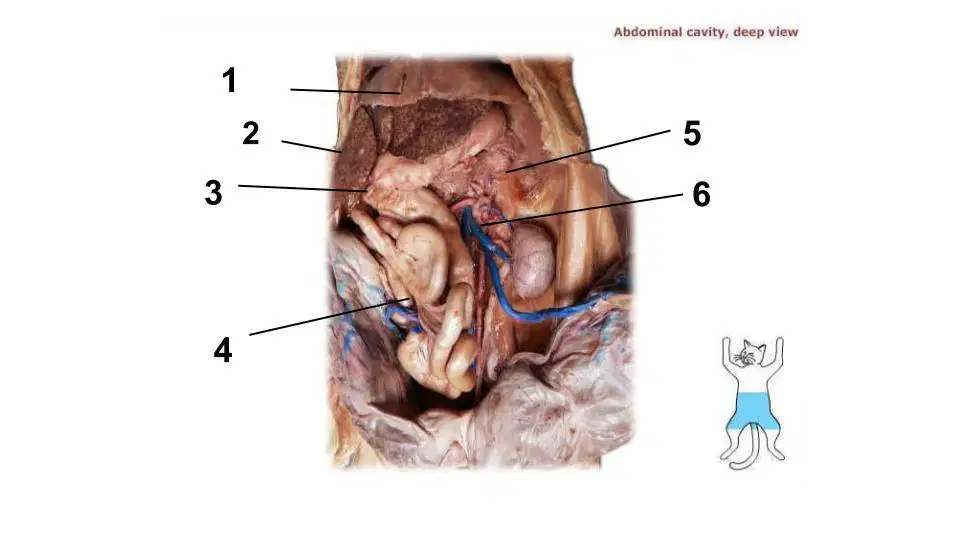

Tap image to zoom in. #1
Spleen
Liver
Large intestine
Small intestine
Colon
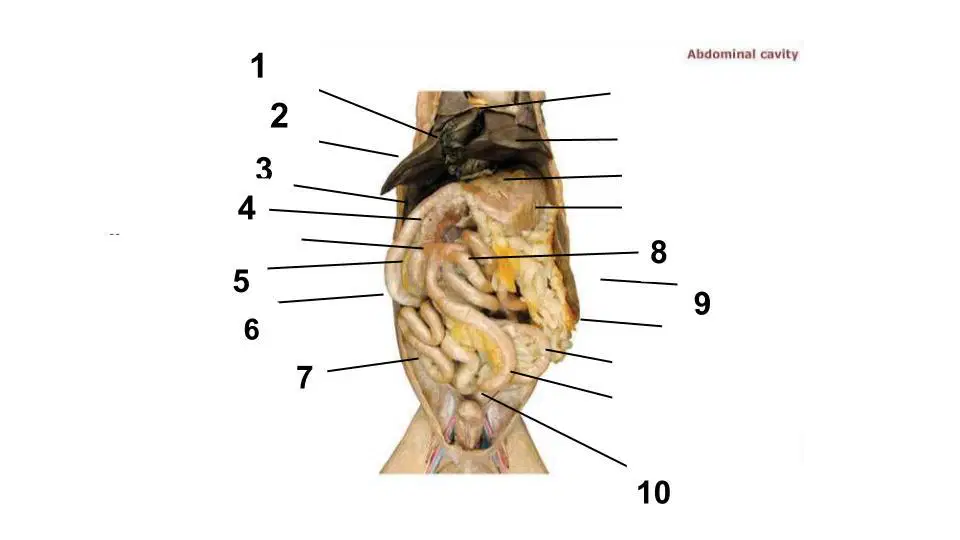


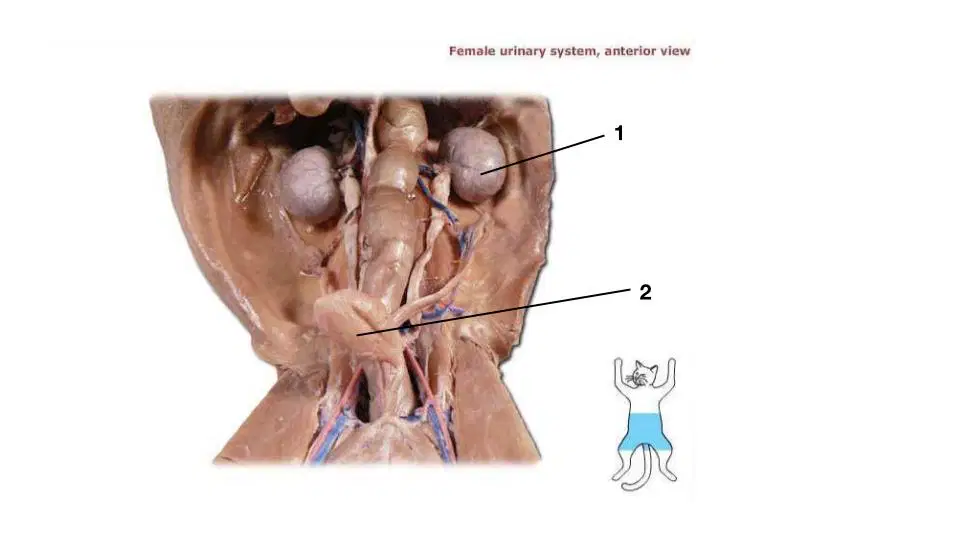
Tap image to zoom in. #2
Spleen
Liver
Large intestine
Small intestine
Colon
Tap image to zoom in. #3
Spleen
Liver
Large intestine
Small intestine
Colon
Tap image to zoom in. #4
Spleen
Liver
Large intestine
Small intestine
Colon

Tap image to zoom in. #11
Stomach
Lungs
Bladder
Diaphragm
Kidneys

Muscle #4 (a)
Muscle #5 (b)
Muscle #11 (c)
Muscle #3 (d)
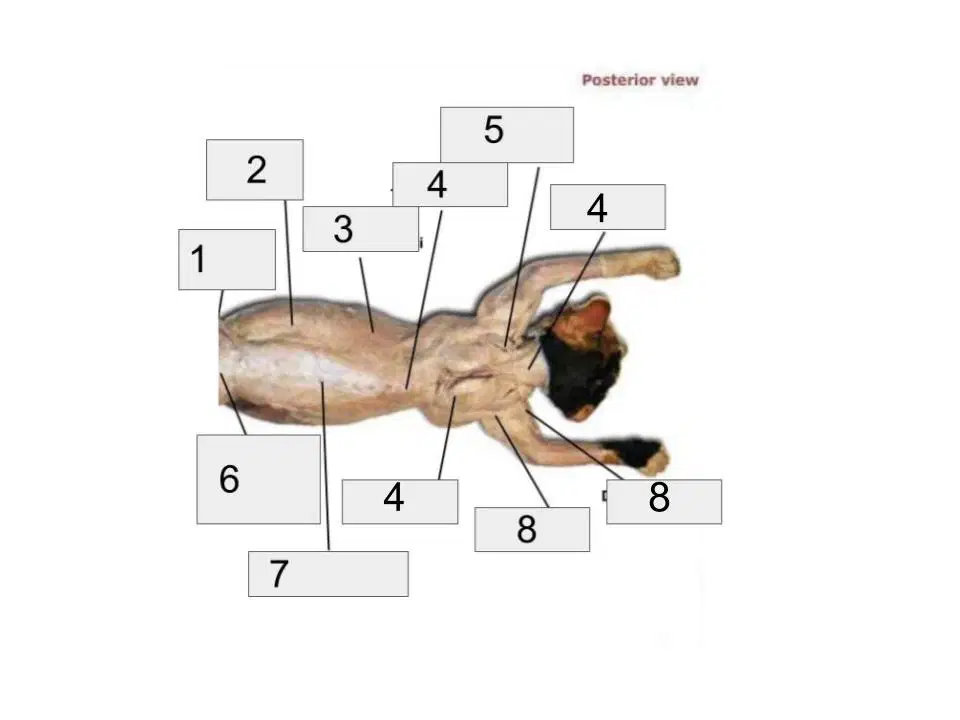

To which muscle is #7 pointing?
Latissimus dorsi
Acromiotrapezius
External oblique
Clavodeltoid

To which muscle is #2 pointing?
Mylohyoid
Sternomastoid
Digastric
Sternohyoid

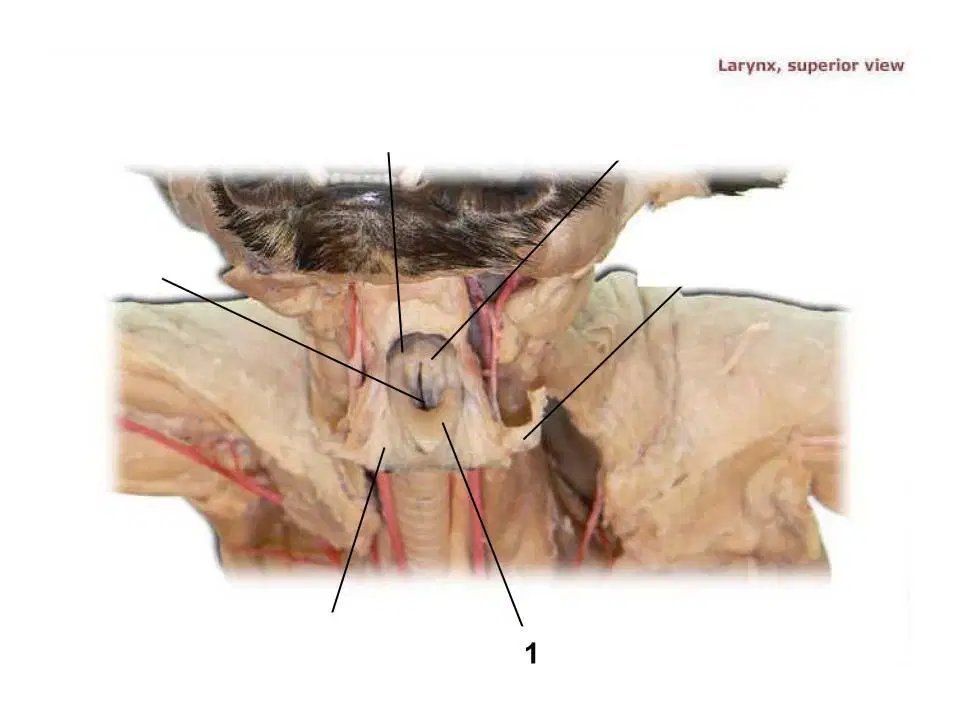

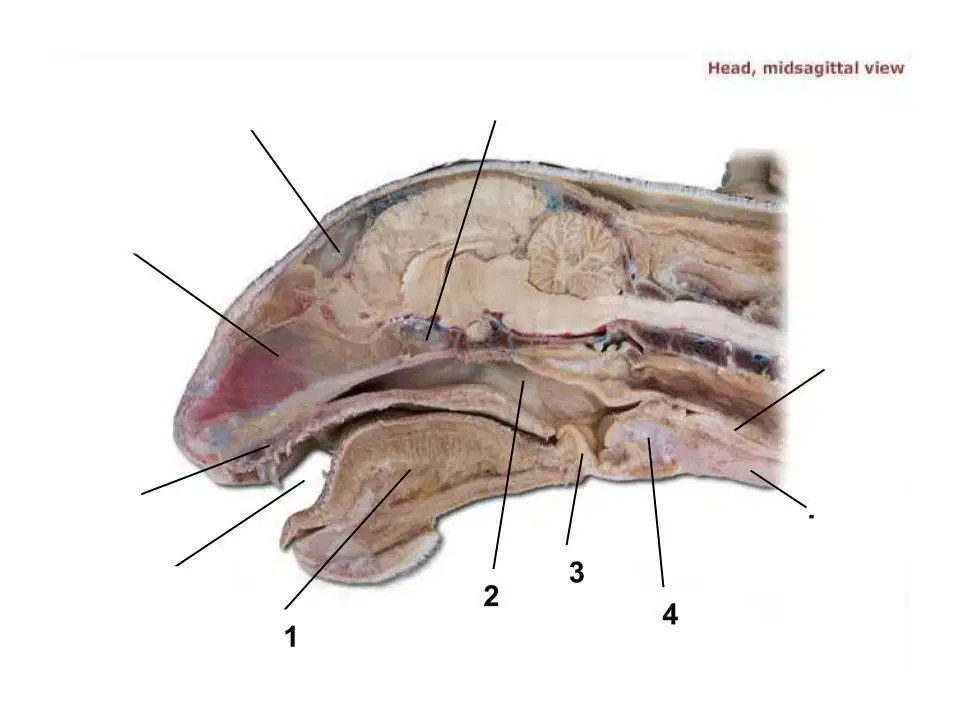

To which vessel is #1 pointing?
Brachial artery
Brachial vein
Brachiocephalic artery
Brachiocephalic vein

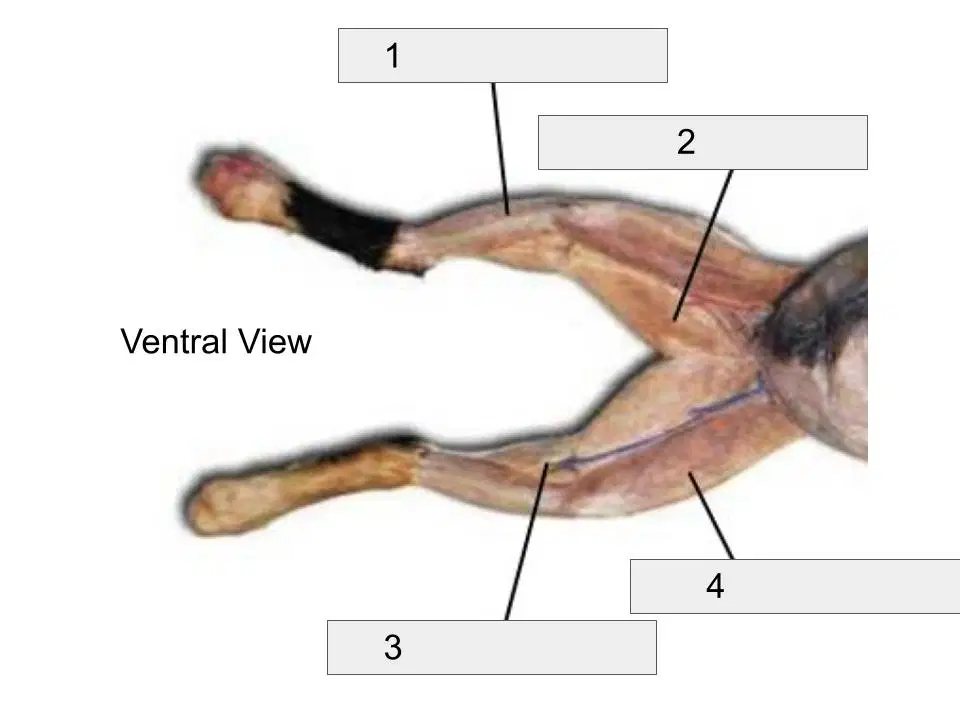
To which muscle is #1 pointing?
Rectus abdominus
External oblique

Muscle #3
Pectoralis transversus
pectoralis profundus
pectoralis descendus
clavobrachialis



When was Lebron Born
December 30, 1984
December 30, 1985
December 30, 1986
December 30, 1987

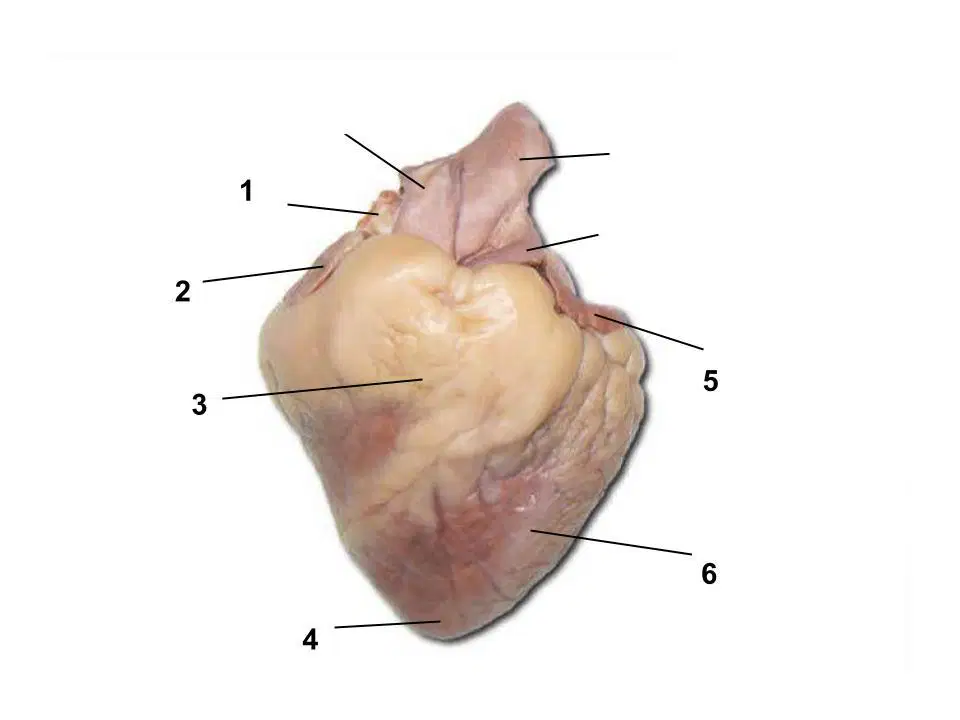
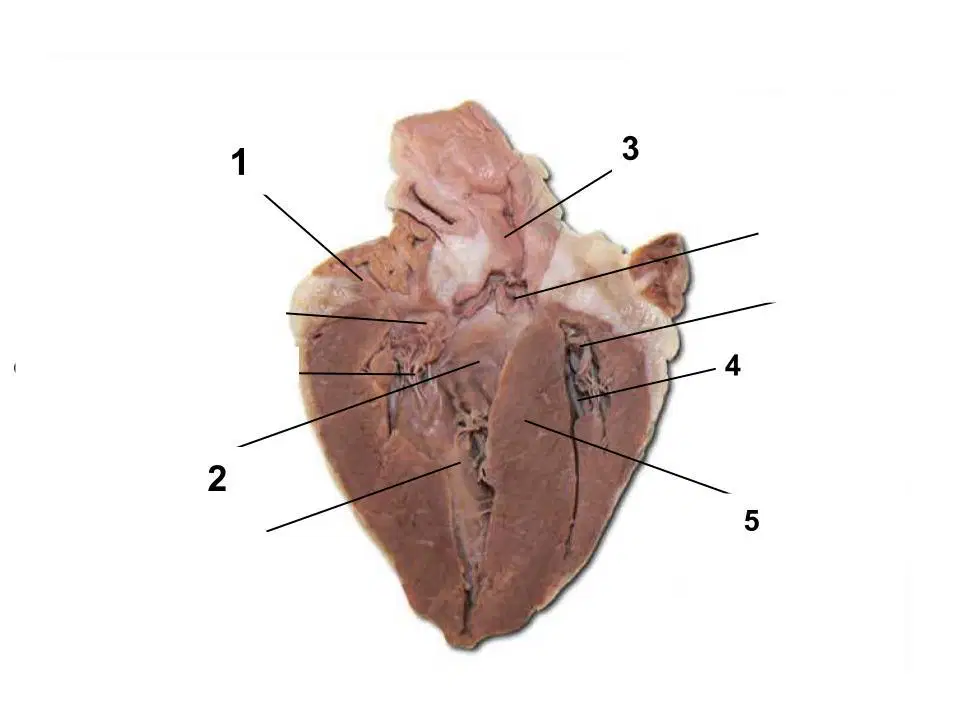
The structure labeled #4 is
septum
apex
left ventricle
papillary muscle

Identify the chamber labeled #1
right atrium
left atrium
left ventricle
right ventricle

Identify the structure labeled #5
interventricular sulcus
apex
left ventricle
septum

brain stem
cerebellum
cerebrum

Identify the Brain Stem.
A
C
K
L
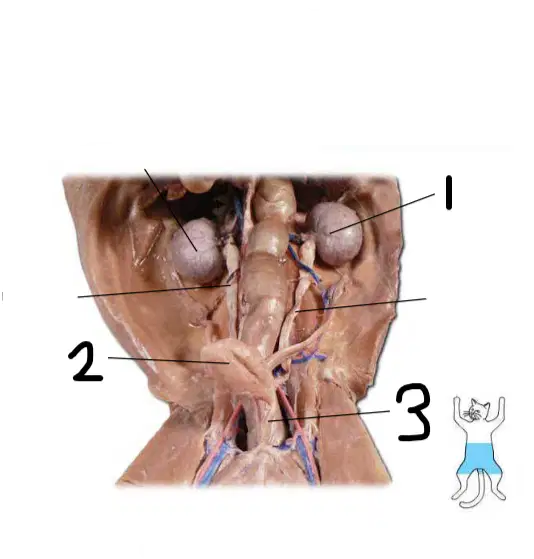
What is # 1
Cat Guts
Kidney
Bladder
Urethra
Where is the cornea?
Name of muscles whose control is mainly voluntary.
skeletal muscle
cardiac muscle
smooth muscle
What is the primary function of the appendix in the human body?
To digest cellulose
To store bile
To aid in the immune system
To produce insulin
Approximately how many taste buds does the average human tongue have?
10,000
5,000
20,000
1,000
What is the primary role of skin in temperature regulation?
To provide insulation through fat
To produce vitamin D
To detect temperature changes
To regulate heat through sweating

What percentage of their genome to cats share with tigers?
99%
80%
96%
45%
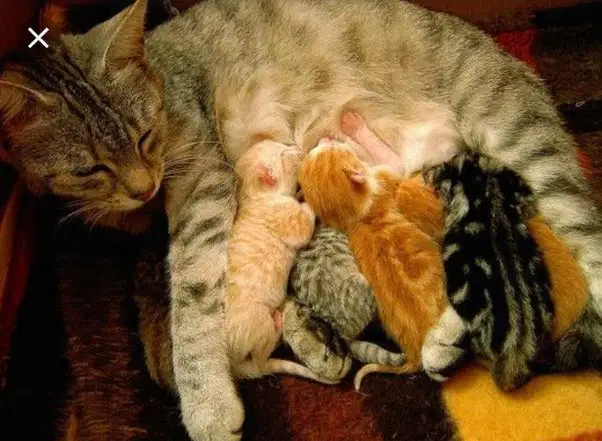
A single litter of cats can have multiple fathers
True
False
Which of the following should you NOT wear to class on dissection day?
closed-toe shoes
long hair up in a ponytail
tight sleeves or short sleeves
dangling jewelry
Which of the following do you NOT have to do before being dismissed?
clean up instruments
dispose of specimen properly
clean up desk area
wash my hands well
go to all of the other lab groups to see what they did
What is the dissecting scalpel used for?
to move parts of the specimen
to make starting or precision cuts
to cut skin and tissue
to grasp and manipulate parts of the specimen
How should a student scientist cut a specimen?
toward his/her holding hand and others
away from his/her holding hand and others
Lateral
Toward the midline
Toward the front / belly
Toward the sides
Toward the back
Prone
Face up
Face down
Toward the back
Below some other body pa
Anterior (Ventral)
Toward the front / belly
Toward the back
Toward the head
Toward the tail
Superficial
Above some other body part
Below some other body part
Toward the center of the body or organ
Near the surface of the body or organ
Supine
Face down
Face up
Toward the back
Toward the front / belly
Posterior (Dorsal)
Toward the tail
Toward the head
Toward the front / belly
Toward the back
Deep
Toward the center of the body or organ
Toward the midline
Toward the back
Toward the front / belly
Superior
Near the surface of the body or organ
Toward the center of the body or organ
Above some other body part
Below some other body part
Caudal
Toward the back
Toward the center of the body or organ
Toward the tail
Toward the head
Differentiate between the anatomy of a cat and a human.
The anatomy of a cat and a human can be differentiated by their preference for different types of food.
The anatomy of a cat and a human can be differentiated by comparing their skeletal structure, organ systems, and overall body proportions.
The anatomy of a cat and a human can be differentiated by their fur color and texture.
The anatomy of a cat and a human can be differentiated by their ability to communicate with each other.

