
 Worksheets
dunglamtraitimanhdau
Total questions: 116
Worksheet time: 1hrs 3mins
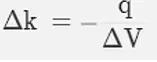
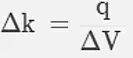
If the particle through a potential difference V, the change in the electric potential energy is
(24-4)
ΔU = q / ΔV
ΔU = q ΔV
ΔU = ΔV / q
ΔU = -q ΔV
The plane of the sheet and has magnitude:
(sheet of charge: 23-13)
E = σ / ε0
E = σ / 2ε0
E = σ / 3ε0
E = σ / 4ε0
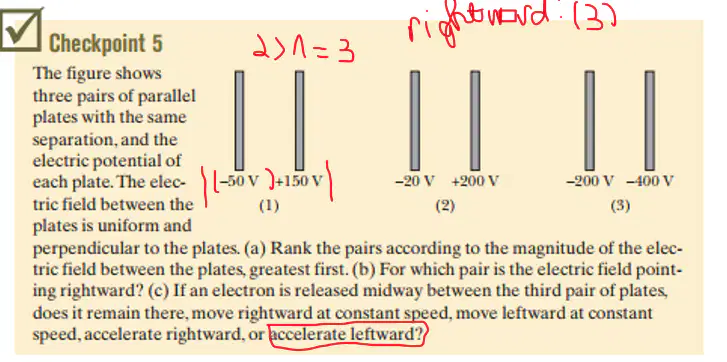
1 and 2 leftward, 3 rightward
2 > 1 = 3, 3
accelerate leftward
1, 2 and 3 rightward
1 > 2 = 3, 2
accelerate rightward
1 and 3 rightward, 2 leftward
2 > 1 = 3, 2
accelerate rightward
2 and 3 rightward, 1 leftward
3 > 1 = 2, 3
accelerate leftward
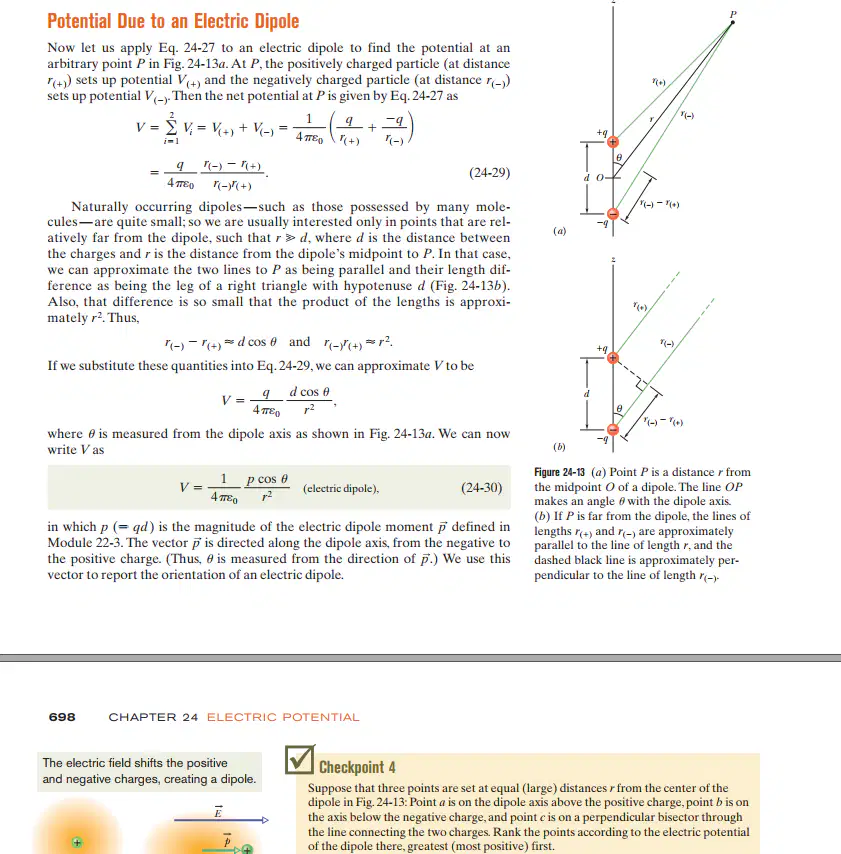
VA > VC (0) > VB
VB > VA > VC
VB = VA > VC
VC > VA = VB
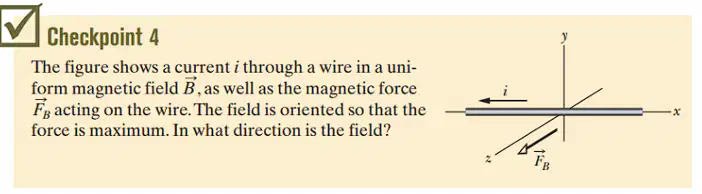
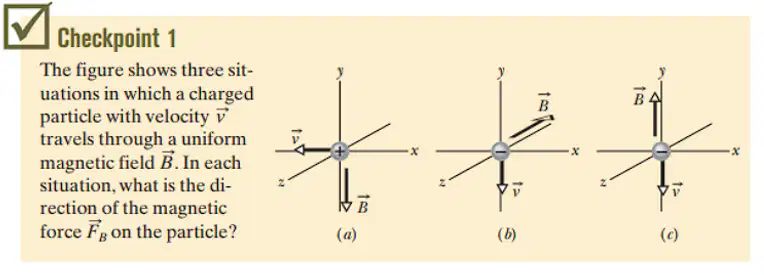
-x
-y
-z
+x
+y
Potential Due to a Continuous Charge Distribution is
(24 - 32)
V = ( 1 / 4πε0) ∫ dqr
V = ( 1 / 4πε0) ∫ -dqr
V = ( 1 / 4πε0) ∫ dq / r
V = ( 1 / 4πε0) ∫ -dq / r
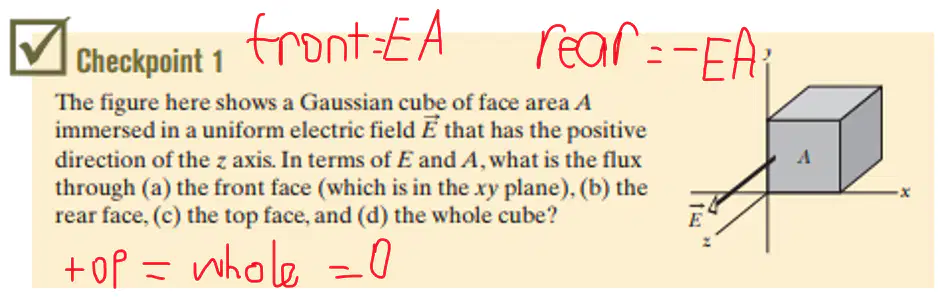
(a) +EA
(b) -EA
(c) 0
(d) 0
(a) -EA
(b) +EA
(c) 0
(d) 0
(a) 0
(b) 0
(c) +EA
(d) -EA
(a) +EA
(b) 0
(c) 0
(d) -EA
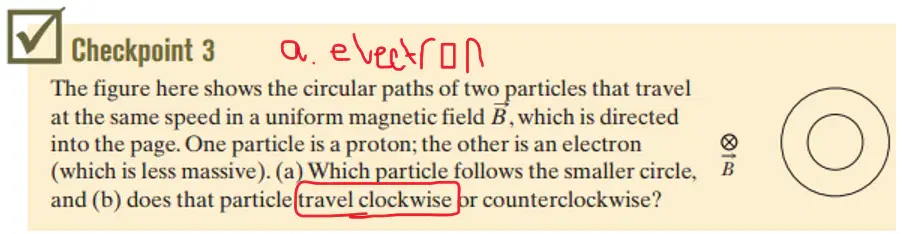
clockwise
counterclockwise
electron
proton
The magnitude of the electric field set up by the dipole at a distant point on the dipole axis (which runs through both charges) is
( 22 - 9 )
E = 1 / 2πε0 . p / z^3
E = 1 / 4πε0 . p / z^2
E = 1 / 2πε0 . p / z^2
E = 1 / 4πε0 . p / z^3

(a) +y - axis
(b) +x - axis
(c) -y - axis
(a) +y - axis
(b) -x - axis
(c) -y - axis
(a) -y - axis
(b) +x - axis
(c) +y - axis
(a) -y - axis
(b) -x - axis
(c) +y - axis
For a long straight wire carrying a current i, the Biot–Savart law gives, for the magnitude of the magnetic field at a perpendicular distance R from the wire.
(long straight wire)
( 29 - 4 )
B = -μ0 i / 2πR
B = μ0 i / 2πR
B = μ0 iΦ / 2πR
B = 2πR / μ0 iΦ
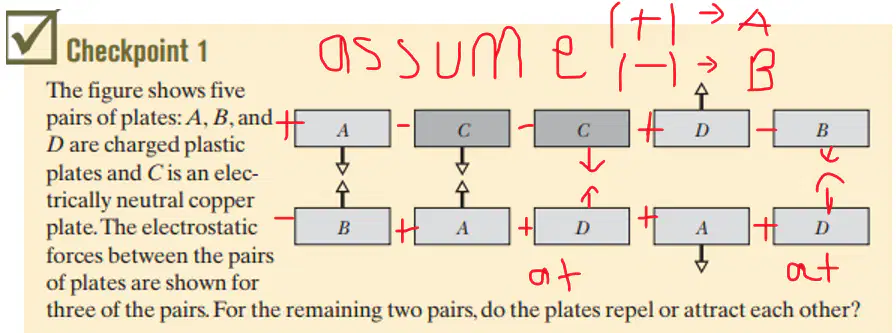
a, r
r, r
r, a
a, a
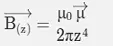
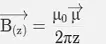
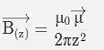
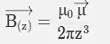
The magnetic field produced by a current-carrying coil, which is a magnetic dipole, at a point P located a distance z along the coil’s perpendicular central axis is parallel to the axis and is given by
( 29 - 10)
.Initially, sphere A has a charge of -50e and sphere B has a charge of +20e.The spheres are made of conducting material and are identical in size. If the spheres then touch, what is the resulting charge on sphere A?
-15e
-30e
15e
30e
The wavelength of the green light from a diode laser is 520 nm in air but 388 nm in the aqueous humor inside your eyeball. What is the refractive index of the aqueous humor?
(λ = λ0 / n) - Light and its properties
1.34
0.75
1.00
1.52
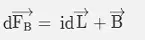
In the differential limit, we can write
( 28 - 28)
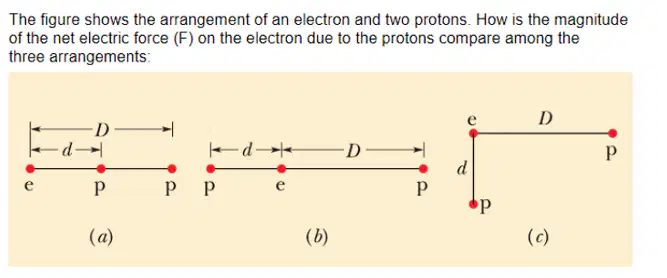
F(a) > F(c) > F(b)
F(a) > F(b) > F(c)
F(b) < F(a) < F(c)
< 45 do
45 do
Birefringence that is, a material has different indexes of refraction for different directions of polarization and the refractive indexes for the two perpendicular polarization directions in calcite are given. A crystal of calcite serves as a quarter-wave plate; it converts linearly polarized light to circularly polarized light if the numbers of wavelengths within the crystal differ by one-fourth for the two polarization components. For light with wavelength 589 nm in air (for calcite, n = 1.658 and 1.486), what is the minimum thickness of a quarter-wave plate made of calcite?
step 1: Δ = d(n1−n2) = λ/4
step2: d = ?
589 nm
428 nm
856 nm
214 nm
The wavelength of the green light from a diode laser is 520 nm in air but 388 nm in the aqueous humor inside your eyeball. What is the speed of light in the aqueous humor?
step 1: λ = λ0 / n
step 2: v = c / n
388 nm/s
3 *10^8 m/s
2.25 *10^8 m/s
4.02 *10^8 m/s
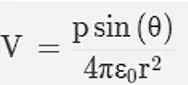
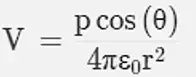
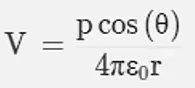
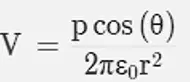
the electric potential of the dipole is
(24 - 30)
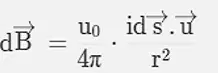
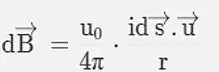
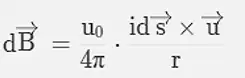
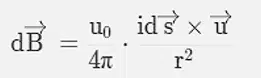
The magnetic field created by a wire of length ds carrying a current i at a point P located at a distance from the current element is (Biot-Savart's law) where is a unit vector that points from ds to P
( 29 - 3 )
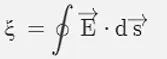
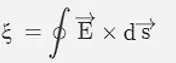
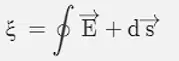
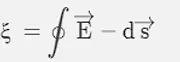
Emf and the Induced Electric Field
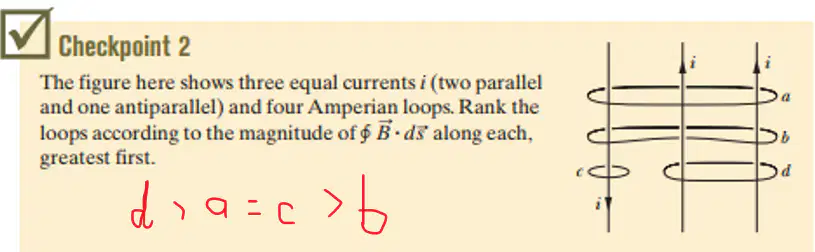
d > a = c > b
a = d > b > c
a = b >d > c
a < d = b > c
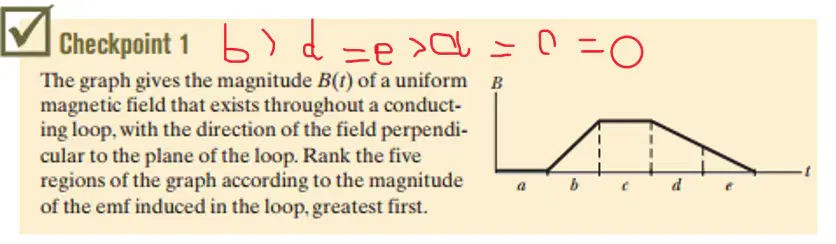
d = e > b > a = c
a = c > d = e > b
d > e > b a = c
b > d = e > a = c
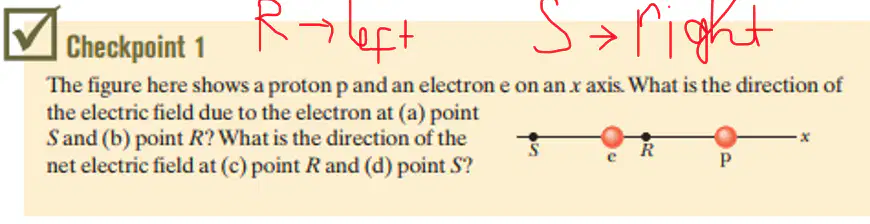
(a) S leftward
(a) S rightward
(a) R leftward
(b) S rightward
(b) R leftward
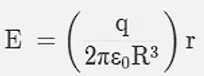
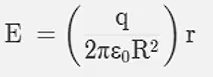
The electric field inside a uniform sphere of charge is
( 23 - 20 )
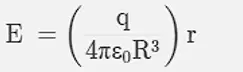
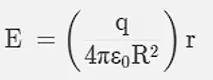
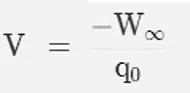
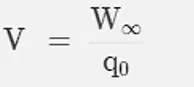
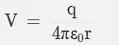
The electric potential V at a point P in the electric field of a charged object is
( 24 - 2 )
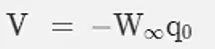
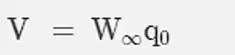
V = U / q0
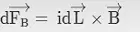
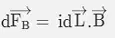
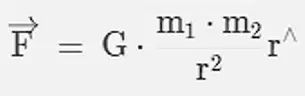
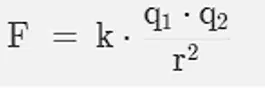
write the electrostatic force as
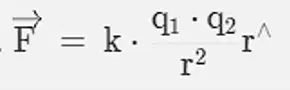
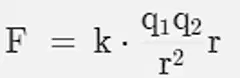
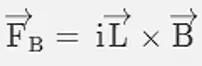
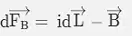
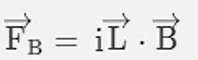
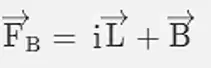
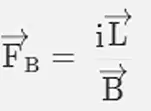
The force is perpendicular to both the field and the length
( 28 - 26 )


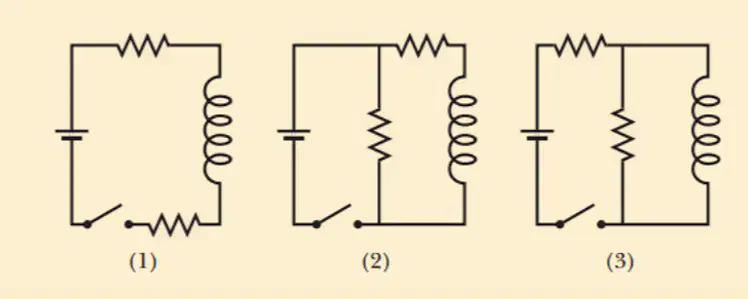
The figure shows three circuits with identical batteries, inductors, and resistors. Rank the circuits according to the current through the battery (a) just after the switch is closed and (b) a long time later, greatest first
2 > 3 > 1
3 > 2 > 1
1 > 3 > 2
1 > 2 > 3
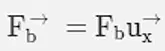
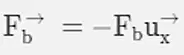
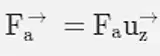
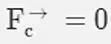
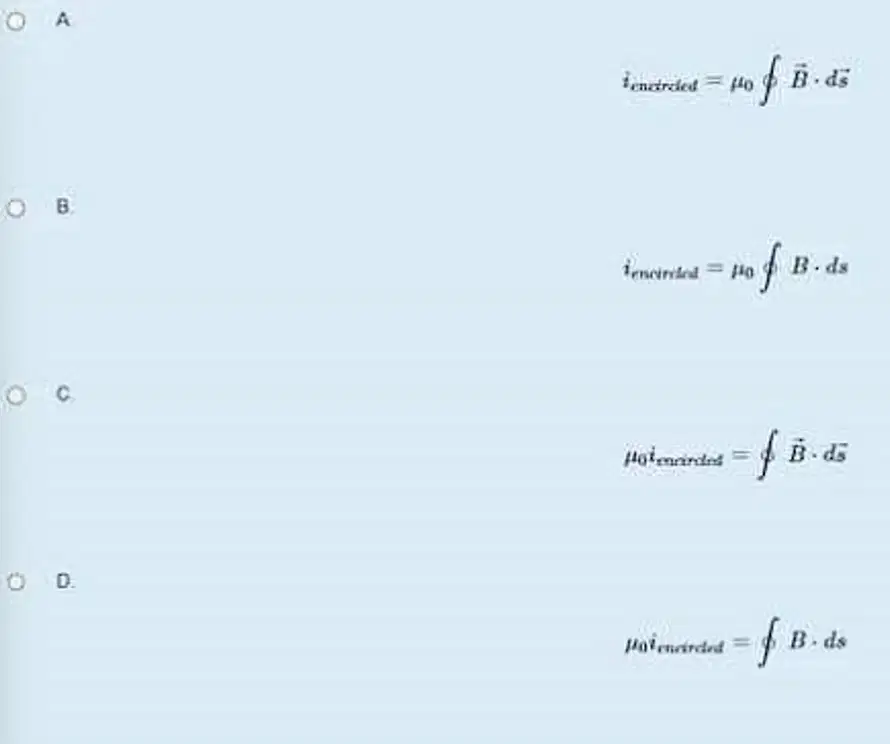
The Ampere's law state that
( 29 - 5 )
A
B
C
D
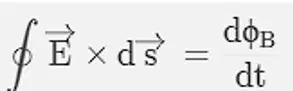
Write Faraday's law
( 30 - 20 )
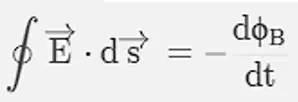
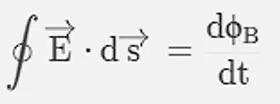
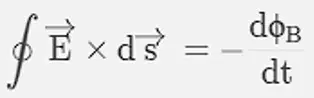
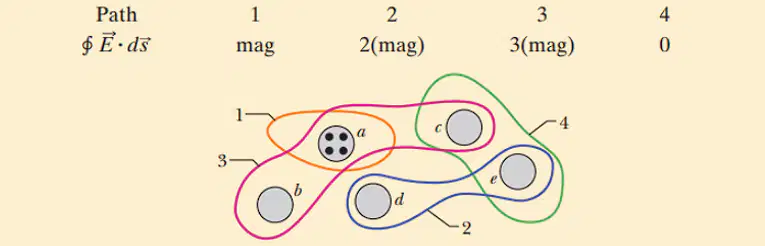
The figure shows five lettered regions in which a uniform magnetic field extends either directly out of the page or into the page, with the direction indicated only for region a. The field is increasing in magnitude at the same steady rate in all five regions; the regions are identical in area.Also shown are four numbered paths along which has the magnitudes given below in terms of a quantity “mag.” Determine whether the magnetic field is directed into or out of the page for regions b through e
b, c into
d, e out
b, d out
c, e into
b. c out
d, e into
b, d into
c, e out
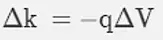
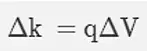
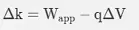
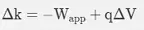
the conservation of mechanical energy gives the change in kinetic energy as
( 24 - 9 )

The figure here shows four arrangements of circular loops of radius r or 2r, centered on vertical axes (perpendicular to the loops) and carrying identical currents in the directions indicated. Rank the arrangements according to the magnitude of the net magnetic field at the dot, midway between the loops on the central axis, greatest first.
d = a > b = c
d > a > b = c
d = a > b > c
d > a > b > c

(a) We negative
(b) increase
(c) Wext positive
(d) higher
(a) We negative
(b) decrease
(c) Wext positive
(d) higher
(a) We positive
(b) increase
(c) Wext negative
(d) lower
(a) We negative
(b) increase
(c) Wext positive
(d) lower
Natural light (Sunlight) has electric field vector in all random direction. What is the polarization of this light
linearly polarized
circularly polarized
elliptically polarized
unpolarized
the electric potential energy U of the particle–object system is
( 24 - 3 )
U = q / V
U = q V
U = V / q
U = - q V
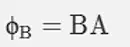
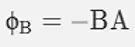
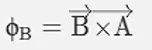
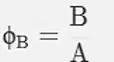
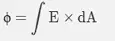
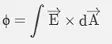
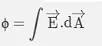
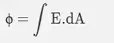
The total flux through a surface is given by
Total internal reflection only happens when




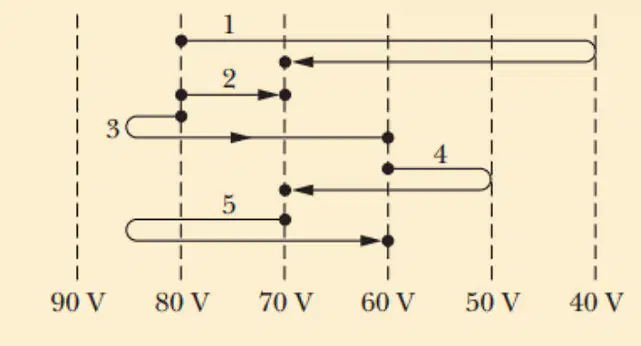
For each path, is the work we do positive, negative, or zero? Rank?
1, 2, 3, 5 positive
4 negative
rightward
3 > 1 = 2 = 5 > 4
4 > 1 = 2 = 5 > 3
Force on a Point Charge in an Electric Field is
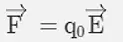
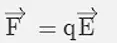

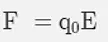

( 22 - 3 )
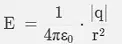
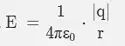
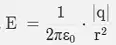
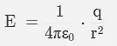
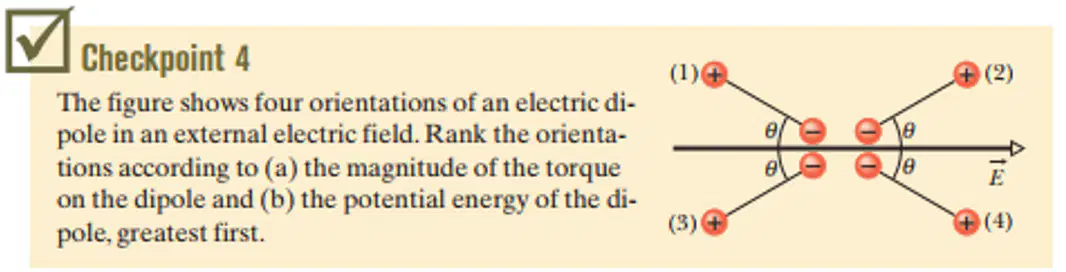
(a) 1 = 2 = 3 = 4
(a) 1 = 2 > 3 = 4
(b) 1 = 2 > 3 = 4
(b) 1 = 3 > 2 = 4
(b) 1 = 2 = 3 = 4
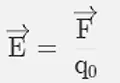
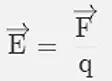
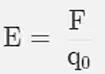
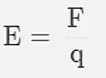
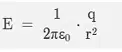
Definition of electric field is
( 22- 1 )
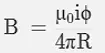
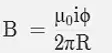
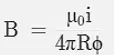
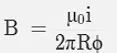
The magnitude of the magnetic field at the center of a circular arc, of radius R and central angle f (in radians), carrying current i, is
(at center of circular arc)
( 29 - 9 )
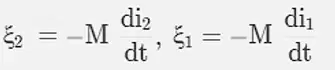
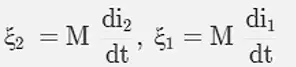
If coils 1 and 2 are near each other, a changing current in either coil can induce an emf in the other. This mutual induction is described by
( 30 - 64 - 65 )


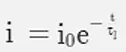
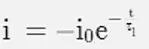
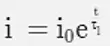
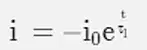
The current decays from a value i0 according to
( 30 - 45 )
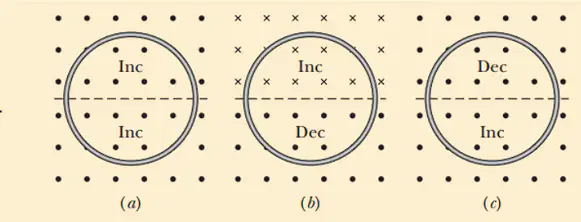
The figure shows three situations in which identical circular conducting loops are in uniform magnetic fields that are either increasing (Inc) or decreasing (Dec) in magnitude at identical rates. In each, the dashed line coincides with a diameter. Rank the situations according to the magnitude of the current induced in the loops, greatest first.
a = b > c
c > a = b
(a) clockwise
(b) Counterclockwise
(c) No net current
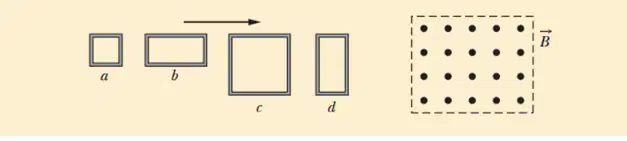
The figure shows four wire loops, with edge lengths of either L or 2L.All four loops will move through a region of uniform magnetic field (directed out of the page) at the same constant velocity. Rank the four loops according to the maximum magnitude of the emf induced as they move through the field, greatest first
a = b > c = d
c = d > a = b
c > b = d > a
c = b > d = a
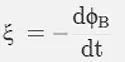
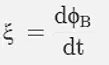
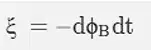
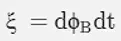
Faraday's law
( 30 - 4 )
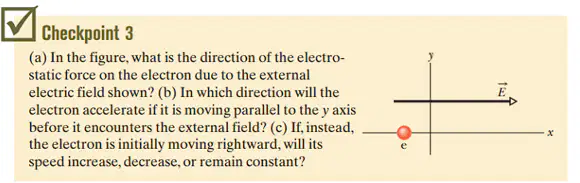
(a) leftward
(b) leftward
(b) rightward
(c) decrease
(c) increase
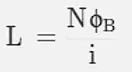
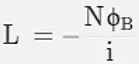
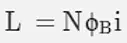
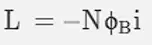
The inductance L of the inductor is ( inductance defined )

The figure below shows two protons (symbol p) and one electron (symbol e) on an axis. On the central proton, which is the correct answer for each of the following questions: e
(a) What is the direction of the force due to the electron? (0.5 marks) (1) Left (ii) Right
(b) What is the direction of the force due to the other proton? (0) Left (ii) Right
(c) What is the direction of the net force? (i) Left (ii) Right (0.5 marks) (0.5 marks)
(a) left
(b) left
(c) left
(b) right
(c) right
The magnitude of Coulomb's law
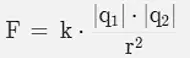
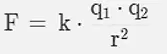

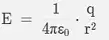
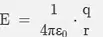


The net flux = outward - inward
(a) - (b) - (c)
(1) - (2) - (3)
(2) - (1) - (3)
(2) - (3) - (1)
(3)- (2) - (1)

( 24 - 11 )


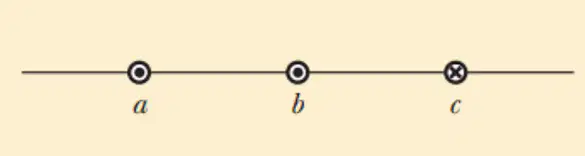
The figure here shows three long, straight, parallel, equally spaced wires with identical currents either into or out of the page. Rank the wires according to the magnitude of the force on each due to the currents in the other two wires, greatest first
a > b > c
a > c > b
b > a > c
b > c > a
Electric potential energy of a system of charged particles
( 24 - 46 )
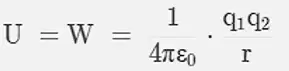
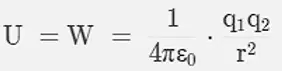
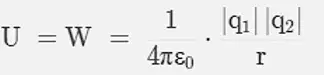
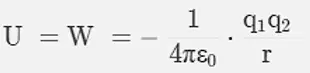
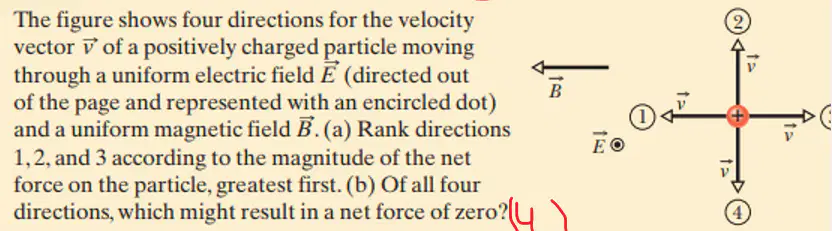
(a) 2 > 1 = 3
(a) 1 = 3 > 2
(b) 4
(b) none
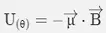
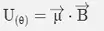
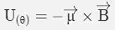
A potential energy U is associated with the orientation of the dipole is
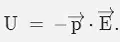
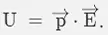
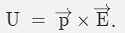
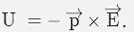
Inside a toroid, the magnitude B of the magnetic field is
( 29 - 12 )


Dipole orientation changes, the work done by the electric field is
W = -ΔU
W = ΔU
Wa = -ΔU
W = Wa
Wa = ΔU
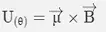
The orientation energy of a magnetic dipole in a magnetic field is
( 28 - 38 )

3 = 4 > 1 > 2
2 > 1 > 3 = 4
1 > 2 > 3 = 4
3 = 4 > 2 > 1
The critical angle for total internal reflection at an olive oil-air interface is 43.6°. If a ray of light traveling in air has an angle of incidence at the interface of 38.0°, what angle does the refracted ray in the olive oil make with the normal?
step 1: sinoil-air = nair/noil --> noilv = ?
step 2: nair sinθ1 = noil sinθ2 --> θ2 = ?
64.9
63.2
26.8
25.1
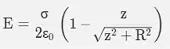
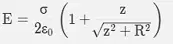
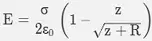
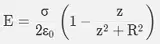
The electric field magnitude at a point on the central axis a uniformly charged disk is given by
( 22 - 26 )
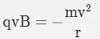
Applying Newton's second law to the circular motion yields
( 28 - 15 )




( 29 - 9 )



( 24 - 21)
ΔV = -EΔx
ΔV = EΔx
ΔV = -E/Δx
ΔV = E/Δx
The Gauss' law can be written as
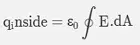
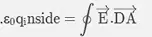
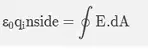
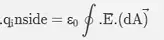

( 24 - 26 )
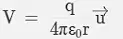
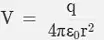
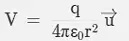
The density of stored magnetic energy at that point is
( 30 - 55 )


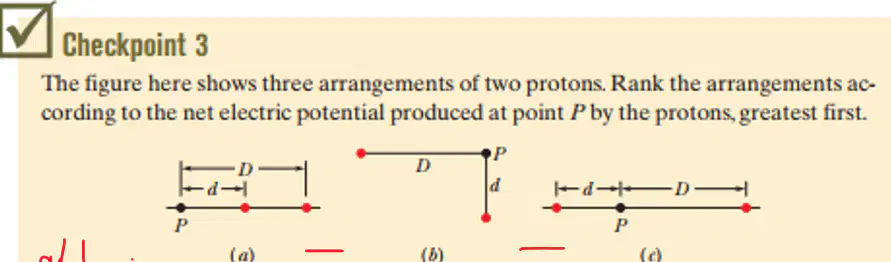
a = b = c (all tie)
(a), (b), (c)
(b), (a), (c)
(c), (a), (b)
Scattering is the process in which
light is absorbed and then re-radiated
light is refracted
light is emitted
light is reflected
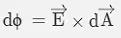
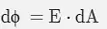
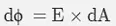
The electric flux d through a patch element with area vector is
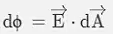
charged ring at large distance is
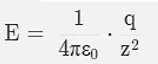
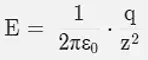
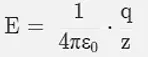
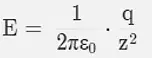

( 23 - 16 )
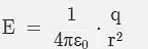

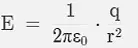
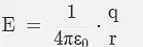






( 30 -35 )


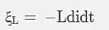

the current rises to an equilibrium
( 30 - 41 )
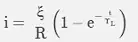
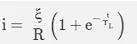
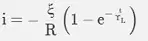
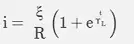

( 30 -31)



Wa = -W
Wa = W

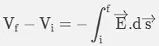
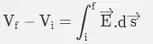
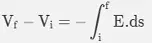

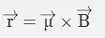
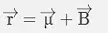
Torque on a Current - Carrying Coil
( 28 - 37 )

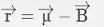
The line of charge and has magnitude
( 23 -12 )



tính theo góc horizontal --> 90 - 51.2 = θ
Imax= I cos^2(θ) (second filter --> i = 1/2)
--> Imax/i = ?
0.393
0.296
0.304
0.627






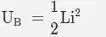
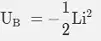

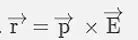
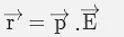

( 28 -16 )


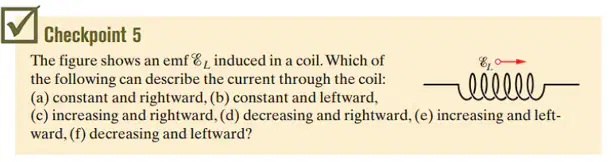
nếu chỉ được chọn 1 đáp thì sẽ cho d
a
b
c
d
e






( 22 - 3 )
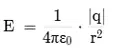
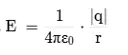
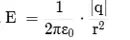
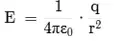

( 22 - 9 )
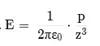



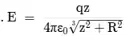
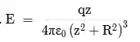
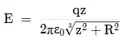
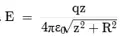

B=μ0⋅Ntotal⋅I/L with μ0 = 4pi10^-7
N = 5 (five)
0.48 *10^-2 T
0.68 *10^-2 T
2.97 *10^-2 T
2.42 *10^-2 T
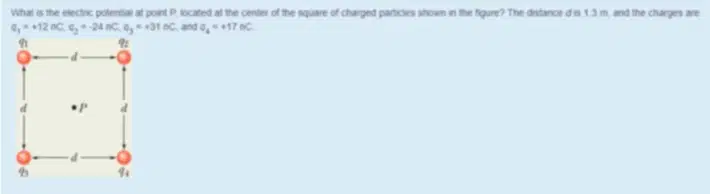
Vp = k qtotal / r
r = d / can2
V = 249V
V = 384V
V = 192V
V = 353V
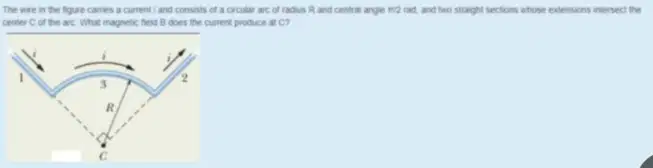
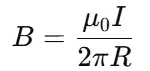
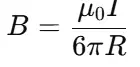
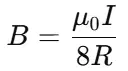
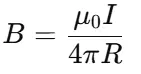

θi = 90 - α = θr
β= 90 - θr =?
50.6
24.3
39.4
65.7
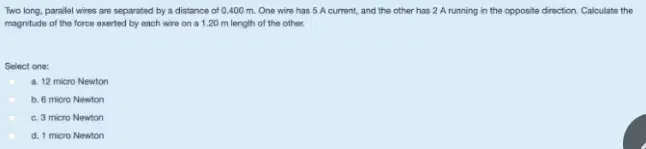
F =( μ0 I1 I2 / 2πr ) * L
μ0 = 4pi *10^-7
12
6
3
1

use Snell' law
1.67 and 1.62
1.62 and 1.62
1.67 and 1.67
1.62 and 1.67

1 / Req = 1 / R1 + 1 / R2 + ....
R / 12
4R
R / 4
R / 16
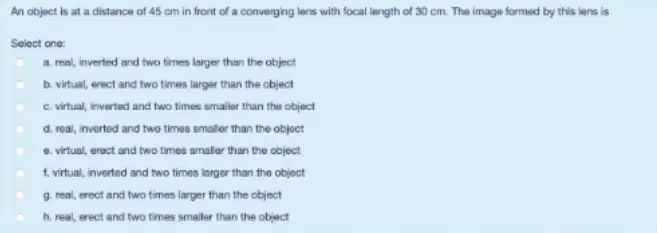
(a)

ε= - ( dB / dt ) * A
0.12 V
0.24 V
0.16 V
0.08 V
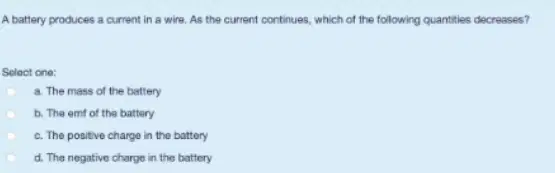
a
b
c
d
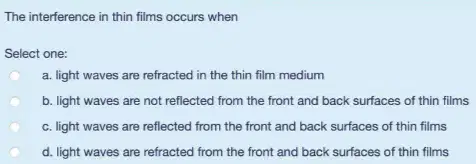
a
b
c
d

M = - fo / fe
a
b
c
d

Pp / ps = ( 2V^2 / R ) / ( V^2 / 2R )
10
1
4
2

a
b
c
d
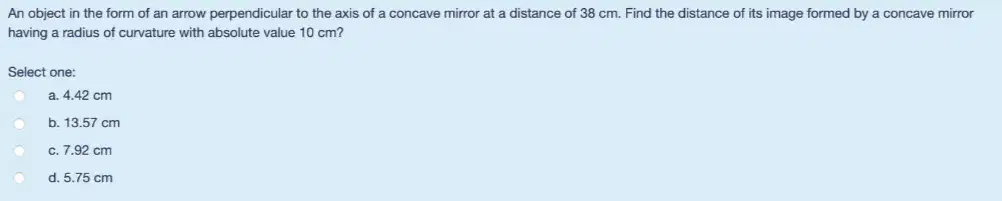
a
b
c
d

a
b
c
d

a
b
c
d

