
 Worksheets
Human Heart Function Quiz
Total questions: 45
Worksheet time: 23mins
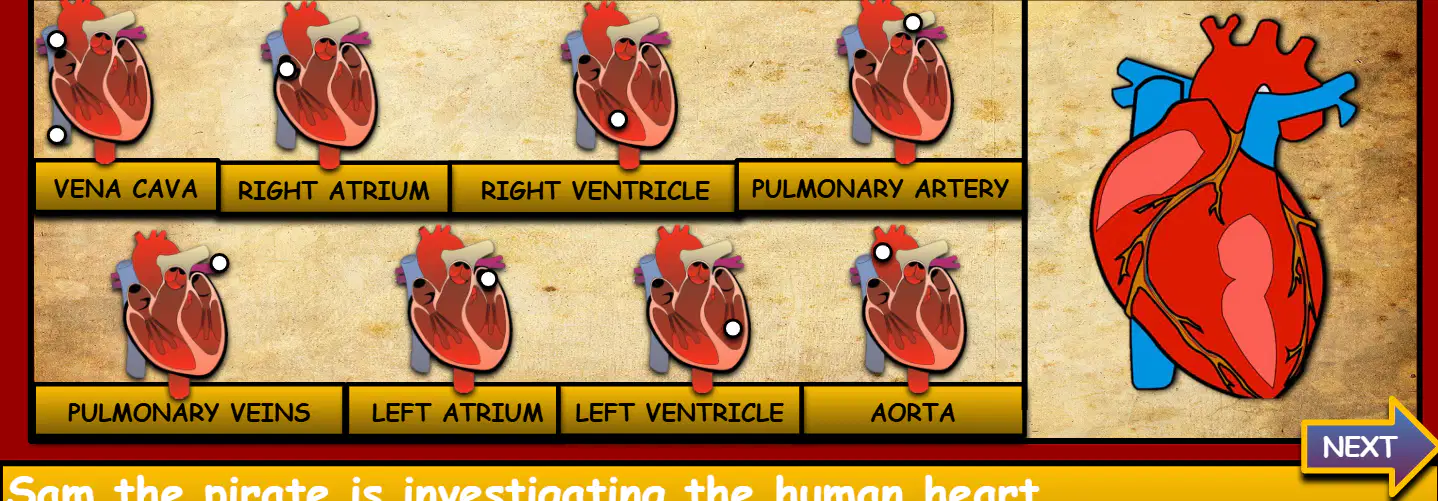
Which part of the human heart is responsible for receiving oxygen-poor blood from the body?
Right Atrium
Left Atrium
Aorta
Pulmonary Veins

What is the main function of the pulmonary artery in the human heart?
To carry oxygen-rich blood to the body
To carry oxygen-poor blood to the lungs
To receive blood from the lungs
To pump blood to the left ventricle

Which part of the heart pumps oxygen-rich blood to the rest of the body?
Right Ventricle
Left Ventricle
Right Atrium
Pulmonary Artery
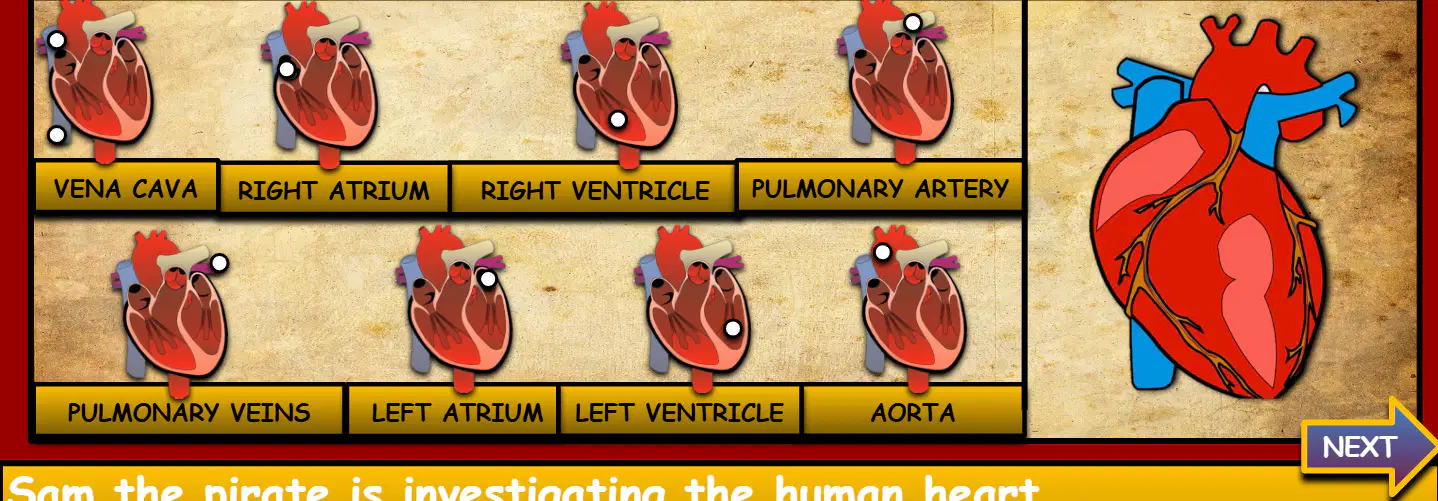
What is the role of the aorta in the circulatory system?
To carry blood from the heart to the lungs
To carry oxygen-rich blood from the heart to the body
To receive oxygen-poor blood from the body
To pump blood into the right atrium
What is the primary function of the heart?
To digest food
To pump blood
To filter waste
To produce hormones
Approximately how many times does the heart beat each day?
10,000 times
50,000 times
100,000 times
200,000 times
Where is the heart located in the body?
In the middle of the chest
A little to the left of the middle of the chest
On the right side of the chest
Near the stomach
What is the size of the human heart?
The size of a grapefruit
The size of a fist
The size of a football
The size of a tennis ball
What does the right side of the heart do?
Receives blood from the lungs and pumps it to the body
Receives blood from the body and pumps it to the lungs
Pumps blood to the brain
Filters blood

What is the role of the heart and circulatory system?
To digest food
To deliver blood to organs
To produce energy
To store nutrients

Which part of the heart is responsible for carrying oxygenated blood from the heart to the rest of the body?
Pulmonary Artery
Superior Vena Cava
Aorta
Right Atrium
What is the function of the tricuspid valve in the heart?
It prevents backflow of blood into the left atrium.
It prevents backflow of blood into the right atrium.
It carries deoxygenated blood to the lungs.
It carries oxygenated blood to the body.
Which chamber of the heart receives deoxygenated blood from the body?
Left Atrium
Right Atrium
Left Ventricle
Right Ventricle
What is the role of the pulmonary vein in the circulatory system?
It carries oxygenated blood from the lungs to the heart.
It carries deoxygenated blood from the heart to the lungs.
It carries oxygenated blood from the heart to the body.
It carries deoxygenated blood from the body to the heart.
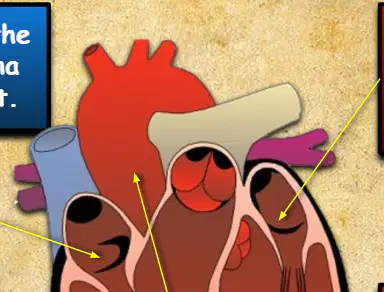
What is the main function of the aorta in the circulatory system?
It pumps deoxygenated blood to the lungs.
It takes oxygen-rich blood to all parts of the body.
It receives deoxygenated blood from the body.
It filters blood before it enters the heart.
Through which valve does blood pass to enter the right ventricle?
Mitral valve
Aortic valve
Tricuspid valve
Pulmonary valve
Where does deoxygenated blood from the body first enter the heart?
Left atrium
Right atrium
Left ventricle
Right ventricle
What happens to blood in the lungs during circulation?
It loses oxygen.
It gains carbon dioxide.
It picks up oxygen.
It becomes deoxygenated.
Which valve does blood pass through to enter the left ventricle?
Tricuspid valve
Pulmonary valve
Mitral valve
Aortic valve
What is the function of the vena cava?
Carry oxygenated blood to the lungs
Carry deoxygenated blood into the heart
Carry nutrients to the liver
Carry oxygenated blood to the brain
How many vena cava veins are there in humans?
One
Two
Three
Four
What does the inferior vena cava do?
Carries oxygenated blood from the heart to the body
Carries deoxygenated blood from the lower body to the heart
Carries nutrients from the stomach to the liver
Carries deoxygenated blood from the upper body to the heart
Where does the superior vena cava carry blood from?
Lower body
Upper body
Lungs
Liver

What is the first chamber of the heart to receive deoxygenated blood from the body?
Left Atrium
Right Atrium
Left Ventricle
Right Ventricle
Through which vessels does deoxygenated blood enter the right atrium?
Pulmonary Arteries
Aorta
Inferior and Superior Vena Cava
Coronary Arteries
Where is blood pumped from the right atrium?
Left Atrium
Left Ventricle
Right Ventricle
Aorta
Through which valve is blood pumped from the right atrium into the right ventricle?
Mitral Valve
Aortic Valve
Pulmonary Valve
Tricuspid Valve
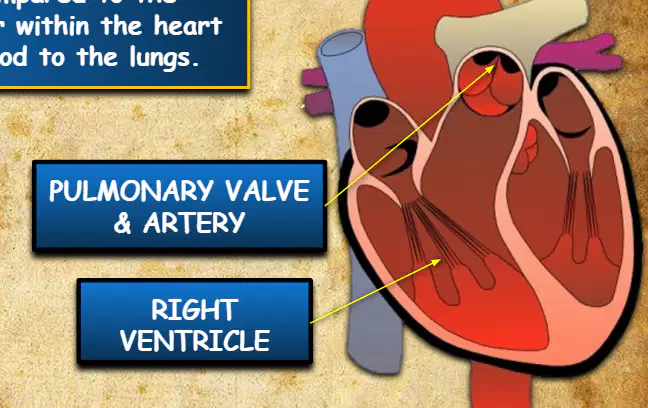
What is the primary function of the right ventricle in the heart?
To pump oxygenated blood to the body
To receive oxygenated blood from the lungs
To pump deoxygenated blood to the lungs
To receive deoxygenated blood from the body
How does the right ventricle of the heart differ from the left ventricle?
It has thicker muscular walls
It has thinner muscular walls
It pumps blood to the body
It receives blood from the lungs
From where does the right ventricle receive deoxygenated blood?
Left atrium
Right atrium
Pulmonary artery
Left ventricle
Through which valve does the right ventricle pump blood into the lungs?
Aortic valve
Mitral valve
Pulmonary valve
Tricuspid valve
What is the primary function of the pulmonary veins?
Transfer deoxygenated blood from the heart to the lungs.
Transfer oxygenated blood from the lungs to the heart.
Transfer oxygenated blood from the heart to the body.
Transfer deoxygenated blood from the body to the heart.
What makes pulmonary veins unique compared to other veins in the body?
They carry deoxygenated blood.
They carry oxygenated blood.
They carry blood to the lungs.
They carry blood to the body.
In the rest of the body, what type of blood do veins typically carry?
Oxygenated blood.
Deoxygenated blood.
Nutrient-rich blood.
Carbon dioxide-rich blood.
Where does the left atrium receive blood from?
Pulmonary veins from both lungs
Aorta
Superior vena cava
Inferior vena cava
Where is the left atrium located in the heart?
Lower left chamber
Upper right chamber
Upper left chamber
Lower right chamber
What type of blood does the left atrium receive?
Deoxygenated blood
Oxygenated blood
Mixed blood
Carbonated blood
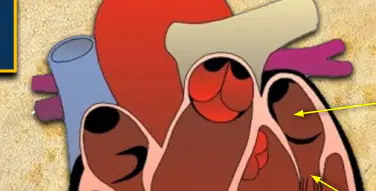
Through which valve does the left atrium pump blood into the left ventricle?
Tricuspid valve
Aortic valve
Mitral valve
Pulmonary valve
What is the primary function of the left ventricle?
To pump deoxygenated blood to the lungs
To pump oxygenated blood to tissues all over the body
To receive blood from the body
To store blood temporarily
How does the muscular wall of the left ventricle compare to that of the right ventricle?
The left ventricle has thinner walls
The left ventricle has thicker walls
Both have the same thickness
The right ventricle has thicker walls
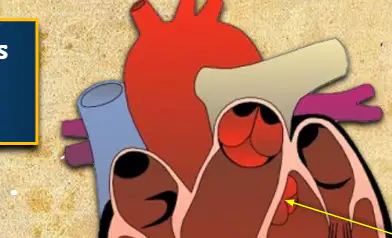
Through which valve does the left ventricle pump blood out?
Pulmonary valve
Mitral valve
Aortic valve
Tricuspid valve
What is the main function of the aorta?
To pump blood into the lungs
To carry oxygenated blood from the heart to the rest of the body
To filter blood
To store oxygen
Where does the left ventricle pump oxygenated blood?
Into the pulmonary artery
Into the aorta
Into the right atrium
Into the vena cava
Why is the aorta important for the body?
It stores nutrients
It provides oxygen-rich blood to the body
It removes waste from the blood
It regulates body temperature
What shape does the aorta form as it connects with other major arteries?
Circle
Square
Cane-shaped curve
Triangle

