
 Worksheets
Unit 2 Review
Total questions: 190
Worksheet time: 3hrs 35mins

What functional group is shown?
amino
hydroxyl
carboxyl
sulfhydryl

What functional group is shown?
hydroxyl
carboxyl
methyl
carbonyl

What functional group is shown?
carboxyl
carbonyl
hydroxyl
amino

What functional group is shown?
carbonyl
hydroxyl
carboxyl
amino

sulfhydryl
hydroxyl
amino
phosphate

What functional group is shown?
carboxyl
phosphate
hydroxyl
amino

What functional group is shown?
hydroxyl
amino
carboxyl
sulfhydryl
hydroxyl group


methyl group


carbonyl group


carboxyl group


amino group


phosphate group


sulfhydryl group


Which category of macromolecule could this be?
Most specific answer is correct.
Triacylglycerol
Protein
Steroid
lipid

What category of macromolecule are these? (Hint: Look at the ratio of C:H:O
Carbohydrates
Lipids
Proteins
Nucleic acids

This molecule is a:
(most specific answer is correct).
Steroid
Lipid
Protein
Carbohydrate

Each functional group is attached to an amino acid. If the functional group on the right was switched with an amino group, would the bond between the 2 still form?
Yes, because there is no difference in charges between any functional groups.
No, the amino group is negatively charged like the oxygen
Yes, the amino group's hydrogen will likely form a similar hydrogen bond.
No answer can be given with the information provided.

What properties would you expect this amino acid to possess?
Nonpolar hydrophobic
Nonpolar hydrophilic
Polar/acidic
Polar/basic

What characteristics would you expect this amino acid to have?
Polar/Hydrophobic
Polar/Hydrophilic
Nonpolar/Hydrophobic
Acidic/Polar

What (specifically) type of bond is shown in blue? (Between the C-N)
Peptide bond
Glycosidic linkage
Covalent bond
Hydrogen bond
Which of the following is TRUE of UNsaturated fats?
They are more common in animals than plants
They have double bonds in the carbon chains of their fatty acids
They generally solidify at room temperature
They contain more hydrogen than do saturated fats having the same number of carbon atoms.
The enzyme amylase can break the glycosidic linkages between glucose monomers only if the monomers are in (alpha) form. Which of the following could amylase break down?
Glycogen, starch, and amylopectin
Glycogen and cellulose
Cellulose and Chitin
Starch, chitin and cellulose
Which of the following categories includes all the others on the list?
Monosaccharide
Carbohydrate
Polysaccharide
Starch

Given what you know about the electronegativity of oxygen, predict which of the molecules shown in the figure below would be the stronger acid.
Molecule A
Molecule B
Which action could produce a carbonyl group?
the replacement of the hydroxyl of a carboxyl group with
hydrogen
the addition of a thiol to a hydroxyl
the addition of a hydroxyl to a phosphate
the replacement of the nitrogen of an amine with oxygen
the addition of a sulfhydryl to a carboxyl

Which structural groups does this molecule contain? (check all that apply)
Hydroxyl group
Amino group (amide)
Carboxyl
Carbonyl
Sulfhydryl

Choose the term that best describes the relationship between the 2 sugar molecules
Structural Isomers
Geometric isomers
Enantiomers
Isotopes

What macromolecule is pictured here?
Carbohydrate
Nucleic Acid
Protein
Lipid

What is the monomer of this macromolecule?
lipid
nucleic acid
carbohydrate
protein
fatty acid
What is the monomer of a carbohydrate?
fatty acid
amino acid
monosaccharide
nucleotide

What is this a picture of?
monomer: monosaccharide
monomer: amino acid
polymer: carbohydrate
polymer: protein
What is the name of the special type of bond found ONLY in proteins?
hydrogen
phosphate
peptide
ionic
The three parts of a nucleotide are.....
phosphate, amino acid, hydrogen
sugar, phosphate, N base
CHONPS
hydroxyl, phosphate and amine
The process of breaking down polymers into monomers is called....
metabolism
chemical reaction
dehyradation synthesis
condensation
hydrolysis

What is the name(s) of the functional group?
ketone, hydroxyl
carboxyl
carbonyl
amine

What is the name of this functional group?
carbonyl
ketone
aldehyde
carboxyl

How many monomers are shown here?
1
2
3
4
5
Which of the following is the correct pair of biomolecules and their monomers?
Carbohydrate: Fatty Acids
Protein: Amino acid
Lipid: Nucleotide
Nucleic Acid: DNA
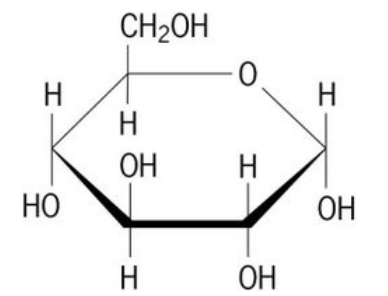
Olivia, Ava, and Maya are studying for their biology exam. They come across a picture of a biomolecule in their textbook. Olivia thinks it's a Protein, Ava thinks it's a Nucleic Acid, and Maya thinks it's a Lipid. However, the textbook says it's a Carbohydrate. Which biomolecule is shown in the picture according to the textbook?
Protein
Nucleic Acid
Lipid
Carbohydrate
Hemoglobin protein contains 2 polypeptides. If there is a mutation in DNA that substitutes an amino acid to produce sickle cell anemia hemoglobin, what level(s) of protein structure are affected?
all - primary, secondary, tertiary, quaternary
primary, secondary, tertiary
secondary and tertiary only
secondary, tertiary, and quaternary
Why does organic chemistry focus on the study of carbon containing compounds?
Carbon is the most abundant element on Earth
Carbon is the easiest element to study
Carbon is backbone of the 4 categories of biomolecules and is found in all living things.
Carbon makes up the largest percentage of living organisms mass
Which elements are found in carbohydrates?
C, H, O
C, H, O, N
C, H, O, P
C, H, O, N, P
Which elements are found in lipids?
C, H, O
C, H, O, N
C, H, O, P
C, H, O, N., P
Which elements are found in proteins?
C, H, O
C, H, O, N
C, H, O, P
C, H, O, N, P
Which elements are found in nucleic acids?
C, H, O
C, H, O, N
C, H, O, P
C, H, O, N, P
What are the structural difference between DNA and RNA?
DNA is double stranded, RNA is single stranded
DNA contains thymine, RNA contains uracil
DNA contains deoxyribose sugar, RNA contains ribose sugar
All of the above
What type of bond holds amino acids together?
Glycosidic bond
Ester bond
Peptide bond
Phosphodiester bond
What type of bonds link monomers in biological polymers?
Ionic bonds
Metallic bonds
Hydrogen bonds
Covalent bonds
In a DNA molecule, what type of bond binds adenine and thymine together?
Peptide bonds
Hydrogen bonds
Covalent bonds
Disulfide bridges
What is the primary function of nucleic acids?
They store genetic information.
Movement and catalyzing chemical reactions
They are the main source of cellular energy.
Insulation and energy storage
How do monomers combine into polymers?
A molecule of water is added to the monomers forming a new hydrogen bond
A molecule of water is removed between the two monomers, and a covalent bond is formed
They form hydrogen bonds between their polar functional groups.
One monomer takes electrons from the other and they form an ionic bond
How do organisms breakdown polymers into monomers?
By digesting them with powerful enzymes
Through the process of reverse osmosis
By removing water from the polymer, which makes the chain dry and brittle
By adding a molecule of water between the monomers separating them

What did the Miller-Urey experiment discover?
That life on Earth started from simple cells
The organisms pass their genetics down to the next generation of organisms in predictable patterns
That DNA was a double helix molecule
That amino acids can form from non-biological chemical reactions
What is the strongest type of bond found in a protein?
Peptide bond
Disulfide bridge
Van der Waals interactions
Hydrogen bond
What are the DNA base pairing rules?
A - C ; T - U
A - T ; G - C
A - G ; T - C
A - U; G - C
How will altering a protein's primary structure affect its final structure?
An altered primary structure changes every level of structure above it, most likely rendering the protein non-functional
Primary structure does not influence the structure of the protein
The secondary structure will be altered as will but the other levels will remain the same
What biomolecules contain nitrogen?
Proteins and Nucleic acids
Carbohydrates and Lipids
Nucleic acids and Carbohydrates
Lipids and Proteins
What is the primary structure of a protein?
The interaction of multiple polypeptide chains
Folding caused by environmental interactions with the R-groups of the amino acids
The sequence of amino acids
Hydrogen bonds forming between the carbon skeletons of the amino acids
What is the secondary structure of a protein?
The sequence of amino acids
Folding caused by environmental interactions with the R-groups of amino acids
Hydrogen bonds forming between carbon skeletons, creating alpha helixes and beta pleats
Combining of multiple polypeptide chains to form 1 protein
What is the tertiary structure of a protein?
The sequence of amino acids
Folding caused by hydrogen bonds forming between the carbon skeletons
Multiple polypeptides combining to form one protein
Folding caused by environmental interactions with the amino acid R-groups
What is the quaternary structure of a protein?
The sequence of amino acids
When multiple polypeptide chains combine to form one protein
Hydrogen bonds forming between the carbon skeletons of amino acids
Environmental interactions with the R-groups of amino acids
Which of the following best summarizes the relationship between dehydration reactions and hydrolysis?
Dehydration reactions assemble polymers, and hydrolysis reactions break down polymers.
Dehydration reactions eliminate water from lipid membranes, and hydrolysis makes lipid membranes water permeable
Dehydration reactions can occur only after hydrolysis.
Dehydration reactions ionize water molecules and add hydroxyl groups to polymers; hydrolysis reactions release hydroxyl groups from polymers
What is the function of a carbohydrate?
(Why do I need this before a workout?)
Quick or short term energy
Movement
Stores genetic information
Long term or stored energy

Nucleic acids are made up of nucleotides. What is the structure of a nucleotide?


Thermal energy generated by the metabolism in these types of organisms maintains homeostatic body temperature
ectothermic
endothermic
photosynthetic
autotrophic

Which list most accurately includes the elements found in nucleic acids?
carbon, hydrogen
carbon, hydrogen, oxygen
carbon, hydrogen, oxygen, and phosphorous
carbon, hydrogen, nitrogen and phosphorous

The monomers that make up enzymes are
monosaccharides
disaccharides
fatty acids
amino acids

Cellulose and starch differ because
starch is a polysaccharide and cellulose is a monosaccharide
Cellulose is a polysaccharide and starch is a monosaccharide
Cellulose is a polysaccharide and starch is a polysaccharide but they each have different types of bonds
Cellulose is used to store food while starch is used for structure in the plant
Which of the following is a false statement regarding DNA?
Each chromosome has one very long DNA molecule with hundreds of thousands of genes.
Every cell is enclosed by a membrane.
Every cell uses DNA as its genetic information.
All forms of life are composed of cells that have a membrane-enclosed nucleus.

Which of the following statements correctly describes the difference between saturated and unsaturated fats?
Saturated fats tend to be solid at room temperature; unsaturated fats are liquid at room temperature
Saturated fats are cannot pack together closely because of their bent structure; unsaturated fats can pack together because they are flat
Saturated fats come from plants and fish; unsaturated fats are from animals (except fish)
Saturated fats are considered “healthy” fats; unsaturated fats may contribute to cardiovascular disease

In eukaryotic cells, which organelle generates energy for the cell?
golgi apparatus
mitochondria
chloroplast
vacuole
rough endoplasmic reticulum
In eukaryotic cells, which part stores genetic information?
nucleolus
nucleus
vacuole
nucleoid region
Which of the following are true about the rough endoplasmic reticulum? (check all that apply)
Found prokaryotic and eukaryotic cells
Embedded with ribosomes
Modify and transport proteins
Synthesis lipids
Detoxifies the cell
Which of the following are true about the cell membrane? (check all that apply)
Found prokaryotic and eukaryotic cells
Controls what enters the cell
Controls what leaves the cell
Made of phospholipids
Serves as an impermeable barrier

In plant cells, what organelle is used to store nutrients and water?
lysosome
vacuole
chloroplast
golgi apparatus
In plant cells, what organelle gives the cell structure and protects the cell?
cell membrane
vacuole
golgi apparatus
cell wall
In plant cells, where does photosynthesis occur?
chloroplast
vacuole
nucleolus
cell wall

In eukaryotic cells, which organelle is a specialized vesicle containing hydrolytic enzymes that can break down old cell parts and food.
vacuole
mitochondria
golgi apparatus
nucleolus
lysosome
In eukaryotic cells, what structure is made up of uncoiled and uncondensed DNA and proteins.
chromosome
nucleus
nucleolus
chromatin
cytoskeleton
In eukaryotic cells, what organelle produces the building blocks of ribosomes?
smooth endoplasmic reticulum
nucleus
nucleolus
cytoskeleton
rough endoplasmic reticulum
A researcher observes a cell from a adrenal gland under an electron mictoscope. Adrenal glands produce several type of steroid hormones. What should the researcher expect to see in the cell?
a high number of mitochondria
large prominent rough ER
large prominent smooth ER
a high number of centrioles
In a slide from an intestinal lining, the histologist finds both bacteria and intestinal cells. Which of the following would be accurate?
the histologist would notice a dark nucleus in the intestinal cell and the bacteria cell
the histologist would only notice a nucleus in the intestinal cell
Neither the intestinal cell nor the bacteria would have a nucleus
both of them have a nucleus but the bacteria have only one chromosome
Fluoresently labeled amino acids are used in an experiment in pancreas cells which secrete protein hormones. Which of the following correctly places the organelles using the amino acids in the right order?
mitochondria , Rough ER, ribosomes, nucleus, smooth ER
ribosomes, Rough ER, vesicle, Golgi body, outside the cell
smooth ER , ribosomes, mitochondria, outside the cell
ribosomes, smooth ER, lysosomes, outside the cell
Which of the following cells would most likely have the greatest concentration of densely packed rough endoplasmic reticulum?
An amoeba engulfing small ciliates
A bioluminescent bacterial cell
A pancreatic cell engaged in the production of digestive enzymes
A functional cell at maturity functioning in transporting hormones
All of the following are evidence of endosymbiosis EXCEPT
mitochondria and chloroplast ribosomes are similar to bacterial ribosomes
mitochondria and chloroplast have double membranes
mitochondria and chloroplast are similar in size to bacteria
mitochondria and chloroplast have a nucleus
Which kind of cell is prokaryotic, may or may not have a cell wall, and has no membrane bound organelles?
Animal
Bacteria
Fungi
Plant
Major component of the lipid bilayer cell membrane.
Cholesterol
Channel Proteins
Phospholipids
Glycolipid/glycoprotein complexes
The point of organelles such as the mitochondria, golgi, ER, etc. all having membranes is to ...
Provide extra protection to those critical organelles
Increase surface area for materials transport
Prevent hazardous materials from escaping the organelles and damaging the rest of the cell
All of the above
Which of the following is true about the cytoskeleton? (check all that apply)
A hard protective covering for the cell
Provides reinforcement of the cell's shape
Contains thin filaments that allow contraction of the muscle cells
A mesh of protein fibers
Stores calcium ions
In eukaryotic cells, which organelle is a specialized vesicle containing hydrolytic enzymes that can break down old cell parts and food.
vacuole
mitochondria
golgi apparatus
nucleolus
lysosome
Tay–Sachs disease is a human genetic abnormality that results in cells accumulating and becoming clogged with very large, complex, and undigested lipids. Which cellular organelle must be involved in this condition?
the endoplasmic reticulum
the Golgi apparatus
the lysosome
mitochondrion
membrane–bound ribosomes
Vesicles with digestive enzymes.
Lysosomes
Peroxisomes
Vacuoles
Ribosomes
Fill in the blank:
Osmosis is the movement of ________ across a cell membrane from high to low.
Carbon dioxide
Starch
Water
Oxygen
During osmosis
water moves from high to low concentration
large or oddly shaped molecules move across a cell membrane
water moves when energy is used
proteins are built
Which molecule cannot passively diffuse across a cell membrane?
Oxygen
H+ Ions
carbon dioxide
water
What is the process by which water moves through a selectively permeable membrane?
Diffusion
Active transport
Osmosis
Endocytosis
In which direction does water move in osmosis?
From an area of high water concentration to low water concentration
From an area of low water concentration to high water concentration
From an area of high solute concentration to low solute concentration
From an area of low solute concentration to high solute concentration
What is the main driving force behind osmosis?
Gravity
Concentration gradient
Temperature
Pressure
What would happen if a cell is placed in a hypertonic solution?
The cell will swell
The cell will shrink
The cell will remain the same size
The cell will divide
Which of the following is not a factor that affects the rate of osmosis?
Concentration gradient
Temperature
Surface area of the membrane
Color of the solution

What is the role of ribosomes?
To store genetic information.
To produce glycolipids.
To synthesize proteins.
To hydrolyze waste materials.
Which of the following is not found in all forms of life, and therefore is not evidence of the common ancestry of life?
Nuclei
Ribosomes
Plasma Membranes
Cytosol

Which of the following is a function of the Golgi apparatus?
Detoxification of the cell and lipid synthesis.
Protein and rRNA synthesis.
Synthesis of chemical energy (adenosine triphosphate).
Chemical modification of newly synthesized proteins before they are packaged for trafficking to other parts of the cell or outside of the cell.
Which of the following membrane-bound organelles is responsible for hydrolysis (using enzymes to break down macromolecules)?
Vacuoles
Chloroplasts
Lysosomes
Peroxisomes
Which of the following is a reason that cells are so small?
Cells are small because they want to maximize their surface area-to-volume ratio.
Cells are small because they want to maximize their volume-to-surface area ratio.
Cells are small because they need to produce extremely small macromolecules.
Cells are small because they prefer to work together in clusters of many thousands that wouldn't otherwise fit anywhere.

Which of the following correctly describes hydrophobic and hydrophilic regions of the cellular membrane?
The hydrophobic region is made of phosphates, and the hydrophilic region is made of lipids.
The hydrophobic region is 'water-loving', and the hydrophilic region is 'water-fearing'.
The hydrophobic region is polar, and the hydrophilic region is non-polar.
The hydrophobic region faces inward in the interior of the membrane, the hydrophilic region faces outwards towards the aqueous environment.
Which of the following is the correct name of the model that describes the structure of the cell membrane?
The Fluid Molecular Model
The Free Molecular Model
The Fluid Mosaic Model
The Free Mosaic Model
Which of the following is a difference between passive and active transport?
Passive transport moves molecules against their gradient, while active transport moves molecules with their gradient.
Passive transport moves molecules with a direct input of energy, while active transport moves molecules without a direct input of energy.
Passive transport moves molecules non-spontaneously, while active transport moves molecules spontaneously.
Passive transport moves molecules without a direct input of energy, while active transport moves molecules with a direct input of energy.
What is the primary role of aquaporins?
To transport water across the membrane.
To change the state of water from gas to liquid.
To pump water into the mitochondria for cellular respiration.
To use water for hydrolytic purposes.
Which of the following describes a solution that has a higher concentration than the internal environment of the cell?
Hypotonic
Isotonic
Hypertonic
Transtonic
If a cell is placed in a hypotonic solution, what is likely to happen to it over time?
The cell will swell, as water flows into the cell.
The cell will not change, as it will be at dynamic equilibrium.
The cell will lyse, as water bursts the cell.
The cell will shrink, as water flows out of the cell.
Which of the following describes the endosymbiotic theory?
A prokaryotic cell engulfed several other types of smaller prokaryotic cells, and eventually its compartmentalization made the cell eukaryotic.
A eukaryotic cell engulfed several other types of smaller prokaryotic cells, and eventually its compartmentalization made the cell prokaryotic.
A prokaryotic cell engulfed several other types of smaller eukaryotic cells, and eventually its compartmentalization made the cell eukaryotic.
A eukaryotic cell engulfed several other types of smaller eukaryotic cells, and eventually its compartmentalization made the cell prokaryotic.
What would happen if a cell is placed in a hypertonic solution?
The cell will swell
The cell will shrink
The cell will remain the same size
The cell will divide
What is the main driving force behind osmosis?
Gravity
Concentration gradient
Temperature
Pressure
In which direction does water move in osmosis?
From an area of high water concentration to low water concentration
From an area of low water concentration to high water concentration
From an area of high solute concentration to low solute concentration
From an area of low solute concentration to high solute concentration
What is the process by which water moves through a selectively permeable membrane?
Diffusion
Active transport
Osmosis
Endocytosis
Which molecule cannot passively diffuse across a cell membrane?
Oxygen
H+ Ions
carbon dioxide
water
Which of the following is not a factor that affects the rate of osmosis?
Concentration gradient
Temperature
Surface area of the membrane
Color of the solution
What is the solute potential also known as?
Osmotic potential
Pressure potential
Water potential
Turgor pressure


Which cell is in a hypertonic environment?
A
B
C
None of them are hypertonic
Assuming that the purple molecules are too large to pass through the membrane, what would happen to the water level as a result of osmosis?
The water level would rise on the A side
The water level would rise on the B side
The water level would remain constant
The water level would drop on the A side.
An animal cell lacking in carbohydrates on the external surface of its plasma membrane would likely be impaired in which function?
transporting ions against an electrochemical gradient
cell-cell recognition
attaching the plasma membrane to the cytoskeleton
establishing a diffusion barrier to charged molecules
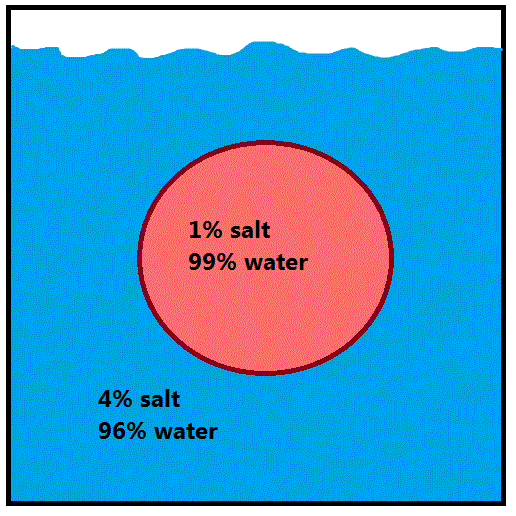
Where will the water go?
Into the cell
Out of the cell
Equally in & out - it's isotonic
There is no water
What is the primary function of the sodium-potassium pump in cell membranes?
A) To transport glucose into the cell
B) To maintain the cell's membrane potential
C) To facilitate the diffusion of water
D) To synthesize ATP
Which of the following best describes the role of the sodium-potassium pump in cell transport?
It moves sodium ions into the cell and potassium ions out of the cell
It moves potassium ions into the cell and sodium ions out of the cell
It moves both sodium and potassium ions into the cell
It moves both sodium and potassium ions out of the cell
A red blood cell is placed in a solution with a higher concentration of solutes than the cell itself. What will happen to the cell?
It will swell and burst
It will shrink
It will remain the same size
It will become turgid
Which of the following membrane activities requires energy from ATP?
Facilitated diffusion of chloride ions through a chloride channel.
Movement of Na+ ions from lower concentration in a mammalian cell to a higher concentration in the extracellular fluid.
Movement of glucose molecules into a bacteria cell from a medium containing a higher concentration of glucose than inside the cell.
Movement of carbon dioxide out of a paramecium.
The movement of molecules against a concentration gradient
simple diffusion
facilitated diffusion
active transport
osmosis
Which is true about active transport?
It requires energy
it does not require energy
It moves substances down the concentration gradient
it moves material from high to low concentration
Match the following vocabulary terms and definitions.
Same concentration; the solution and cell have equal concentration of solutes (particles), so water moves equally between the cell and solution.
Isotonic
Low concentration; the solution has less solutes than the cell, causing water to move into the cell and out of the solution.
Hypotonic
High concentration; the solution has more solutes than the cell, causing water to move out of the cell and into the solution.
Hypertonic
Our current understanding of the structure of the membrane of a cell is called the:
Fluid Mosaic Model
Phospholipid Mosaic Model
Glycophosphosaic Model
Mosaic of Phopholipid Proportions
Active transport uses ____ to provide the energy to move substances _______
ATP / Against their concentration gradients
ATP / With their concentration gradients
Glucose / Against their concentration gradients
Glucose / With their concentration gradients
Water / Towards a lower water potential
The combination of the two forces which drive the diffusion of substances across a cell membrane is called the:
Electrochemical Gradient
Electroconcentrational Gradient
Electric Driving Force
Chemical Concentration Gradient

Liver cells are specialized cells that carry out a multitude of tasks, including the synthesis of cholesterol and the breakdown of protein metabolites. These cells would be expected to contain a large proportion of which organelle relative to all others?
smooth ER
rough ER
golgi
nucleolus
Which of the following is evidence to support the endosymbiotic theory?
Mitochondria and chloroplasts have their own DNA, which is similar to prokaryotic DNA.
Fossil evidence shows that the first forms of life were prokaryotic cells.
All eukaryotic cells have a double-layered membran composed of phosplipids and proteins.
Prokaryotes have the same number and types of enzymes as eukaryotes.

Keratin is a protein found in hair. Where in a cell is keratin made?
nucleus
vacuole
ribosomes
mitochondria

This model shows a cell being engulfed by a larger cell. A scientist claims that this smaller cell originated from a free-living prokaryotic cell. What evidence best supports the scientist's claim?
The organelle has a phospholipid membrane
The organelle has proteins in the membrane
The organelle has a double membrane
The organelle has an aqueous environment inside
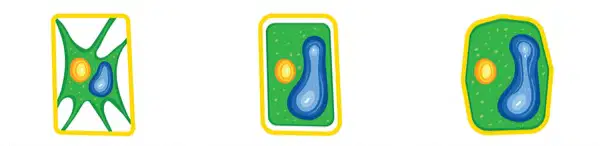
Three plant cells are shown. The first cell was placed in a sugar solution, the second cell was placed in pond water, and the third cell was placed in distilled water. Which statement is accurate about the observations represented in the diagram.
Cell 1- net movement of sucrose out of the cell
Cell 3-net movement of sucrose into the cell
Cell 1- net movement of sucrose into the cell
Cell 3- net movement of sucrose out of the cell
Cell 1- net movement of water out of the cell
Cell 3- net movement of water into the cell
Cell 1- net movement of water into the cell
Cell 3- net movement of water out of the cell
Releases energy
endothermic reaction
exothermic reaction
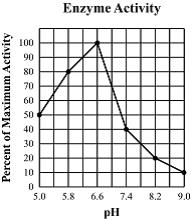
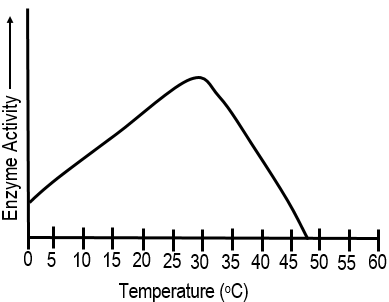
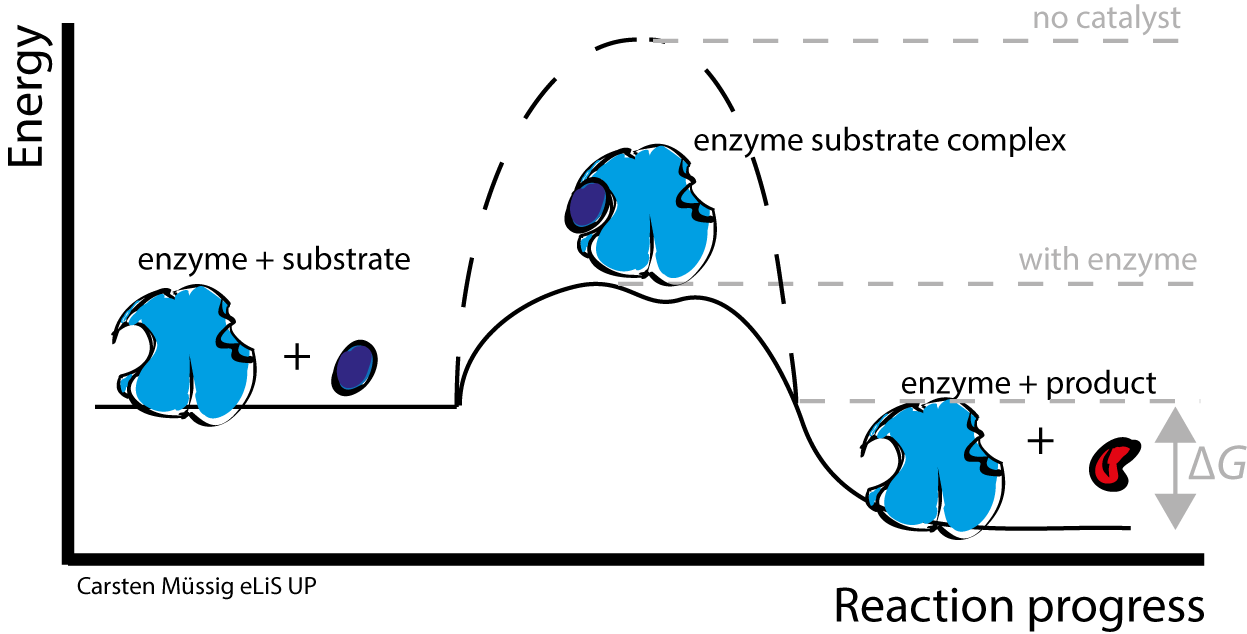
What happens when enzymes are heated to a high temperature?
The enzymes die.
The shape of the enzyme are changed and it denatures
The enzymes' amino acid sequence changes.
The enzymes remain the same



