
 Worksheets
Parliamentary Laws and Regulations Quiz
Total questions: 19
Worksheet time: 10mins
Who approves regulations, making them law?
The President
The Prime Minister
Parliament
The Supreme Court
Which of these regulations are real
Food Regulations 2005
Water Regulations 1999
Electrical Regulations 2003
Construction Regulations 2019
What does ACOP stand for in the context of health and safety law?
Approved Code of Practice
Authorized Code of Procedure
Accredited Code of Policy
Acknowledged Code of Protocol
Who does an ACOP apply to
Anyone with a duty of care
Only employers
Only employees
Government officials
The Health and Safety at Work Act aims to control which of the following?
Employee turnover
Dangerous substances
Marketing strategies
Financial investments
Under which committee do the HSE and Local Authority work together?
Health and Safety Executive/Local Authorities Enforcement Liaison Committee (HELA)
Health and Safety Management Committee
Local Health and Safety Board
Executive Safety Committee
What might trigger a prosecution by Health and Safety Inspectors?
Failure to comply with an improvement or prohibition
Late submission of reports
Employee complaints
High employee turnover
What is the purpose of an improvement notice?
To resolve points of difference
To increase company profits
To hire more employees
To change business location
What is the responsibility of a principal contractor?
To design the construction project
To carry out construction work
To plan, manage, and coordinate the construction phase
To finance the construction project
For projects with more than one contractor who is responsible for domestic client duties
The contractor
The client
The principal contractor
The architect
What is one of the responsibilities of employees regarding health and safety?
Ignore safety protocols
Take reasonable care of their own and others' health and safety
Create new safety policies
Provide safety training
What should employees not do in relation to health and safety?
Follow all safety procedures
Recklessly interfere with anything that may affect health and safety
Report safety hazards
Wear protective gear
Which of the following is NOT typically included in a designer's responsibilities?
Drawings
Design details
Construction site management
Bills of quantity
Who can be considered a designer in the context of construction projects?
Architects
Construction workers
Project managers
Financial advisors
What is the primary focus of a designer's work in construction?
Financial management
Design preparation and modification
Labor supervision
Marketing strategies
Under which act are the Electricity at Work Regulations made?
Health and Safety at Work Act 1974
Electricity Safety Act 1989
Workplace Safety Act 1990
Electrical Conductors Act 1985
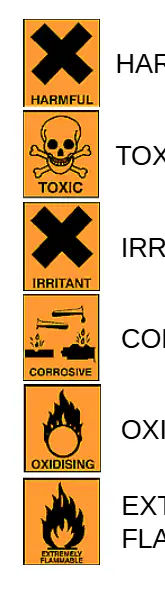
What does the 'Corrosive' symbol indicate?
Substance can cause burns
Substance is harmless
Substance is edible
Substance is fragrant
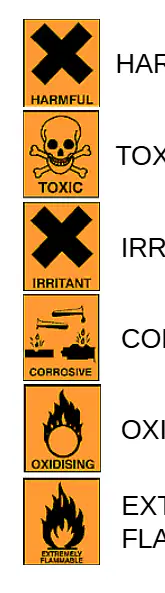
What does the 'Harmful' symbol indicate?
May cause health effects
Safe for all uses
Enhances appearance
Non-toxic
Which of the following is NOT a part of COSHH regulations?
Training and information
Financial investment
Risk assess
Precautions

