
Font size
 Worksheets
Physical Science FINAL Brain Drain
Total questions: 40
Worksheet time: 3600secs
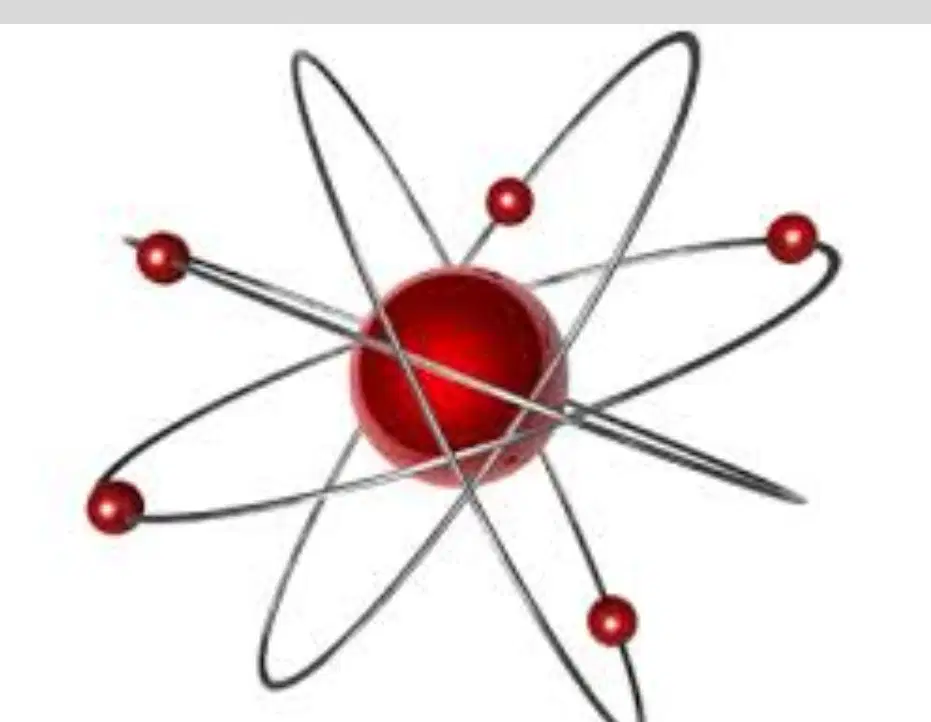
Fill in the blank: (a) are the basic building blocks of almost all the matter around you. (Refer to the image of the atom model below.)
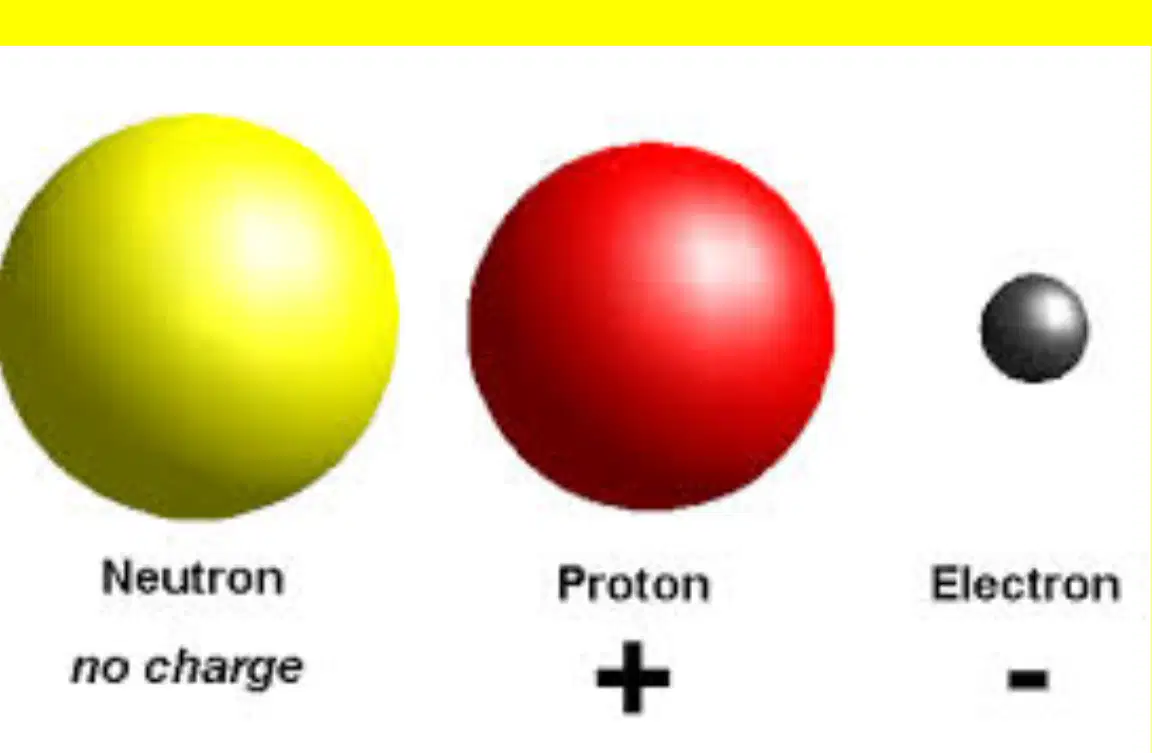
Based on the diagram, what type of charge does an electron have?
(a)
According to the diagram, what is the particle in the nucleus that is electrically neutral?
(a)

According to the diagram, what is the charge of a proton?
(a)
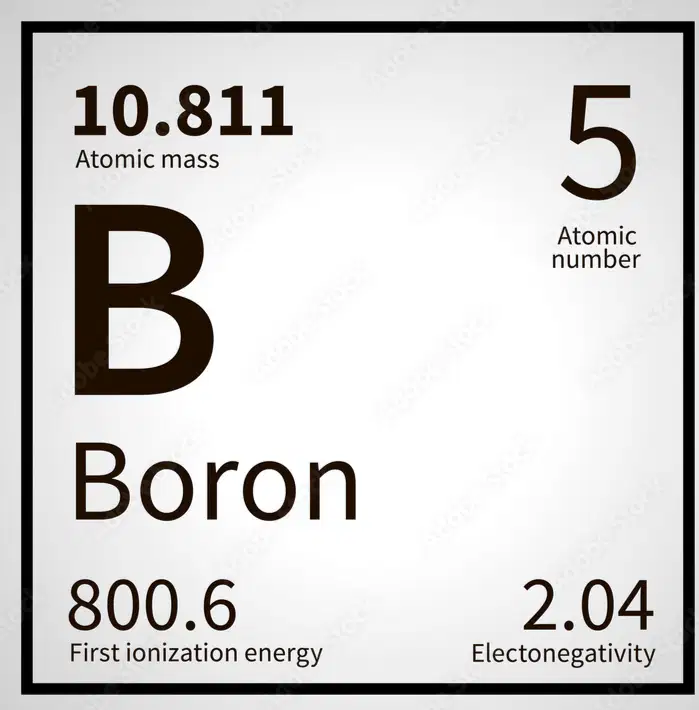
Slide 6 - This is the term for how many protons and neutrons are present in an atoms nucleus.
(a)
Slide 8: An (a) is a substance that cannot be broken down into simpler substances.
Slide 9: (a) are pure substances made up of 2 or more different elements.
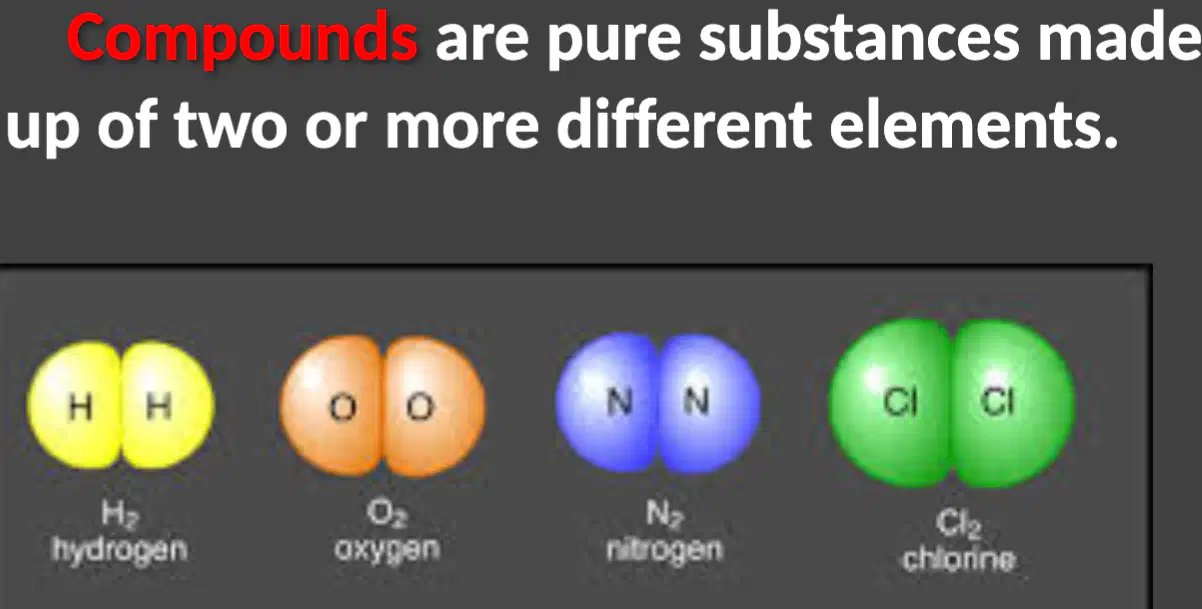
SLIDE 9: Based on the diagram, is the (a) (Hydrogen) is a (b) because it is made from (c) atoms of the same element .

SLIDE 10: The atomic number of a substance is the number of (a) it has inside the nucleus.
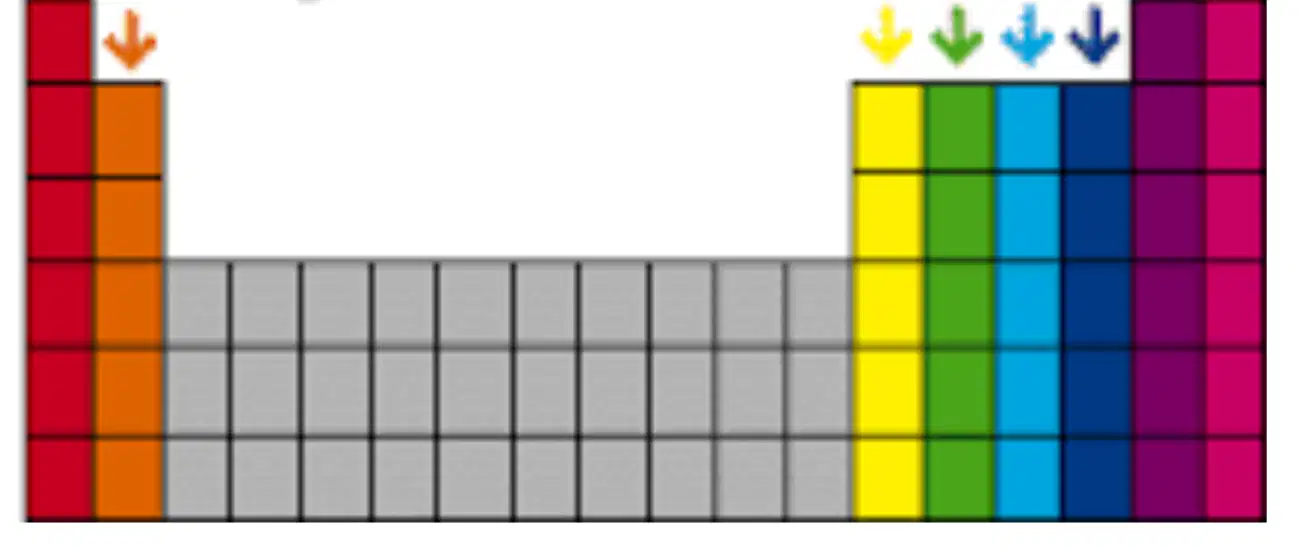
Slide 11: The vertical column in the periodic table is called a (a) .
Slide 12: What is the elements name that uses the symbol C?
(a)
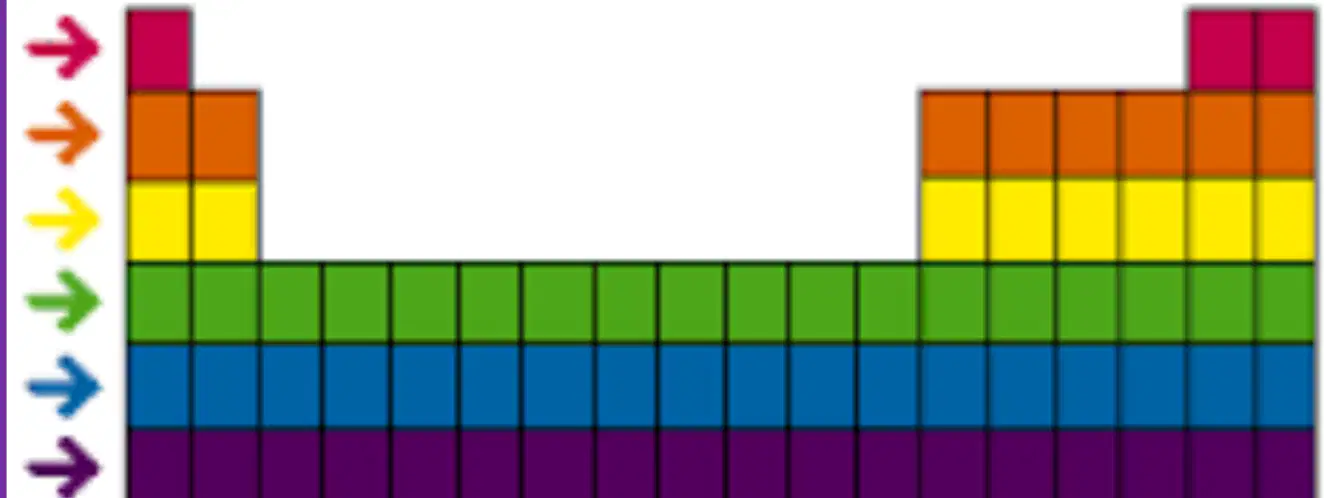
Slide 19: Each horizontal row in the periodic table is called a (a) .
Slide 20: Atom with the same number of protons and different number of neutrons of the same element is an (a) .
Slide 24: What is the chemical symbol for water?
(a)

Slide 25: What is a negatively charged particle that flows through a circuit?
(a)
Slide 27: An acid is a compound that tastes (a) , reacts with metals and turns blue litmus red.
Slide 28: A base is a compound that tastes bitter, feels (a) and turns litmus blue.
Slide 29: A metal that is easily hammered is said to be (a) .
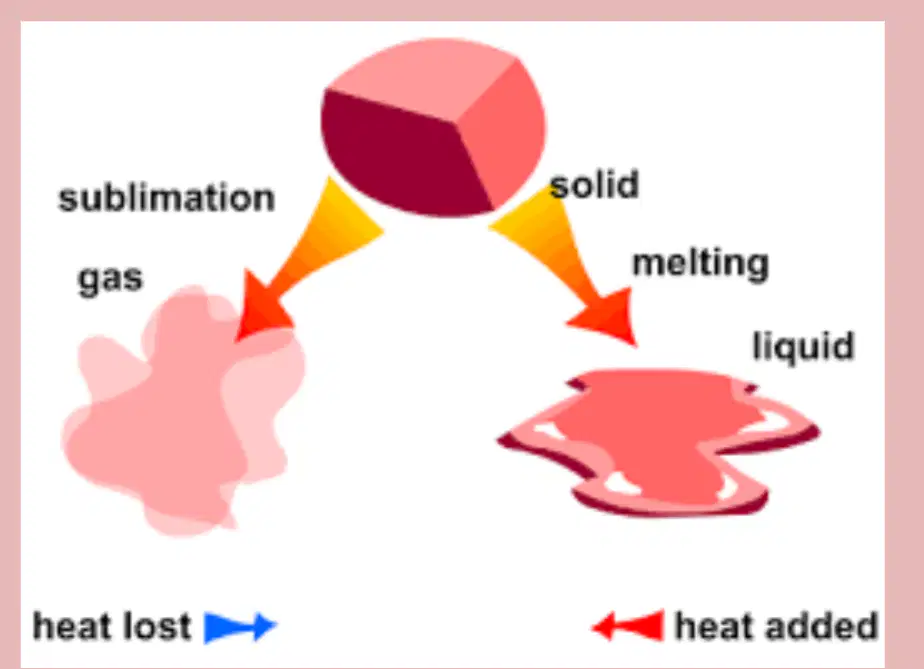
Slide 30: Phase change from solid directly to gas is called ________.
(a)
Slide 31: The process in which a liquid (a) to a gas is called _________.
(b)

Slide 32: Color, hardness, magnetism, and state are (a) properties.
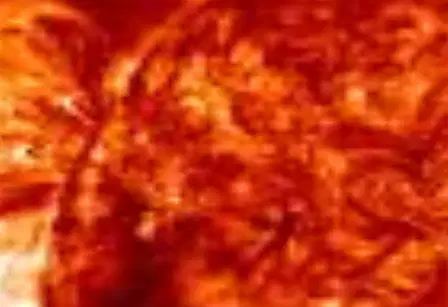
Slide 33: The fourth state of matter is known as _______.
(a)
Slide 34: A _______ change is when one substance is (a) into another. An example would be (b) changing into (c) peroxide
(d)
Slide 35: What states that matter cannot be created nor destroyed?
The Law of Inertia
The Law of Relativity
The Laws of Motion

Slide 36: Fill in the blank: (a) is change in an object's position over time.
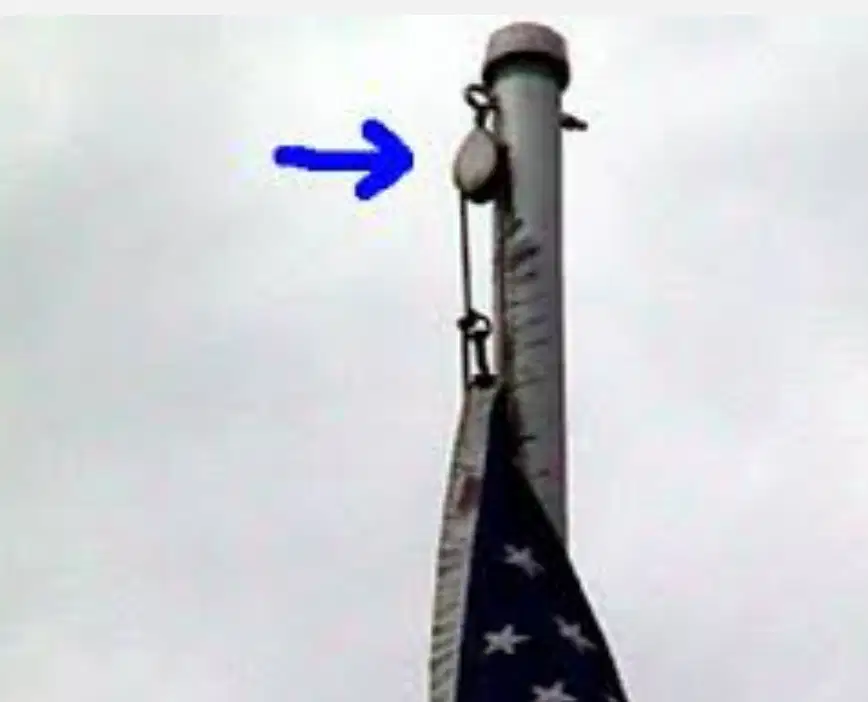
Slide 38: What type of simple machine is used to pull a flag up a flag pole?
(a)
Slide 40: (a) is a measure of distance traveled per unit of (b)

Slide 41: Speed in a particular (a) is called (b)

Slide 43: A push or a pull is an example of (a)
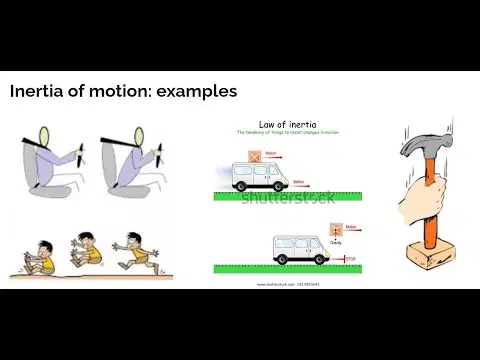
Slide 46: The Law of (a) states that it is the (b) of an object to (c) a change in (d)
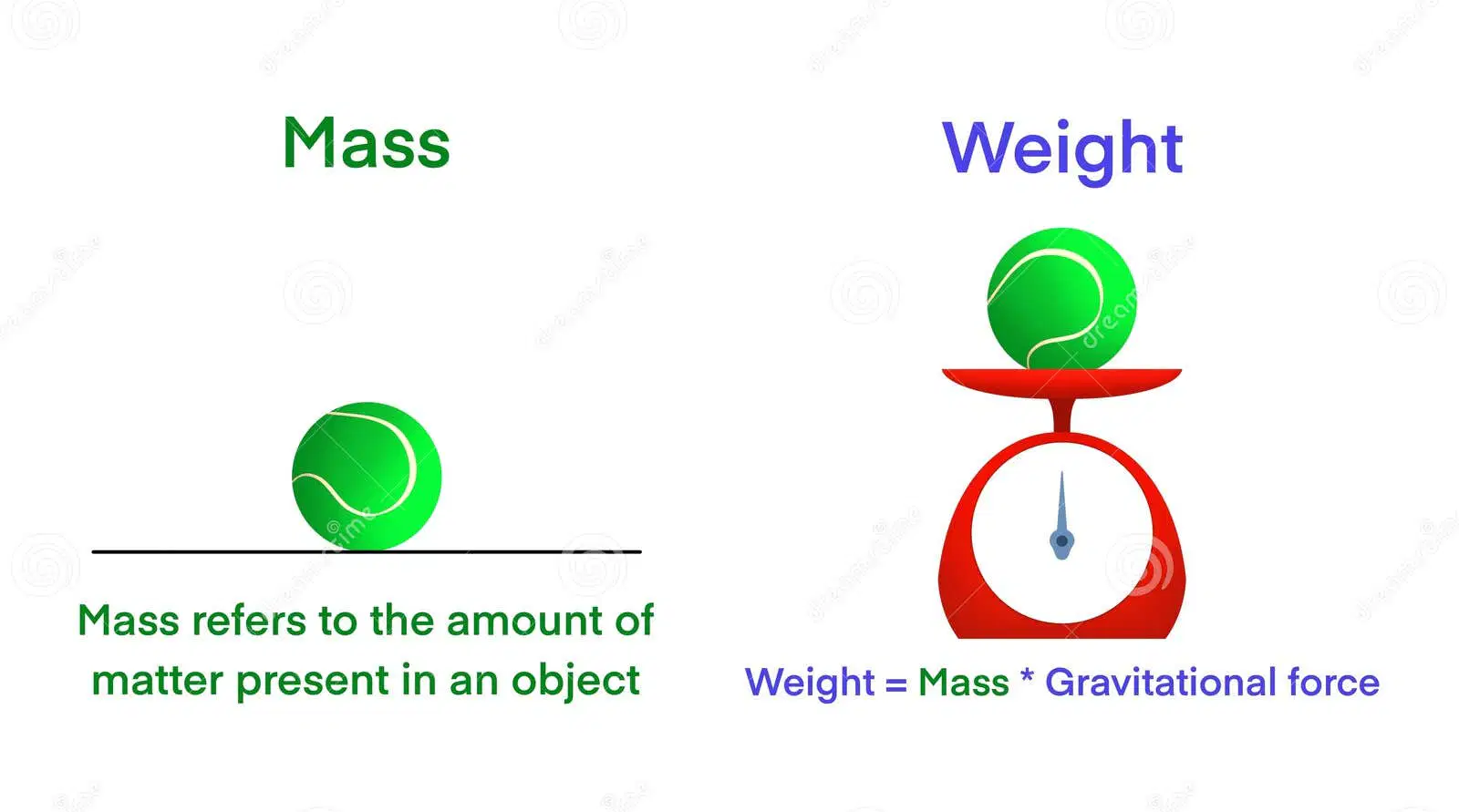
Slide 47: Mass is the amount of ____ in an object.
mass
matter
weight
gravity
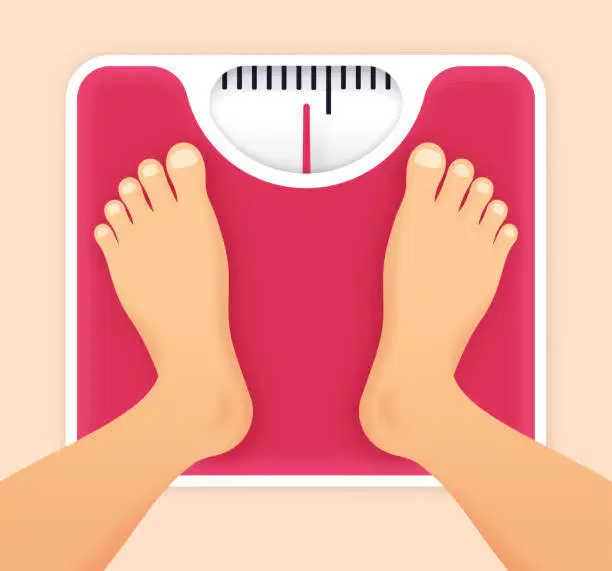
Slide 48: (a) measures the force of (b)

Slide 50: (a) is a force that (b) other objects towards each other.

Slide 55: What is the vocabulary word that means the ability to do work?
energy
inertia
force
atoms
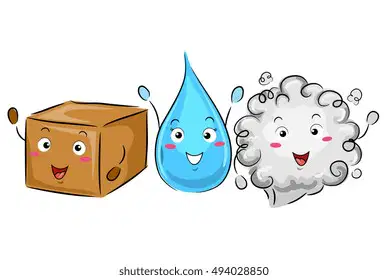
Slisw 56: In which state of matter are molecules able to move around freely?
plasma
gas
liquid
solid

Slide 68: What is the vocabulary term for a force that opposes the motion of an object?
friction
magnetism
sandpaper
bumpy road
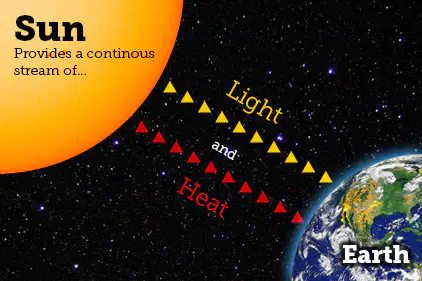
Slide 69: What is the process by which heat energy gets to Earth by the Sun?
(a)
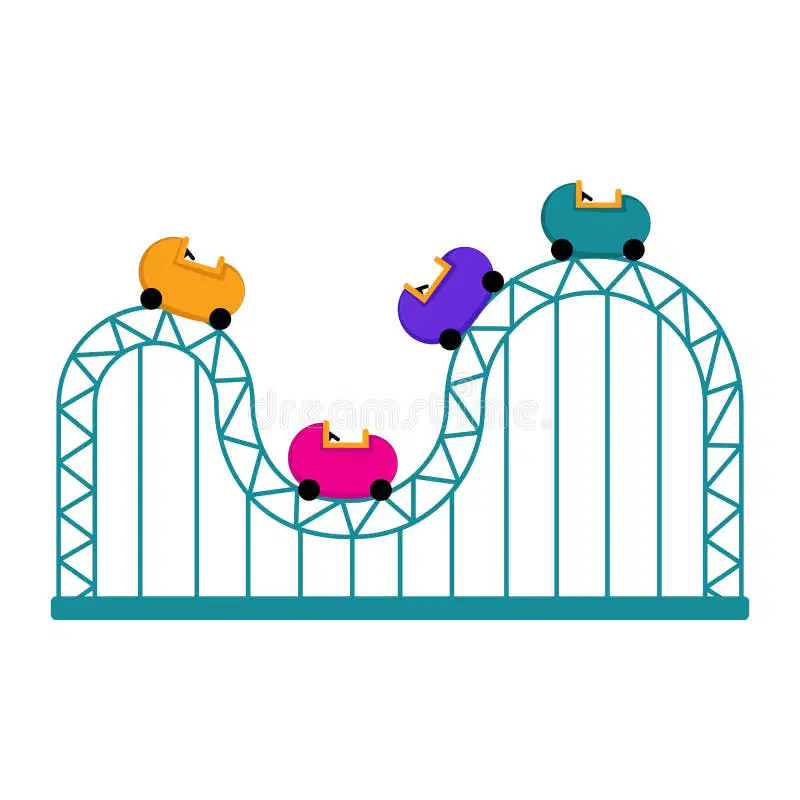
Slides 70 & 71: A ride at the top of the roller coaster is an example of (a) energy and the ride in motion is an example of (b) energy.
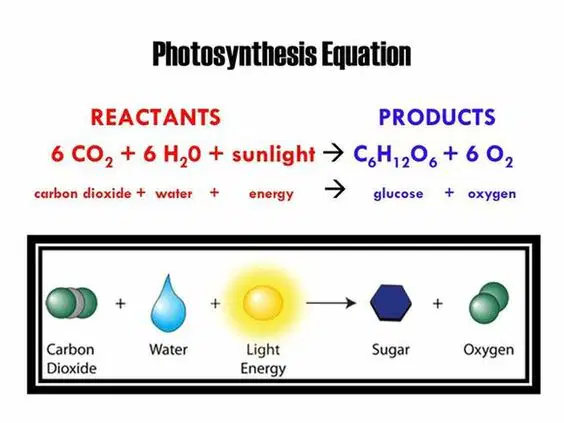
Slides 75 & 76: The (a) are the substances you begin with and a (b) are the new substances you end with.
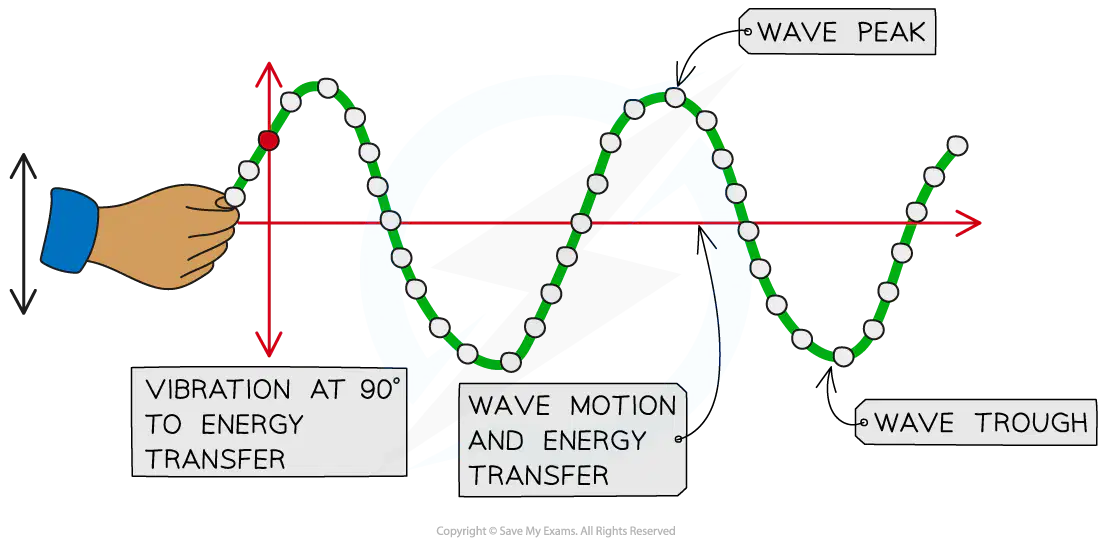
Slide 93: What do waves transfer?
(a)

