
NEW
Font size
 Worksheets
Visual Arts Comp. II Final Exam Art History Review
Total questions: 73
Worksheet time: 37mins
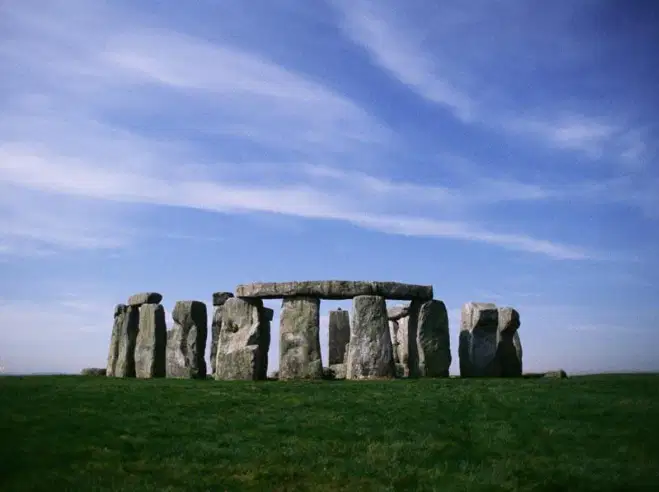
What is the title of the monument shown in the learning material?
Stonehenge
The Parthenon
The Colosseum
The Great Wall
During which time period was Stonehenge constructed?
Pre-historic
Medieval
Renaissance
Modern
Around what year was Stonehenge constructed?
2000 BC
500 AD
1500 BC
1000 AD
What is the round grouping of stones at Stonehenge called?
Cromlech
Obelisk
Pyramid
Ziggurat
Who is the artist of Stonehenge?
Unknown
Leonardo da Vinci
Michelangelo
Pablo Picasso
What is the title of the structure designed by Iktinus and Kallikrates?
Colosseum
Parthenon
Pantheon
Temple of Zeus
In which city is the Parthenon located?
Rome, Italy
Alexandria, Egypt
Athens, Greece
Istanbul, Turkey
The Parthenon is an example of which style of columns?
Ionic
Corinthian
Doric
Tuscan
During which period was the Parthenon built?
Hellenistic Period
Classic Period
Medieval Period
Renaissance Period
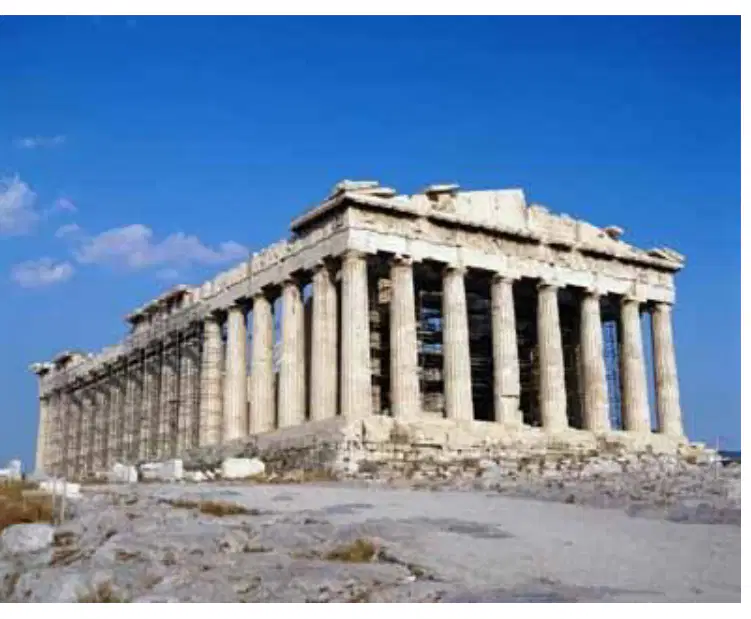
Between which years was the Parthenon constructed?
500-480 BC
447-432 BC
300-250 BC
100-50 BC
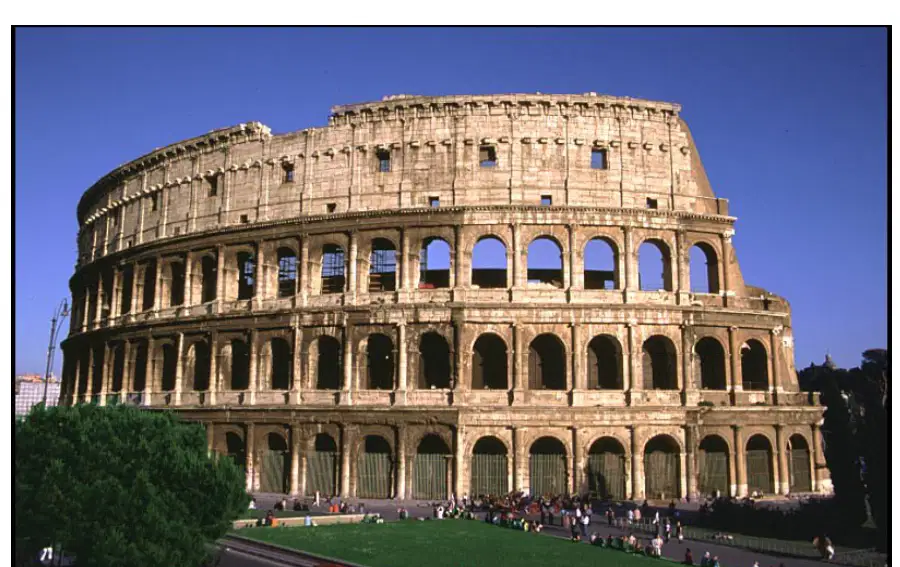
What is the name of the structure shown in the image?
Colosseum
Parthenon
Pantheon
Acropolis
During which years was the Colosseum built?
Between 72 and 80 AD
Between 100 and 110 AD
Between 50 and 60 AD
Between 200 and 210 AD
What is the architectural style or period of the Colosseum?
Roman
Greek
Egyptian
Gothic
Who is the artist or architect of the Colosseum?
Unknown
Michelangelo
Leonardo da Vinci
Vitruvius
What is notable about the Colosseum in terms of its size?
It is the largest amphitheater in the world
It is the smallest amphitheater in the world
It is the tallest building in Rome
It is the oldest temple in Rome
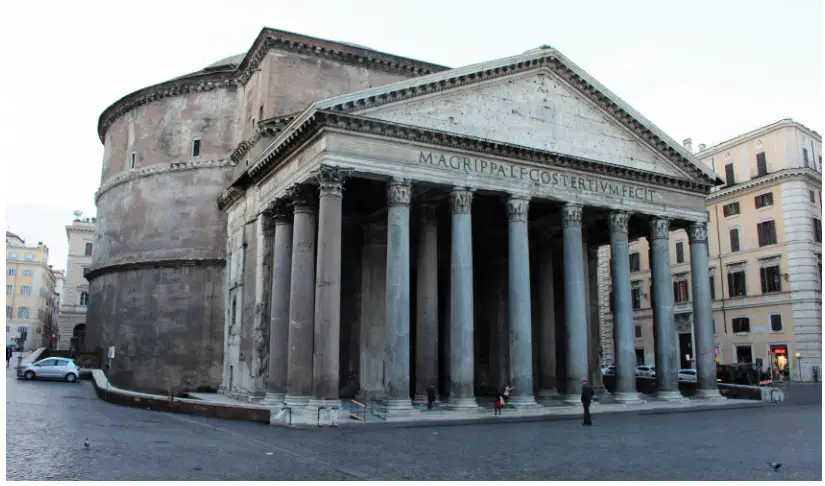
What is the title of the structure shown in the flash card?
Pantheon
Colosseum
Parthenon
Acropolis
The Pantheon was built to honor whom?
The gods
The Roman Emperor
The Senate
The people of Rome
Which civilization is associated with the Pantheon?
Roman
Greek
Egyptian
Persian
What is notable about the interior space of the Pantheon?
It was one of the first structures with a large interior space
It was decorated with gold
It was used as a marketplace
It was built underground
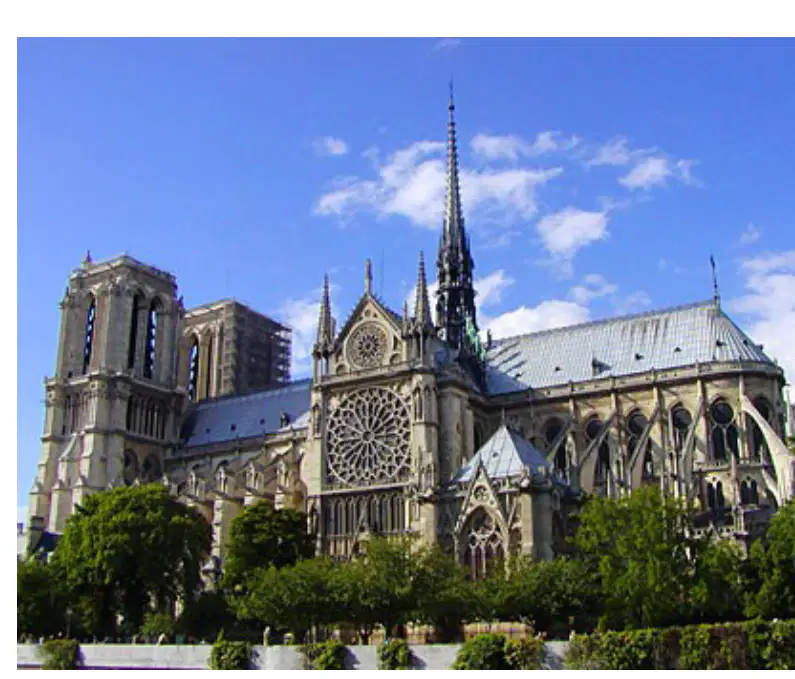
What is the title of the building shown in the learning material?
Notre Dame
Eiffel Tower
Colosseum
Big Ben
Who is the artist associated with the construction of Notre Dame?
Maurice De Sully
Leonardo da Vinci
Michelangelo
Frank Lloyd Wright
What is the architectural style of Notre Dame?
Gothic
Baroque
Renaissance
Modern
Which of the following is NOT a feature that characterizes the Gothic style of Notre Dame?
Flying buttresses
Pointed arches
Ribbed vaults
Domed roofs
Which of the following is a feature of Notre Dame's architecture?
Gargoyles
Pyramids
Columns with Corinthian capitals
Onion domes
What type of windows are notable in the Notre Dame cathedral?
Huge glass windows
Small wooden windows
Stained clay windows
Iron-barred windows

What is the title of the monument shown in the flash card?
Taj Mahal
Red Fort
Qutub Minar
Lotus Temple
Who commissioned the construction of the Taj Mahal?
Shah Jahan
Akbar
Aurangzeb
Humayun
What is the artistic style or time period of the Taj Mahal?
Islamic Art
Renaissance Art
Baroque Art
Gothic Art
Which of the following best describes the balance used in the design of the Taj Mahal?
Symmetrical balance
Asymmetrical balance
Radial balance
Irregular balance
The Taj Mahal is considered to be the “jewel” of which type of art?
Islamic art
Roman art
Greek art
Modern art
What is the title of the building also known as Falling Water?
Kauffman House aka Falling Water
Empire State Building
The Glass House
Villa Savoye
Who is the artist of the Kauffman House aka Falling Water?
Frank Lloyd Wright
Le Corbusier
Ludwig Mies van der Rohe
Zaha Hadid
What architectural style is Falling Water associated with?
Organic architecture
Gothic architecture
Baroque architecture
Neoclassical architecture
What type of balance does the home demonstrate?
Asymmetrical balance
Symmetrical balance
Radial balance
No balance
What was the goal in developing the relationship between the structure and its location in Falling Water?
To make the building seem to grow out of its environment
To make the building stand out from its environment
To hide the building completely
To make the building look futuristic
Who is the artist of the Heydar Aliyev Center?
Zaha Hadid
Frank Gehry
Le Corbusier
Ludwig Mies van der Rohe
What architectural style is the Heydar Aliyev Center associated with?
Deconstructivism
Baroque
Gothic
Renaissance
Which of the following best describes the forms incorporated in the Heydar Aliyev Center?
Fluid, organic forms
Rectangular, rigid forms
Circular, symmetrical forms
Triangular, geometric forms

What do the organic forms in the Heydar Aliyev Center help to create?
Asymmetrical balance
Perfect symmetry
Vertical alignment
Horizontal repetition
What is the title of the artifact described in the learning material?
The Law Code of Hammurabi
The Rosetta Stone
The Code of Justinian
The Stele of Gilgamesh
Which culture is associated with the Law Code Stele of King Hammurabi?
Babylonian culture
Egyptian culture
Greek culture
Roman culture
What material is the Law Code Stele of King Hammurabi carved into?
Solid black stone
White marble
Red sandstone
Bronze
Who is depicted with Hammurabi at the top of the stele?
Shamash, the Babylonian sun god and god of justice
Anubis, the Egyptian god of the dead
Zeus, the Greek god of the sky
Odin, the Norse god of wisdom

What type of artwork is found at the top of the Law Code Stele of King Hammurabi?
Relief sculpture
Mosaic
Fresco
Painting
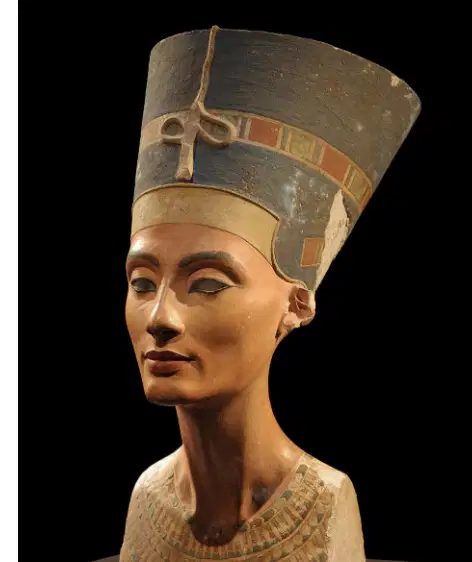
What is the title of the sculpture shown in the flash card?
Queen of Nefertiti
Queen of Cleopatra
Queen of Egypt
Queen of the Nile
Who is the artist of the "Queen of Nefertiti" sculpture?
Unknown
Leonardo da Vinci
Michelangelo
Akhenaten
During which time period or style was the "Queen of Nefertiti" sculpture created?
Armana Period
Renaissance Period
Baroque Period
Modern Period
What type of balance does the "Queen of Nefertiti" sculpture reflect?
Symmetrical balance
Asymmetrical balance
Radial balance
Unbalanced
What is the subject matter of the "Queen of Nefertiti" sculpture?
Portrait
Landscape
Abstract
Still life
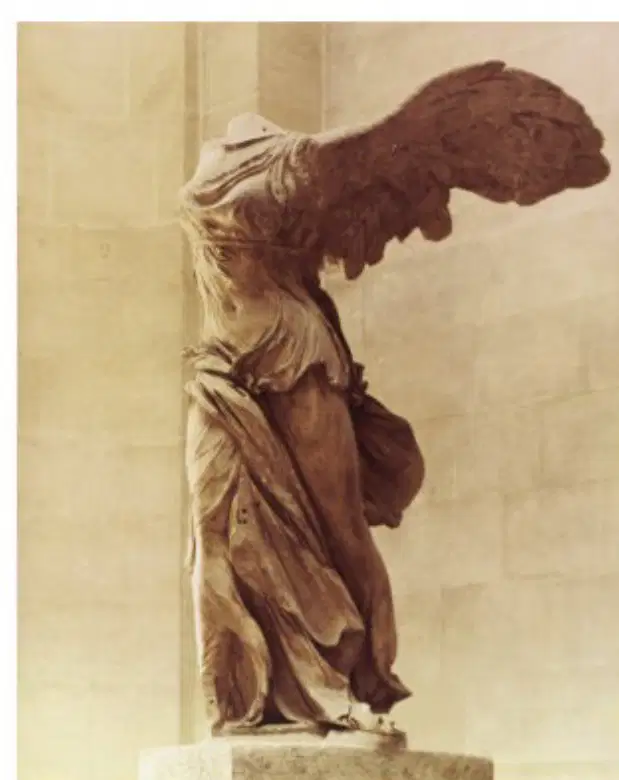
What is the title of the artwork shown in the image?
Nike of Samothrace
Venus de Milo
The Thinker
David
Which time period/style does the "Nike of Samothrace" belong to?
Hellenistic
Renaissance
Baroque
Gothic
What does the "Nike of Samothrace" symbolize?
Winged victory
Peace and harmony
Wisdom and knowledge
Love and beauty
Which principle of design is incorporated in the "Nike of Samothrace"?
Movement
Balance
Unity
Contrast

What is the title of the sculpture created by Donatello?
David
Moses
Pieta
The Thinker
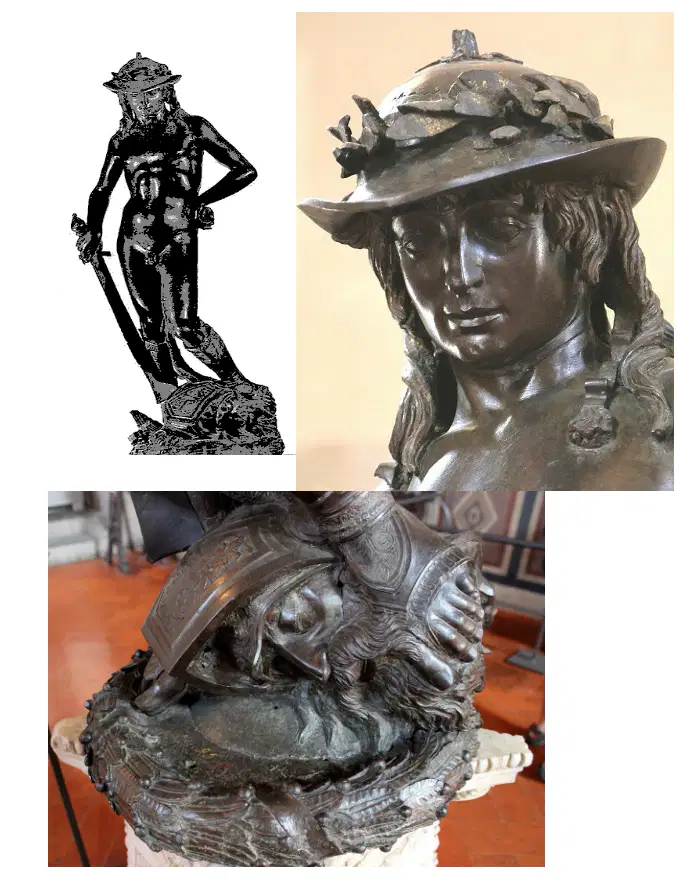
Who is the artist of the bronze figure sculpture titled "David"?
Donatello
Michelangelo
Leonardo da Vinci
Raphael
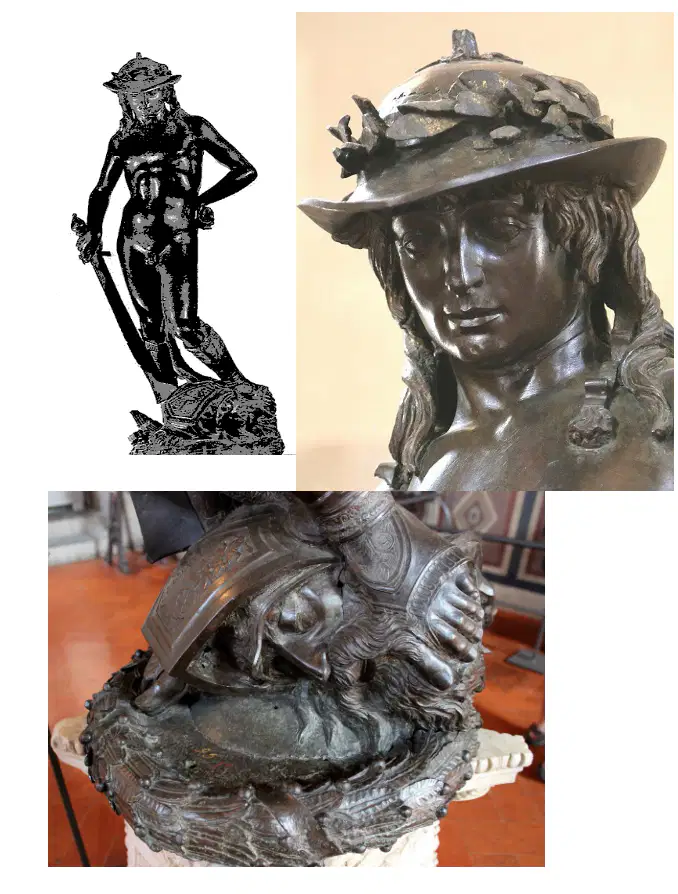
During which time period/style was Donatello's "David" created?
Renaissance
Baroque
Gothic
Modern
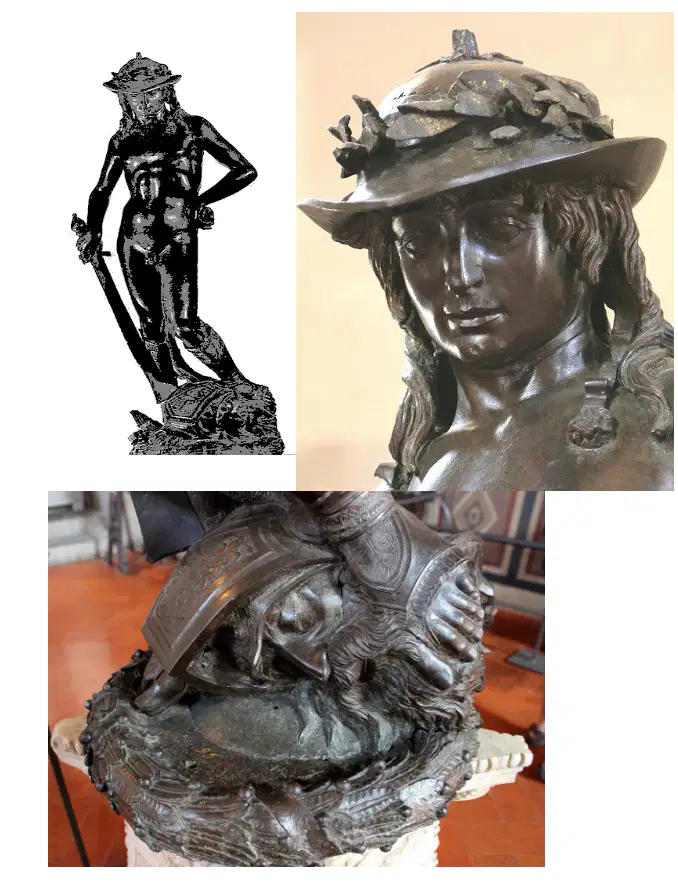
What material is Donatello's "David" primarily made from?
Bronze
Marble
Wood
Stone

What is the name of the pose where the weight is shifted onto one foot, as seen in Donatello's "David"?
Contrapposto
Sfumato
Fresco
Chiaroscuro
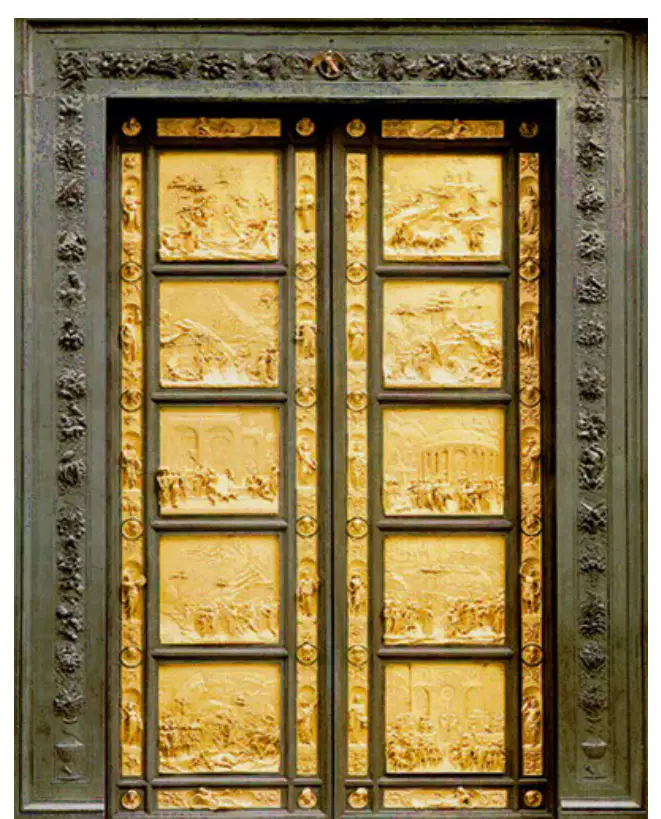
Who is the artist of the "Gates of Paradise"?
Lorenzo Ghiberti
Michelangelo
Leonardo da Vinci
Donatello
During which time period or style was the "Gates of Paradise" created?
Early Renaissance
Baroque
Gothic
Modernism
How many doors make up the "Gates of Paradise"?
Two
Four
One
Three
What type of sculpture is the "Gates of Paradise" an excellent example of?
Relief sculpture
Free-standing sculpture
Kinetic sculpture
Abstract sculpture
What is the subject matter of the "Gates of Paradise"?
Religious
Mythological
Historical
Scientific
Approximately how long did it take to complete the "Gates of Paradise"?
More than twenty years
Five years
Ten years
One year
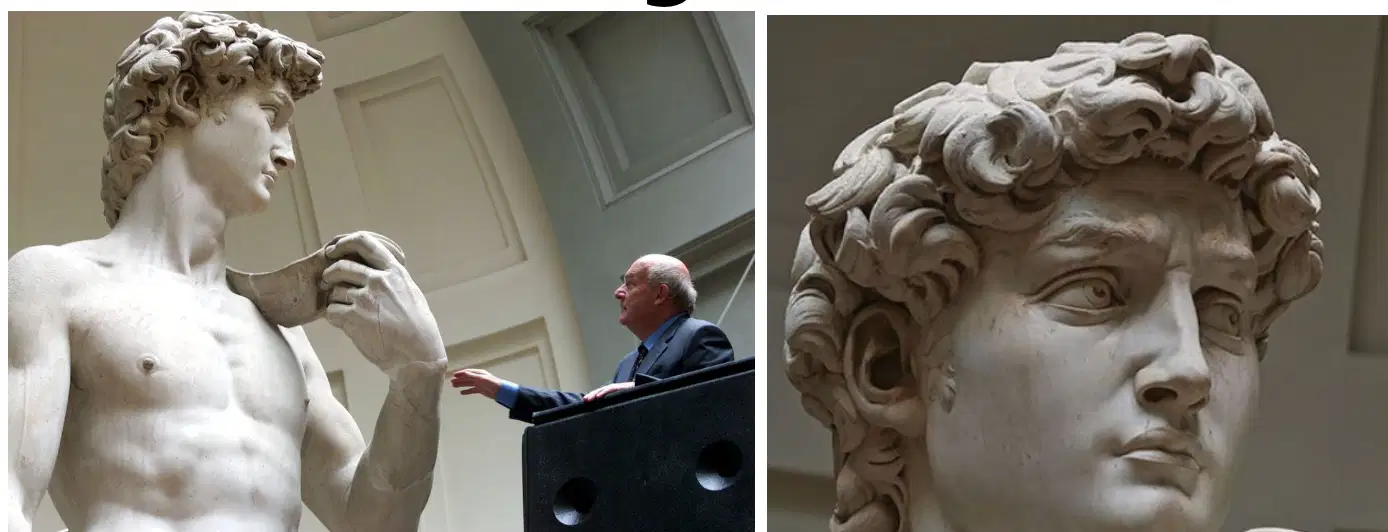
What is the title of the sculpture created by Michelangelo that depicts a figure with idealized proportions and body?
David
Moses
Pietà
The Thinker
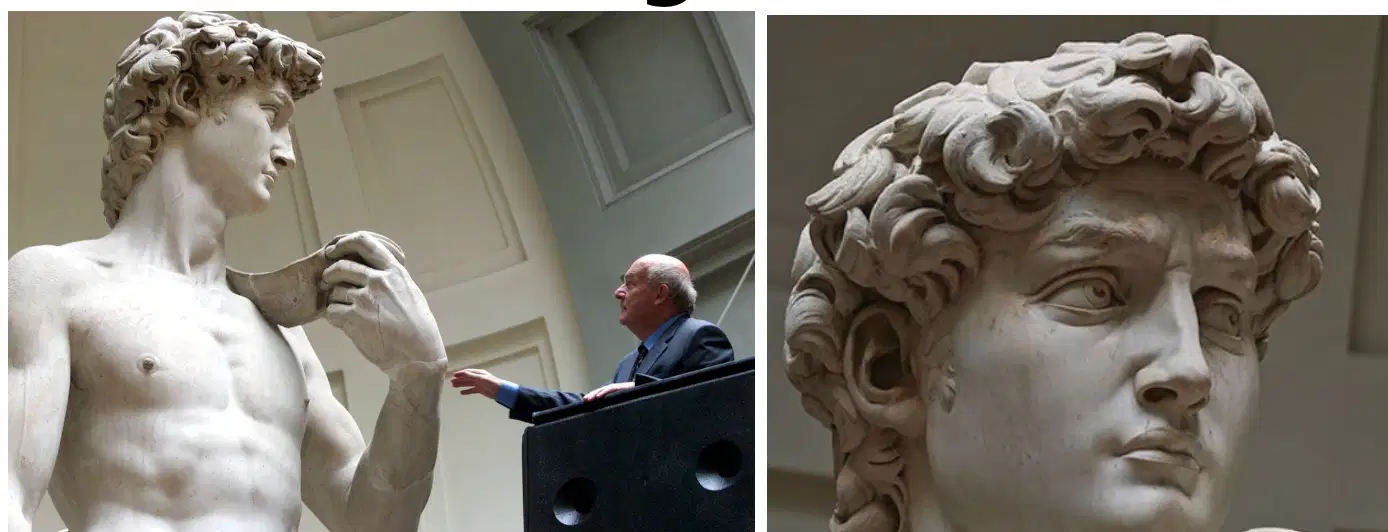
Who is the artist of the sculpture titled "David"?
Michelangelo
Leonardo da Vinci
Donatello
Raphael
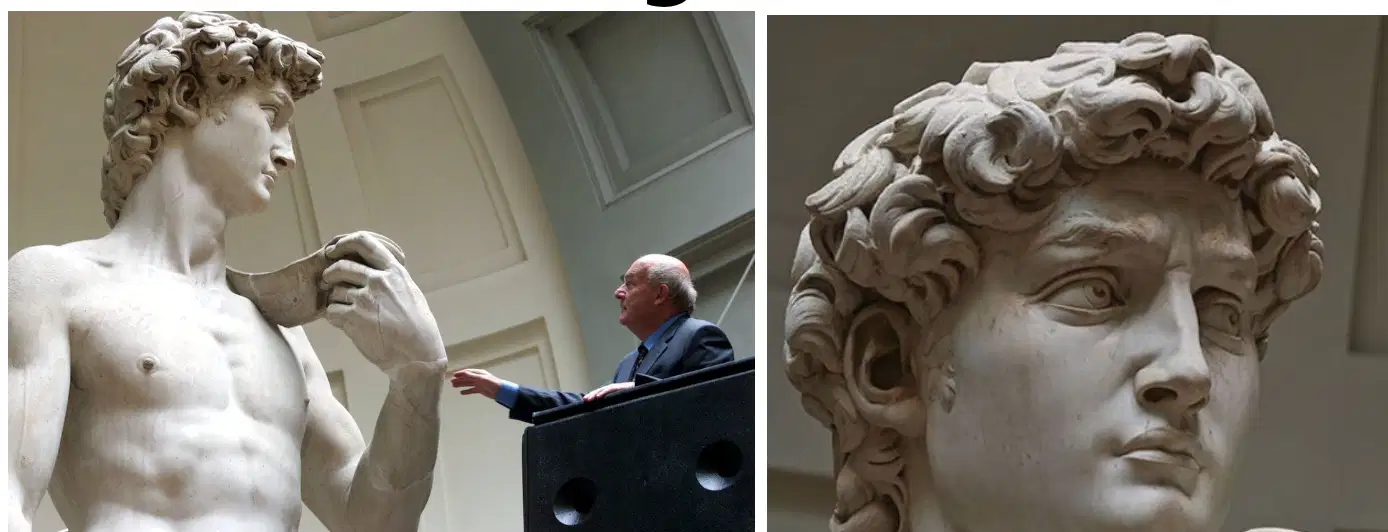
During which art period or style was Michelangelo's "David" created?
High Renaissance
Baroque
Gothic
Romanticism

What technique was used to create Michelangelo's "David"?
Subtractive technique
Additive technique
Casting technique
Assemblage technique
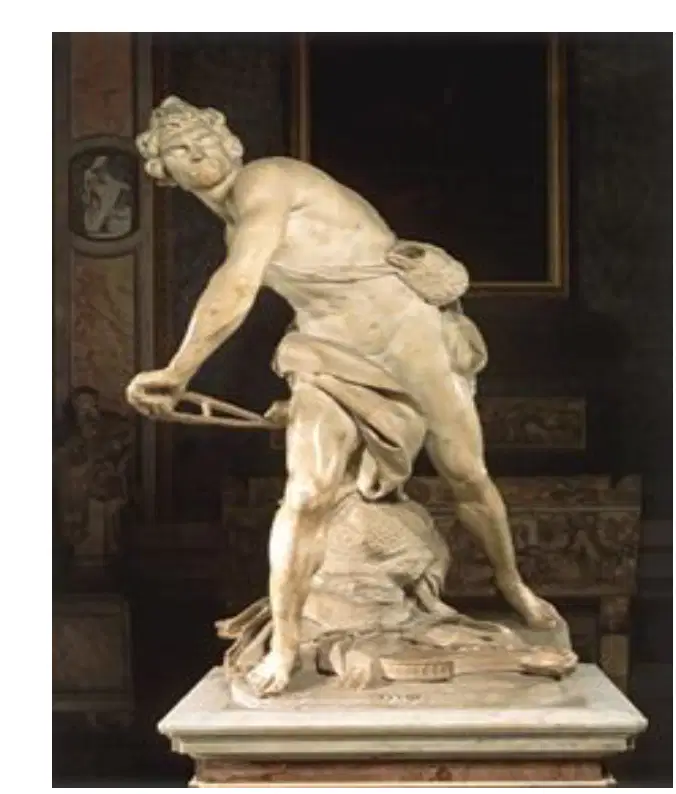
What is the title of the artwork created by Bernini?
David
Apollo
Moses
Perseus
Who is the artist of the sculpture titled "David" from the Baroque period?
Bernini
Michelangelo
Donatello
Raphael
Which art period/style does Bernini's "David" belong to?
Baroque
Renaissance
Gothic
Neoclassical
What principle of design is incorporated in Bernini's "David" through the use of diagonal forms?
Movement
Balance
Symmetry
Proportion
What does Bernini's "David" express according to the notes?
The spirit of drama and energy
The calmness of nature
The beauty of symmetry
The importance of color

