
 Worksheets
7th Grade Final Exam Review
Total questions: 60
Worksheet time: 1hrs 15mins

What are all 3 steps of a CER?
Claim, evidence, and reasoning
Claim, explanation, and review
Conclusion, evidence, and reasoning
Claim, evaluation, and result

Name 3 topics we went over in class this year?
Climate and weather, human body interactions, chemical and physical changes.
Dinosaurs, ancient civilizations, space travel.
Fairy tales, poetry writing, painting techniques.
Cooking recipes, sports history, fashion trends.

How many steps are in the scientific method?
6
4
8
10

What do you call the fall of water from the atmosphere?
precipitation
evaporation
condensation
transpiration

Climate is the (_______) weather or patterns of weather of a location.
average
extreme
daily
random

Name 3 methods of heat transfer.
Conduction, convection, and radiation
Evaporation, condensation, and precipitation
Diffusion, osmosis, and filtration
Absorption, reflection, and transmission

What is an example of a chemical change?
Burning or fizzing/bubbling
Melting ice
Tearing paper
Dissolving sugar in water

What do you call the variety of life in the world?
Biodiversity
Photosynthesis
Ecosystem
Habitat

How many body systems are there?
11
7
9
13

Define “C.E.R. & The Scientific Method”.
C.E.R stands for Claim, Evidence, and Reasoning and it means a framework for building a logical context clue, and the Scientific Method means a systematic approach to building an idea for a phenomenon.
C.E.R stands for Conclusion, Example, and Result and it means a way to memorize facts, and the Scientific Method means a random process for guessing answers.
C.E.R stands for Calculation, Experiment, and Review and it means a method for solving math problems, and the Scientific Method means a way to write stories.
C.E.R stands for Claim, Example, and Reasoning and it means a way to summarize a book, and the Scientific Method means a checklist for daily tasks.

Define the term “Syllabus”.
The term “Syllabus” means an outline of the subjects in a course.
The term “Syllabus” means a list of classroom rules.
The term “Syllabus” means a timetable for exams.
The term “Syllabus” means a collection of student assignments.

Define “Design Thinking & Engineering”.
The term “DTE” means a human-centered, and iterative-problem solving approach.
The term “DTE” refers to a financial analysis method for businesses.
The term “DTE” is a type of mechanical engineering process only.
The term “DTE” describes a traditional, linear approach to problem solving.

Define the term “weather”.

Define the term “Climate”.
The term “Climate” means the weather conditions prevailing in an area.
The term “Climate” means the study of rocks and minerals.
The term “Climate” means the process of photosynthesis in plants.
The term “Climate” means the movement of tectonic plates.

Define the term “Thermal Energy”.
The term “Thermal Energy” means the energy possessed by an object.
The term “Thermal Energy” means the force applied to an object.
The term “Thermal Energy” means the speed of an object.
The term “Thermal Energy” means the color of an object.

Define the term “Chemical Change”.

Define the term “Physical Change”.

A claim is:
An explanation supported by evidence
A question to be tested
A list of materials used in an experiment
A step-by-step procedure

What is the percentage of the grade for Quizzes?
10%
20%
30%
40%

Which of the following is a way to improve modern-day smartphones?
Increase battery life
Reduce screen size
Remove camera features
Limit connectivity options

What do you measure temperature with?
Thermometer
Barometer
Speedometer
Altimeter

All four types of precipitation are:
Rain, Snow, Sleet, Hail
Rain, Dew, Frost, Fog
Snow, Mist, Drizzle, Hail
Rain, Snow, Mist, Dew

The main source of thermal energy is:
The Sun
The Moon
The Wind
The Ocean

A chemical change has occurred when:
the substance changes color, produces a gas, forms a precipitate, or gives off heat or light
the substance changes shape or size only
the substance is dissolved in water
the substance is broken into smaller pieces

Biodiversity is important for our planet because it:
Supports ecosystem balance and resilience
Reduces the amount of oxygen produced
Increases pollution levels
Decreases food sources

Interactions of Body Systems: The ________ system helps break down food.
digestive
respiratory
nervous
circulatory

What does C represent in C-E-R?
Caption
Claim
Conclusion
Chapter


Heat Lamps (a)

A group of friends gather around a fire to stay warm by means of (a) .

Variety of life (a)


The variety of life in the world or in a particular habitat or ecosystem
List the steps of the scientific method
Conduct experiment
Form a hypothesis
Draw conclusions
Communicate results
Ask a question
Analyze results
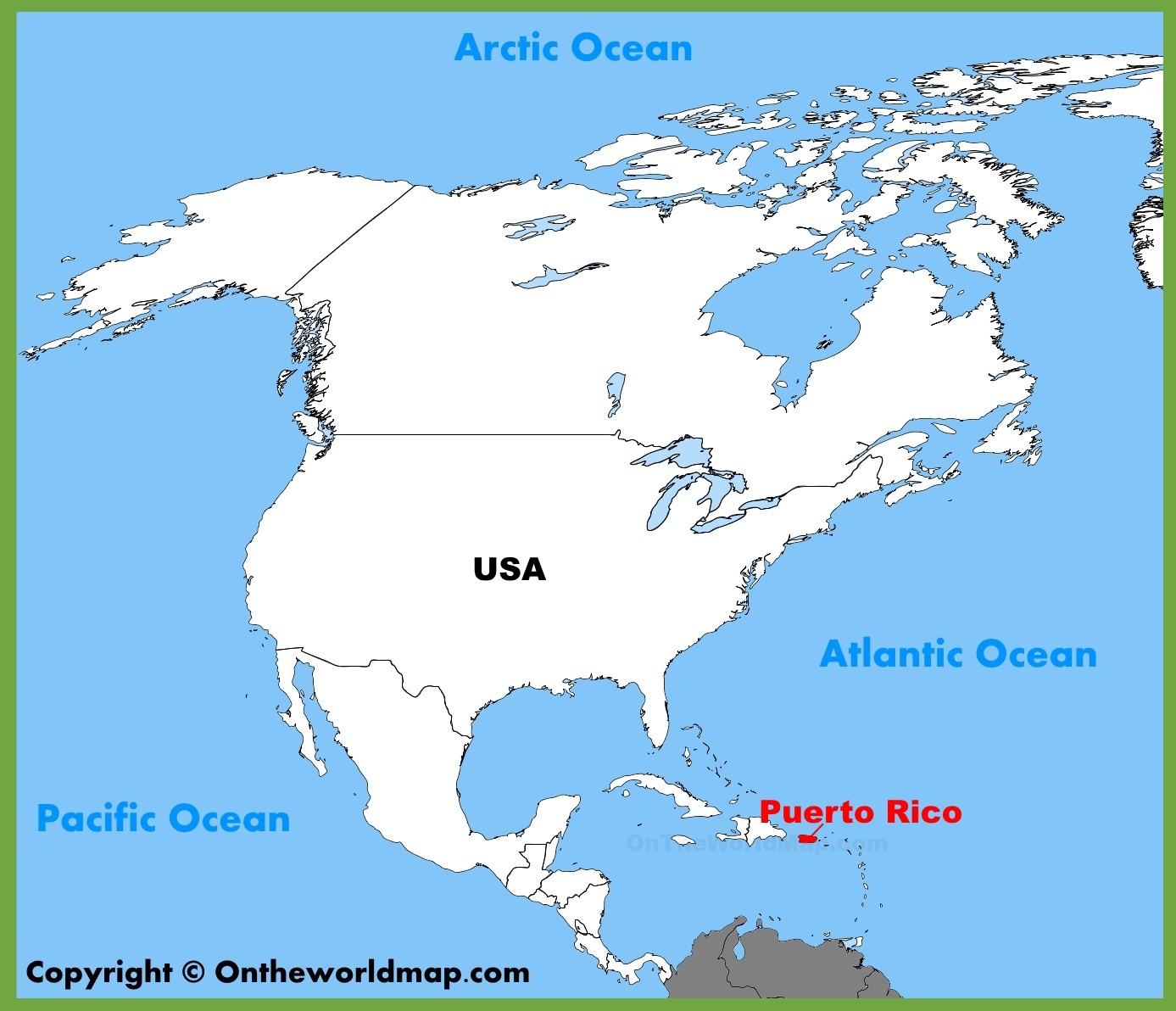
What type of air mass is found over PUERTO RICO?
Maritime Polar
Maritime Tropical
Continental Polar
Continental Tropical

South Carolina is humid during the summer months. Which of the following is the most likely cause of the humid conditions?
groundwater bubbling to the surface
runoff from inland mountains
evaporation from the surface of the ocean
flooding from river and streams

Match the following processes with their examples.
Cutting a sheet of paper
Physical change:
Grinding into powder
Physical change:
Glass breaking
Physical change:
Burning paper
Chemical change:


Which are examples of chemical change? Select THREE answers.
An egg is cooked.
Sugar dissolves in water.
A silver quarter tarnishes.
Water in a pan boils away.
Leaves in a compost pile rot.

Which of the following is a sign that a chemical change has taken place?
Formation of a new substance
Change in size
Mixing without reaction
Breaking into pieces

Which process transfers heat through direct contact between particles?
Evaporation
Precipitation
Conduction
Condensation

Why is biodiversity important for ecosystems?
It limits food availability
It causes more natural disasters
It helps maintain stability and supports a variety of life forms
It reduces the number of habitats

Choose the way heat moves.
Body (a) Sun
←
→
↔

A heater circulating warm air in a room is an example of (a) . When you can feel the warmth of the heater from the couch, you are feeling (b) . If you accidentally bump the heater and burn yourself, the heat moved by (c)

claim
a statement that you think is true
Evidence
data collected during an investigation
reasoning
the connection between the evidence and the claim

Reasoning is (a) .

Which is the highest level of biodiversity?
genetic diversity
genera diversity
ecosystem diversity
species diversity

Biodiversity, aka biological diversity, usually refers to
the same species in a general location
the number of different species in a given area
the number of animal species in a given area
the number of plant species in a given area

What is the primary function of the human respiratory system?
To circulate blood
To digest food
To exchange gases (oxygen and carbon dioxide) with the environment
To filter waste from the blood

Which body system is primarily responsible for breaking down food into nutrients?
Circulatory system
Digestive system
Respiratory system
Excretory system

What is the primary function of the skeletal system?
To digest food
To protect internal organs
To produce blood cells
Both B and C

Which human body system is responsible for transporting oxygen and nutrients to cells?
Digestive system
Circulatory system
Respiratory system
Nervous system

Which of the following is NOT a function of the skin?
Protection against infection
Regulation of body temperature
Production of vitamin D
Absorption of nutrients

Which system in the human body is responsible for transporting blood throughout the body?
Digestive system
Respiratory system
Circulatory system
Nervous system

Which part of the human body is primarily responsible for filtering blood?
Heart
Liver
Kidneys
Lungs

Which organ is part of the human respiratory system?
Heart
Lungs
Liver
Kidneys

What is the main function of red blood cells in the human body?
Fight infections
Transport oxygen
Produce hormones
Digest food

Which system in the human body is responsible for transporting blood throughout the body?
Digestive System
Circulatory System
Respiratory System
Nervous System

Variety of life (a)

