
 Worksheets
Production Systems — CAD/CAM
Total questions: 22
Worksheet time: 11mins
What does CAD stand for?
Computer Aided Design
Central Application Design
Computer Aided Device
Controlled Access Device
What does CAM stand for?
Computer Aided Manufacture
Computer Automated Manufacture
Computer Aided Machine
Controlled Application Mechanism
Which of the following is NOT a function of CAD software? Choose the correct option.
Designing products on a computer
Making 2D or 3D designs
Manufacturing products using machines
Changing the design quickly
In 3D programs, you can often spot problems before making anything.
True
False
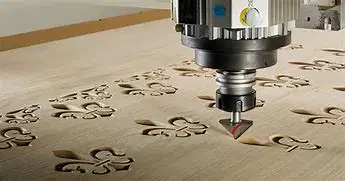
What does CNC stand for in the context of CAM machines?
Computer Numerically Controlled
Central Numeric Controller
Control Network Circuit
Computer Network Console
Which of the following is a type of CAM machine?
CNC Milling machine
3D printer
CNC router
All of the answers mentioned
Laser cutter
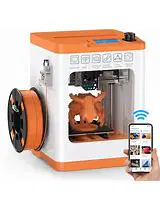
Which CAM machine is this?
CNC Milling machine
3D printer
CNC router
Laser cutter
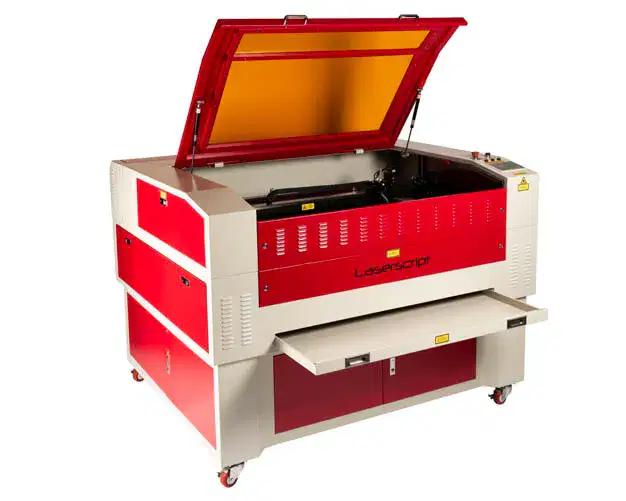
Which CAM machine is this?
CNC Milling machine
3D printer
CNC router
Laser cutter
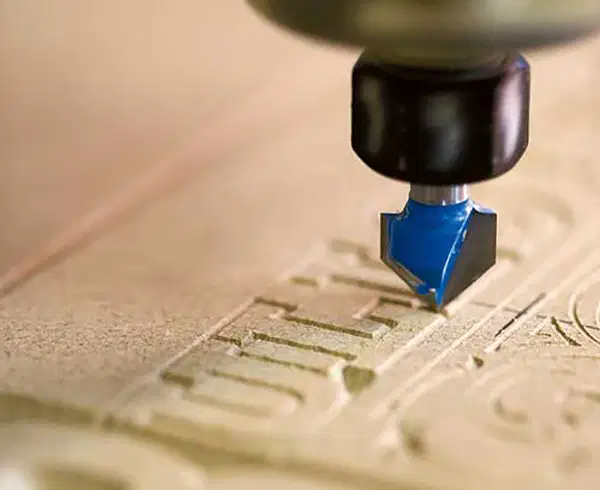
Which CAM machine is this?
CNC Milling machine
3D printer
CNC router
Laser cutter
Which of these CAM machines only use 2-axis (X and Y) (2D)?
CNC Milling machine
3D printer
CNC router
Laser cutter
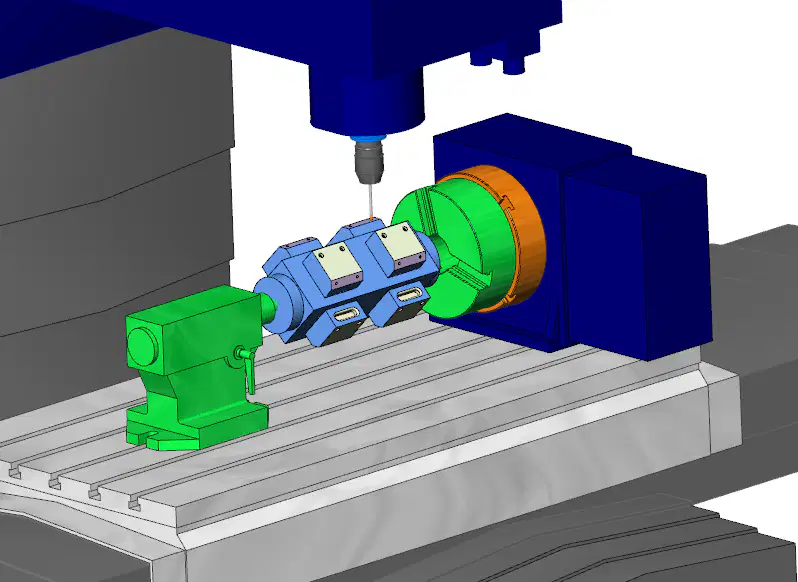
Which CAM machine is this?
CNC Milling machine
3D printer
CNC router
Laser cutter
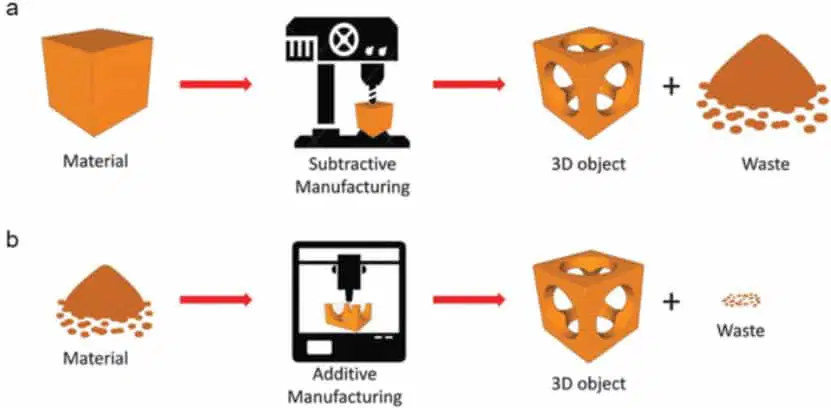
Subtraction in CAM is where material is _______ from a solid to form an object.
removed
added
painted
measured
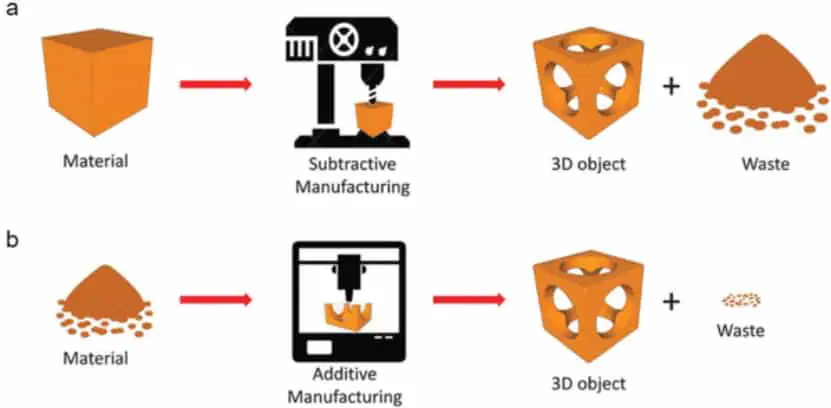
Addition in CAM is where material is _______ to build up an object.
added
removed
compressed
dissolved
Which of the following materials can laser cutters be used on?
Plastic
Wood
Cardboard
All answers mentioned
Which CAM machine is used for 'rapid prototyping'.
3D printer
Laser cutter
One benefit of CAD/CAM for global companies is:
increased manual labour
reduced product quality
improved collaboration across different locations (worldwide)
higher production costs
One disadvantage of CAD/CAM is:
increased manual labour
Computers can be affected by viruses, and file corruption
improved collaboration across different locations (worldwide)
lower set up costs
Which of these is not an advantage of CAD/CAM?
You can view the product from all angles
Computers can be affected by viruses, and file corruption
Improved collaboration across different locations (worldwide)
Once your idea is drawn out, you can model and change designs quickly, experimenting with different colours and varying the shape and dimensions
Which of these is an advantage of CAD/CAM?
Workers need to be trained in how to use CAD/CAM
Computers can be affected by viruses, and file corruption
high set up costs
Once your idea is drawn out, you can model and change designs quickly, experimenting with different colours and varying the shape and dimensions
CAD/CAM can save shipping costs
Designs for products can be sent electronically, to be manufactured near where they will be sold, which saves on the costs of shipping large amounts of finished products.
True
False
CAD/CAM can save labour costs.
Designs for products can be sent electronically from one country, to be manufactured in a country where labour is cheaper, which can reduce their costs - even if they have to pay to ship the products back to sell them in their own country!.
True
False
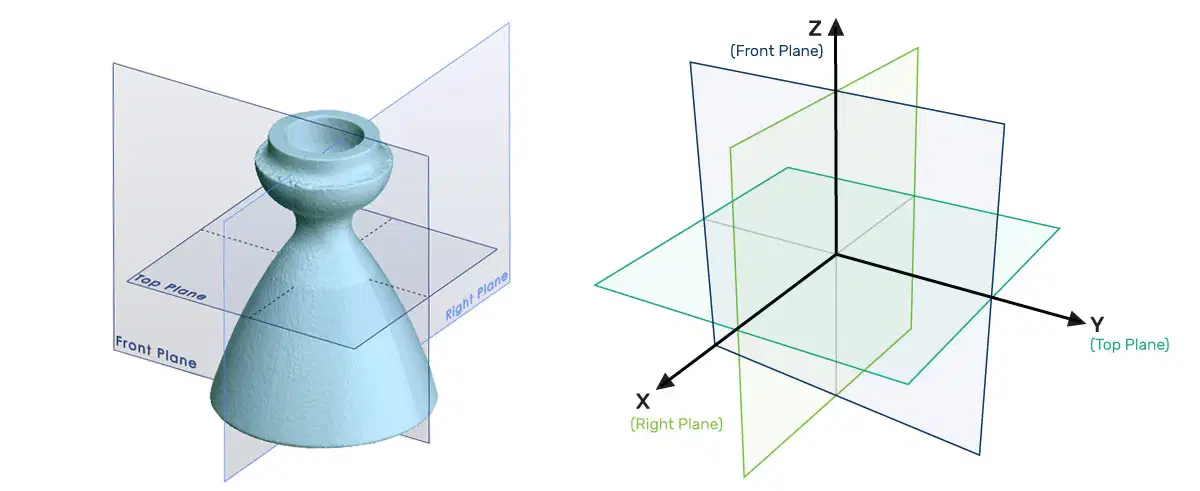
CAD software and CAM machines use X and Y co-ordinates for 2D shapes
and X, Y and Z for 3D shapes. The point where the co-ordinates all meet - (0,0 for 2D) or (0,0,0 for 3D) - is called the ______.
datum
data
zero point
starting point

