
 Worksheets
Practical Cookery- N4-N5
Total questions: 83
Worksheet time: 53mins
Which of the following is not a piece of weighing and measuring equipment?
Measuring spoons
Digital scales
Wooden spoon
Measuring jug
What piece of weighing and measuring equipment would you use to measure out 150ml of milk?
Digital scales
Measuring jug
Measuring spoons
True or false, a green chopping board is for raw meat
True
False
Which of the following methods of cooking are not healthy?
Baking
Grilling
Stir-frying
Deep-frying
Which of the following foods could you poach
Chicken
Meringue
Bread
Lettuce
Which of the following could be used as a garnish for a cottage pie?
Lemon twist
Chocolate runout
Finely chopped parsley
Cheese
How can you test pasta for readiness?
Trust that using a timer is accurate
Taste it to see if it is ready
Ask someone else if it looks ready
Guess
Which piece of equipment would you use to remove the lumps from a dry ingredient and add air
Colander
Sieve
Wooden spoon
Pastry brush
True or false, you need to wash your hands after handling raw eggs
True
False
Which of the following images is of a palette knife


Which chopping board is for raw meat
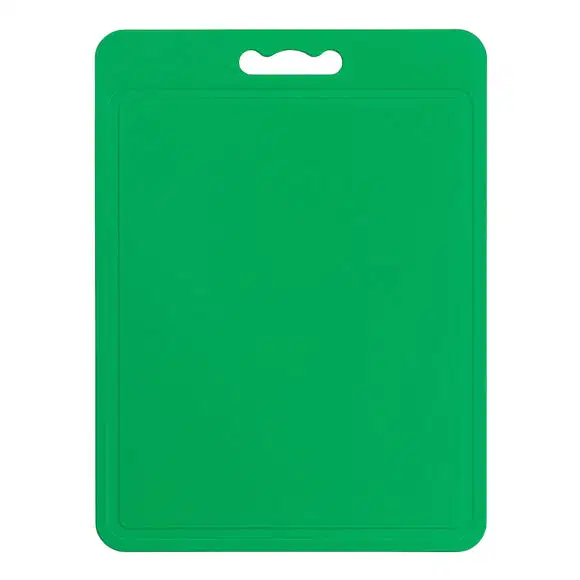
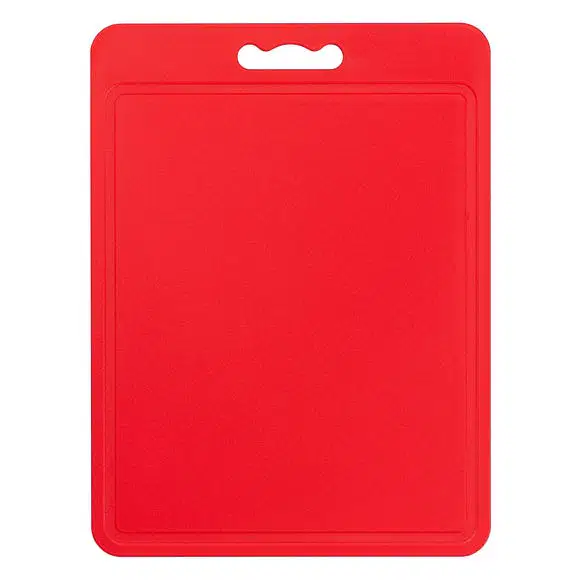
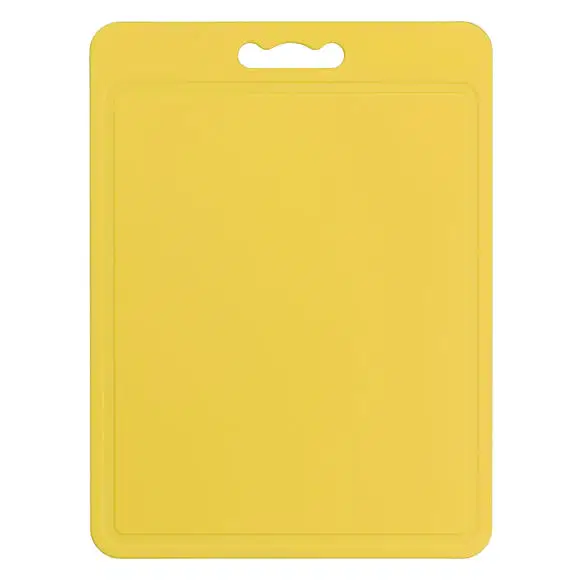
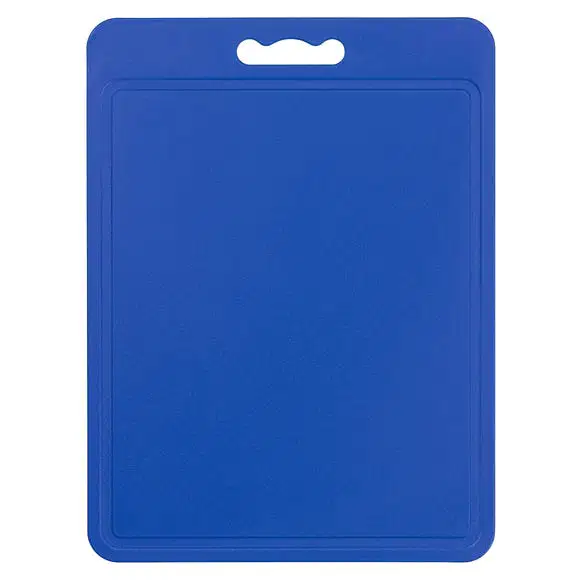
What temperature should food be when it is cooked?
100
37
63
75
What is the purpose of blanching vegetables?
To enhance their flavor
To soften their texture
To preserve their color and nutrients
To remove their skin
What is the purpose of marinating meat or fish?
To add shine to food using beaten egg, milk or meat juice
To gently mix one ingredient into another with a metal tablespoon or spatula to minimize air loss
To give flavor and help tenderize meat or fish by soaking in a richly spiced liquid
To cut a thin skin off fruits or vegetables
What is the process of kneading dough?
To gently handle a pastry or dough mixture to remove cracks before rolling or shaping
To push a liquid or puree through a fine mesh sieve to make it smooth
To cut food into small, even sized cubes
To mix together fat (margarine or butter) and sugar until light and fluffy
What is the purpose of grating food?
To add shine to food using beaten egg, milk or meat juice
To shave food into small shreds using a grater
To cover food with a batter, sauce or other protective coating
To cut food into thin rounds or slices using a sharp knife
What does it mean to season food?
To separate a liquid from solid foods passing through a strainer
To increase the volume of a mixture by adding air through the use of a hand or electric whisk
To add salt, pepper, herbs and spices to food to enhance the flavor
To cut a thin skin off fruits or vegetables
What is the purpose of sieving food?
To push a liquid or puree through a fine mesh sieve to make it smooth
To cut food into small, even sized cubes
To cover food with a batter, sauce or other protective coating
To separate coarse particles from finer particles or for reducing soft solids to a pulp
What is the process of baking food?
To mix together fat (margarine or butter) and sugar until light and fluffy
To cut food into small, uneven sized pieces
To cook food by dry heat in an oven, where hot air circulates and cooks the food
To gently mix one ingredient into another with a metal tablespoon or spatula to minimize air loss
What is the purpose of grilling food?
To cook food using intense heat which can be radiated over, under or through the food
To gently mix one ingredient into another with a metal tablespoon or spatula to minimize air loss
To add shine to food using beaten egg, milk or meat juice
To cut a thin skin off fruits or vegetables
What is the process of shallow frying food?
To gently handle a pastry or dough mixture to remove cracks before rolling or shaping
To cook food in a small quantity of pre-heated fat or oil in a shallow frying pan
To mix together fat (margarine or butter) and sugar until light and fluffy
To cut food into thin rounds or slices using a sharp knife
What is the purpose of stewing food?
To add shine to food using beaten egg, milk or meat juice
To cut food into small, even sized cubes
To cook food by cutting it into pieces and cooking it in the minimum amount of liquid
To separate a liquid from solid foods passing through a strainer
What is the purpose of boiling food?
To cook food in a liquid
To preserve the food
To dry the food
To freeze the food
What is the purpose of stir frying?
To cook them slowly over low heat to enhance their flavor.
To boil them in water until they are soft and tender.
To bake them in the oven until they are crispy and golden brown.
To cook food quickly over high heat while retaining their texture and flavor.
What is the process of steaming food?
Boiling food in water
Cooking food using steam
Grilling food over an open flame
Baking food in an oven
What does it mean to caramelize food?
Cooking food until the sugars turn golden brown
Cooking food until it becomes crispy
Cooking food until it turns black
Cooking food until it becomes tender
What is the purpose of poaching eggs?
To deep fry eggs in oil
To bake eggs in the oven
To scramble eggs in a pan with butter
To cook eggs gently in simmering water without added fat

shallow frying (sauteing)


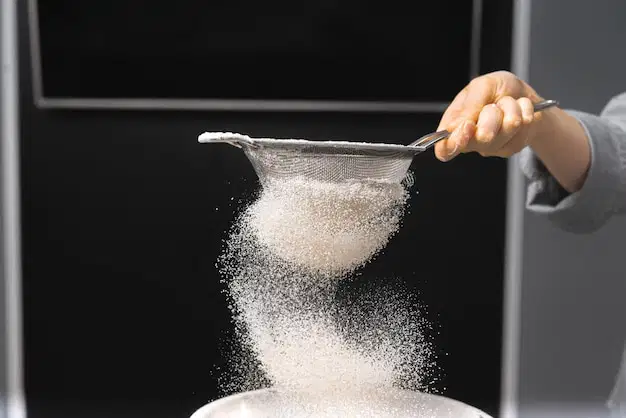
sieving


coating


rolling out

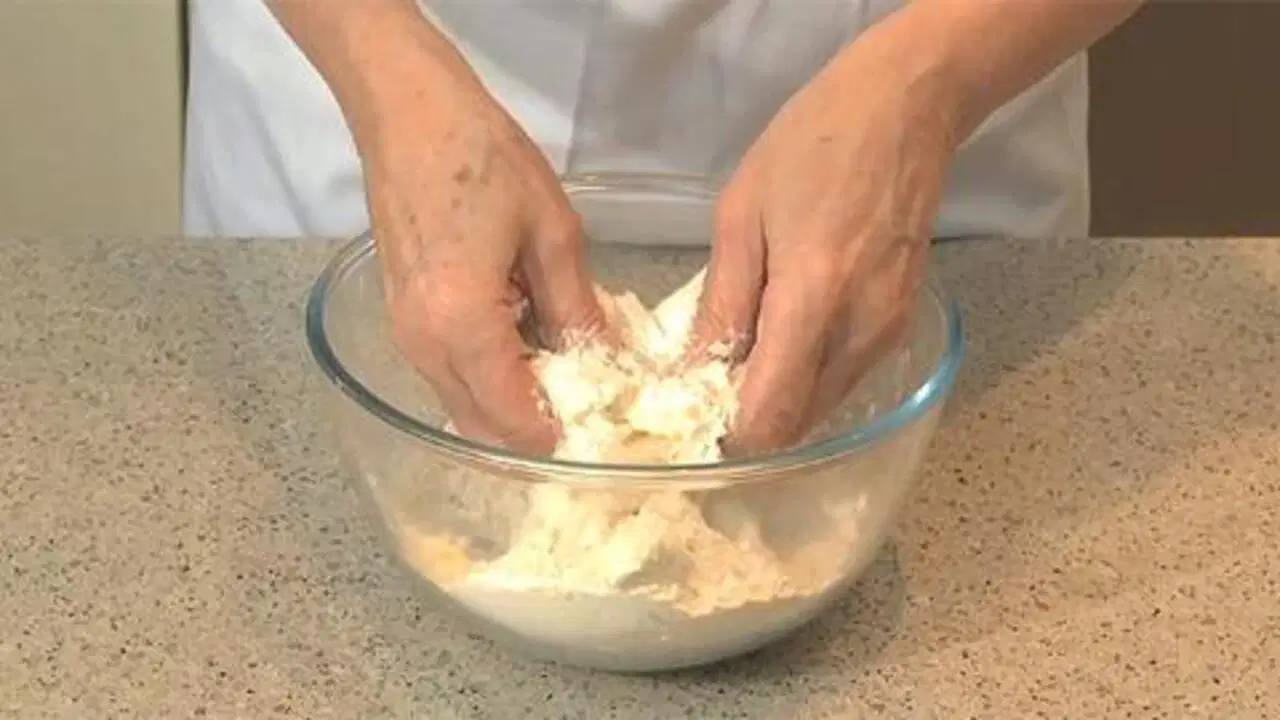
rubbing in


Has a wide, blunt edged blade which is usually flexible. It is used for
smoothing icing or cream onto cakes and for
shaping and coating food.
Palette Knife
Spatula
Fish Slice
Chef's knife
A ____ _____ has a broad, slotted flexible blade. It is usually made from metal, heat resistant plastic or is Teflon coated. It is used for turning foods during frying and for lifting foods (i.e. flans)
(a)
Can have multiple sized holes and can be used to grate vegetables and cheese.
Zester
Vegetable knife
Grater
Peeler
Also called a balloon whisk, this is used for whisking and blending.


A wire grid used for cooling cakes and pastries – it allows the air to circulate round the item, cooling it quicker


Used to take the skin off vegetables but also can be used to create chocolate shavings.
Peeler
Grater
Knife
zester
Used to measure liquid. I am a ______ ___
(a)
We used this to flatten our dough when making pastry. I am a _____ ___
(a)
It is an all purpose,
used for slicing, dicing, chopping and shredding.
Chefs knife
Vegetable Knife
Palette Knife
Grater
What temperature should a fridge be at?
-2-0°c
5-7°c
1-4°c
10-13°c
According the current Scottish dietary goals we should (a) the amount of fibre we eat?
Which of the following cookery methods is the healthiest way to cook broccoli?
Steamed
Boiled
Fried
What conditions do bacteria need to grow?
Warmth, food, darkness and time
Food, time, warmth and moisture
Direct sunlight, time, food and high temperatures
Darkness, low temperatures, time and water
Raw meat should be stored at the (a) of the fridge.
(a) is a method of cookery which involves heating water/liquid to a gentle simmer and is good for cooking delicate foods such as fish and eggs.
Where should high risk foods be stored?
In a cupboard
Under the sink
In the fridge
On the countertop
Which of these is an example of a high risk food?
Cucumber
Bread
Shellfish
Blueberries
Which command word in the exam requires a response on the FACT - OPINION - CONSEQUENCE format?
Explain
Describe
Evaluate
Identify
We should eat (a) portions of fish per (b) with one with portion being (c) .
Sort the foods into the correct categories to meet the current Scottish Dietary Goals...


Which of the below decorations and techniques would be suitable for a lemon meringue?
Finely chopped parsely
Tomato rose
Lemon twist
Basil leaf
Which of the below fruits is in season in July in Scotland?
Bananas
Raspberries
Melons
Pumpkins
Which of the below cooking methods will help conserve water soluble nutrients in fruit and vegetables if not keeping the liquid used?
Boiling
Poaching
Steaming
Stewing
(a) and (b) are good alternative to salt to add flavour to a dish
The distance food travels from "field to fork" are referred to as ____ _____.
(a)
Match the following foods to their season when grown in Scotland.
Rhubarb
Spring
Strawberries
Summer
Squash
Autumn
Sprouts
Winter
Which of the below is NOT necessarily a benefit of local produce?
Keeps money in local community
Less greenhouse gases as less transport
Grown without a greenhouse
Less packaging required as less distance travelled
Grilling is a healthy form of cooking
True
False
What is an appropriate garnish for spaghetti Bolognese
Lemon wedge
Finely chopped parsley
Breadsticks
Garlic bread
The freezer should be set at (a)
How long should food kept at hot holding temperature (63*c) be held for before being thrown away?
2 days
2 hours
2 shifts
2 weeks

This is called a ____ _____
(a)
The process of folding in should be done with a metal spoon or a (a)
Organic farming restricts the use of what?
Artificial fertilizers
Artificial pesticides
Both
Which category does cheese come from?
Dry ingredients
Meat and meat alternatives
Herbs and Spices
Diary and dairy alternatives
What is the purpose of garnishing in food presentation?
To enhance the visual appeal of the dish
To add extra flavor to the dish
To prevent the dish from spoiling
To make the dish cook faster
What is the danger zone temperature range for food, where bacteria can grow rapidly?
2°C to 163°C
10°C to 71°C
0°C to 49°C
4°C to 60°C
A cooking method that involves cooking food in an oven using dry heat is called (a)
What are the key principles of food safety and hygiene in a kitchen environment?
Eating food directly from the packaging
Proper handwashing, avoiding cross-contamination, cooking food to the correct temperature, and storing food at the proper temperature
Storing raw meat and vegetables together without proper packaging
Not washing hands before handling food
What is the purpose of a colander in the kitchen?
To store dry ingredients
To mop up spills
To drain liquids from food
To mix salad dressings

