
 Worksheets
Primary and Secondary Sources Final Review Page 3
Total questions: 36
Worksheet time: 18mins
What type of source is an encyclopedia?
Primary Source
Secondary Source
What type of source is a photo?
Primary Source
Secondary Source
What type of source is a diary?
Primary Source
Secondary Source
What type of source is a letter?
Primary Source
Secondary Source

What type of source is an interview?
Primary Source
Secondary Source
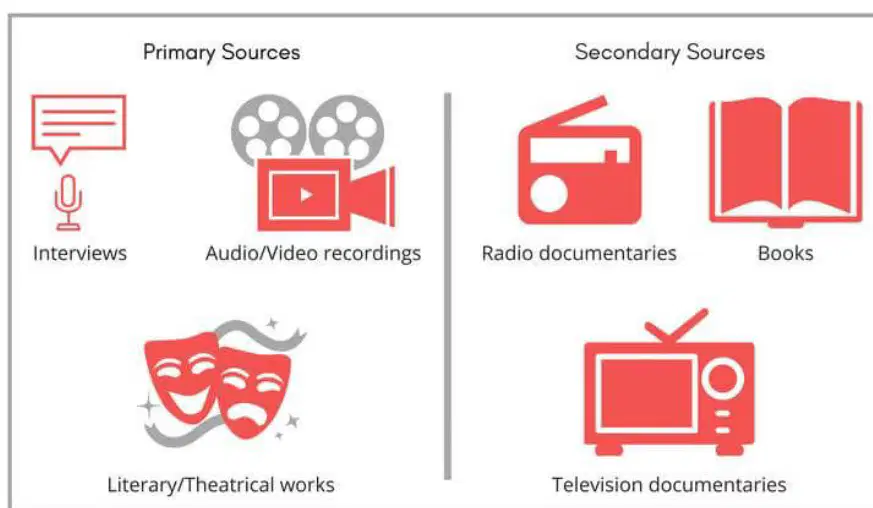
What type of source is an audio/video recording?
Primary Source
Secondary Source
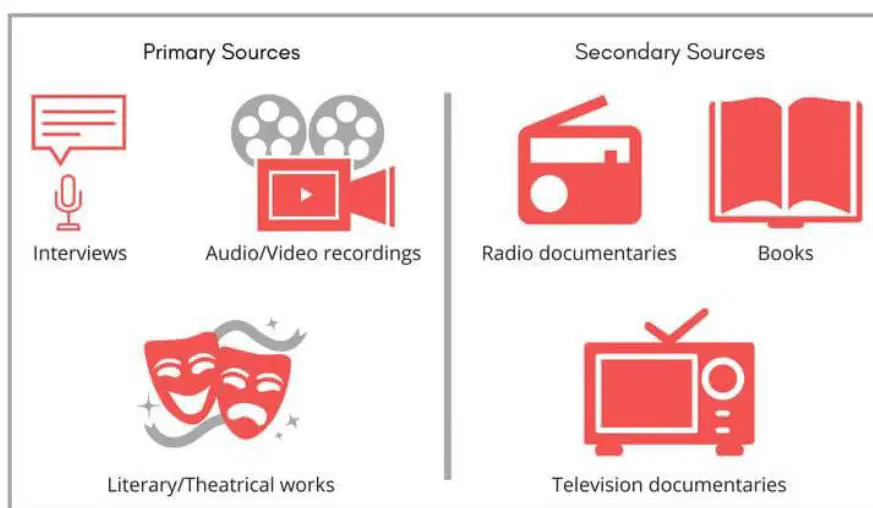
What type of source is a radio documentary?
Primary Source
Secondary Source
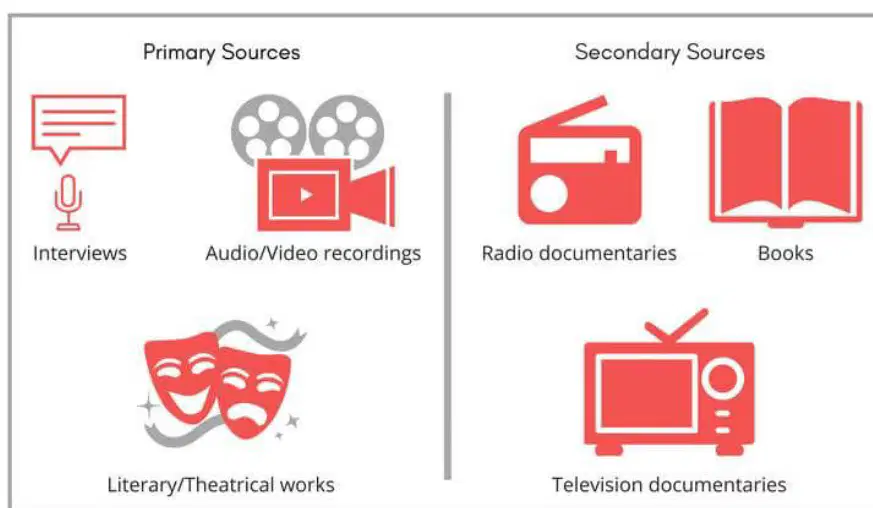
What type of source is a book?
Primary Source
Secondary Source
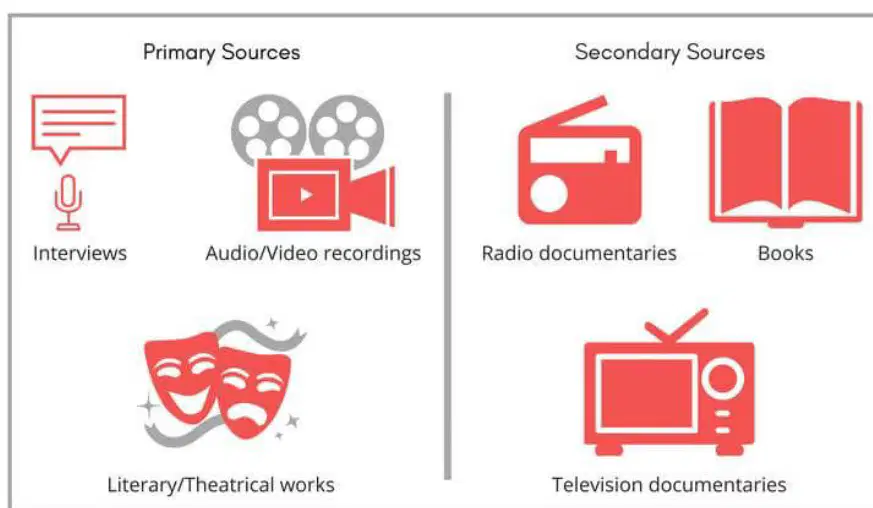
What type of source is a literary/theatrical work?
Primary Source
Secondary Source
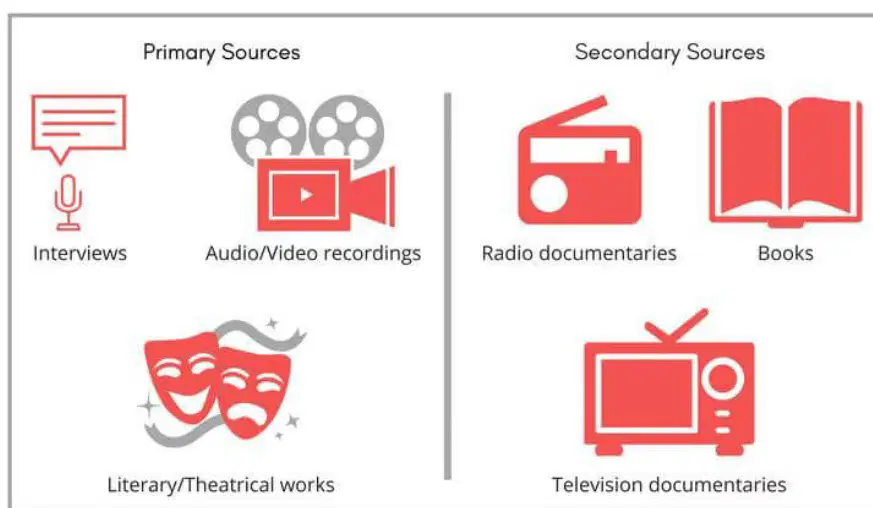
What type of source is a television documentary?
Primary Source
Secondary Source
Fill in the blank: A Secondary Source is an _________
encyclopedia
autobiography
personal diary
eyewitness account
Fill in the blank: A Primary Source can be a _______, _______, or _______.
photo, diary, letter
textbook, encyclopedia, website
movie, novel, poem
magazine article, blog post, podcast

Define a land bridge.
a strip of land connecting two continents
a mountain range separating two countries
a river flowing between two lakes
an island in the middle of the ocean

What effect did the invention of tools have on early humans?
They increased their chances of survival.
They made early humans weaker.
They caused early humans to stop hunting.
They led to the extinction of early humans.
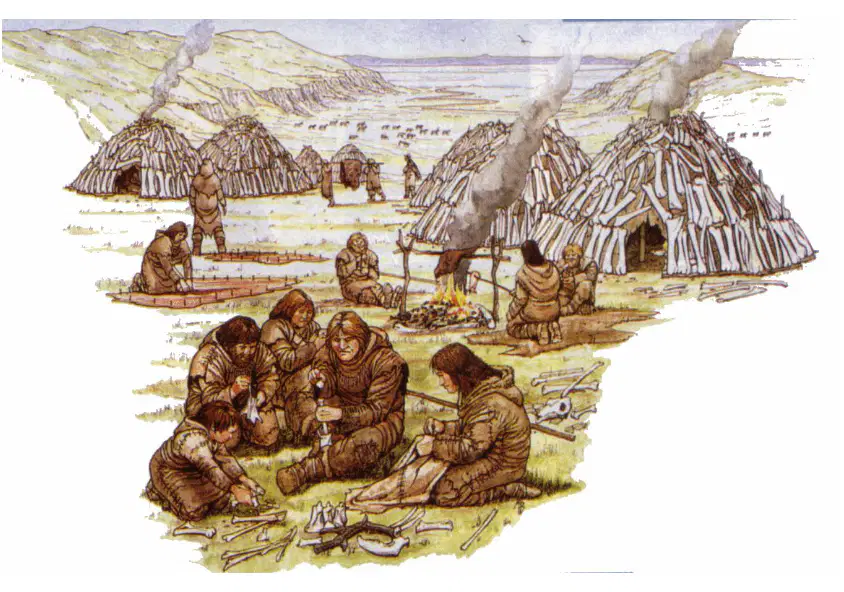
Why did people need to make clothes and build shelters after migrating out of Africa?
The climate was colder.
They wanted to follow new fashion trends.
They needed to hide from wild animals.
They were required to by new laws.

A surplus of food enabled the people of ancient times to ____.
specialize and divide labor
move to colder climates
stop using tools
worship new gods
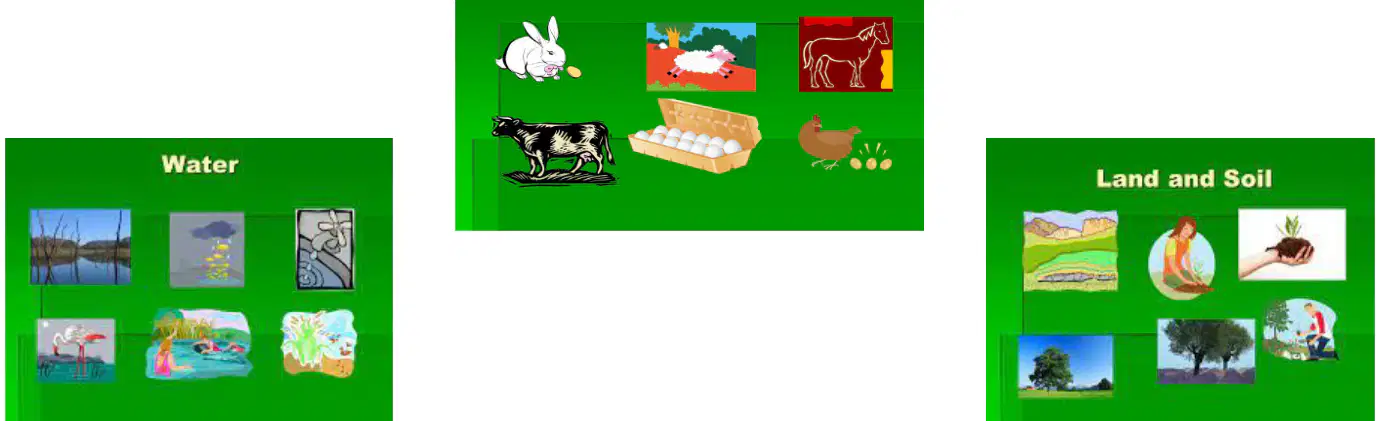
According to the passage, what were the essential resources (most important) used by early peoples?
Water, animals, and fertile land (natural resources)
Gold, silver, and diamonds
Oil, coal, and gas
Computers, cars, and phones
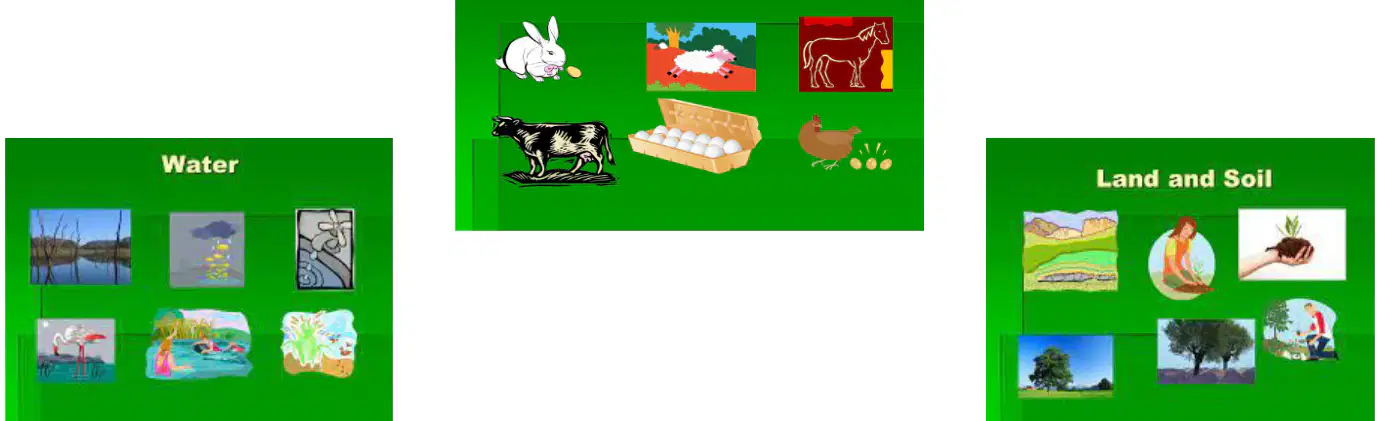
Which of the following is an example of a natural resource used by early peoples? Fill in the blank: Early peoples used ________ as an essential resource.
water, animals, or land and soil
plastic toys
cell phones
concrete buildings
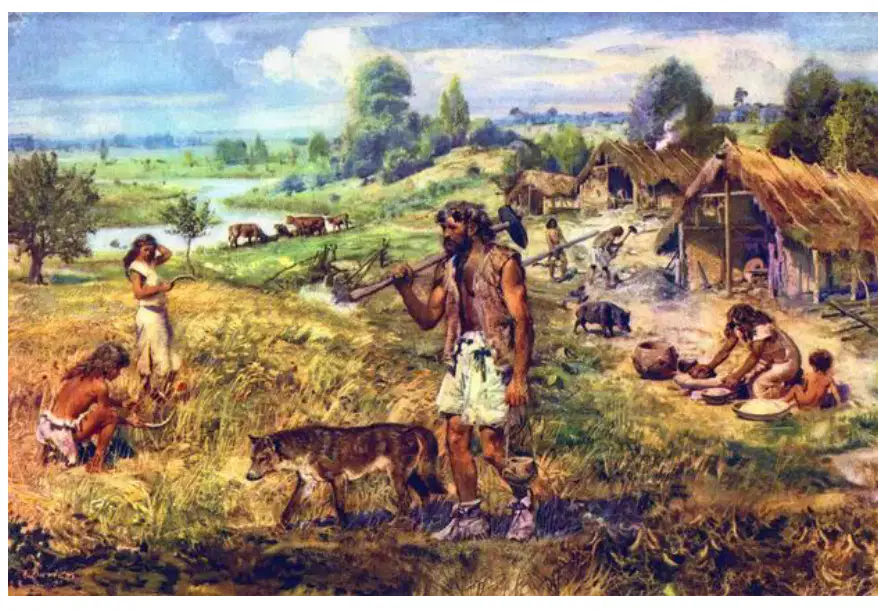
What would early people look for as they decided where to settle?
A location near enough food and water.
A place far from any water sources.
A location with no access to food.
A place in the middle of a desert.
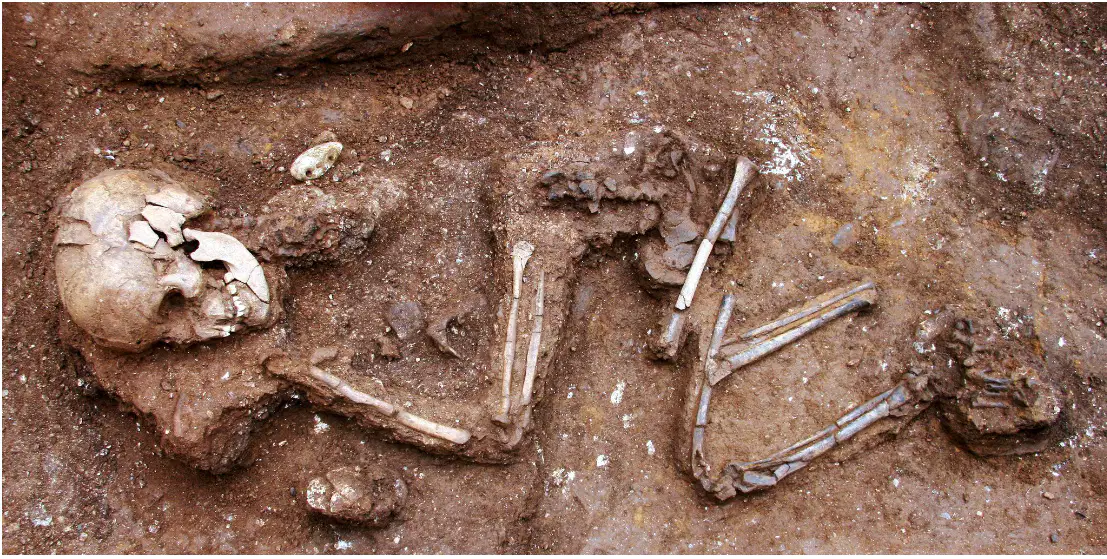
Why is the study of ancient bones important to us today?
gives us information about our human ancestors.
helps us predict the weather.
teaches us how to build modern houses.
shows us how to use computers.
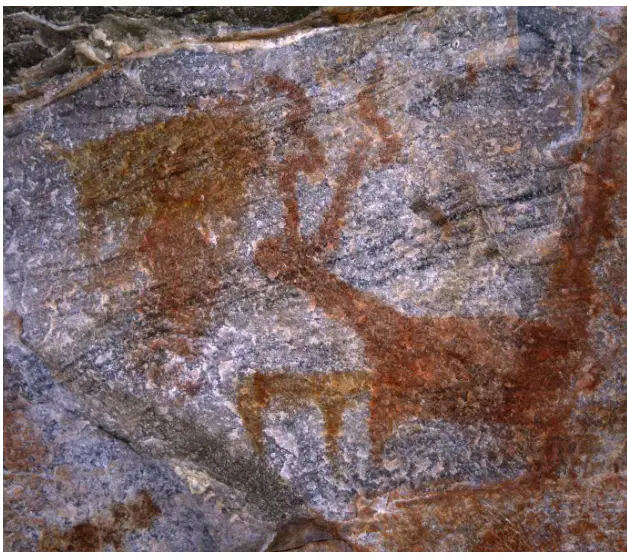
Since the hunter-gatherer societies did not have a written language, archaeologists needed to study primary sources. What are examples of sources they would study?
Bones, art, and grave sites.
Modern books and newspapers.
Digital photographs and emails.
Recorded music and radio broadcasts.
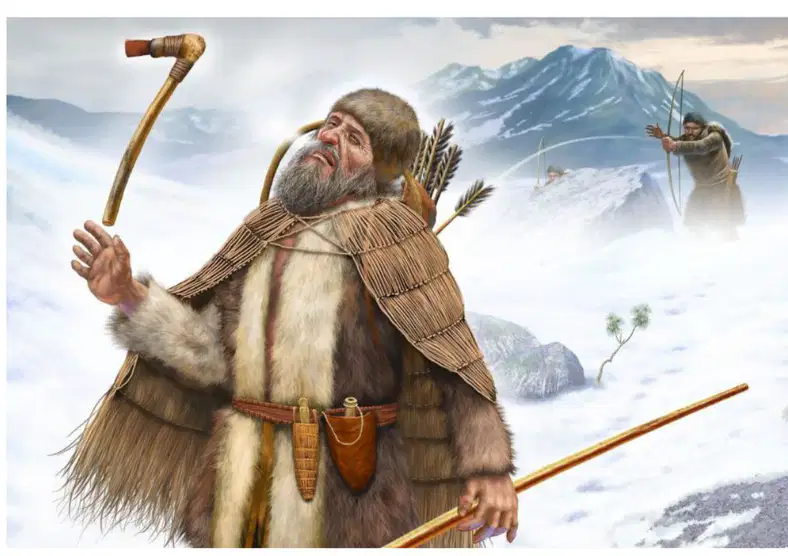
Why wasn't the Iceman's (Ötzi) body discovered for thousands of years?
His body was covered by glaciers. He was found in the ice.
He was buried deep underground by ancient people.
His body was hidden in a cave far from human settlements.
He was lost in a dense forest that was never explored.

Fill in the blank: ________ is a type of natural resource.
Vegetation
Plastic
Concrete
Glass
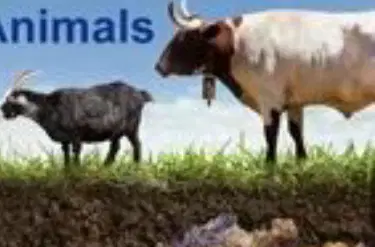
Fill in the blank: ________ are a type of natural resource.
Animals
Cars
Plastic bags
Computers

Fill in the blank: ________ is a type of natural resource found beneath vegetation in the diagram labeled 'Types of Natural Resources'.
Soil
Air
Sunlight
Water
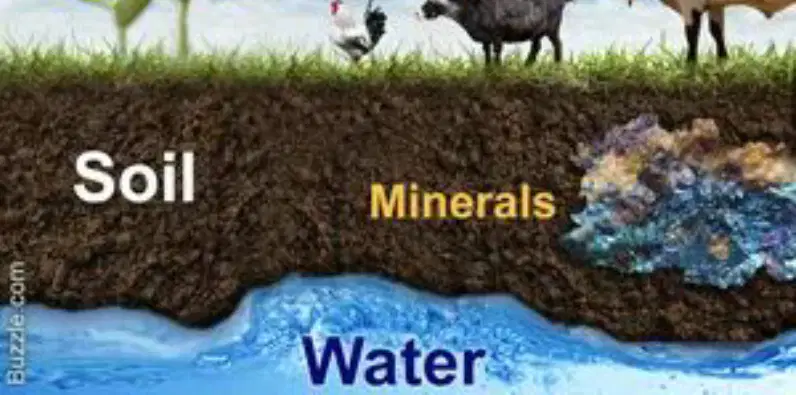
Fill in the blank: ________ are a type of natural resource shown as colorful rocks in the diagram labeled 'Types of Natural Resources'.
Minerals
Water
Air
Soil

Fill in the blank: ________ is a type of natural resource shown at the bottom of the diagram labeled 'Types of Natural Resources'.
Water
Plastic
Glass
Steel

What common geographical feature was most important to the ancient civilizations of Egypt, Mesopotamia, China, and India?
Rivers
Mountains
Deserts
Forests
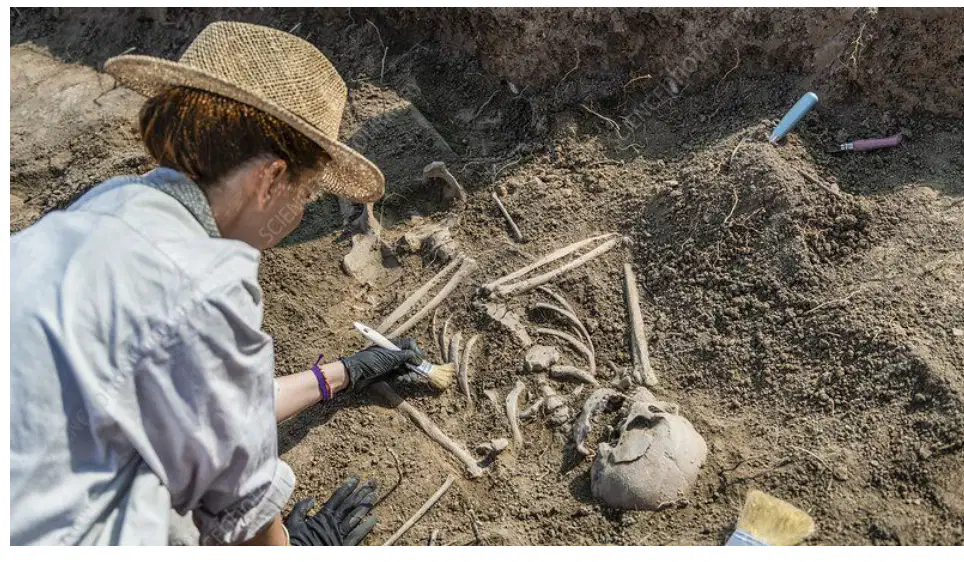
Define archaeologist.
A person who studies artifacts from the past. They would most likely study the site of an ancient battle field or the ruins of an ancient city.
A person who studies the stars and planets.
A person who writes novels and stories.
A person who builds modern skyscrapers.
What does the Paleolithic Era mean? Fill in the blank: Paleolithic Era means _______.
pre
modern
future
industrial
What does the Mesolithic Era mean? Mesolithic Era means _______.
middle
ancient
modern
future
What does the Neolithic Era mean? Fill in the blank: Neolithic Era means _______.
new
old
stone
ancient
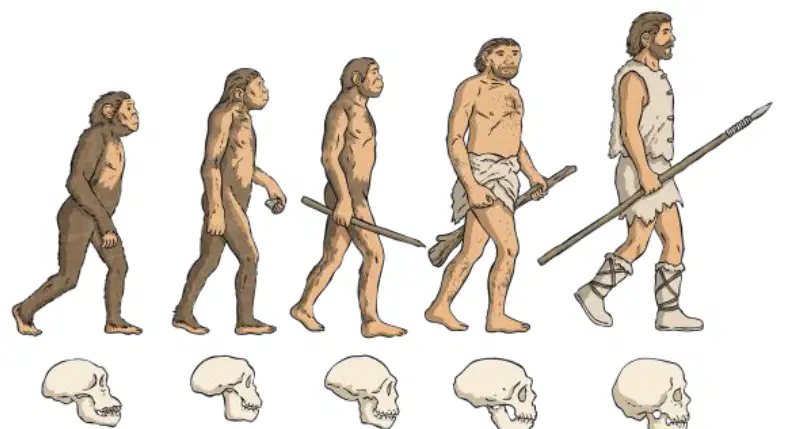
Match the following stages of human evolution with their correct meanings/characteristics:
Australopithecus
always
Homo Habilis
handy man
Homo Erectus
upright man
Homo Sapiens
wise man
What is the meaning of 'Homo Habilis'?
wise man
handy man
upright man
always
Which stage of human evolution is known as the 'upright man'?
Australopithecus
Homo Habilis
Homo Erectus
Homo Sapiens
Fill in the blank: Homo Sapiens means _________.
wise man
strong man
ancient man
modern man

