
 Worksheets
12/22
Total questions: 114
Worksheet time: 57mins
A 54-year-old female undergoes an C6/7 ACDF via right sided approach and does not have any new postoperative deficits. Three days later, she develops burning pain to her left shoulder region followed by loss of shoulder abduction and weakness of elbow flexion. Post-operative MRI of the cervical spine was unremarkable. Which one of the following is most likely?
Cage migration
Epidural hematoma
Traction injury to brachial plexus from taping of shoulders
Parsonage-Turner syndrome
C7 palsy
An 18-year-old male is brought into the emergency room after diving into a shallow pool. He is awake and alert, has intact cranial nerves (CNs), and is able to move his shoulders, but has a flaccid quadriplegia and a sensory level at C5. Which one of the following statements regarding medical management of SCI is most accurate?
Methylprednisolone should be administered if the injury was within 3 h of arrival to the emergency department (30 mg/kg bolus followed by a 5.4-mg/kg/h infusion for 24 h)
Class II studies have shown therapeutic efficacy of methylprednisolone in improving motor function in acute spinal cord injury
Class I studies have shown significant harmful side effects associated with methylprednisolone in spinal cord injury
Maintenance of mean arterial pressure from 85 to 90 mmHg in the first 7 days may improve spinal cord perfusion and outcome after SCI
Cardiovascular instability is unlikely to develop if the patient is initially stable on admission
Which one of the following is most accurate regarding placement of thoracic pedicle screws?
Varies widely depending on level
Straight-head screw trajectory is parallel to the facet joint
Anatomic screw trajectory is along the long axis of the pedicle
Entry point is where the transverse process joins the superior articular process just medial to the pars interarticularis
The pars interarticularis is the LEAST useful landmark
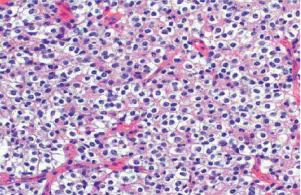
Which one of the following is the most likely diagnosis demonstrated in this histological section?
DNET
Gemistocytic astrocytoma
Glioblastoma multiforme
Medulloblastoma
Oligodendroglioma
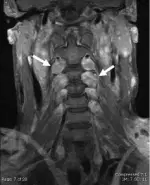
A 14-year-old female presents with progressive difficulty writing. An MRI shows multiple nodular areas running along the cervical nerve roots and brachial plexus. Examination of her eyes also shows iris harmartomas. What is the most likely diagnosis?
Ataxia-telangiectasia
Neurofibromatosis-2
Tuberous Sclerosis
Neurofibromatosis-1
Von Hipple lindau
Which one of the following is an absolute contraindication for administration of intravenous tissue plasminogen activator (tPA) for acute cerebral infarction?
History of aneurysm clipping six months prior to stroke onset.
Seizure at the onset of stroke symptoms.
Warfarin use with INR 1.3.
Platelet count of 80,000.
Abdominal surgery six weeks prior to stroke onset.
A patient with a history of left trigeminal neuralgia has undergone a percutaneous radiofrequency rhizotomy, which gave her 2 years of pain relief. This was followed by stereotactic radiosurgery of the trigeminal nerve root, resulting in absence of her lancinating pain. She now has new left facial pain that is constant and aching. On examination, her left face is anesthetic to light touch and pinprick. What is her diagnosis?
Type 2 trigeminal neuralgia
Symptomatic trigeminal neuralgia
Trigeminal deafferentation pain
Anesthesia dolorosa
Trigeminal neuropathic pain
According to randomized control trials of hemicraniectomy for malignant MCA infarction, what is the timeframe for the performance of hemicraniectomy associated with reduced mortality?
12 hours
24 hours
48 hours
3 hours
6 hours
The MOST common clinical feature of mesial temporal lobe seizures is:
Ictal oral automatisms
Ictal bicycling movements
Ipsilateral dystonic posturing.
Visual auras.
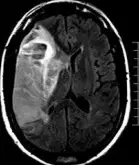
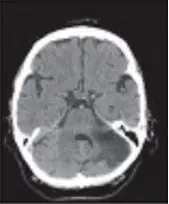
A 50-year-old male patient with a history of atrial fibrillation presents with acute onset left hemiparesis and drowsiness for 24 hours. MRI of the brain is shown. The National Institute of Health Stroke Scale (NIHSS) score is 16. What treatment option has been shown to decrease mortality rates for such a patient?
Intra-arterial tPA
External ventricular drainage
Medical management only
Mechanical thrombectomy
Decompressive hemicraniectomy
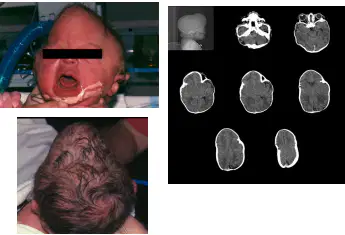
You are called to the NICU to see a 1-day-old child who appears as demonstrated in figures 1 and 3. His CT scan is shown in figure 2. He has been stable, although with occasional apnea when agitated. On exam, he has a bulging fontanelle. His parents wish to pursue aggressive care. When should he undergo a cranial vault procedure?
At 12 months of age.
At 6 months of age.
At 18 months of age.
At 24 months of age.
In the next several days.
A pineal mass was completely resected and the pathologist diagnoses a mature teratoma. What is the best treatment for this patient?
Fractionated local radiation therapy
Craniospinal irradiation
Chemotherapy
Radiosurgery to the resection cavity
Observation
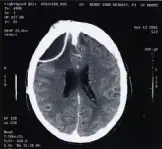
A 75-year-old woman presents 3 months after resection of a frontal meningioma with complaints of headache, low-grade fevers, and a tender fluctuance under her previous created craniotomy flap. A contrast-enhanced computed tomographic scan of her head is shown in the figure. What is the most common organism for a post-surgical infection after elective craniotomy?
Enterococcus sp
E. Coli
Streptococcus
Propionibacterium acnes
Staph. aureus
A 22-year-old sustained a spinal cord injury after a fall with an L2 burst fracture and canal compromise. More than half of the muscles below the level of injury have a strength grade less than 3. There is impaired pain and temperature sensation below the middle of the thighs bilaterally, but preserved light touch and proprioception. There is bilateral Babinski's sign and loss of anal tone and wink reflex. According to the 2000/2002 ASIA Standards, what (modified) ASIA Impairment Scale classification is this patient?
D
A
C
B
E
A 5-year-old undergoes surgical resection of a posterior fossa medulloblastoma followed by chemotherapy and total neuroaxis radiotherapy, with a boost to the posterior fossa. Which endocrinological complication is most likely after radiotherapy for a posterior fossa tumor in childhood?
Addison's Syndrome
Cushing's Syndrome
Diabetes Insipidus
Growth Hormone Excess
Growth Hormone Deficiency
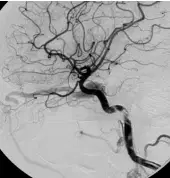
A 34-year-old female presents with spontaneous proptosis and chemosis of the left eye. Cerebral angiography (left common carotid injection) is shown. What is the best management option?
Craniotomy
Optic nerve sheath fenestration
Transvenous embolization
Transarterial carotid sacrifice
Ventriculoperitoneal shunt
A 55-year-old man presents to the emergency department with an acute onset of right hemiplegia that occurred 30 minutes prior. CT scan is negative for hemorrhage. What factor would contraindicate the administration of IV tPA?
INR of 1.5
Refractory hypertension (SBP>180mmHg)
Severe Symptoms (NIHSS>8)
Past medical history of bleeding stomach ulcer 2 years ago
Major surgery 12 months ago
With respect to microsurgical resection of vestibular schwannomas, when the facial nerve loses intraoperative proximal electrical responsiveness, what factor is most predictive of facial nerve recovery postoperatively?
Anatomical preservation of the facial nerve
Cystic tumor features
Surgical approach
Surgery for recurrent tumor
Tumor size
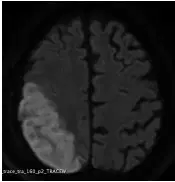
A 68-year-old man undergoes resection of a GBM. Post-operative imaging is shown. He awakes from surgery with left arm numbness and mild weakness. What is the most likely cause of his new deficit?
Seizure
Abcess
Ischemia
Edema
Direct injury to neural structure
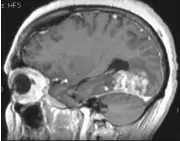
A 44 year old man presents with seizure, headache, and left visual field cut. MRI is shown. What is the most likely benefit of embolization for this lesion?
Decreased risk of seizures
Reducing AVM volume for subsequent treatment
Complete obliteration of the AVM
Decreased risk of rupture before further therapy
Improvement of vision
A 40 year-old woman presents with acute headache, mild right arm weakness and a CT scan showing a small hemorrhage in the left frontoparietal region. Cerebral angiogram shows a 4 cm compact, superficial AVM with superficial venous drainage and deep perforating arteries. What factor increases this patient’s surgical risk?
Compact architecture
Deep perforating arteries
Superficial venous drainage
Superficial location
Ruptured Presentation
How does the amount of radiation differ when standing 4 feet away from a radiation source as opposed to 1 foot?
1/4
1/64
1/8
1/16
1/12
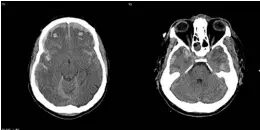
A patient presents after a MVA with the head CT shown in the figure. His GCS is 14. His blood alcohol level is 0.31%. What is the most appropriate initial management?
Admit to ICU for observation
Intubate, sedate, and monitor ICP
Placement of ventriculostomy
Bifrontal craniotomy and evacuation of SDH
Bifrontal decompressive craniectomy
Which of the following are the cardinal motor symptoms of Parkinson disease (PD) that are most amenable to treatment with deep brain stimulation (DBS)?
Dyskinesia, bradykinesia and rigidity
Bradykinesia, rigidity and tremor
Dystonia, dyskinesia and tremor
Dyskinesia, dystonia and freezing of gait
Freezing of gait, rigidity and tremor
Which of the following pedicle screw characteristics increases pullout strength?
increased minor - major diameter ratio
tapered screw shape
smaller inter-thread distance
unicortical purchase
bilateral screw triangulation with crosslink
A 65-year-old male with a history of hypertension and diabetes presents to the emergency room after experiencing severe headache. The Glasgow Coma Scale (GCS) is 14. On head CT scan, the patient was found to have a 2 cm acute cerebellar hematoma with no hydrocephalus. What is the most appropriate management?
Posterior fossa craniectomy
Medical management in an ICU setting
External ventricular drainage
Stereotactic aspiration and infusion of thrombolytic agents
Surgical evacuation
A four-year-old presents with occipital headaches and a lesion on brain MRI. He also has cafe-au-lait spots and axillary freckling. Patients with his disease are most likely to have a tumor in what intracranial location?
Auditory canal
Brainstem
Cerebral cortex
Cerebellum
Optic pathway
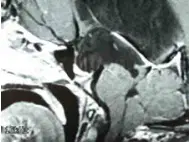
An 8-year-old girl presents with obstructive triventricular hydrocephalus requiring endoscopic exploration of the ventricular system. What is the most appropriate site for surgical fenestration?
Third ventricle floor anterior to the mammillary bodies
Septum pellucidum superior to the fornices
Pineal recess
Laminate terminalis above the suprachiasmatic recess
Third ventricle floor anterior to the infundibular recess
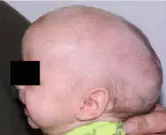
A 9 month old boy presents with single sutural synostosis (figure 1). On exam his fontanelle is closed and there is no papilledema. What associated finding may be diagnosed in this patient?
Chiari type II malformation
Syringomyelia
Tethered cord syndrome
Increased intracranial pressure
Dandy-Walker malformation
Aside from bilateral ICA occlusions, what is a typical angiographic finding in moyamoya disease?
Fetal posterior cerebral artery
Diffuse hypertrophy of the lenticulostriate arteries
Persistent fetal trigeminal artery
Duplication of the M1 segment of the middle cerebral artery
Bilateral giant internal carotid artery aneurysms
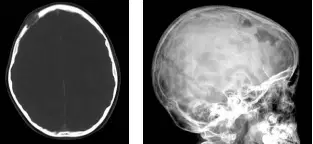
An 8-year-old male complains of a painful swelling of his left forehead. Its onset was insidious, starting several weeks earlier. Radiographs are shown in Figures 1 and 2. What is the most likely diagnosis?
Osteoblastoma
Fibrous dysplasia
Eosinophic granuloma
Dermoid cyst
Osteoid osteoma
A 40 year old male develops left facial droop and left hemiparesis 48 hours after a motor vehicle accident despite initially being neurologically intact after the accident. A non-contrast head CT at the time of deterioration is negative. The most appropriate next diagnostic evaluation is:
Cerebral perfusion study.
CT angiogram of the cervical spine.
Flexion Extension C-spine XRay
ICP monitoring.
CT of the cervical spine.
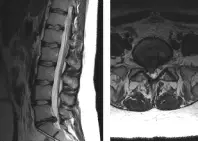
This lumbosacral spine MRI (figure) is from a 23-year-old woman who presented with severe low back pain radiating to her right leg. Which nerve root is most likely compressed by the herniated disc?
Traversing S1 nerve root
Traversing L5 nerve root
Exiting S1 nerve root
Traversing L4 nerve root
Exiting L5 nerve root
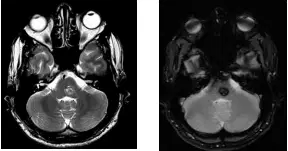
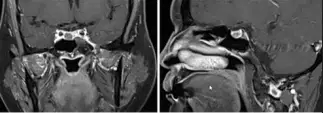
A 38 year-old presents with a one month history of difficulty swallowing, mild hoarseness and right facial numbness and tingling. The imaging studies are shown below. What is the most likely diagnosis?
Cavernous angioma
Capillary hemangioma
Arteriovenous malformation
Medulloblastoma
PICA aneurysm
A 60 year old patient presents to the emergency department with a history suggestive of acute ischemic stroke. What is the best brain imaging modality to confirm the diagnosis?
Digital Subtraction angiography
PET scan
Noncontrast CT scan
Magnetic resonance imaging
CT angiography
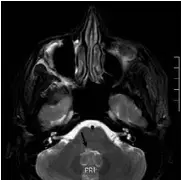
A 25-year-old man presents with a new onset of right facial droop associated with horizontal diplopia. MRI of the brain shows a brainstem hyperintensity on T2 and FLAIR images (see figure). What anatomical structure is affected by this lesion causing the diplopia?
Abducens nucleus
Abducens fibers
Medial longitudinal fasciculus
Trochlear nucleus
Trapezoid body
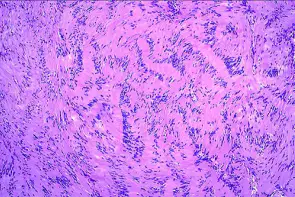
The tumor represented in this photomicrograph most frequently occurs in association with what condition?
Von Hippel-Lindau syndrome
Tuberous sclerosis
Turcot syndrome
Neurofibromatosis-2
Sturge-Weber syndrome
A 15 month old infant is brought to the emergency room 4 hours after a fall during which he sustained a cephalohematoma. He is opening his eyes when asked, is crying, and is holding onto a toy. Parents report that he has vomited twice. What is his GCS score?
Does not apply to preverbal children
Does not apply to children less then 5 years old
15
13
12
A 58 year old woman with a history of breast cancer presents with lower thoracic spine pain. The pain is worse at night and does not worsen with movement. She is neurologically intact. An MRI reveals a contrast-enhancing lytic lesion isolated to the T12 body without evidence of fracture. There are multiple smaller lesions noted throughout her entire spinal axis. She is currently undergoing systemic therapy for her bone only disease. What is the most appropriate treatment option for this patient?
Percutaneous biopsy and vertebroplasty followed by radiosurgery.
Percutaneous biopsy and vertebroplasty followed by conventional fractionated radiotherapy.
T12 vertebrectomy with pedicle screw instrumentation followed by radiotherapy.
Fractionated external beam radiotherapy.
Posterior T12 laminectomy with pedicle screw instrumentation followed by radiotherapy.
A 60 year old patient presents to the emergency department with a history suggestive of acute ischemic stroke. What is the best brain imaging modality to confirm the diagnosis?
Digital Subtraction angiography
PET scan
Noncontrast CT scan
Magnetic resonance imaging
CT angiography
Which of these treatments influences the incidence of chronic subdural hematoma (cSDH) recurrence?
Burr hole drainage
Craniotomy
Amount of irrigation
Tranexamic Acid
External subdural drain
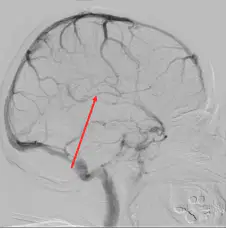
Anterograde blood flowing in the indicated vascular structure on this lateral projection cerebral angiogram drains into which structure?
Cavernous sinus
Inferior petrosal sinus
Inferior sagittal sinus
Vein of galen
Superior petrosal sinus
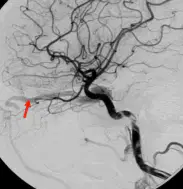
What structure does the arrow point to in the figure?
Superior ophthalmic vein
Internal jugular vein
Superior petrosal sinus
Cavernous sinus
Inferior petrosal sinus
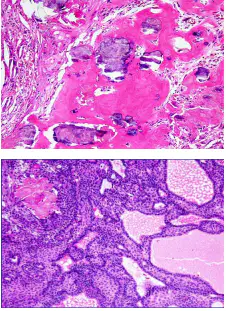
A 9-year-old male presented to his pediatrician with headaches and growth delay. He was found to have tumor in the region of the sella. Histology is shown. What is the most likely diagnosis:
Pilocytic astrocytoma.
Hypothalamic hamartoma.
Craniopharyngioma.
Pituitary adenoma.
Colloid cyst.
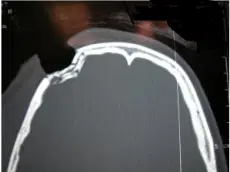
After being struck in the head, a 12 year old boy presents with a scalp laceration over a palpable skull deformity. A CT scan is obtained (Figure 1). His GCS is 14 (E3, M6, V5). What is the most appropriate management for this injury?
Bedside wound closure and IV antibiotics
Venticulostomy for ICP management
Bedside irrigation, debridement, and wound closure
Allow wound to heal by secondary intention
Surgical exploration, fracture elevation, and debridement
After being struck in the head, a 12-year-old boy presents with a scalp laceration over a palpable skull deformity. A CT scan is obtained. His GCS is 14 (E3, M6, V5). What is the most appropriate management for this injury?
Ventriculoperitoneal shunt
Syringo-subarachnoid shunt
Posterior cervical decompression
Anterior transoral odontoid resection
Posterior fossa decompression
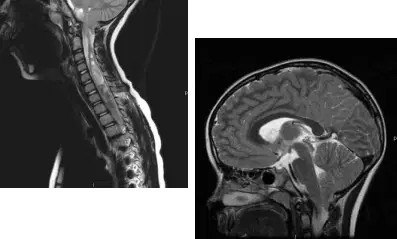
A 19-year-old male presents with tussive headaches located at the posterior base of the skull. Neurologic examination reveals weakness of the hands bilaterally with hypesthesia. MRI of the brain and cervical spine are shown in the figures. What is the best initial management strategy for this presentation?
Ventriculoperitoneal shunt
Syringo-subarachnoid shunt
Posterior cervical decompression
Anterior transoral odontoid resection
Posterior fossa decompression
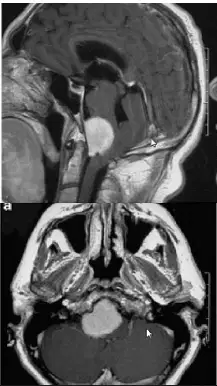
Pasien perempuan 53 tahun datang dengan keluhan gangguan kordinasi saat berjalan dan sering merasa seperti ingin pingsan saat berubah posisi dari duduk ke berdiri atau tidur ke duduk. Dari pemeriksaan fisik didapatkan hipestesia pada lengan, kekuatan motorik ekstremitas atas 5/4, kekuatan motorik ekstremitas bawah 5/5, pendekaran untuk operasi pada pasien tersebut adalah?
Retrosigmoid approach
Transoral transclival
Transpetrosal approach
Midline suboccipital approach
Far lateral approach
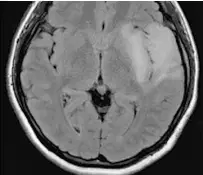
Seorang laki-laki berusia 27 tahun datang dengan kejang tonikklonik umum. Pada pemeriksaan tidek ada defisit neurologis residual atau gangguan bicara. Beberapa titik kalsifikasi terlihat pada CT Scan oleh karena itu dilakukan MRI. Manakan dari pernyataan berikut mengenai jenis tumor ini yang KURANG tepat?
Prognosis berkaitan dengan ekstensi dari reseksi
Penemuan MRS dapat meliputi peningkatan 2- hydroxyglutarate
Mayoritas pasien dengan lesi pada hemisfer dominan memiliki gejala kejang
Batasan tumor biasanya paling terlihat pada MRI sekuens T1 dengan kontras
Functional mapping merupakan keuntungan tambahan untuk dilakukan reseksi
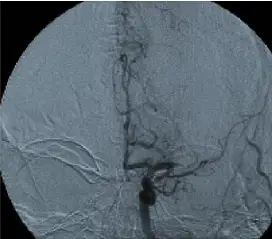
Seorang wanita berusia 30 tahun, 2 minggu setelah melahirkan, datang ke unit gawat darurat dengan hemiplegia, lethargi, dan deviasi gaze ke kiri yang onset 4 jam yang lalu. NIHSS 24. Apa manajemen terbaik untuk pasien ini?
Aspirin
IV abciximab
IV-TPA
Thrombectomy dengan stent retrieval
EC-IC bypass
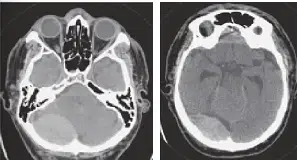
A 57-year-old patient presents with head injury after falling backwards and sudden onset of agitation. Two hours later her blood pressure is 220/110 mmHg, her heart rate is 39 beats per minute, and her consciousness is fluctuating. She is intubated and ventilated. CT is shown. Regarding this type of lesion and its location, which one of the following is LEAST likely to be an indicator for surgical evaluation?
Compression or loss of visualization of the temporal horns
Underlying depressed skull fracture
Neurological dysfunction or deterioration referable to the lesion
Distortion, dislocation, or obliteration of the fourth ventricle
Presence of obstructive hydrocephalus
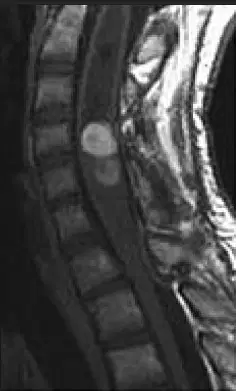
Seorang pria berusia 39 tahun datang dengan kesemutan di jari tangan dan kaki selama beberapa bulan terakhir. Tidak ada gangguan usus atau kandung kemih. Pada pemeriksaan, terdapat nyeri dan penurunan suhu cape-like pattern dan diekstremitas atas. ekstremitas atas lemah di distal 4/5 dan refleksnya secara umum meningkat dengan respons ekstensor plantar bilateral,. MRI ditampilkan . Manakah dari berikut yang paling mungkin?
Dekompresi foramen magnum
Operasi Reseksi diikuti dengan terapi radiasi
Operaasi Reseksi, diikuti observasi berkala
Operaasi Drainase Dilanjutkan dengan antibiotik intravena
Operasi Reseksi dilanjutkan dengan syringe shunt
Seorang pasien datang setelah 7 hari reseksi transpenoidal adenoma hipofisis dengan sakit kepala, leher kaku, demam dan keluar cairan bening dari hidungnya. Manakah dari berikut ini adalah manajemen yang paling tepat?
External Ventricular drain
Tirah baring dan Fungsi lumbal
Antibiotik empiris dan CT Kepala
Tirah baring dan lumbar drain
Endoscopic repair
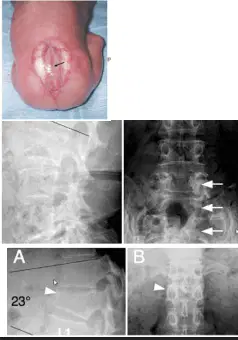
Pasien anak laki-laki lahir secara pervaginam, didapatkan klinis seperti pada gambar. Bagaimana kemungkinan prognosis status ambulasi pasien lahir dengan mielomeningokel tesebut?
Berdiri tidak bisa ambulasi
Ambulasi dengan kursi roda
Ambulasi independent
Bukan salah satu diatas
Ambulasi dengan ortose atau alat bantu berjalan
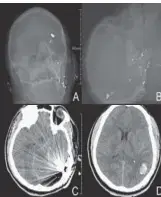
A 30-year-old boy was injured by an air gun rifle on the head 1 hour before admission. He was fully awake and no neurological deficit was found. Which of the following is an important component to patient care after a gunshot wound in this case?
Debridement and urgent removal of bullet fragments
CT angiography
Broad spectrum antibiotics only
Magnetic resonance imaging (MRI)
Early transcranial magnetic stimulation
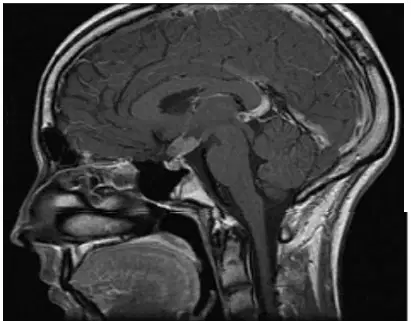
Seorang Wanita 17 tahun datang dengan Riwayat amenore sekunder selama 8 bulan. Baru-baru ii dia menyadari bahwa dia menjadi sering haus dan mengeluarka bayak urin. Pemeriksaan fisik biasa-biasa saja. Tes darah rutin normal dan profil endokrin menunjukka. FSG 5,5 UL ( olikel 0,5 – 5, pertengahan siklus 9-33, luteal 2-8), LH 2m8 U/L ( folikel 3 -12, pertengahan siklus 20-80, luteal 3-16) estradiol pmol ( folikel 17-260, luteal 180-1100, prolaktin 990 mU/L (60-620), kortisol 09.00 400nmol/L, glukosa darah paska case 5,5 mmol, kalsium serum 2,35 mmol/L (2,2-2,6). Tes kekurangan air, osmolaritasserum 300 mOsmol/kg. urin 200 mOsmol/ kg pada 6 jam, osmolalitas urin pasca DDAVP (desmopressin) 800 mOsmol/kg/ MRI kepala ditampilkan. Manakah dari pemeriksaan yang akan anda lakukan selanjutnya?
Serum dan CSF HCG dab AFP
Transpenoidal tumor reseksi
Tes toleransi insulin
Tes lapang pandang
Inferior petrosal sius sampling
Seorang pria berusia 23 tahun mengalami kecelakaan sepeda motor dengan penurunan GCS dari 15 menjadi 8. Pemeriksaan neurologis menunjukkan hemiparesis kiri dan dilatasi pupil dekstra. Apa langkah awal yang harus diambil untuk pasien ini?
Bolus mannitol 1 mg/kg IV
Bolus saline hipertonik (3%) 250 ml
Infusi cepat fosfenitoin 15 - 18 mg/kg
Lakukan lubang burr temporal kanan
Intubasi dan hiperventilasi
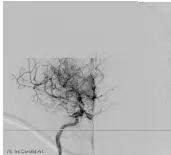
Pasien usia 23 tahun, datang dengan keluhan kelemahan sisi kanan tubuh. Pasien dilakukan DSA dengan hasil terlampir. Dimanakah letak patologi pada pasien tersebut?
Middle cerebral artery
Cervical internal carotid artery
Proksimal anterior cerebral segmen A1
Distal anterior cerebral artery segmen A1
Suparachnoid iternal carotid artery
Saat melakukan carotid endarterectomy, urutan oklusi pembuluh darah yang paling tepat adalah ?
common-internal-external
External-internal-common
External-common-internal carotid
Internal-external-common
Internal-common- external carotid
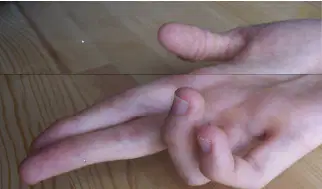
Seorang pria berusia 50 tahun, riwayat kecelakaan lalu lintas 2 bulan yang lalu. Pasien mengalami fracture humerus dan telah menjalani operasi ORIF. Saat ini, pasien mengeluh kesemutan, lokasi penyebab gangguan ini adalah?
Ligamentum guyon canal
Arcade of struthers
Aponeurosis fasia pada cubital tunnel
Ligamentum transversum pada carpal tunnel
Aponeurosis musculus bisep
Seorang pria berusia 45 tahun menjalani operasi dengan pendekatan subtemporal untuk aksus tumor dengan elevasi dura dari lantai fossa media dan tulang petrosus. Pascaoperasi, pasien mengeluh penurunan lakrimasi di sisi ipsilateral. Apa etiologi yang mungkin dalam kasus ini?
Cidera pada saraf vidian
cidera pada Greater petrosal nerve
Cidera pada ganglion genikulat
Cidera pada chorda tympani
cidera pada lesser petrosal nerve
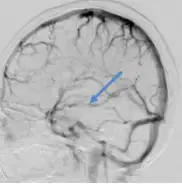
Which vein is indicated by the arrow in the figure?
Thalmostriate vein
Basal vein of Rosenthal
Vein of Trolard
Internal Cerebral vein
Vein of Galen
Kondisi apakah yang dapat disebabkan oelh oklusi arteri tersebut?
Kehilangan pendengaran kontralateral
Kehilangan sensasi vibrasi dan posisi kontralateral
Sindrom horner kontralateral
Ataksia ipsilateral serebral
Hemianestesia ipsilateral (harusnya kontralateral)
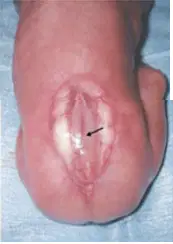
Pasien anak laki-laki lahir secara pervaginam didapatkan klinis seperti gambar. Abagaimanakah penatalksaan yang tepat?
penutupan defek dalam 24 jam
penutupan defek dalam 72 jam
penutupan defek segera
penutupan defek efekti saat usia 3 bulan
Konservatif
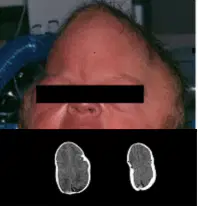
Anda menerima panggilan dari NICU untuk memeriksa anak usia 1 hari dengan tampilan CT scan dan klinis sesuai nsesuai gambar. Kondisi pasien stabil, dengan apnea sesekali aapabila teragitasi. Pada pemeriksaan didapatkan ubun-ubun menonjol. Kedua orangtua menginginkan tatalaksana yang agresif, pada usia berapa sebaiknya dilakukan prosedur pembedahan tulang tengkorak?
Sesegera mungkin
Saat usia 18 bulan
Saat usia 24 bulan
Saat usai 6 bulan
Saat usai 12 bulan
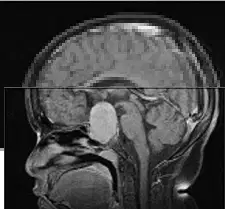
Pasien peremuan usia 30 tahun, dataeng dengan leuhan tidak menstruasi dan keluar air susu dari putting sejak 1 thaun yang lalu. Dari pemeriksaan didapatkan kadar prolactin serum 800. pasien sudah mendapatkan medikamentaosa tetapi tidak berhasil menurunkan kadar prolaktinoma dan direncanakan pembedahan. Hasil pemeriksaan MRI kepala kontras terlampir. Salah satu indicator prognostic paling signifikan pada pembedaha tersbut adalah
Hasil Pemeriksaan Lapang pandang
Jenis Kelamin
Kadar prolactin pre operatif
Usia pasien
Gangguan menstruasi
pasien anak usia 15 tahun dengan gangguan kesimbangan dan berjalan sempoyongan sejak . 1 bulan yang lalu. Pasien dilakukan RI didapatkan seperti pada gambar. Penatalaksanaan pasien? (gambar terpotong potong)
Drainase kista untuk menurunkan efek massa
Reseksi bedah pada mural node
Reseksi bedah murah node dengan bukti biopsy tumor positif. Aspirasi cairan kista
Reseksi mural node sampai engan 1 cm bebas tumor
Reseksi bedah mural node dan seluruh dinding kista
Seorang laki laki 50 tahun dengan riwayat 15 tahun bilateral tremor tangan (kanan lebih berat dari kiri) memberat saar bergerak seperti menulis dan dressing. Tremor lebih perbaikan dengan alcohol. Pasien tidak memiliki tremor resting atau rigiditas. Propanolol mengurangi tremor, namun efek samping membatasi penggunaanya. Apa diagnosis yang paling mungkin?
Tremor ortostatik
Tremor esensial
Diskinesia
Tremor distonik
Parkinson’s disease
Seorang pasien laki-laki 36 tahun dengan berat badan bertambahn, rambut wajah dan tubuh lebuh tebal. Juga mengeluh kelelahan dan kehilangan kendali emosi. Dari pemeriksaan fisik ditemukan hirsutisme dan obesitas truncal. Tingkat ACTH normal. Tidak ada kompromi visual. MRI hipofisis terlampir. Manakah dari pilihan berikut ini adalah manajemen yang tepat
Transpehoidal biopsy
Mulai pemberian octreotide
Laparoscopic adrenalectomy
Inferior petrosal sinus sampling
Tex dexamethasone dosis tinggi
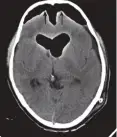
A 27-yo presents to ED after an assault. His GCS is 15/15 but he has evidence of facial fracture involving frontal sinus and avidence of some CSF rhinorrhea. He is admitted for observation and initial conservative management of CSF leak. On day 3 post injury he deelope three episode of vomiting and become drowsy. On examination he was obtunded and lethargic, but arrousable. His BP was 150/90 mmHg, HR 59x/m, and RR 20x/min and maintained a saturation 92% on room air. Ecamination revealed a dilated right pupil whereas the rest of neurological and systemic examination was normal. CT head wad repeated (shown). Which one of the following is most appropriante acute management?
High Flow Oxygen
Cranialization of the frontal sinus
Decompressive Craniectomy
Burr hole decompression
Minicraniotomy
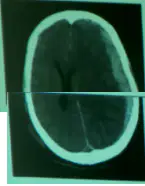
laki-laki berusia 24 tahun datang ke IGD pasca terjatuh dari tangga CT scan menunjukkan gambar di bwah. Tatalaksana yanag paling tepat adalah?
Penatalaksanaan medikamentosajika GCS <10
Evakuasi bedah tanpa mempertimbangkan GCS
Evakuasi bedah jika GCS <10
Evakuasi bedah jika GCS >11
Penatalaksanaan medikamentosa jika GCS >11
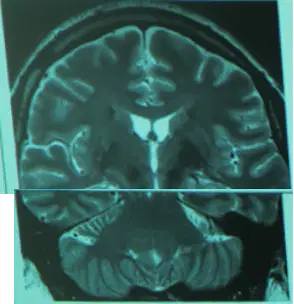
Laki-laki 34 tahun dengan kejang kompleks parsial dan generalisata sekunder yang resisten obat. Evaluasi pra-pembedahan epilepsy komprehensif menunjukkan epilepsi lobus temporal sisi kanan dan scleroris lobus temporal mesial. Apa prosedur bedah saraf yang berkaitan dengan angka bebas kejang paling besar pada kasus ini?
Stimulasi nervus vagus
Neurostimulasi responsosif pada komplek amygdalohippocampal
Corpus callostomy
Lobektomi temporal anterior
Transeksi subpial multiple
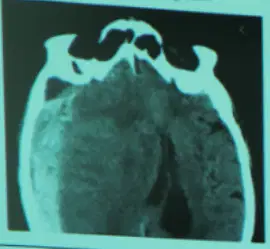
Seorang perempuan 29 tahun pasca kecelakaan motor. Dari pemeriksaan didapatkan hemiparesis sinistra dan pupil kanan dilatasi tidak reaktif, CT scan kepala di gambar. Apa tatalaksana yang paling baik?
Kraniotomi evakuasi hematoma
Tatalaksana konservatif
Ventrikulostomi, ICP monitoring
Burrhole temporal, drainase hematoma
Hemikraniektomi dekompresi kanan, evakuasi hematoma
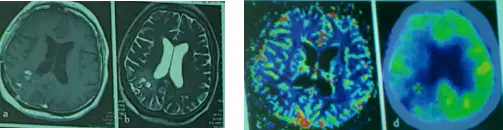
Laki-laki 45 tahun dengan kejang pertama kali. MRI tergambar di bawah ini. Apa yang dibutuhkan saat pembedahan reaksi yang masa ini?
Mapping bahasa awake
Mapping fungsi sensorik
Mapping motorik
Electiromyography
Somatosensory evoked potentials
Seorang perempuan 40 tahun dengan penyakit cushing berulang setelah reaksi transsphenoidal dengan MRI yang menunjukkan perluasan tumor kesinunkavernousus tanpa perluasan ke suprasellar. Pasien memilih untuk radopsurgery. Apa komplikasi yang paling sering terjadi setelah radiosurgery adenoma hipofisis?
Oklusi arteri karotis
Diabetes insipidus
Diplopia
Insufisiensi pituitary anterior
Penurunan tajam penglihatan
Gambaran klinis yang paling sering ditemui pada kejang lobus temporal mesial adalah
Gerakan bersepeda saat iktal
Automatisme oral iktal
Halusinasi iktal
Postur distonik ipsilateral
Aura visual
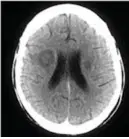
Seorang pria 47 tahun dengan penyakit HIV datang ke rumah sakit dengan kejang tonik-klonik. Pasien mengalami preumonia Pneumocystis carini enam bulan sebelumnya dengan jumlah limfosit T CD4 10 cell/mm3 dan kemudian memulai terapi antiretroviral. Jumlah CD4 terakhirnya, yang diambil satu bulan sebelum kejadian saat in adalah 50 sel/mm3. Pada pemeriksaan pasien tidak memiliki kelemahan fokal, tetapi terdapat respon plantar bilateral ekstensor. Fundoskopi normal. CT scan otaknya seperti berikut. Diagnosis yang paling mungkin adalah:
Demensia terkait AIDS
Abses serabri
Cerebral toxoplasmosis
Gioblastoma multiforme
Peneliti ingin membuat penelitian untuk mengetahui penyebab (atau beberapa penyebab) dan faktor risiko dari normopressure hydrocephalus. Desain penelitian yang paling tepat?
Prospective cohort
Cross-sectional
Geographical
Retrospective cohorts
Case control
When performing a trans-callosal approach for resection of a colloid cyst of the third ventricle, which structure is most useful as a landmark for orientation in the lateral ventricle?
Head of the caudate nucleus
Septum Pellucidum
Thalamostriate vein
Septal Vein
Body of the thalamus
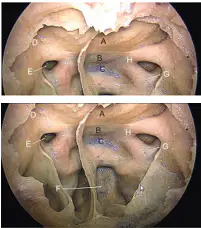
Tampilan endoskopi dari dalam sinus sphenois. Manakan dari label berikut yang secara tepat mengidentifikasi resessus optiko karotis?
F
D
H
E
G
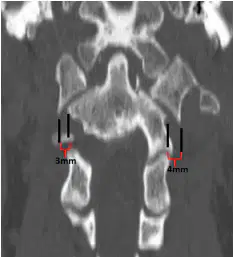
A 27 year old patient presents following a trauma that involved an axial load to the spine. He has undergone CT imaging. He notes neck pain but otherwise has a normal neurological examination. What does the following coronal CT scan of the cervical spine depict (figure)?
C1-2 Rotatory Subluxation
Occipital condyle fracture
Type 1 odontoid fracture
C2 Hangman's Fracture
Unstable C1 (Jefferson) fracture
Kecepatan konduksi potensial aksi ditandai dengan beberapa parameter. Jika kecepatan konduksi ditemukan meningkat, manakah dari prnyataan berikut yang kemungkinan besar menurun?
Amplitudo potensial aksi
Ratio pada saat gerbang NA+ membuka sebagai bentuk respon depolarisasi
Densitas gerbang Na+ seragam pada sepanjang fiber
Kapasitas membrane efektif
Konsentrasi gradien Na+
A 23-year-old male involved in motor vehicle accident exhibits neurological decline from an initial GCS of 15 to 8, with a neurological exam notable for left hemiparesis and right dilated pupil. What is the most appropriate initial step in management of this patient?
Right temporal burr hole placement
Fosphenytoin 15-18 mg/kg IV rapid infusion
Intubation and Hyperventilation
Mannitol 1 mg/kg IV bolus.
Hypertonic (3%) saline 250 mL bolus.
What imaging modality complements video-EEG, MRI and neuropsychological testing, in the standard pre-surgical evaluation of patients with medically intractable focal neocortical epilepsy?
DAT scan
Interictal SPECT imaging
Simultaneous EEG-fMRI
Resting state fMRI
Interictal PET imaging
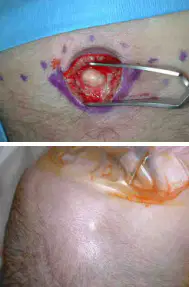
What finding is more frequently associated with nasal and occipital dermoid cysts compared to other locations?
Malignant transformation
Cyst rupture
Intracranial extension
Superinfection
Hydrocephalus
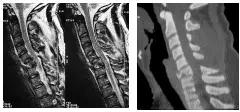
A 26 year old male presents after motor vehicle crash with absent right and partially preserved left lower extremity motor function (more than half of left leg muscles have less than antigravity strength). Sensation to pain and temperature is markedly diminished in the left leg. Proprioception is markedly diminished in the right leg . Neuro-imaging studies are obtained and depicted in Figures 1 and 2. Which spinal cord syndrome BEST describes the injury?
Anterior spinal
Central cord
Cauda equina
Posterior cord
Brown-Sequard
Tujuan utama dynamic stabilization techniques di tulang belakang yang paling tepat digambarkan sebagai yang mana cara berikut ini?
Meningkatkan tingkat spinal arthrodesis
Menurunkan gerakan antar segen dibandingkan dengan konstruksi yang ada saat ini
Menurunakan kegagalan implant
Produce less stress on adjacent vertebral segments/menungrangi tegangan pada segmen vertebra yang bersebelahan
Menghindari kebutuhan untuk pemasangan pedicle screw
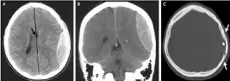
Laki-laki berusia 10 tahun dating dengan penurunan kesadaran disertai interval lucid pasca cidera kepala tertutup dan gambaran CT berikut. Sumber perdarahan tersebut....
Pemburuh darah diploe
Bridging vein
Arteri meningeal media
Arteri serebri media
Vena labbe
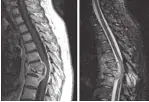
A 32-years-old presents with back pain and a new khypotic deformity after tripping up in his flat. T1 and T2 W MRI are shiwn. Which one of the following is most likely diagnosis?
Spinal tuberculosis
Pyogenic vertebral osteolyelitis
Multiple myeloma
Discitis
Ankylosing spondylitis
Pada trial terapi statin dalam rangka pencegahan stroke iskemik, terapi menunjukkan penurunan mortalitas dari 12% menjadi 8% dalam 5 tahun studi. Dibandingkan terapi standart, berapa jumlah pasien yang dibutuhkan untuk mencegah 1 kematian dalam 5 tahun?
10
5
20
50
25
A 5 year-old boy is brought to your clinic secondary to his parents' concern that his congenital scoliotic curvature is progressing. Scoliosis films are performed demonstrating a unilateral unsegmented bar at T9-10 with a 40% levoscoliosis. What can you tell the parents regarding the cause of this deformation and its natural history?
Segmentation failure with a high risk of continued, rapid progression of curvature
Scheuermann disease with a rate of progression less than that with a formation failure
Neurulation failure with a low risk of progression of curvature
Formation failure with a high risk of continued, rapid progression of curvature
Embryologic differentiation failure with a low risk of progression of curvature
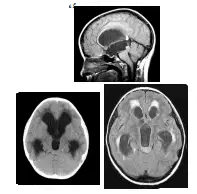
A 9-year-old girl visits her optometrist because of a 1-month progressive history of blurry vision and headaches. The optometrist notes papilledema. Imaging is obtained. What course of action is indicated?
LP shunt insertion
Lumbar puncture for cytology and markers
Endoscopic third ventriculostomy
Stereotactic biopsy
Conformal radiation therapy
Two days after performing heavy manual labor, your patient awakens with severe left shoulder pain, severe enough to require narcotics for relief. Ten days later, he notices rapidly progressive weakness of his left shoulder girdle muscles and biceps. Examination reveals a normal sensory exam. MRI of the cervical spine is unremarkable. What is the most likely diagnosis?
Parsonage-Turner syndrome
Amyotrophic lateral sclerosis
Amyotrophic lateral sclerosis
Brachial plexus stretch injury
Acute left C5-C6 disc herniation
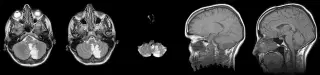
A 60 year old female presents with sudden onset of vertigo, headache, vomiting and imbalance. Her imaging (after 2 days) is shown. What is the cause of the patient’s symptoms?
Lhermitte-Duclos disease
Multiple sclerosis
Cerebellar abscess
Cerebellar astrocytoma
Cerebellar infarction
Manakah di antara berikut yang merupakan predictor terbaik untuk luaran bebas kejang setelah operasi epilepsy untuk kejang fokal dengan fokus epilepsy?
Riwayat kejang demam
Mesial temporal sclerosis
EEG preoperasi dan MRI yang sesuai
Focus kejang extratemporal
Low grade temporal glioma
In the case of intrakanalikular vestibular schwannoma, what is the advantage of the middle cranial fossa approach compared to the retrosigmoid approach?
Early identification of the distal facial nerve.
Decreased risk of postoperative seizure
Improved preservation of vestibular nerve function.
Decreased risk of injuring the greater superficial petrosal nerve.
Decreased risk of CSF leak.
A 76-year-old female with a history of diabetes mellitus and hypertension has asymptomatic atrial fibrillation. What medical management paradigm would best reduce her future risk of stroke?
Clopidogrel
Aspirin
Warfarin dan clopidogrel
Aspirin dan clopidogrel
Warfarin
When placing a bicortical sacral pedicle screw, which structure is most at risk with a laterally placed screw that penetrates the anterior cortex?
Lumbosacral plexus
S1 nerve root
Internal Iliac artery
Aorta
L5 nerve root
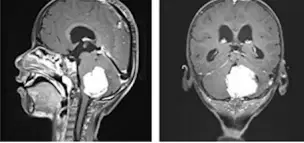
Pasien laki-laki, usia 5 tahun dengan keluhan gangguan berjalan sejak 3 bulan yang lalu. Pasien dilakukan pemeriksaan MRI dan didapatkan seperti gambar. Prognosis terbaik ditemukan pada tipe subgrup tumor:
SHH
Subgroup IDH Wild Type
Subgroup 4
WNT
Subgroup 3
According to AHA guidelines for the early management of ischemic stroke, within what time frame should IV tPA be administered after the onset of symptoms?
2.5 hours
3.5 hours
4.5 hours
1.5 hours
5.5 hours
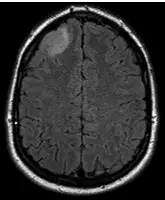
A 41-year-old woman underwent total large resection for the lesion shown (Image). Pathology confirmed grade 2 oligodendroglioma. What is the recommended course of treatment?
Serial MRI
Clinical Observation
Chemotherapy and Radiation
Chemoterapy
Radiation
A 40-year-old patient presents with a headache and subarachnoid hemorrhage due to an aneurysm. On physical examination, he is alert, aware, and non-focal with exception for the presence of right third nerve paresis and evidence of nuchal rigidity. What is the Hunt and Hess grade for this patient?
2
4
5
3
1
What is the maximum total dose of IV rtPA that can be given for acute ischemic stroke?
0.8 mg/kg
0.9 mg/kg
0.7 mg/kg
1 mg/kg
1.1 mg/kg
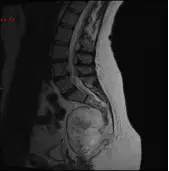
A 50-year-old woman presents with a one-year history of progressive low back pain and constipation. Magnetic resonance imaging demonstrates a large sacral mass (figure). She is neurologically intact. What is the most important next step to determine further management?
CT-guided biopsy of the mass
Proctoscopicexaminationtoassesstheconsistency of lesion
MRI with contrast of the pelvis
MRI of the skull-base
Formal urodynamics studies
A 35-year-old female underwent microscopic transsephenoidal resection of a nonfunctioning pituitary macroadenoma. Postoperative MRI demonstrates residual tumor in the right cavernous sinus lateral to the internal carotid artery. She has no neurological deficits. What is the most appropriate next step?
Craniotomy for resection of residual tumor
Endoscopic transsphenoidal resection
Expectant management
Medical treatment with cabergoline
Stereotactic radiosurgery of residual nodule
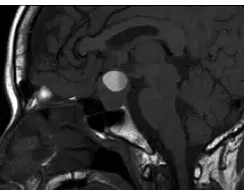
Laki-laki 45 tahun datang dengan keluhan nyeri kepala mendadak, mual, muntah, dan gangguan penglihatan. Pada pemeriksaan dia tidak didapatkan demam. Terdapat hipotensi dan takikardi tetapi tidak memiliki kekakuan leher atau fotofobia. Lapang pandang tampak menyempit pada tes konfrontasi. CT kepala menunjukkan hasil tidak normal, oleh karena itu dilakukan MRI. Manakah dari berikut yang merupakan manajemen akut yang paling tepat?
Tes Lapang Pandang
Dexamethasone
Lumbar Puncture
Transsphenoidal surgery
Pituitary profile dan mulai hidrokortison intravena empiris
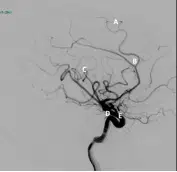
Pada angiografi lateral berikut, dimanakah lokasi yang menunjukkan adanya anuerisma pericallosum?
C
E
A
D
B
68 year-old male with a history of prostatic cancer presents with low-grade fever and severe low back pain progressing to include lower extremity numbness. Thoracic CT shows extensive destruction of the T11 and T12 vertebral bodies with relative sparing of the T11-12 disc space, as well as a large paraspinous abscess with calcification. Thoracic MRI shows a kyphotic deformity with enhancing soft tissue and bone extending into the anterior spinal canal and resulting in moderate stenosis and spinal cord compression. The MOST likely pathologic process is:
Osteoporotic compression fracture
Discitis - Staph epidermidis
Spinal tuberculosis
Pathologic fracture
Discitis- Staph aureus
What is the appropriate sequence of steps during AVM microsurgery?
Ligation of the draining vein(s) – nidus resection – coagulation of feeding arteries
Nidus resection - ligation of the draining vein(s) – coagulation of feeding arteries
Coagulation of feeding arteries – nidus resection – ligation of the draining vein(s)
Coagulation of feeding arteries – ligation of the draining vein(s) – nidus resection
Ligation of the draining vein(s) - coagulation of feeding artery - nidus resection
2 hari setelah kecelakaan kendaraan bermotor, seorang pria berumur 19 tahun mengalami sakit kepala hebat dan racoon eyes. Adanya ekimosis periorbital pada pasien dengan trauma kepala merupakan tanda dari?
Fraktur basis kranii
Ablasio retina
Perdarahan subdural
Hematome parenkimal
Jejas okular
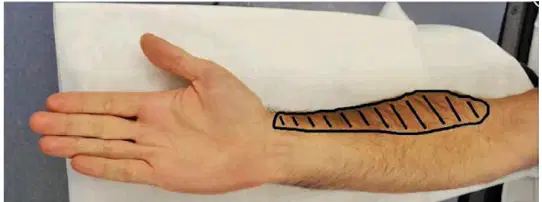
Pasien dengan keluhan baal pada area yang Digambar. Nerbus apa yang mempersarafi area tersebut?
radialis superfisialis
nervus ulnaris
medial antebrachial cutaneous
muskulokutaneus
medial cord
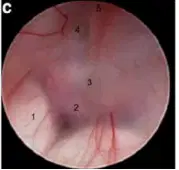
Berikut adalah tampilan endoskopi (ETV). Lokasi melakukan ventrikulostomi ventrikel III terletak pada?
4
3
2
1
5
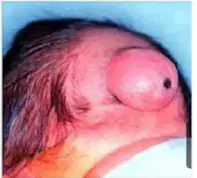
Seorang bayi perempuan cukup bulan lahir dengan kelainan benjolan pada belakang kepala seperti pada gambar. Bagaimana patogenesis Kelainan tersebut secara embriologi?
gangguan penutupan neural tube hari ke 22-23
gangguan penutupan neural tube hari ke 18-21
gangguan penutupan neural tube antara hari ke 26-28
gangguan penutupan neural tuber hari ke 24-25
bukan salah satu di atas
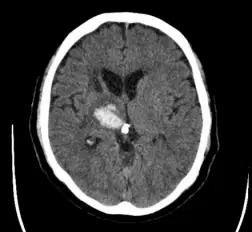
Pasien perempuan 52 tahun dengan keluhan sakit kepala dan hemiparesis sejak 4 jam yang lalu. CT scan dilakukan 2 jam pasca onset. Penatalaksanaan pada pasien tersebut?
Kraniotomi evakuasi hematom
Observasi dan pengaturan tekanan darah
Kraniotomi dekompresi evakuasi hematom
Hiperventilasi
Pemberian mannitol challenge test

