
 Worksheets
Internal Factors: Leadership Innovation and Ent.WK 3 MAY 25C
Total questions: 75
Worksheet time: 38mins

Fill in the blank: Leaders who ___ inspire teams to pursue ambitious objectives. (Drucker, 2002).
articulate clear innovation goals
avoid setting expectations
discourage risk-taking
focus solely on routine tasks

Who demonstrated how decisive leadership can drive breakthrough products like the iPhone at Apple?
Steve Jobs
Bill Gates
Sundar Pichai
Elon Musk
Fill in the blank: Successful innovation leaders ensure alignment between innovation initiatives and overall company _____
strategy
cafeteria
parking
uniform
Fill in the blank: Innovation thrives where ideas flow freely across hierarchical levels. This is an example of ________ communication.
open
vertical
restricted
formal
Fill in the blank: Google's '20% time' policy encourages employees to spend one-fifth of their time on personal projects. This is an example of ________ tolerance.
risk
time
resource
error
Fill in the blank: 3M embraces the 'fail fast, learn fast' approach, viewing setbacks as valuable learning opportunities. This is an example of ________ acceptance.
failure
success
risk
perfection
Fill in the blank: Companies like Microsoft actively seek diversity to bring multiple viewpoints to innovation challenges. This is an example of ________ perspectives.
diverse
limited
narrow
uniform
Fill in the blank: Amazon reinvests billions in ____ annually, enabling continuous innovation (Christensen, 1997).
R&D
Marketing
Real Estate
Legal Fees
Fill in the blank: SpaceX attracts top engineers by offering challenging problems and ____ mission.
inspiring
boring
routine
unimportant
Fill in the blank: 3M's successful Post-it Notes emerged from dedicated ____ time policy.
innovation
break
meeting
training
Fill in the blank: Samsung's dedicated innovation labs provide essential equipment and ____ support.
technical
financial
emotional
legal

Group Formation: Form teams of 4-5 students. Select a company known for innovation success or failure. Which company did your team select?
Apple
Kodak
Tesla
Blockbuster

What did you find about the leadership style, company culture, and resource allocation in your selected company?
They have a collaborative leadership style, a positive company culture, and allocate resources efficiently.
They have an autocratic leadership style, a negative company culture, and allocate resources poorly.
They have a laissez-faire leadership style, a neutral company culture, and allocate resources randomly.
They have a transformational leadership style, a competitive company culture, and allocate resources based on performance.

How did the internal factors you analyzed influence innovation outcomes in your selected company?
They had no impact on innovation outcomes.
They hindered innovation outcomes.
They positively influenced innovation outcomes.
They made innovation outcomes unpredictable.

Feedback Exchange: After presentations, discuss common patterns observed across different companies. What common patterns did you observe across the companies discussed in the presentations?
Similar management styles
Diverse product offerings
Consistent customer service approaches
All of the above
Fill in the blank: ______ recognized streaming potential before widespread broadband adoption (Kim and Mauborgne, 2005).
Netflix
Blockbuster
Hulu
Amazon
Fill in the blank: Entering too early (______) or too late (Blockbuster) can doom innovative products.
WebTV
Netflix
Amazon
YouTube
Fill in the blank: ______'s success stemmed from understanding changing music consumption patterns.
Spotify
Blockbuster
Kodak
MySpace
Fill in the blank: ______ conducts extensive user research to identify unmet needs and frustrations.
Apple
Amazon
Samsung
Sony
Fill in the blank: Toyota's Prius succeeded by monitoring competitors whilst creating a unique position. This is an example of _________.
Competitive Analysis
Market Saturation
Product Cannibalization
Backward Integration
Fill in the blank: Microsoft's Azure cloud platform emerged as a response to Amazon's AWS dominance. This is an example of _________
Strategic Response
Market Saturation
Backward Integration
Product Diversification
Fill in the blank: Tesla gained significant market share by pioneering premium electric vehicles. This is an example of _________.
First-Mover Advantage
Economies of Scale
Backward Integration
Brand Dilution
Fill in the blank: Samsung supplies components to Apple despite fierce competition in smartphones. This is an example of _________
Collaborative Competition
Vertical Integration
Hostile Takeover
Product Differentiation
Compliance Requirements: Pharmaceutical companies navigate complex ______ approval processes that impact innovation timelines (Blind, 2012).
FDA
IRS
EPA
FCC
Regulatory Opportunities: Renewable energy innovations thrived with government ______ and supportive policies.
incentives
restrictions
penalties
delays
Regional Differences: Uber faced varying regulatory responses across different ______ and cities.
countries
continents
continents
districts
Fill in the blank: Despite inventing digital photography, ______ failed to adapt its business model (Christensen, 1997).
Kodak
Canon
Sony
Fujifilm
Fill in the blank: ______ underestimated touchscreen technology's impact, losing market leadership.
Nokia
Apple
Samsung
Sony
Fill in the blank: ______ successfully pivoted from hardware to services when computing technology evolved.
IBM
Apple
Sony
Dell
Fill in the blank: ______ shifted resources to mobile processors as computing moved beyond desktops.
Intel
Microsoft
Apple
AMD

Select a specific industry undergoing significant innovation. Which of the following industries is currently undergoing significant innovation?
Automotive
Textile
Mining
Agriculture

Step 2: Map External Factors Identify key market, competitive, regulatory, and technological factors affecting your selected industry.
Identify key market, competitive, regulatory, and technological factors affecting your selected industry.
Develop a marketing plan for your selected industry.
Analyze internal strengths and weaknesses of your selected industry.
Create a financial forecast for your selected industry.
How do external factors interact and influence innovation outcomes in your selected industry?
They create opportunities and challenges that shape innovation.
They have no impact on innovation outcomes.
They only hinder innovation in the industry.
They ensure all innovations are successful.
Key insights from the analysis of external factors and their impact on innovation in your selected industry include:
Identification of market trends and regulatory influences
Internal process improvements
Employee satisfaction metrics
Historical financial performance
Fill in the blank: According to the case study on Apple iPhone's success, Jobs recognized the convergence of mobile, internet, and ______ technology. (West and Mace, 2010).
touch
battery
camera
display
Fill in the blank: The case study states that Apple's marketing excellence was due to simple messaging focused on benefits rather than ______ specifications.
technical
financial
legal
aesthetic
Fill in the blank: According to the case study, revolutionary user interface transformed the ______ experience.
smartphone
television
radio
desktop
Fill in the blank: The case study mentions that iTunes and App Store created powerful ______ effects.
network
visual
audio
pricing
Fill in the blank: In the case study on success, 'Market Disruption' refers to ___ .
challenging established automotive industry assumptions (Stringham et al., 2015)
increasing advertising budgets to boost sales
maintaining traditional business models
focusing solely on customer service improvements
Fill in the blank: In the case study on success, 'Product Innovation' made electric vehicles desirable through ______ and design.
performance
advertising
legislation
pricing
Fill in the blank: In the case study on success, the 'Business Model' used a direct-to-consumer sales model that bypassed traditional ______ networks.
dealership
retail
logistics
advertising
Fill in the blank: In the case study on success, 'Brand Vision' refers to Musk's compelling sustainable energy mission that attracted ______ customers.
devoted
occasional
indifferent
temporary
What was the price point of the Segway that made it prohibitively expensive for mainstream adoption? (Kemper, 2003)
$5,000
$500
$1,000
$2,000
How many Segways were sold in the first year, far below the predicted 100,000 units?
10,000
50,000
25,000
75,000
How many pounds too heavy was the Segway, making its bulky design limit practical everyday use?
6
12
3
20
How many regulatory hurdles did the Segway face, with many cities banning use on pavements and roads?
30+
5
100
12
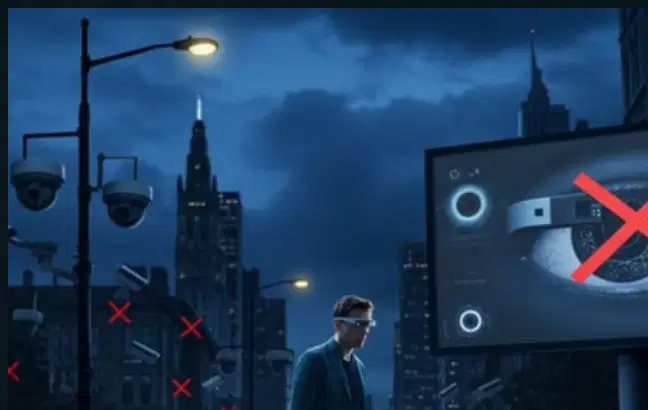
According to the case study, which of the following were reasons for the failure of Google Glass?
Privacy concerns
High cost ($1,500)
Unclear value proposition
All of the above

Fill in the blank: The 'Glasshole' perception demonstrated how ________ affects innovation success.
social acceptance
technological cost
market saturation
government regulation
What was the approximate cost of Google Glass that contributed to its limited adoption?
$1,500
$300
$500
$2,500
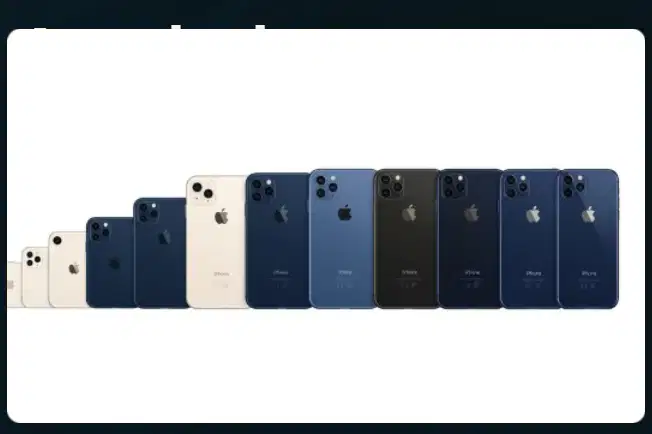
Which of the following lists three key internal and three external factors that contributed to iPhone's success?
Innovative design, strong brand, efficient supply chain; market demand, carrier partnerships, media buzz
Low pricing, limited features, weak marketing; high competition, poor reviews, slow adoption
Outdated technology, weak leadership, poor supply chain; low demand, no partnerships, negative media
Basic design, average brand, slow supply chain; niche market, few partnerships, little media attention
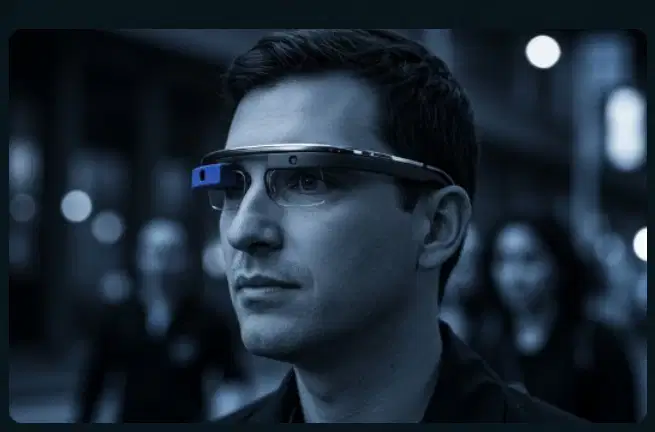
Glass Analysis: Which of the following internal and external factors contributed to Google Glass's consumer market failure?
High price and privacy concerns
Strong marketing and affordable pricing
Excellent battery life and widespread adoption
Robust app ecosystem and positive public perception
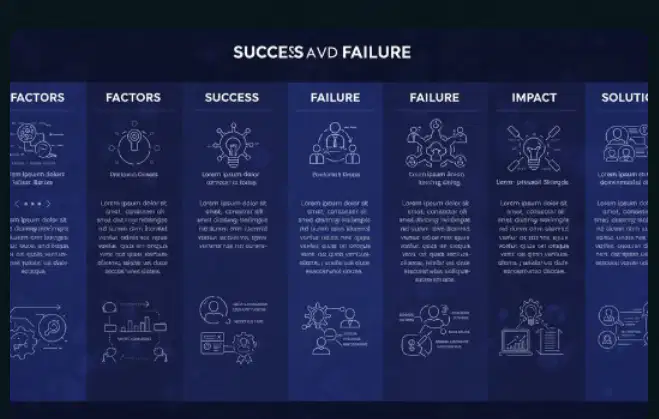
Which of the following best highlights the contrasting factors between the iPhone and Google Glass case studies?
Their market adoption and user interface design
Their release years and company founders
Their color options and battery life
Their advertising slogans

Fill in the blank: One of the key success factors for successful innovations is _________.
Clear Vision
Random Chance
Strict Hierarchy
Short-term Focus
Lack of Communication

Fill in the blank: One of the key success factors for successful innovations is _________.
Market Timing
Employee Turnover
Office Location
Product Packaging

Fill in the blank: One of the key success factors for successful innovations is _________.
Resource Allocation
Market Saturation
Random Chance
Strict Hierarchy

Fill in the blank: One of the key success factors for successful innovations is _________.
Culture
Luck
Procrastination
Isolation

Fill in the blank: One of the key success factors for successful innovations is _________.
User Focus
Random Chance
Strict Hierarchy
Ignoring Feedback
Short-term Profits
According to research, which of the following ranks highest in determining market success and adoption rates?
Clear Vision
Market Timing
Resource Allocation
User Focus
Research shows successful innovations consistently demonstrate five critical factors: Clear Vision, Market Timing, Resource Allocation, Culture, and User Focus.
True
False
What is the impact of Market Misread, as shown in the table 'Common Reasons for Failure'?
Critical
Severe
Significant
Minor
Which example is associated with Poor Timing in the table 'Common Reasons for Failure'?
Segway's misjudged target market
Microsoft Zune's late market entry
Blackberry's R&D constraints
Samsung Galaxy Note 7 battery problems
Fill in the blank: In the table 'Common Reasons for Failure', Blackberry's R&D constraints is an example of ________.
Resource Limitations
Market Saturation
Brand Dilution
Regulatory Issues
What is the impact of Execution Issues, as shown in the table 'Common Reasons for Failure'?
Critical
Severe
Significant
Minor
Match the following Failure Reasons with their corresponding Examples from the table 'Common Reasons for Failure':
Market Misread
Segway's misjudged target market
Poor Timing
Microsoft Zune's late market entry
Resource Limitations
Blackberry's R&D constraints
Execution Issues
Samsung Galaxy Note 7 battery problems
External Changes
Kodak's failure to adapt to digital
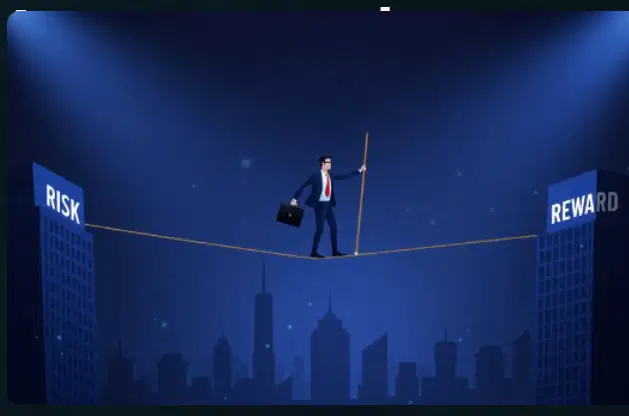
What do successful innovators assess whilst pursuing opportunities, according to Drucker (2002)?
Only the potential rewards
Potential downsides
The opinions of others
Market trends
Amazon balances low-risk improvements with high-risk _________.
moon shots
guesses
failures
mistakes

Toyota's kaizen philosophy treats failures as valuable ________ opportunities.
improvement
marketing
sales
recruitment
Fill in the blank: ________ will both enable new innovations and disrupt existing business models.
Artificial Intelligence
Traditional Marketing
Manual Labor
Paper Documentation
Fill in the blank: Environmental concerns increasingly drive innovation priorities across industries. This is known as ________.
Sustainability Focus
Market Saturation
Digital Transformation
Cost Leadership
Fill in the blank: Rapid iteration and continuous learning become standard innovation practices. This approach is called ________.
Agile Methods
Waterfall Model
Six Sigma
Lean Manufacturing
Fill in the blank: Collaborative approaches like Unilever's open challenges tap broader expertise. This is referred to as ________.
Open Innovation
Vertical Integration
Closed Innovation
Internal Benchmarking
Group Formation: Teams of 4-5 students with diverse backgrounds and perspectives can be created by:
Allowing students to self-select their groups
Randomly assigning students to groups
Grouping students based on similar backgrounds
Intentionally mixing students with different backgrounds and perspectives
Innovation Brief: Which of the following is the best way to develop a proposal addressing a real market need using concepts from today's lecture?
Identify a market gap, apply relevant lecture concepts, and propose a solution.
Copy an existing product and rebrand it.
Ignore market research and focus on personal interests.
Develop a proposal without referencing any lecture concepts.
Presentation: How would you present your innovation concept, highlighting internal and external factors considered?
By focusing only on internal factors
By focusing only on external factors
By highlighting both internal and external factors
By ignoring both internal and external factors
Understanding success and failure factors influenced my proposal by:
Helping me identify potential risks and opportunities.
Making the proposal longer.
Reducing the need for research.
Having no impact on my proposal.

