
 Worksheets
Hypertension Quiz 2025
Total questions: 20
Worksheet time: 10mins
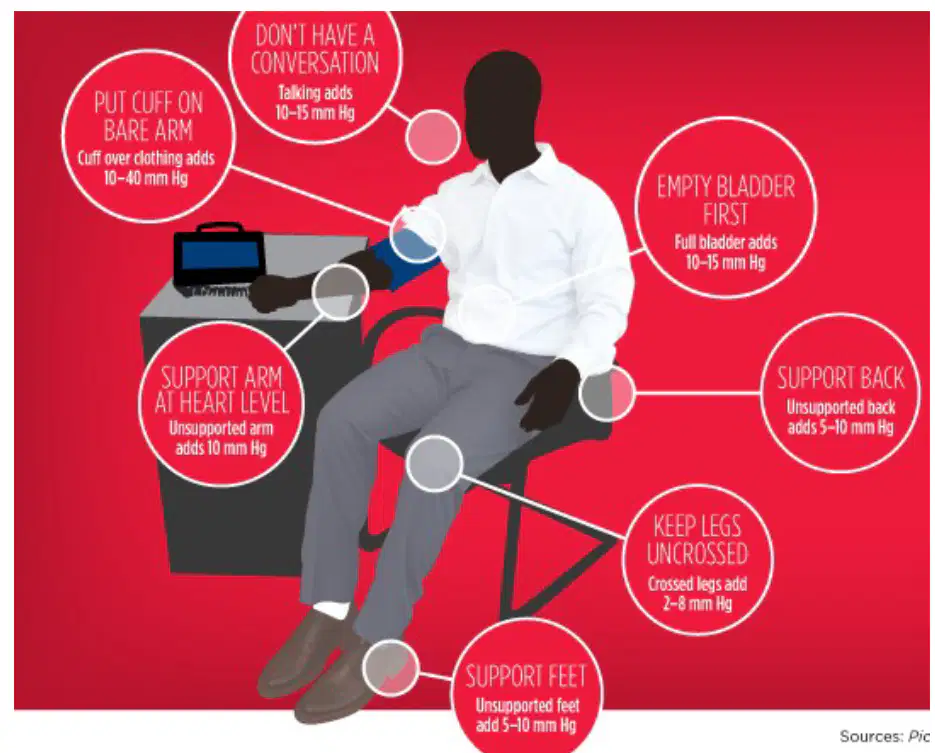
What is the minimum percentage of the arm circumference that the bladder width within the cuff should encircle when measuring blood pressure?
50%
60%
80%
90%
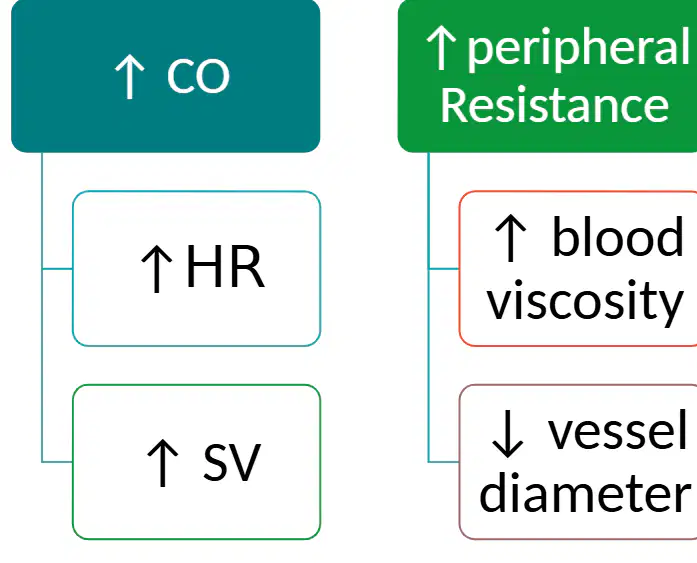
What are the main factors that create hypertension according to the pathophysiology of hypertension?
Decrease in cardiac output and peripheral resistance
Increase in cardiac output and total peripheral resistance
Decrease in heart rate and stroke volume
Increase in vessel diameter and blood viscosity
What effect does an increase in blood viscosity have on hypertension?
It decreases peripheral resistance
It increases peripheral resistance
It has no effect on peripheral resistance
It decreases cardiac output
Which of the following is a result of increased sympathetic nervous system activity related to insulin?
Decreased insulin resistance
Increased insulin resistance
No change in insulin resistance
Increased insulin sensitivity
Which minerals are required for natriuretic hormones to function properly?
Potassium, calcium, and magnesium
Sodium, chloride, and iron
Zinc, copper, and selenium
Phosphorus, iodine, and sulfur
How do natriuretic hormones affect the sympathetic nervous system (SNS)?
Inhibition of SNS
Activation of SNS
No effect on SNS
Increase SNS activity
Which type of hypertension is characterized by elevated blood pressure in a clinical setting but not at home?
Labile Hypertension
White Coat Hypertension
Masked Hypertension
Secondary Hypertension
What is the main cause of Secondary Hypertension?
Idiopathic
Renal Artery Stenosis
Liddle Syndrome
Adrenal Hyperplasia
What is a key pathophysiological change in isolated hypertension in the elderly?
Decreased arterial circulation
Progressive stiffening of arterial circulation
Increased elasticity of arteries
Reduced blood viscosity
What happens to the risk of cardiovascular complications with each increment of 20mmHg in systolic blood pressure or 10mmHg in diastolic blood pressure above the optimal level?
Risk decreases by half
Risk remains the same
Risk doubles
Risk triples
What enzyme is responsible for convert Angiotension I to Angiotensin II, which is a potent vasoconstrictor. This enzyme is a target for a common BP medication class.
Aldosterone
Renin
Angiotensin Converting Enzyme
Angiotensinogen
Primary Aldosteronism HTN leads to hypertension through which mechanism?
Excess cortisol acts on mineralocorticoid receptors through RAAS system.
Increased adrenaline due to catecholamine-secreting tumor.
Activation of SNS through repetitive hypoxia and hypercapnia.
Increased sodium reabsorption in renal tubules and increased secretion of potassium and hydrogen ions.
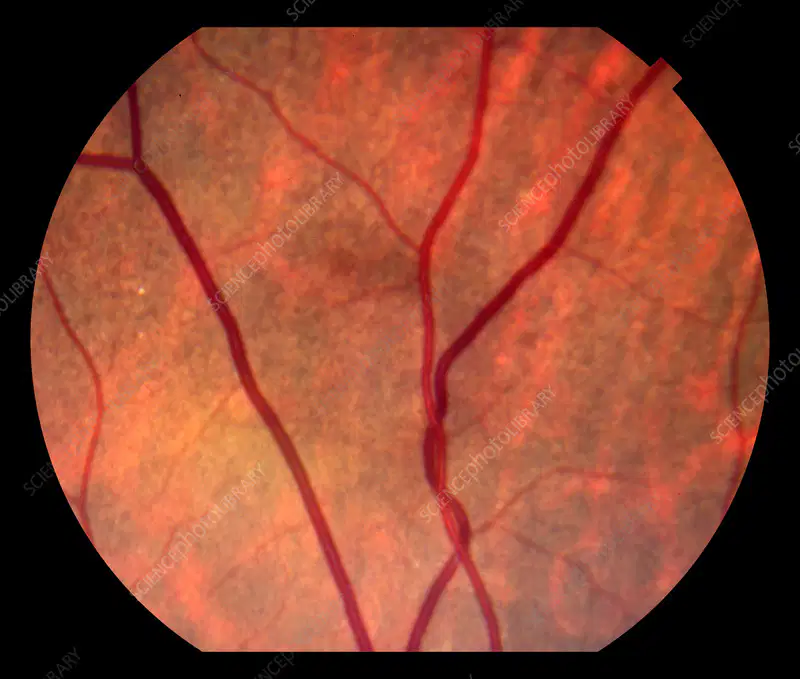
What fundoscopic finding is shown here?
AV nicking
cotton wool spot
flame-shaped hemorrhage
hard exudate
Which drug class are considered first-line treatment of choice?
CCB
Thiazides
BB
Renin Inhibitors
Which drug class is contraindicated in patients with asthma and/or COPD?
Ace Inhibitors
Calcium Channel Blockers
(Non-dihydropyridines)
Beta Blockers
(Non-selective agents)
Central-Acting Alpha-2 Agonists
Which of the following drug classes does NOT typically cause hyperkalemia?
Aldosterone Antagonists
Loop Diuretics
Ace Inhibitors
Renin Inhibitors
Which class of drugs is preferred for hypertension in a patient who is post-MI?
Thiazides
Beta Blockers
Calcium Channel Blockers
Alpha Blockers
Which of the following hypertensive drug classes would be beneficial for a patient who also has benign prostate hyperplasia?
Calcium Channel Blockers
Beta Blockers
Central-Acting Alpha-2 Agonists
Alpha-1 Blocker
Which of the following would indicate hypertensive emergency?
severe headache with nausea and vomiting
chest pain and dyspnea
papilledema
altered mental status
Which of the following would be an ideal initial drug therapy option for African American patient without co-morbidities?
Calcium Channel Blocker
Ace Inhibitor
Beta Blocker
Angiotensin II Receptor Blocker

