
 Worksheets
Intro Metals Final Exam Review
Total questions: 76
Worksheet time: 38mins
Name
Class
Date
1.
Name
4 lines
2.
1. Ferrous metals contain
a)
Iron
b)
Copper
c)
Mercury
d)
Aluminum
3.
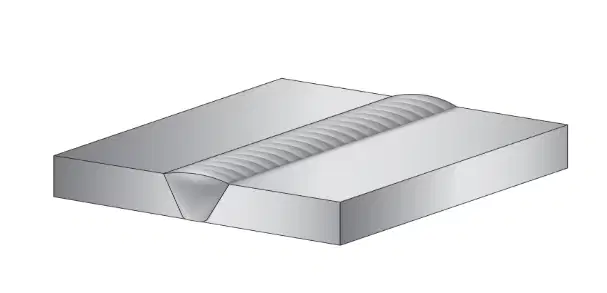
2. Which position is this weld?
a)
Flat
b)
Horizontal
c)
Vertical
d)
Overhead
4.
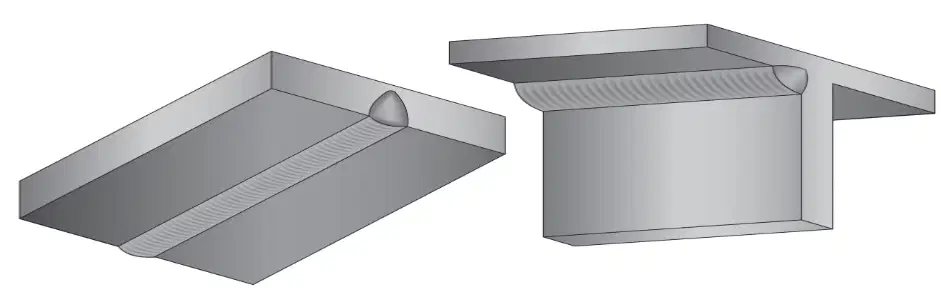
3. Which position is this weld?
a)
Flat
b)
Horizontal
c)
Vertical
d)
Overhead
5.
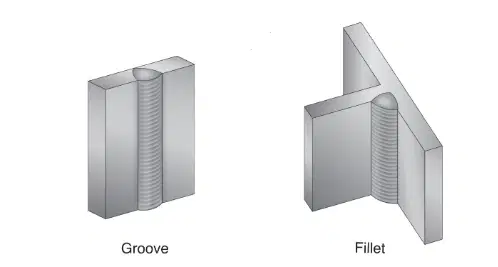
4. Which position is this weld?
a)
Flat
b)
Horizontal
c)
Vertical
d)
Overhead
6.
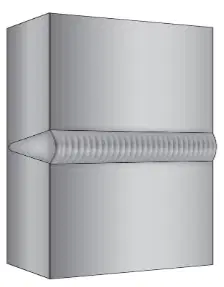
5. Which position is this weld?
a)
Flat
b)
Horizontal
c)
Vertical
d)
Overhead
7.
6. When stick welding, which of these welding variables would be the culprit for causing excessive spatter in a weld?
a)
Improper travel speed
b)
Improper welder setup
c)
Improper work angle
d)
Improper travel angle
e)
Improper contact tip to work distance
8.
7. Which of these welding variables, when done incorrectly, could lead to porosity in a weld?
a)
Improper work angle
b)
Improper travel angle
c)
Improper travel speed
d)
Improper welder setup
9.
8. Non-Ferrous metals
a)
Are non-magnetic
b)
Are made up of iron ore
c)
Are alloys
d)
All the above
10.
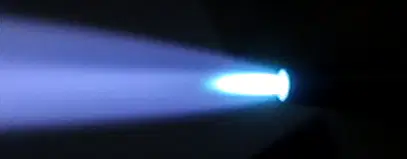
9. From the picture below, what type of flame is display?
a)
Carbonizing Flame
b)
Neutral Flame
c)
Oxidizing Flame
11.
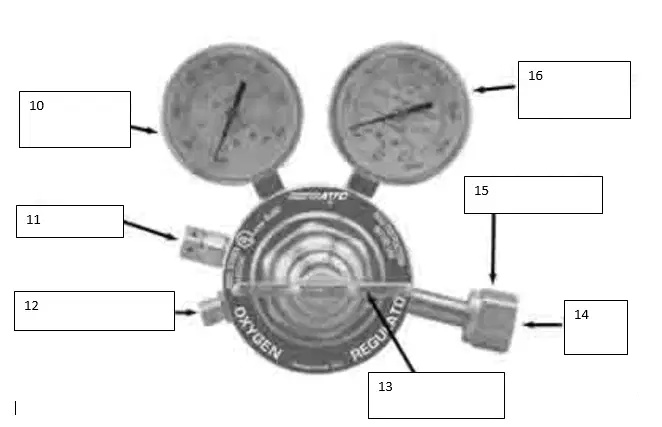
10. Match the number with the corresponding part name of the torch regulators.
a)
Low Pressure Gauge
b)
High Pressure Gauge
c)
Adjusting Screw
d)
Inlet Connection
e)
Outlet Connection
12.
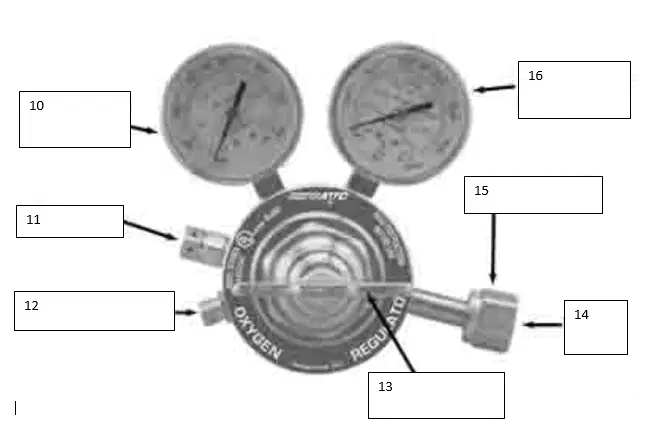
11. Match the number with the corresponding part name of the torch regulators.
a)
Relief Valve
b)
High Pressure Gauge
c)
Low Pressure Gauge
d)
Adjusting Screw
e)
Inlet Connection
13.
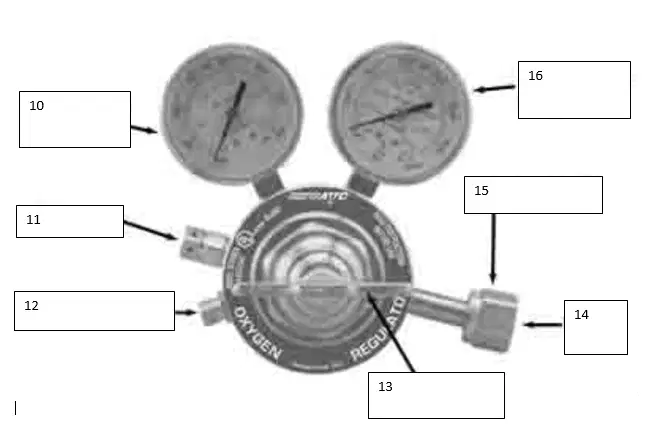
12. Match the number with the corresponding part name of the torch regulators.
a)
Outlet Connection
b)
High Pressure Gauge
c)
Low Pressure Gauge
d)
Adjusting Screw
e)
Inlet Connection
14.
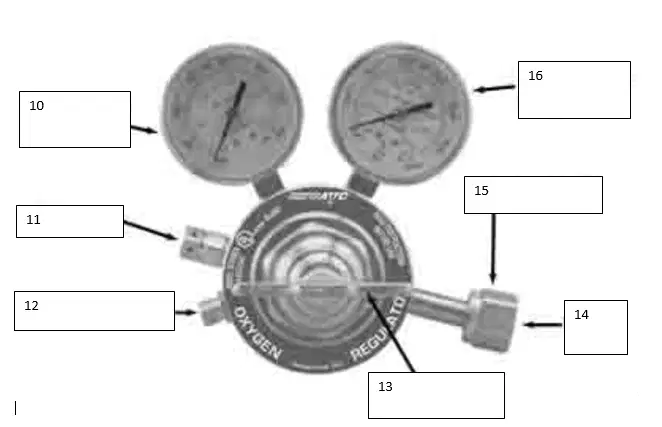
13. Match the number with the corresponding part name of the torch regulators.
a)
Adjusting Screw
b)
High Pressure Gauge
c)
Low Pressure Gauge
d)
Inlet Connection
e)
Outlet Connection
15.
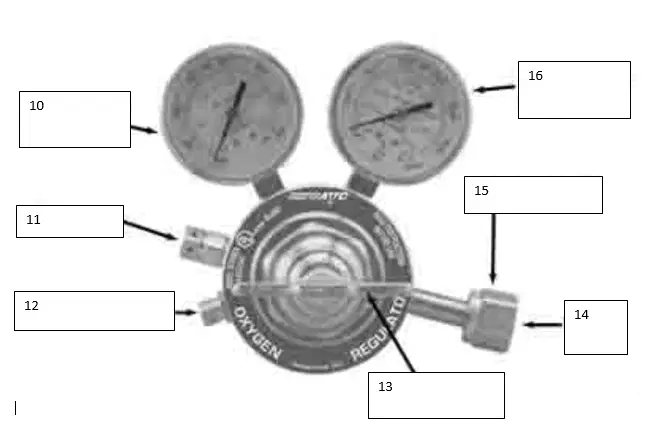
14. Match the number with the corresponding part name of the torch regulators.
a)
Inlet Connection
b)
High Pressure Gauge
c)
Low Pressure Gauge
d)
Adjusting Screw
e)
Outlet Connection
16.
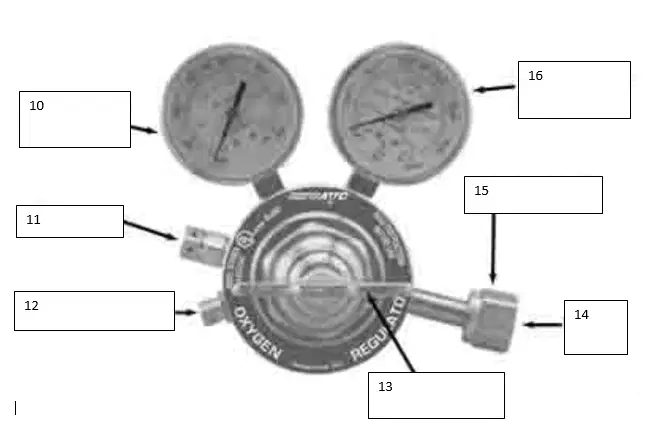
15. Match the number with the corresponding part name of the torch regulators.
a)
Filter
b)
High Pressure Gauge
c)
Low Pressure Gauge
d)
Adjusting Screw
e)
Inlet Connection
17.
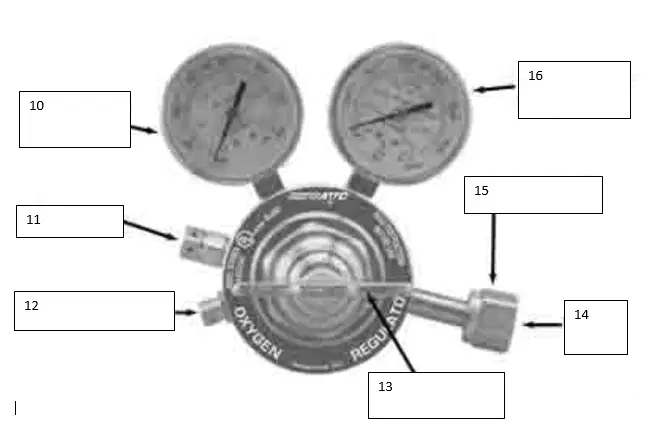
16. Match the number with the corresponding part name of the torch regulators.
a)
High Pressure Gauge
b)
Low Pressure Gauge
c)
Adjusting Screw
d)
Inlet Connection
e)
Outlet Connection
18.
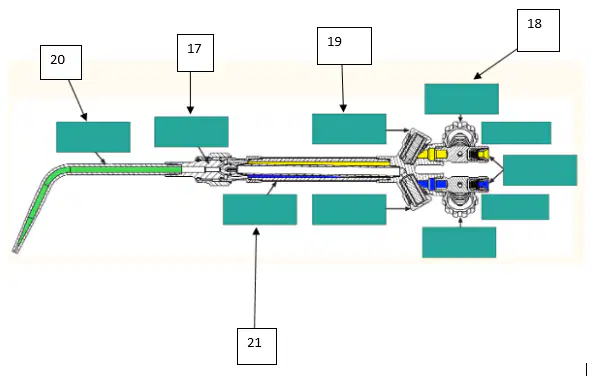
17. Match the number with the corresponding part name of the torch.
a)
Mixer
b)
Flashback Arrestor
c)
Torch Handle
d)
Fuel
e)
Control Valve
19.
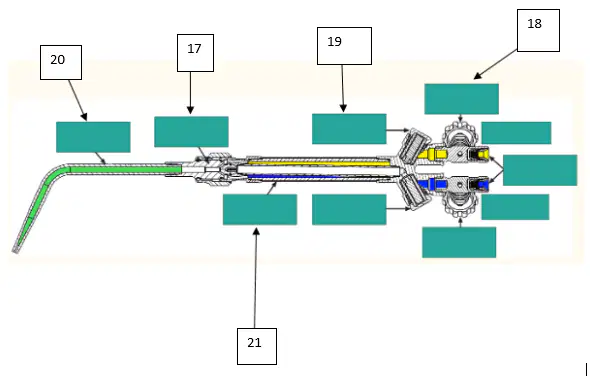
18. Match the number with the corresponding part name of the torch.
a)
Control Valve
b)
Flashback Arrestor
c)
Torch Handle
d)
Fuel
e)
Mixer
20.
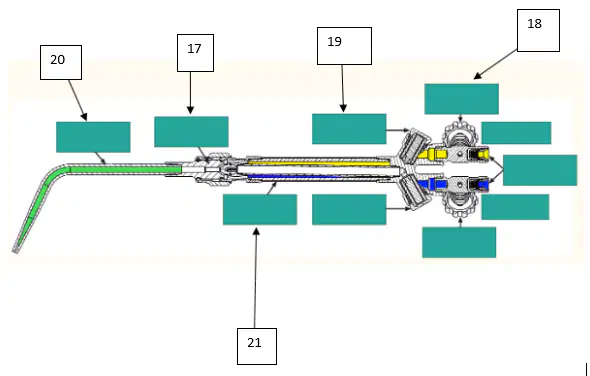
19. Match the number with the corresponding part name of the torch.
a)
Flashback Arrestor
b)
Torch Handle
c)
Fuel
d)
Control Valve
e)
Mixer
21.
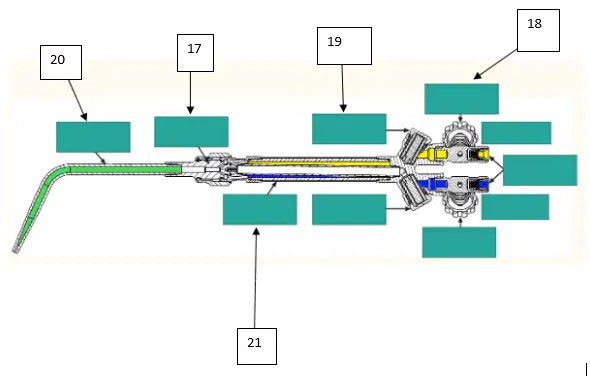
20. Match the number with the corresponding part name of the torch.
a)
Torch Tip
b)
Flashback Arrestor
c)
Torch Handle
d)
Fuel
e)
Control Valve
22.
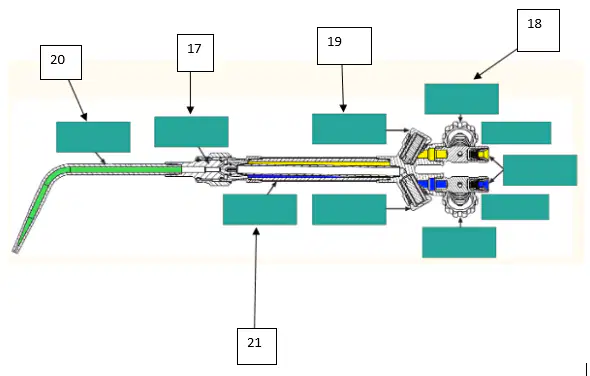
21. Match the number with the corresponding part name of the torch.
a)
Torch Handle
b)
Flashback Arrestor
c)
Fuel
d)
Control Valve
e)
Mixer
23.
22. An alloy is
a)
A base metal
b)
Made up of two or more metals
c)
None of the above
d)
Both A and B
24.
23. The welding process is when two metals are ________ together
a)
Melted together
b)
Adhered
c)
Bolted
d)
All the above
25.
24. ________________ is the term given to the process in which metal pieces are joined using a non-ferrous filler rod and having a melting point below the base metal.
a)
Welding
b)
Brazing
c)
Soldering
d)
All the above
26.
25. True or False: It is advisable for welders to wear tennis shoes, because they will insulate them from the high current used in welding.
a)
True
b)
False
27.
26. ___________________ always comes first and is everyone's concern on the job as well as at home.
a)
Production
b)
Safety
c)
Recreation
d)
Recklessness
28.
27. The shop is a place for work and not for ______________
a)
Horseplay
b)
Practical jokes
c)
Daydreaming
d)
All the above
29.
28. In order to keep the shop clean it is important to keep it _______________
a)
Clean
b)
Organized
c)
Free of defective equipment and hazards
d)
All the above
30.
29. When working in any of our shops it is mandatory to wear _____________________
a)
Safety glassses
b)
Hearing protection
c)
Safety shoes
d)
All the above
31.
30. True or False: It is okay to carry tools in your back pocket.
a)
True
b)
False
32.
31. True or False: It is okay to operate machines with the guards removed.
a)
True
b)
False
33.
32. True or False: Sharp tools are more dangerous than dull ones, simply because they will cause deeper wounds if you slip with the tool.
a)
True
b)
False
34.
34. True or False: It is an okay practice to check the smoothness of your machined part when the part is being machined.
a)
True
b)
False
35.
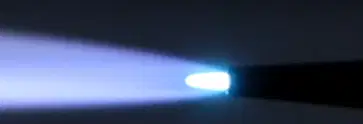
35. From the picture below, what type of flame is display?
a)
Carbonizing Flame
b)
Neutral Flame
c)
Oxidizing Flame
36.
36. The __________________ is used for cutting metal
a)
Hacksaw
b)
Scrollsaw
c)
Backsaw
d)
Sabersaw
37.
37. A sheet metal pattern is
a)
A three-dimensional drawing of the object
b)
A full-size drawing of the object
c)
An isometric drawing of the object
d)
None of the above
38.
38. The _______________ is used to bend hems, wired edges, and to form the tabs on sheet metal.
a)
Brake
b)
Bar folder
c)
Squaring shear
d)
None of the above
39.
39. The ___________________ is used for making bends on sheet metal.
a)
Brake
b)
Bar folder
c)
Squaring shear
d)
None of the above
40.
40. _______________ is the process of shaping metal by using pressure
a)
Machining
b)
Fabricating
c)
Forging
d)
None of the above
41.

41. From the picture below, what type of flame is display?
a)
Carbonizing Flame
b)
Neutral Flame
c)
Oxidizing Flame
42.
42. What is the maximum pressure the acetylene gas can be set to?
a)
5 PSI
b)
7 PSI
c)
10 PSI
d)
15 PSI
43.
43. A ______________ is used to separate a drill chuck from the spindle
a)
Tang
b)
Drill chuck separator
c)
Drift
d)
Punch
44.
44. Drill bits are sized by _____________________
a)
Fractional
b)
Letters A-Z
c)
Numbers 1-80
d)
Metric
e)
All of the above
45.
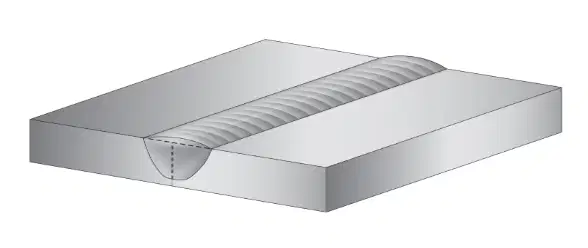
45A. Which of the following welding joints is picture?
a)
Butt Joint
b)
T Joint
c)
Edge Joint
d)
Corner Joint
e)
Lap Joint
46.
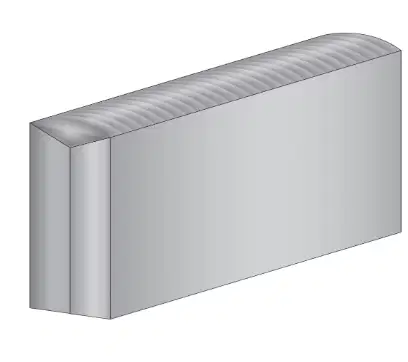
45B. Which of the following welding joints is picture?
a)
Butt Joint
b)
T Joint
c)
Edge Joint
d)
Corner Joint
e)
Lap Joint
47.
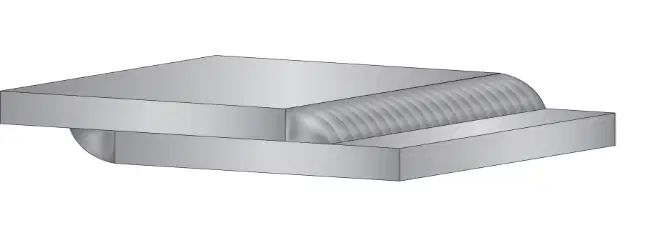
45C. Which of the following welding joints is picture?
a)
Butt Joint
b)
T Joint
c)
Edge Joint
d)
Corner Joint
e)
Lap Joint
48.
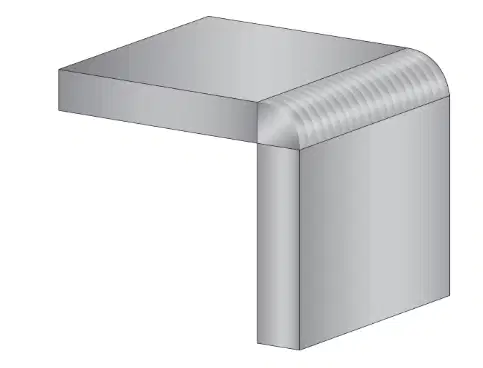
45D. Which of the following welding joints is picture?
a)
Butt Joint
b)
T Joint
c)
Edge Joint
d)
Corner Joint
e)
Lap Joint
49.
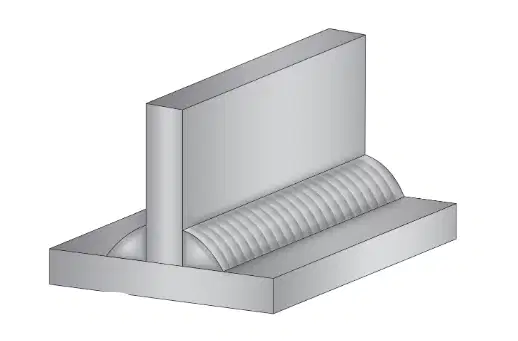
45E. Which of the following welding joints is picture?
a)
Butt Joint
b)
T Joint
c)
Edge Joint
d)
Corner Joint
e)
Lap Joint
50.
46. Aviation snips can cut three different ways. The way to know what kind of cut you want you will want to look at the color of the snips, what are three classifying colors.
a)
Yellow
b)
Blue
c)
Green
d)
Orange
e)
Red
51.
47. When using the grinders which of the following safety equipment needs to be worn?
a)
Safety Glasses
b)
Tinted face shield
c)
Clear face shield
d)
Ear Muffs
52.
48. List the procedure you would use to turn on and shut down the oxy-acetylene equipment. Make sure you include the pressures that the oxygen and acetylene tanks should be set at.
4 lines
53.
49. In the space below provide all the personal protective equipment you need to wear when welding.
4 lines
54.
50. Before having your stick weld examined by the instructor what did you clean/chip off of your weld?
a)
Mill scale
b)
Slag
c)
Porosity
d)
Spatter
55.
51. True or False: Can you run a bead during the GMAW welding process without having the gas on?
a)
True
b)
False
56.
52. When using the lathe, please describe a roughing pass.
4 lines
57.
53. When using the lathe, please explain the importance of finishing passes.
4 lines
58.
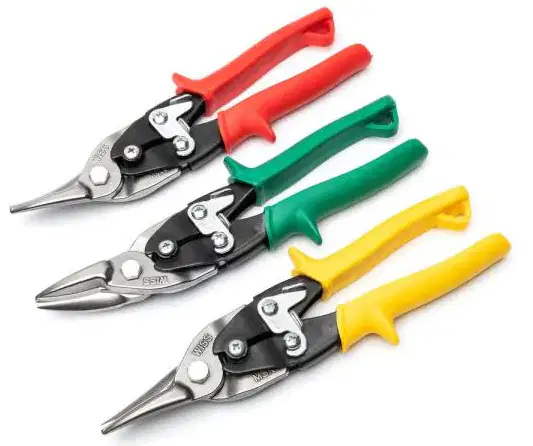
54. What is the name of this tool?
a)
Tin Snips
b)
Aviation Snips
c)
Scissors
59.
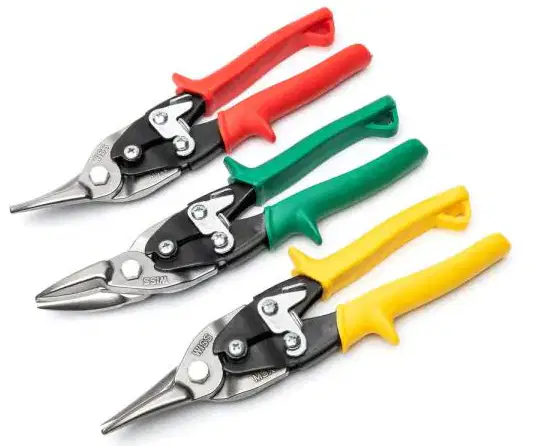
55. Which direction does the yellow tool cut?
a)
Straight
b)
Straight and to the left
c)
Straight and to the right
d)
To the left
e)
To the right
60.
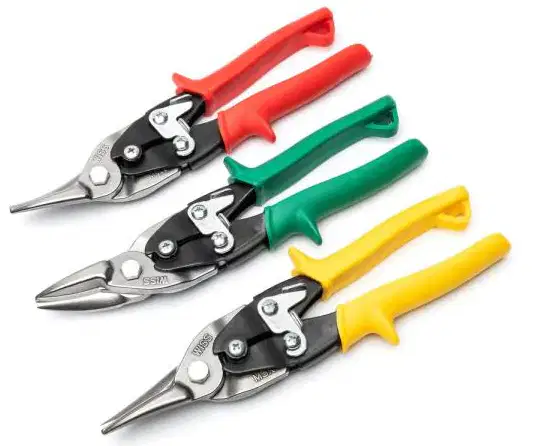
56. Which direction does the Green tool cut?
a)
Straight
b)
Straight and to the left
c)
Straight and to the right
d)
To the left
e)
To the right
61.
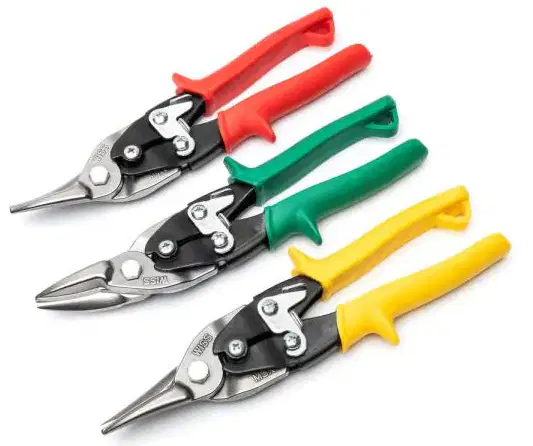
56. Which direction does the Red tool cut?
a)
Straight
b)
Straight and to the left
c)
Straight and to the right
d)
To the left
e)
To the right
62.
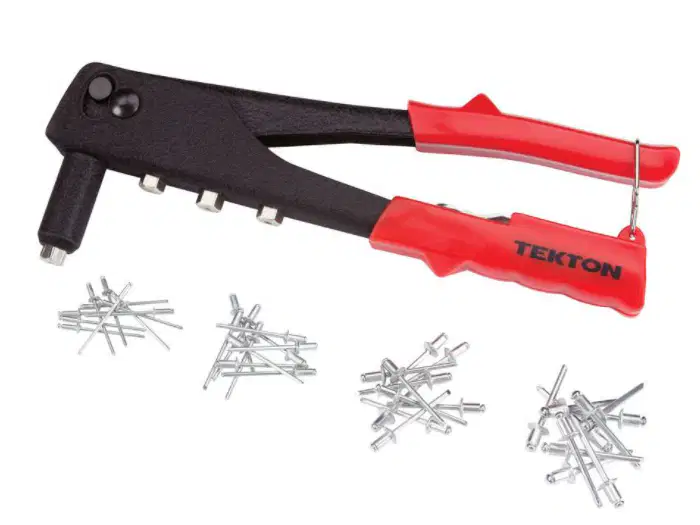
57. What is the name of this tool?
a)
Riviting Tool
b)
Snap Tool
c)
Pop Rivits
d)
Pop Rivet Gun
63.
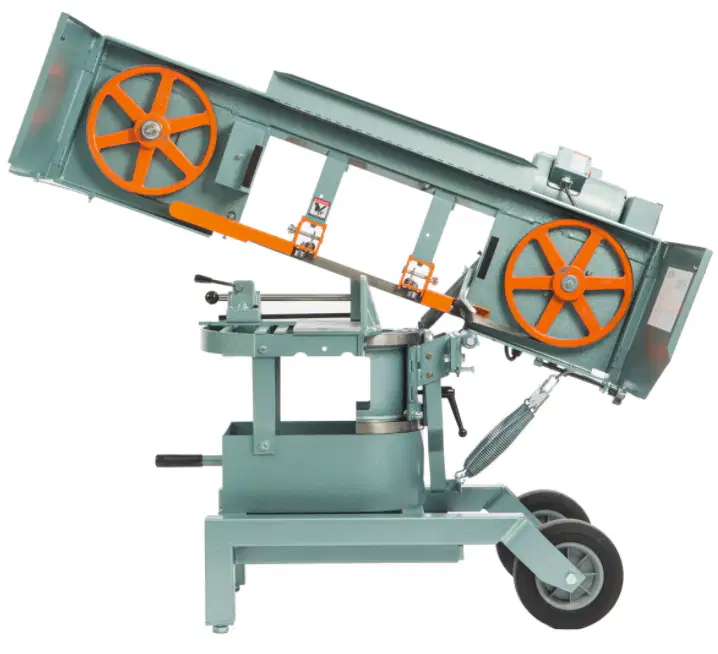
58. What is the main function of this machine?
4 lines
64.
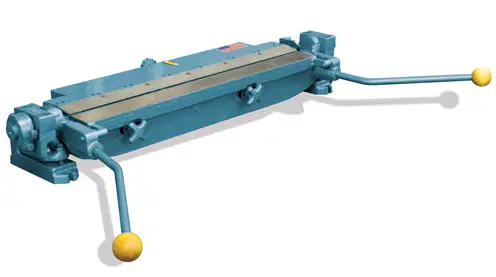
59. When we worked on the sheet metal project, what was
4 lines
65.
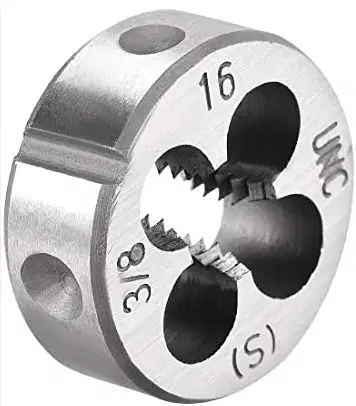
60. What is the name of this tool?
a)
Thread Creator
b)
Threading Tap
c)
Threading Die
d)
Thread Chaser
66.
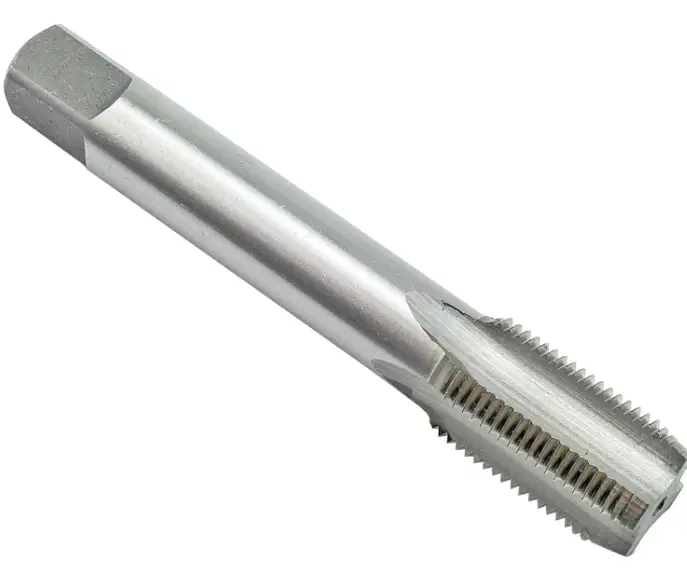
61. What is the name of this tool?
a)
Thread Creator
b)
Threading Tap
c)
Threading Die
d)
Thread Chaser
67.
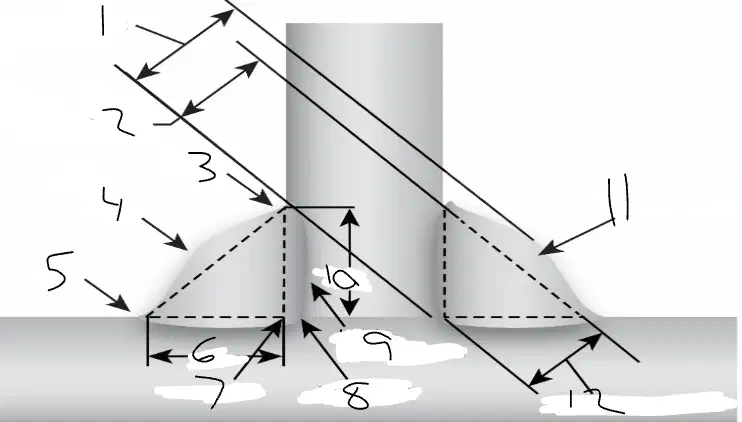
62. Which part of the weld is number 3 point to?
a)
Toe
b)
Throat
c)
Theorecthic Throat
d)
Actual Throat
e)
Leg
68.
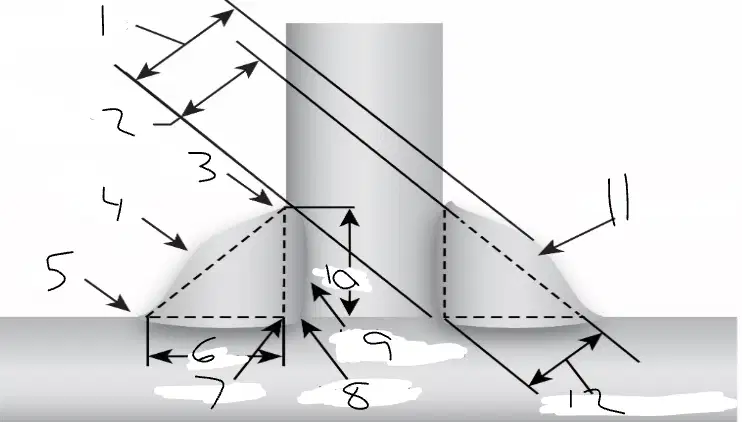
63. Which part of the weld is number 6 point to?
a)
Leg
b)
Throat
c)
Theorecthic Throat
d)
Actual Throat
e)
Toe
69.
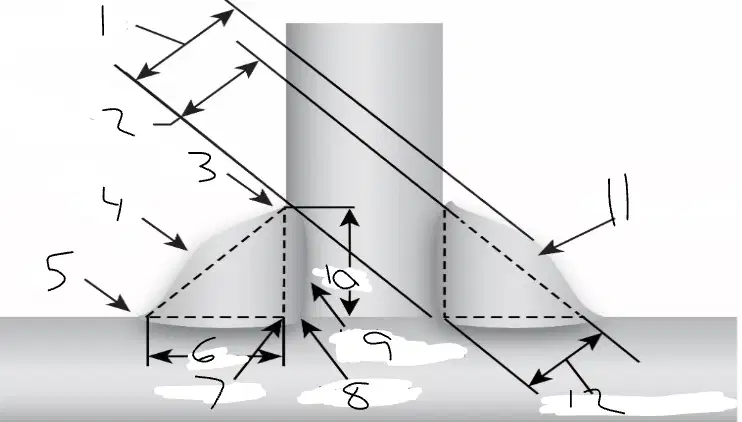
64. Which part of the weld is number 4 point to?
a)
Face
b)
Throat
c)
Theorecthic Throat
d)
Actual Throat
e)
Leg
70.
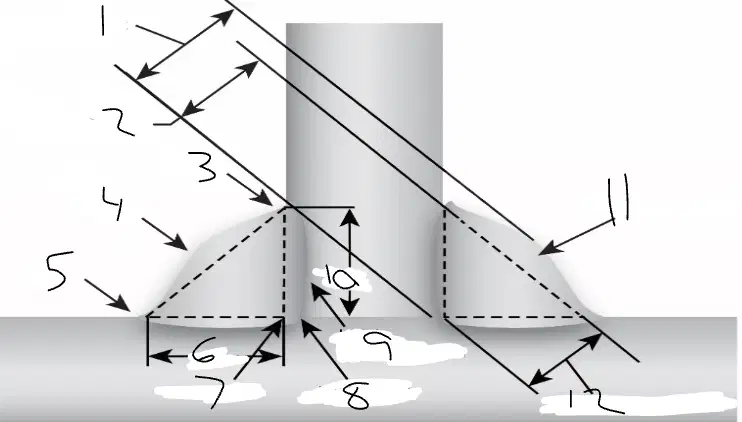
65. Which part of the weld is number 5 point to?
a)
Toe
b)
Throat
c)
Theorecthic Throat
d)
Actual Throat
e)
Leg
71.
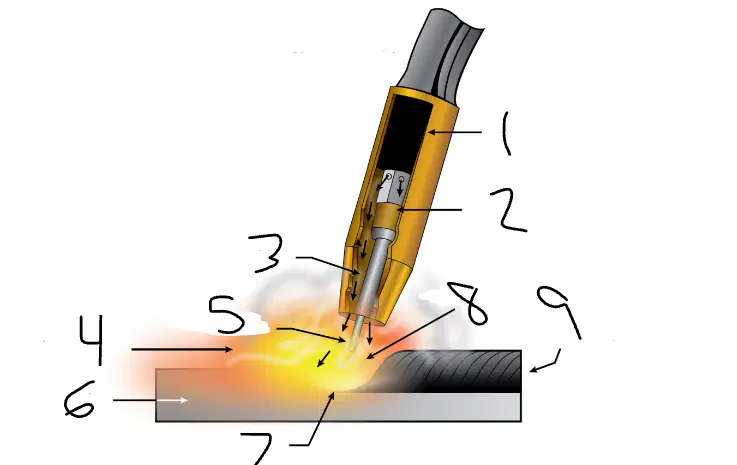
66. What part of the GMAW welding diagram is number 3 pointing at?
a)
Contact Tip
b)
Insulated core
c)
Gas Difussor
d)
Shielding Gas
e)
FIller
72.
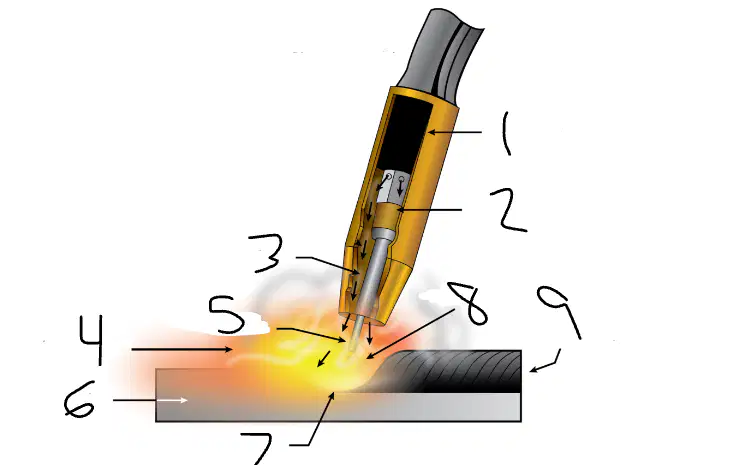
67. What part of the GMAW welding diagram is number 4 pointing at?
a)
Shielding Gas
b)
Insulated core
c)
Gas Difussor
d)
Contact Tip
e)
FIller
73.
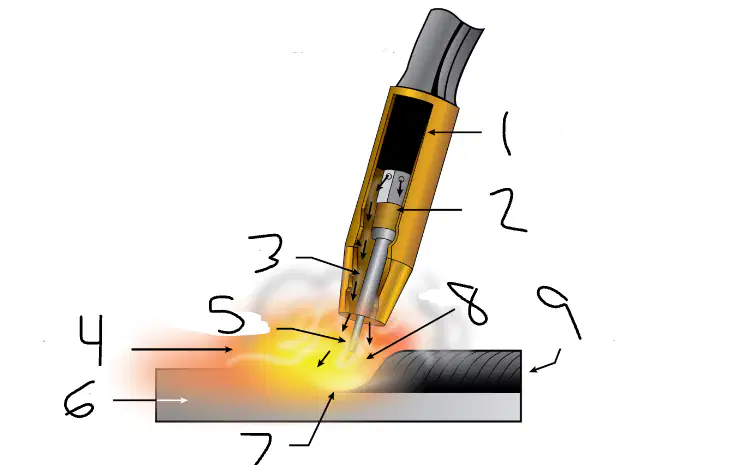
67. What part of the GMAW welding diagram is number 8 pointing at?
a)
Arc
b)
Insulated core
c)
Gas Difussor
d)
Contact Tip
e)
Shielding Gas
74.
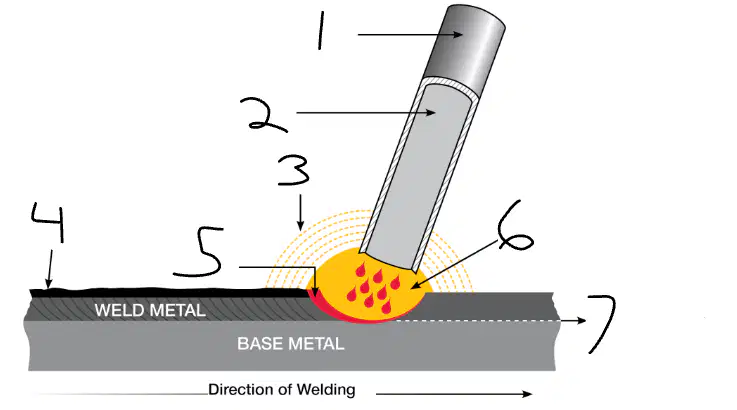
68. Which part of the SMAW welding diagram is number 1 pointing to?
a)
Flux
b)
Filler Metal
c)
Shilding Gas
d)
Slag
e)
Weld Pool
75.
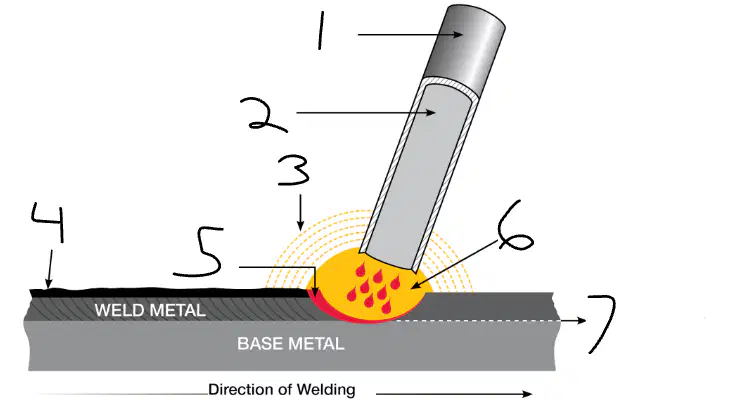
69. Which part of the SMAW welding diagram is number 2 pointing to?
a)
Flux
b)
Filler Metal
c)
Shilding Gas
d)
Slag
e)
Weld Pool
76.
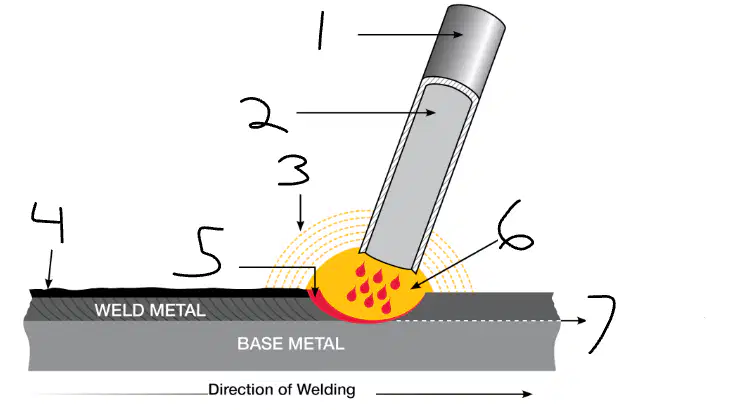
70. Which part of the SMAW welding diagram is number 4 pointing to?
a)
Flux
b)
Filler Metal
c)
Shilding Gas
d)
Slag
e)
Weld Pool
100 %

