
 Worksheets
Motor Skills Quiz
Total questions: 57
Worksheet time: 29mins
What is the definition of gross motor skills?
Skills involving large muscle groups
Skills involving small muscle groups
Skills performed in a stable environment
Skills performed in a changing environment
Which of the following is an example of a fine motor skill?
Running
Writing
Jumping
Swimming
What distinguishes open motor skills from closed motor skills?
Open skills are performed in a stable environment
Closed skills are performed in a changing environment
Open skills are performed in a changing environment
Closed skills involve large muscle groups
Which type of motor skill involves a sequence of movements?
Discrete motor skills
Continuous motor skills
Serial motor skills
Open motor skills
Which of the following is a type of pass used in a Trans Tasman Women's Touch Match?
Spiral pass
Overhead pass
Bounce pass
Chest pass
What is the term used for scoring in a Trans Tasman Women's Touch Match?
Goal
Touchdown
Try
Point
Which move involves a player avoiding an opponent by quickly changing direction?
Dummy pass
Evading side step
Scoop
Lateral pass
In a Trans Tasman Women's Touch Match, what is a "scoop"?
A type of pass
A defensive move
A way to pick up the ball
A scoring technique
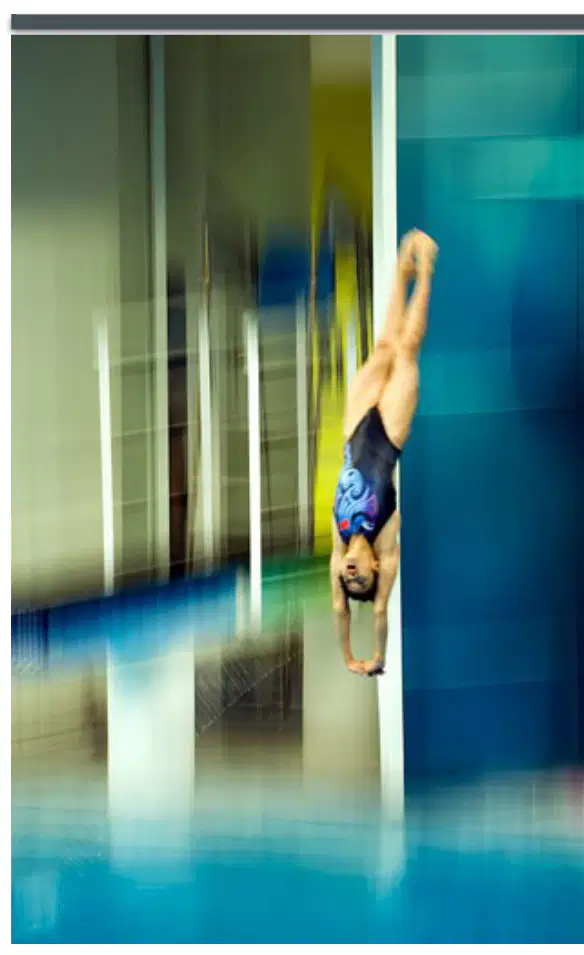
Which of the following is a type of motor skill?
Gross
Visual
Auditory
Cognitive
What type of motor skill involves precise movements, often using small muscle groups?
Gross
Fine
Open
Serial
Which motor skill is characterized by a stable and predictable environment?
Open
Closed
Continuous
Discrete
What type of motor skill involves a series of discrete movements?
Serial
Continuous
Gross
Fine
What is required for players in most sports according to the classification of motor skills?
Ability to produce only complex skills
Ability to produce only simple skills
Ability to produce both simple and complex skills
Ability to produce no skills
Why must players master simple skills before attempting complex skills?
To save time during practice
To ensure safety during play
To build a foundation for complex skills
To avoid learning complex skills
What is the term used to describe the development of skills from basic to advanced levels?
Skills ladder
Skills hierarchy or skills pyramid
Skills circle
Skills chart
Which type of skill involves thought processes?
Cognitive
Perceptual
Motor
Emotional
What does perceptual skill involve?
Movement
Thought processes
Interpretation of information
Emotional response
Which of the following is a characteristic of motor skills?
Involves interpretation of information
Performed voluntarily
Involves thought processes
Requires emotional response
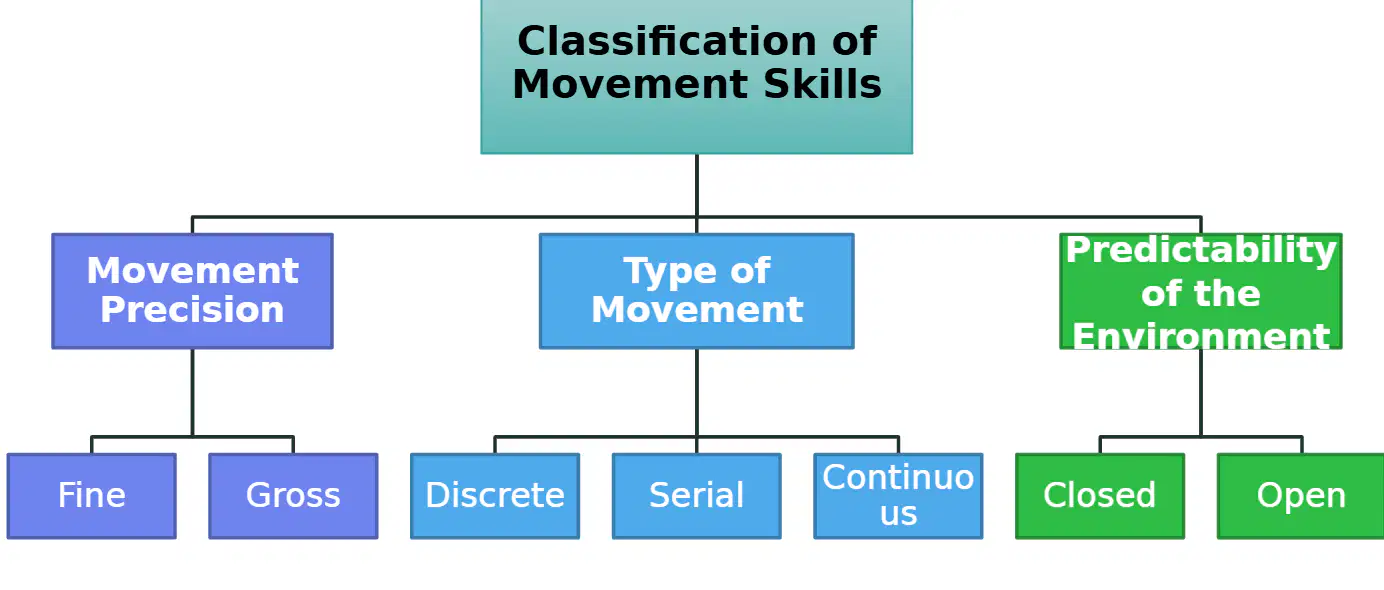
What are the two categories under "Movement Precision" in the classification of motor skills?
Fine and Gross
Discrete and Serial
Closed and Open
Continuous and Serial
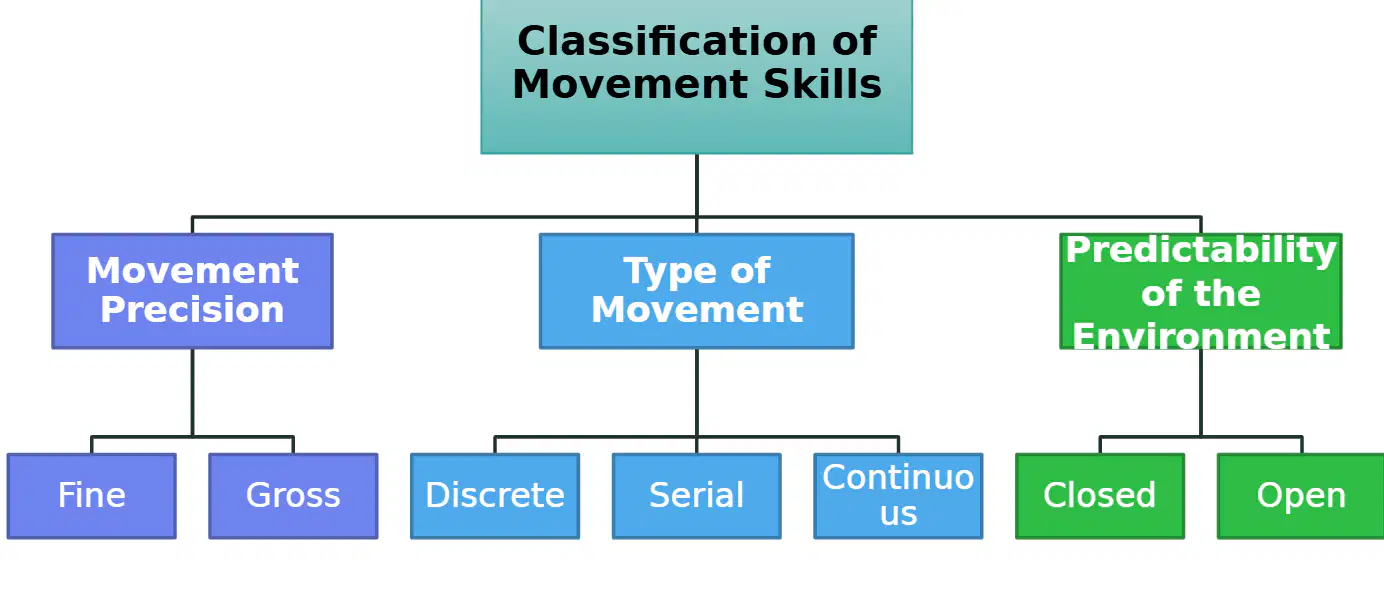
Which category under "Type of Movement" involves actions that have a clear beginning and end?
Continuous
Discrete
Open
Gross
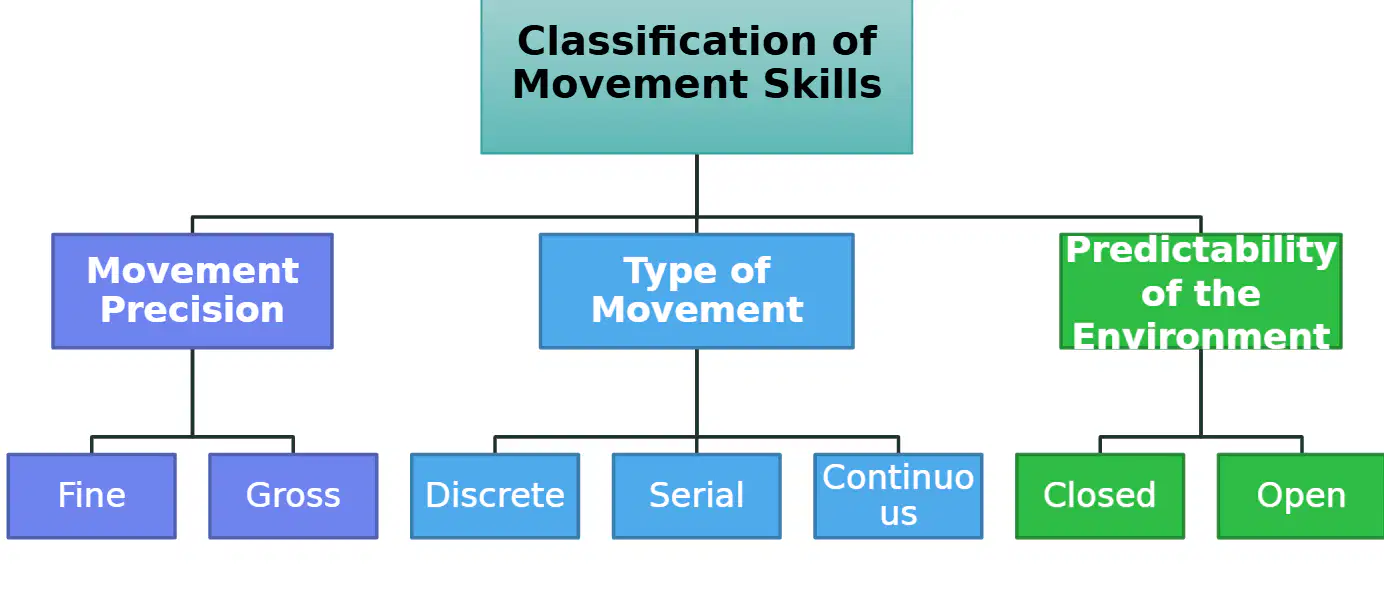
In the classification of motor skills, what does "Predictability of the Environment" include?
Fine and Gross
Discrete and Serial
Closed and Open
Continuous and Serial
What influences the classification of motor skills according to movement precision?
The speed of movement
The size of muscle groups/movements involved
The duration of the activity
The environment in which the skill is performed
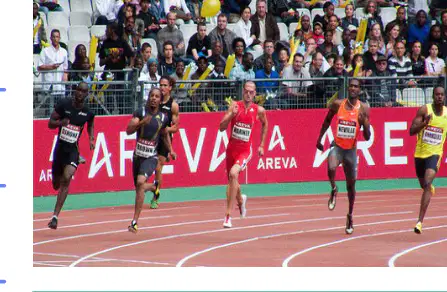
Which of the following is an example of a gross motor skill?
Writing with a pen
Running in a race
Threading a needle
Playing the piano
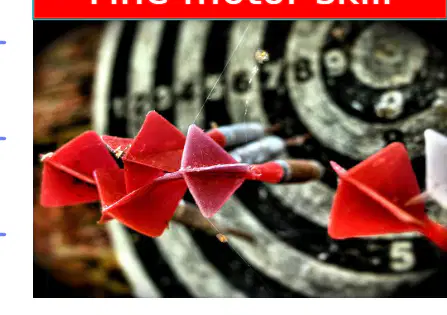
Which of the following is an example of a fine motor skill?
Jumping over a hurdle
Kicking a soccer ball
Aiming and throwing darts
Swimming in a pool
What influences the movement precision continuum?
The speed of movement
The size of muscle groups involved
The duration of movement
The type of sport
Which of the following is an example of a gross motor skill?
Typing on a keyboard
Writing with a pen
Running
Sewing
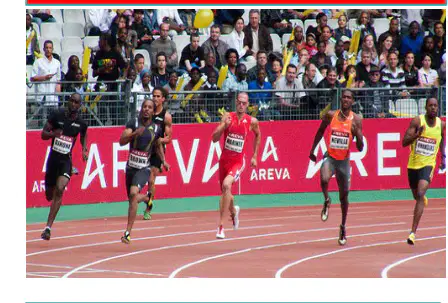
What do gross motor skills involve?
Movement of small muscle groups
Movement of major muscle groups
Movement of facial muscles
Movement of finger muscles
What influences the continuum of movement precision in motor skills?
The size of muscle groups involved
The speed of movement
The duration of activity
The type of equipment used
Which of the following is an example of a fine motor skill?
Running a marathon
Writing with a pen
Jumping over a hurdle
Swimming in a pool
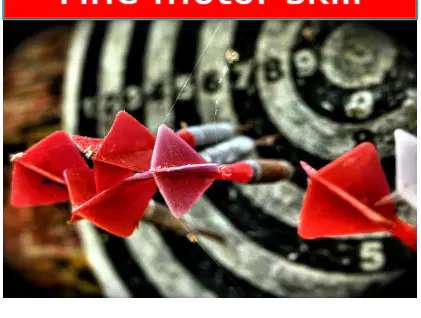
What is often involved in fine motor skills?
Coordination between the hands and eyes
Large muscle group movements
High-speed activities
Endurance training
What type of motor skills involves the use of large muscle groups and whole body movements?
Fine motor skills
Gross motor skills
Precision motor skills
Sensory motor skills
Which of the following is an example of fine motor skills?
Running
Walking
Typing
Kicking
What is required for gross motor skills to coordinate movements?
Coordination of small muscle groups
Coordination of large muscle groups
Coordination of sensory inputs
Coordination of cognitive processes
Fine motor skills often involve coordination between which two parts of the body?
Legs and feet
Hands and eyes
Arms and shoulders
Neck and head
What is the main factor that influences the classification of motor skills in the given continuum?
Speed of execution
Complexity of the task
Impact of the environment
Physical strength required
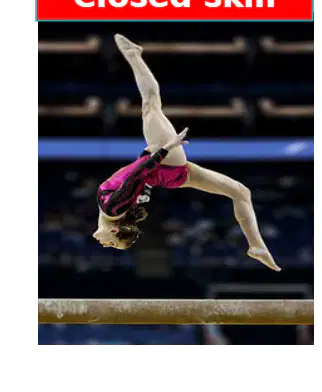
Which of the following is an example of a closed skill?
Kayaking in a river
Gymnastics routine
Playing soccer
Surfing
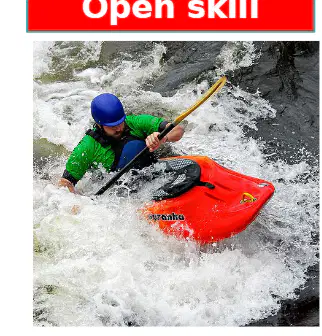
Which of the following is an example of an open skill?
Archery
Bowling
Kayaking in a river
Weightlifting
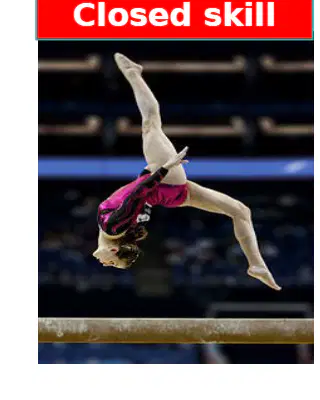
What is a characteristic of closed skills in motor skill classification?
The performer has little control over the environment.
The environment is unpredictable.
The performer has the greatest control over their performance environment.
The skills are always performed outdoors.
Which of the following is an example of a closed skill?
Kayaking
Gymnastics
Surfing
Soccer
What is a characteristic of closed skills?
They occur in unpredictable environments.
They require constant adaptation to changing conditions.
They take place in a stable, predictable environment.
They are influenced heavily by the environment.
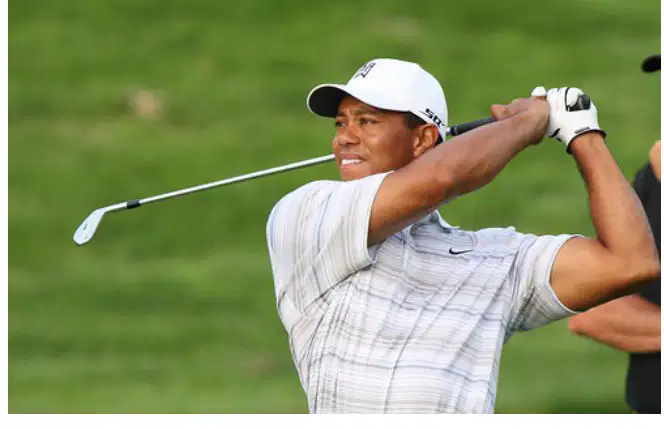
Which of the following is an example of a closed skill?
Playing soccer
Golf
Basketball
Tennis
In closed skills, when is decision making typically done?
During the performance
After the performance
Prior to performing the skill
It is not required
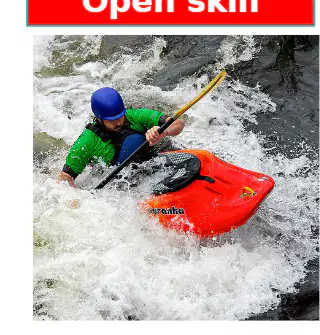
What is an example of an open skill?
Gymnastics
Kayaking
Archery
Bowling
What characteristic is required for performing open skills?
Rigidity
Flexibility and adaptation
Consistency
Precision
How does the environment impact the classification of motor skills?
It determines the skill level
It influences the skill's predictability
It has no impact
It only affects closed skills
What are open skills in motor skill classification?
Skills performed in a stable environment
Skills that require no decision making
Skills performed in a constantly changing environment
Skills that do not require adaptation
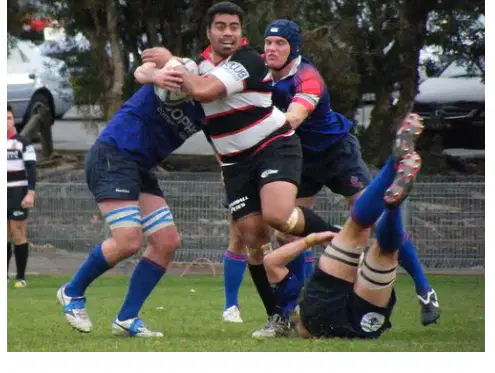
Which of the following is an example of an open skill?
Archery
Bowling
Rugby
Chess
Why is decision making important in open skills?
It is not necessary
It helps in adapting to a stable environment
It allows performers to respond to changing situations
It simplifies the performance
Which of the following is a characteristic of open skills?
Typically occurs in a static environment
Movements are not affected by the environment
No defined beginning and ending
Involves a pre-learned pattern of movement
What is a key feature of closed skills?
Typically occurs in a dynamic environment
Movements need to be continually adapted
Decision making made during the performance
Has a defined beginning and ending
In which type of skill is decision making made prior to performance?
Open skills
Closed skills
Both open and closed skills
Neither open nor closed skills
Which of the following is an example of an open skill?
Shot in billiards
Golf putt
Free throw in basketball
Pass in football
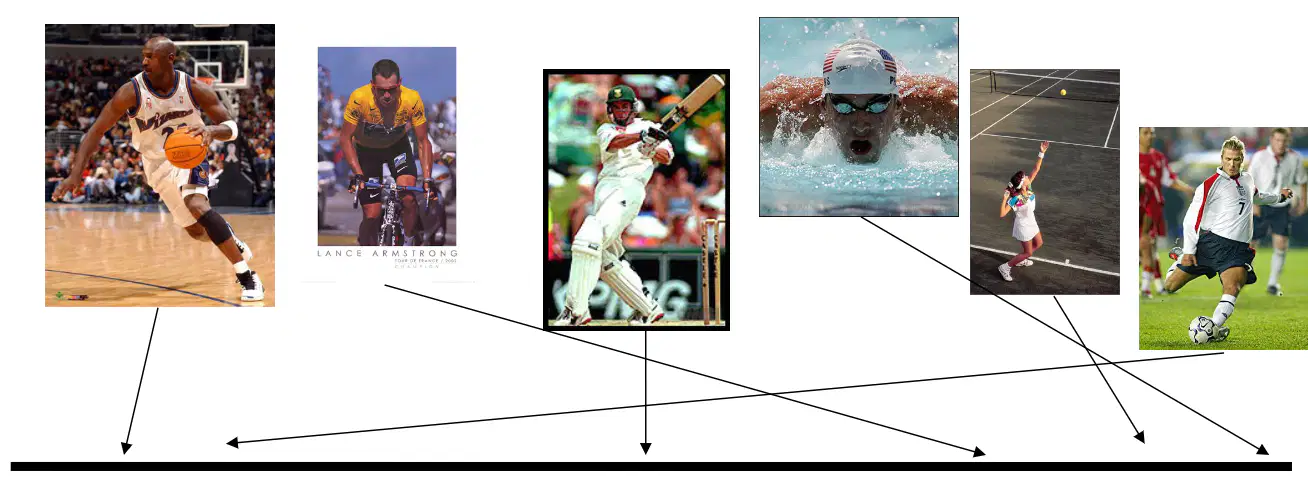
What is the main difference between open and closed skills in sports?
Open skills have a set pattern of movement, while closed skills are different each time.
Open skills require constant reference to the environment, while closed skills have a set pattern of movement.
Closed skills require constant reference to the environment, while open skills have a set pattern of movement.
Both open and closed skills have a set pattern of movement.
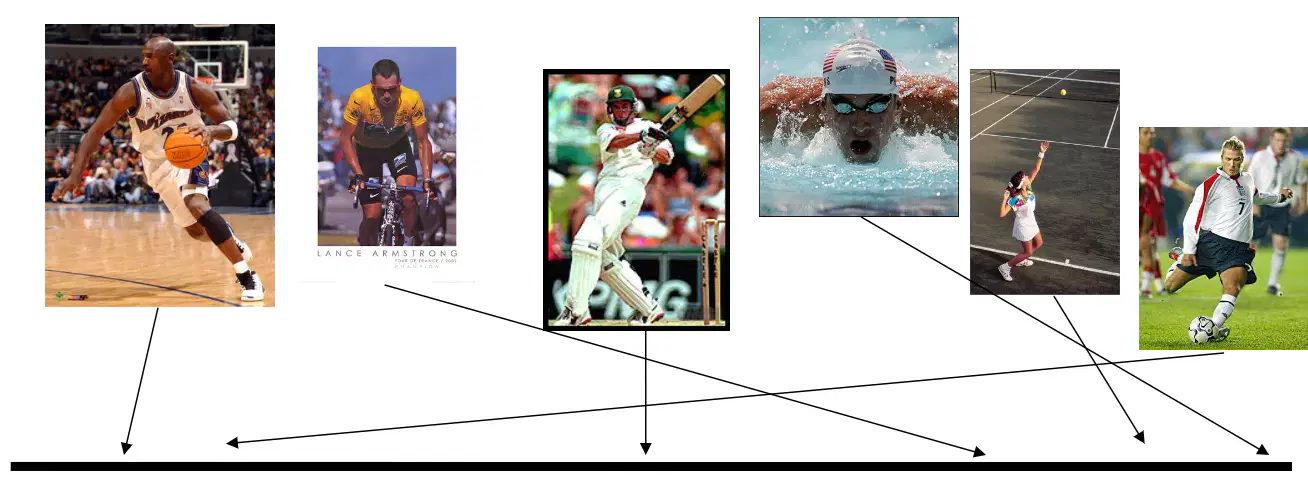
Which of the following sports is most likely to involve open skills?
Swimming
Tennis
Cycling
Running
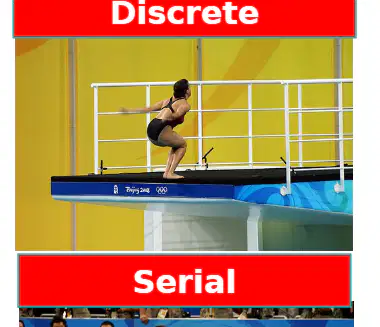
What influences the classification of motor skills in terms of movement type?
The speed of the movement
The complexity of the movement
How well defined the beginning and end of the performance are
The strength required for the movement
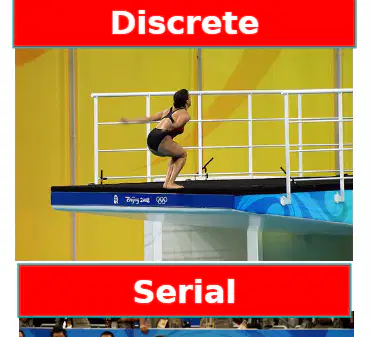
What is a characteristic of discrete skills in motor skill classification?
They have clear beginnings and endings.
They are performed in a continuous manner.
They involve a series of movements.
They are unpredictable in nature.
Which of the following is an example of a discrete skill?
Cycling
A drive in golf
Swimming
Running

