
 Worksheets
Online Health Reviewer
Total questions: 60
Worksheet time: 2hrs 0mins
What is stress?
Fighting
bodies response to real or imagined danger or other life events
school projects
Positive Stress is
Bad Stress
Stress that allows you to not do anything
Stress that is awesome
Stress that can help you reach your goals
What is negative stress
Stress that prevents you from doing what you need to do
Stress that is good
stress is amazing
Stress that allows you to be who you are
What is a stressor?
Good things
Bad things
Things that cause stress
fun
Which are the best ways to manage stress?
training for a competition and singing your heart out
family outing and play games with friends
watch a movie and review for exam
attend a party and lead a group presentation in science
What is an example of a stressor?
Final Exam
Vacation
Winning to a game.
Singing
If stress in unavoidable what is one thing you can do to reduce it?
Time Management
Cry
Sing
Sleep
This anxiety disorder Includes short, sudden attacks of fear, fear of losing control, or terrors.
generalized anxiety disorder
social anxiety disorder
agoraphobia
panic disorder
Which of the following is a strategy to cope with stress?
To set time for Fun & Relaxation
To drink the whole day
Write a list of people who offended you
To blame others for your misfortune
Which of the following is not a way to help reduce stress?
Be Mindful
Get some restful sleep
Don't be too Hard on yourself
Create a list of people that annoys you

According to the passage, what is it called when your body is in good shape?
physically fit
lazy
broken
The definition of sleep deprived is:
active stage of sleep during which your breathing changes, your heart rate and blood pressure rise, and your eyes dart around rapidly
hormone that increases feelings of relaxation and sleepiness and signals that it is time to go to sleep
people who can function well on less sleep than other people
term used to describe a person who gets inadequate amounts of sleep
Naturally occurring physical, behavioral, and mental changes in the body that typically follow the 24-hour cycle of the sun is called:
circadian rhythm
sleep deficit
REM sleep
jet lag
It means everything in the world around us which can affect our lives.
waste
environment
air
water
Which of the following is NOT a benefit of exercise
improved cell health
prevention of injuries
reduced risk of premature death
increased risk of certain diseases
Exercise helps prevent injuries by
maintaining spinal stability
maintaining good posture
maintaining appropriate body mechanics
all of these
What does it mean to exercise?
Go to the gym
Lift weights
Anything requiring physical effort
Sitting on the couch
These are chemicals in the brain triggered by physical activity that give us a sense of well-being; they are "feel good chemicals".
Sweets
Oxygen
Endorphins
Carbon Dioxide
What are the immediate effects of exercise on the body?
Heart beats faster, Temperature decreases, Breathing increases
Heart beats faster, Temperature Increases, Breathing decreases
Heart beats faster, Temperature Increases, Breathing increases
Heart beats faster, Cramp, Breathing increases
Clumsiness is an example of a _________________ effect of partial sleep deprivation.
cognitive
affective
behavioural
physiological
Difficulty paying attention is an example of a _________________ effect of partial sleep deprivation.
physiological
cognitive
behavioural
affective
Mood disturbances are an example of a/an _________________ effect of partial sleep deprivation.
behavioural
cognitive
physiological
affective
Lack of sleep increases the risk of:
loss of hearing
tooth decay
obesity
amputation
What is a key step in preparing for a test?
stay up and study all night.
just go in the test blind and wing it.
go to sleep early and eat a good breakfast.
cheat on the test.
One of the most important organs in the human body and is responsible for the major actions performed by the body.
Heart
Lungs
Brain
Liver
This lobe is responsible for thinking, reasoning, parts of speech and movement, emotions and problem solving.
Occipital Lobe
Frontal Lobe
Parietal Lobe
Temporal Lobe
This lobe is responsible with many aspects of vision.
Occipital Lobe
Frontal Lobe
Parietal Lobe
Temporal Lobe
What lobe is in charge of problem solving?
Parietal
Temporal
Frontal
Occipital
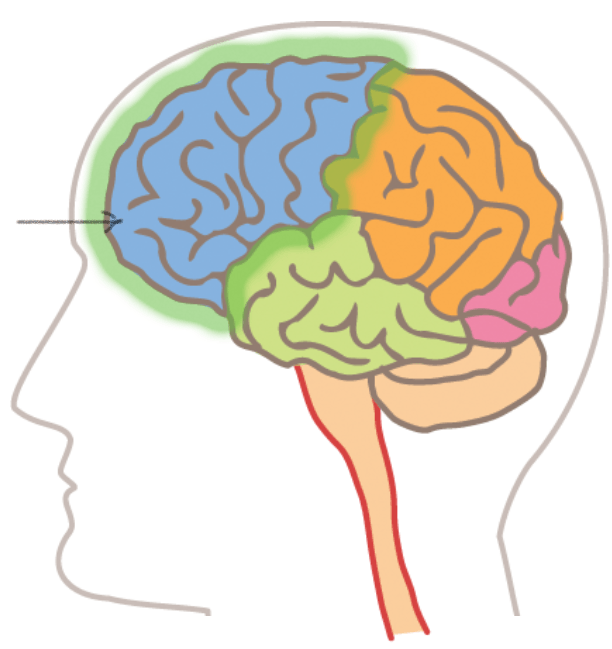
Identify the area of the brain highlighted.
Frontal lobe
Parietal lobe
Cerebellum
Cerebrum
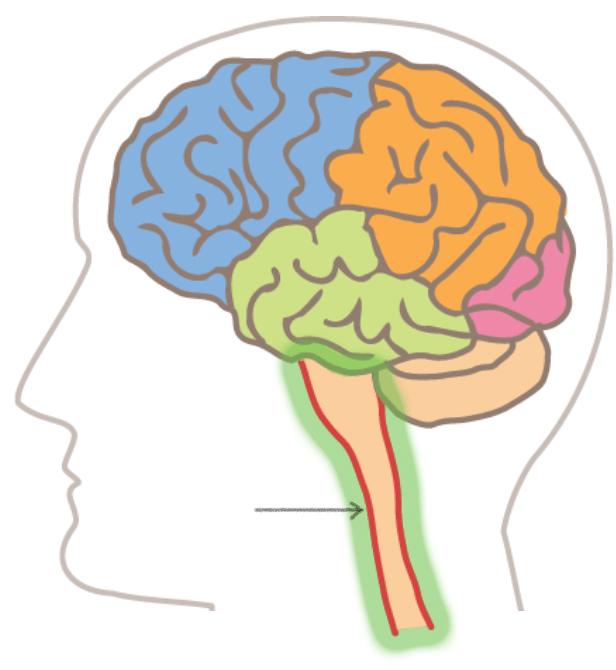
Identify the area of the brain highlighted.
Brain stem
Cerebellum
Spine
Medulla oblongata
If you have problems with a relationship, you should
yell at the other person
call the other person names
talk badly about the other person to others
talk to the person and try to work it out
If you can't solve the problem together,
ask someone you trust to help
yell at the person
hit the other person
make fun of the other person
When a friend shares a secret, you should
tell everyone
post it on social media
respect them and keep it a secret
Which of the following is a healthy attribute or quality?
bitterness
jealousy
anger
trust

The person I'm with likes to listen when I have something on my mind.
Healthy
Unhealthy
Abusive

Your partner texts you more than you want them to and gets upset if you don't reply right away.
Healthy
Unhealthy
Abusive

Your partner controls all of your social media
Healthy
Unhealthy
Abusive

When your partner is upset you try to cheer them up.
Healthy
Unhealthy
Abusive

Your partner frequently compliments you on your outfits.
Healthy
Unhealthy
Abusive

Your partner accuses you of flirting or cheating when you hang out with others
Healthy
Unhealthy
Abusive

Your partner makes you do something you don't want to do.
Healthy
Unhealthy
Abusive

Your partner really wants to learn about what things you like.
Healthy
Unhealthy
Abusive

Which of the following is NOT a quality of a bad friend?
unsupportive
solve problems together
criticize in a "joking" manner
cruel
What is positivity?
The practice of being or tendency to be positive or optimistic in attitude.
Thinking about problems and not planning a solution.
Practicing meditation every single day.
Always thinking negatively about things.
A student says "We've got this," on Monday morning. This student represents:
Respect
Citizenship
Positivity
Owning what you think, say, and do and accepting results
Positivity
Responsibility
Integrity
A student completed their best work on a project. This student represents:
Perseverance
Citizenship
Integrity
Overcoming difficulties, failures or opposition to achieve something worthwhile
Perseverance
Responsibility
Respect
What are some ways to express optimism in a conversation?
Use positive language, share hopeful thoughts, and focus on solutions rather than problems.
Use negative language and focus on problems
Share pessimistic thoughts and focus on the worst-case scenario
Use neutral language and avoid expressing any emotions
What are the benefits of using persuasive language in everyday conversations?
It can make conversations boring and uninteresting
It can help in influencing others, building rapport, and achieving desired outcomes in conversations.
It has no impact on the outcome of conversations
It can lead to misunderstandings and conflicts
What are some common pitfalls to avoid when trying to use positive language?
Overusing positive language, being insincere, and ignoring the reality of the situation
Being overly critical
Using negative language instead
Focusing only on the negative aspects

Which of the following is a good decision?
laughing at a student's drawing because I don't like it
slapping someone in the back of the neck because it is a game
helping someone who got hurt on the playground
throwing rocks on the playground
My friends are finishing their maths problems faster than me, and I do not like being the last one finished. I should...
guess so it is over with
look at the answer on someone else's board
focus on making sure I understand the material
give up
____ a state of complete physical, mental, and social well-being not merely the absence of disease.
Lifestyle Factors
Functional Health
Health
Wellness
____ is a planned, sequential program of curriculum and instruction that helps student develop knowledge, attitudes, and skills related to the physical, mental/emotional, and social dimensions of health.
Health Education
Wellness
Lifestyle Factors
Functional Health
___ are personal behaviors and habits related to the way a person lives
Health
Wellness
Lifestyle Factors
Health Education
Practicing healthy habits to keep a person well and free from disease and other ailments.
Prevention
Risk Factor
Life Expectancy
Goal
Which one is the best answer when it comes to promoting health?
Prevention
Lifestyle Factors/
Literacy/Health Attitude
Literacy/
Prevention
/Medicine/Lifestyle factors
Heredity/Health Attitude/Medicine
Prevention/Health Attitude/Literacy/Medicine

