
 Worksheets
Immune System Quiz
Total questions: 100
Worksheet time: 50mins
What is the primary purpose of the immune system?
To digest food and absorb nutrients
To protect the body from harmful invaders and maintain internal balance
To regulate body temperature
To produce energy for the body
How does the immune system distinguish self from non-self?
By producing hormones
By recognizing and defending against pathogens
By generating electrical impulses
By absorbing nutrients
What role do T-Cells or NK Cells play in the immune system?
They produce insulin
They remove damaged, abnormal, or cancerous cells
They transport oxygen
They store fat
What is adaptive immunity?
The ability to digest food
The creation of memory of past infections for faster response
The regulation of blood pressure
The production of red blood cells
What is a pathogen?
A molecule that triggers an immune response
A disease-causing organism
A usually harmless antigen that causes an exaggerated immune response
A type of white blood cell
Which of the following best describes an antigen?
A disease-causing organism
A molecule that triggers an immune response
A type of white blood cell
A harmless substance that causes no immune response
What is an allergen?
A type of bacteria
A molecule that triggers an immune response
A usually harmless antigen that causes an exaggerated immune response
A disease-causing organism
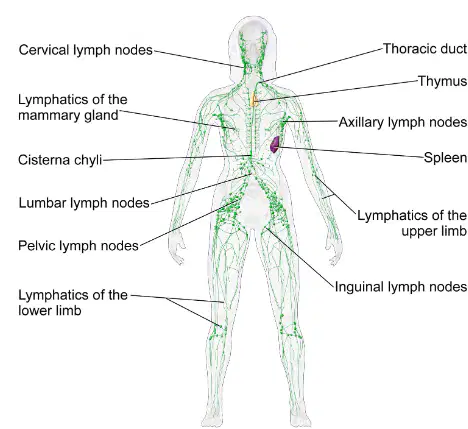
What is the primary function of the lymphatic system?
Support fluid balance, fat absorption, and immune defense
Transport oxygen to the blood
Regulate body temperature
Produce red blood cells
Which of the following is NOT a component of the lymphatic system?
Lymph nodes
Spleen
Heart
Thymus
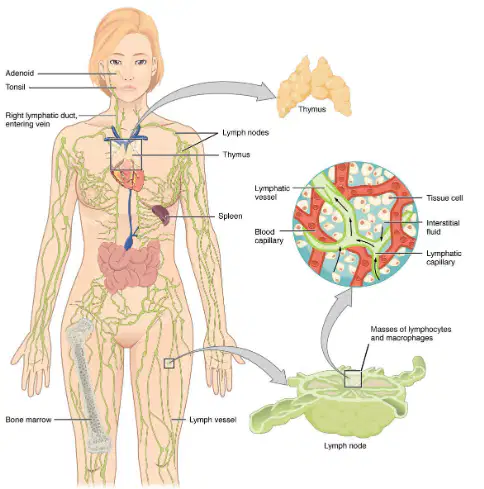
Which organ is responsible for the maturation of T-cells?
Red bone marrow
Thymus
Spleen
Lymph nodes
What is the primary function of the red bone marrow?
Maturation of T-cells
Production of all blood cells
Filtration of blood
Storage of lymphocytes
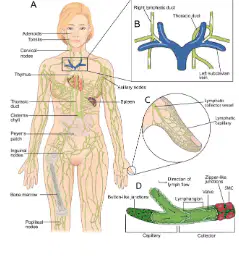
Which organ filters lymph and activates lymphocytes?
Spleen
Tonsils
Lymph nodes
Appendix
What is the primary function of the spleen?
Traps pathogens in the throat
Filters blood and removes old RBCs
Monitors gut pathogens
Activates lymphocytes
Which organs are responsible for trapping pathogens in the throat?
Lymph nodes
Spleen
Tonsils/Adenoids
Peyer’s Patches
What do the appendix and Peyer’s patches monitor?
Blood pathogens
Lymph flow
Gut pathogens
Throat pathogens
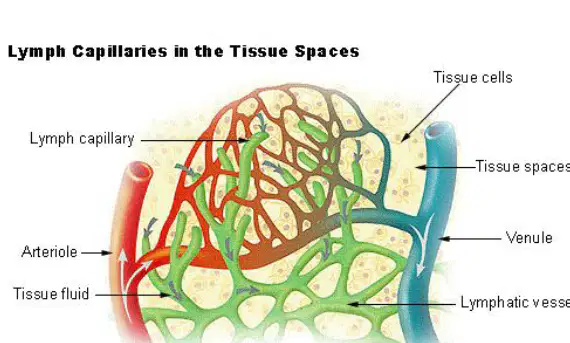
What is a lymph?
A clear fluid formed when interstitial fluid enters lymphatic capillaries
A type of blood cell
A hormone produced by the pancreas
A type of muscle tissue
Where does lymph flow through to get filtered?
Lymph nodes
Arteries
Veins
Capillaries
Where does the right lymphatic duct drain lymph?
Left subclavian vein
Right subclavian vein
Thoracic duct
Inferior vena cava
Which duct drains lymph from the rest of the body besides the right upper body?
Right lymphatic duct
Thoracic duct
Coronary sinus
Hepatic portal vein
Which subclavian vein receives more lymph?
Right subclavian vein
Left subclavian vein
Superior vena cava
Inferior vena cava
What is the main goal of the immune system?
To digest food
To transport oxygen
To protect the body from pathogens
To regulate body temperature
What is the difference between a pathogen and an antigen?
Pathogens are beneficial, antigens are harmful
Pathogens cause disease, antigens trigger immune response
Pathogens are cells, antigens are tissues
Pathogens are proteins, antigens are carbohydrates
What fluid flows through the lymphatic system?
Blood
Plasma
Lymph
Cerebrospinal fluid
Name two secondary lymphatic organs.
Heart and lungs
Liver and pancreas
Spleen and lymph nodes
Kidneys and bladder
What is the purpose of a lymph node?
To produce hormones
To filter lymph and trap pathogens
To store energy
To regulate blood pressure
What is the primary characteristic of innate immunity?
It is acquired over time
It is specific to each pathogen
It is fast and non-specific
It requires prior exposure to pathogens
Which of the following is true about innate immunity?
It is the body's third line of defense
It is present from birth
It targets specific pathogens
It develops after exposure to pathogens
What role does innate immunity play in the body's defense system?
It acts as the body's first and second lines of defense
It provides long-term immunity
It adapts to new pathogens over time
It is activated only after the adaptive immune system

What are the two lines of innate defense?
First Line and Second Line
Primary Line and Secondary Line
Initial Line and Final Line
Outer Line and Inner Line
Which of the following is a component of the first line of defense?
Phagocytes
Skin
NK cells
Inflammation
What is a component of the second line of defense?
Mucous membranes
Sweat
NK cells
Tears
What is the role of sebum secreted by the skin?
It acts as a lubricant for joints.
It provides nutrients to the skin.
It serves as an oily antimicrobial barrier.
It helps in the absorption of sunlight.
Where are mucous membranes found in the body?
Only in the respiratory tract
In the digestive, respiratory, and urinary tracts
Only in the digestive tract
In the circulatory system
What is the function of cilia in the lungs?
To absorb oxygen
To move mucus out
To produce mucus
To filter blood
What is the role of stomach acid in the immune system?
It neutralizes toxins.
It destroys swallowed pathogens.
It aids in digestion of proteins.
It absorbs nutrients.
Which cells are responsible for eating and digesting invaders in the body's internal innate defenses?
Natural Killer (NK) Cells
Phagocytes
Red Blood Cells
Platelets
What is the primary function of Natural Killer (NK) cells in the immune system?
Produce antibodies
Kill virus-infected and cancer cells
Transport oxygen
Produce histamine
What is released by Natural Killer (NK) cells to cause apoptosis?
Histamine
Perforin
Prostaglandins
Antibodies
Which of the following is NOT an effect of inflammation?
Heat
Redness
Swelling
Increased oxygen levels
What triggers the inflammatory response in the body?
Excessive exercise
Injury or infection
High blood pressure
Low blood sugar
What triggers a fever in the body?
Bacteria
Pyrogens
Viruses
Antibodies
How does a fever help in slowing pathogen growth?
By lowering body temperature
By raising body temperature
By increasing blood pressure
By decreasing enzyme activity
What is the role of interferons (IFNs) in the immune response?
They attack pathogens directly
They warn neighboring cells of viral infection
They increase blood flow to infected areas
They produce antibodies
What is one function of complement proteins in the immune system?
They produce white blood cells
They activate pathogens
They cause opsonization
They decrease inflammation
What are the two major types of innate defense?
First line (barriers) and second line (internal defenses)
Third line (adaptive) and fourth line (external defenses)
Primary line (cellular) and secondary line (humoral defenses)
Initial line (chemical) and final line (physical defenses)
What is phagocytosis?
The process of engulfing and digesting pathogens
The release of antibodies to neutralize pathogens
The production of white blood cells
The activation of T-cells
What immune protein forms holes in pathogens?
Complement proteins via the membrane attack complex (MAC)
Antibodies through antigen binding
Cytokines through signaling pathways
Enzymes through metabolic reactions
What do interferons do?
Warn neighboring cells of viral infections and activate NK cells
Directly destroy pathogens
Produce antibodies
Stimulate red blood cell production
What causes fever and what is its purpose?
Pyrogens cause fever; it slows pathogens, speeds immune response
Bacteria cause fever; it weakens the immune system
Viruses cause fever; it increases pathogen replication
Toxins cause fever; it decreases body temperature
What is adaptive immunity?
A non-specific defense system that acts immediately
A specific defense system activated when innate immunity fails
A system that only involves B cells
A rapid response system with no memory
Which cells are involved in adaptive immunity?
Only T cells
Only B cells
T cells (cell-mediated) and B cells (humoral)
Red blood cells
How does adaptive immunity respond compared to innate immunity?
Faster and with no memory
Slower but creates long-lasting memory
Equally fast and with short-term memory
Slower and with no memory
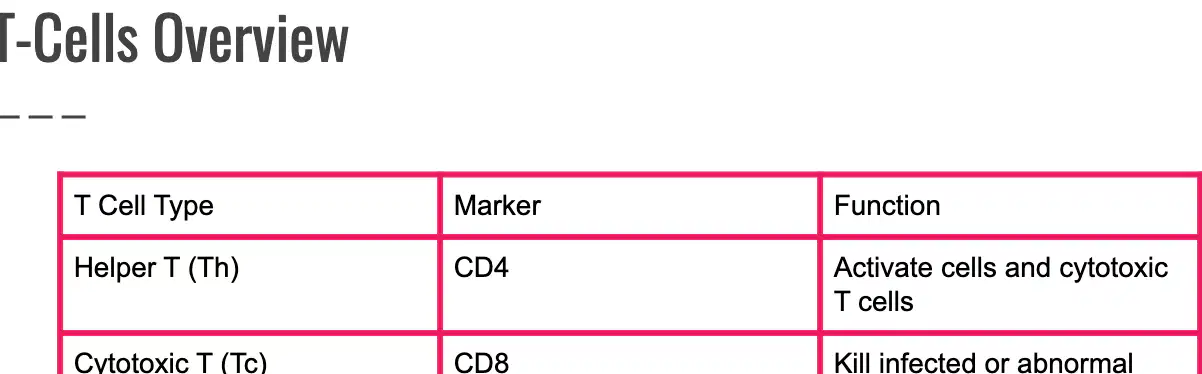
Which marker is associated with Helper T cells?
CD4
CD8
CD3
CD19
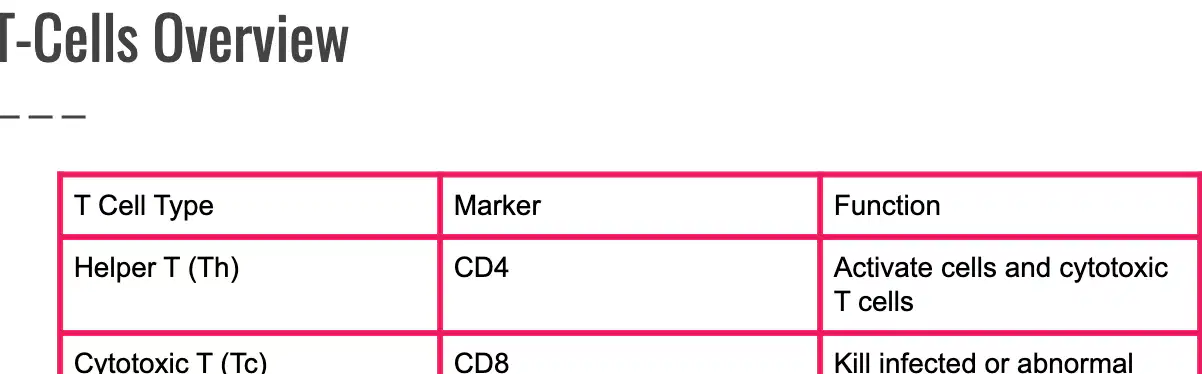
What is the primary function of Cytotoxic T cells?
Activate cells and cytotoxic T cells
Kill infected or abnormal cells
Suppress immune overreactions
Remember past infections
Which T cell type is responsible for suppressing immune overreactions?
Helper T
Cytotoxic T
Regulatory T
Memory T
What is the role of Memory T cells?
Activate cells and cytotoxic T cells
Kill infected or abnormal cells
Suppress immune overreactions
Remember past infections
Where are MHC I molecules found?
All nucleated cells
Only on red blood cells
Only on nerve cells
Only on muscle cells
What type of antigens do MHC I molecules present?
Bacterial antigens
Self or viral antigens
Fungal antigens
Parasitic antigens
Which cells recognize MHC I molecules?
CD4+ Helper T Cells
B Cells
CD8+ Cytotoxic T cells
Macrophages
What is the primary function of MHC II molecules?
Present self-antigens
Present foreign (phagocytized) antigens
Present viral antigens
Present bacterial antigens

Which cells recognize MHC II molecules?
CD8+ Cytotoxic T cells
CD4+ Helper T Cells
Red blood cells
Nerve cells
Which of the following are considered antigen-presenting cells (APCs)?
Red blood cells, platelets, and neutrophils
Macrophages, dendritic cells, and B cells
Helper T cells, cytotoxic T cells, and natural killer cells
Eosinophils, basophils, and mast cells
What is the primary function of antigen-presenting cells (APCs)?
To produce antibodies against pathogens
To engulf pathogens, process the antigen, and present it on MHC II to Helper T cells
To directly kill infected cells
To transport oxygen throughout the body
What is the first step in the T Cell Activation Process?
CD4+ Helper T cell binds with TCR + CD4
Helper T cell is activated and releases cytokines
APC presents antigen on MHC II
Cytokines help activate B cells
Which cells are activated by cytokines in the T Cell Activation Process?
Red blood cells
Neurons
B cells and Cytotoxic T Cells
Platelets
What happens after the CD4+ Helper T cell binds with TCR + CD4?
The cell undergoes apoptosis
The Helper T cell is activated and releases cytokines
The antigen is destroyed immediately
The Helper T cell becomes a memory cell
What do CD4+ T cells recognize?
Antigens on MHC I molecules
Antigens on MHC II molecules
Antigens on MHC III molecules
Antigens on MHC IV molecules
What do CD8+ T cells recognize?
Antigens on MHC I molecules
Antigens on MHC II molecules
Antigens on MHC III molecules
Antigens on MHC IV molecules
What is the role of Helper T cells?
Suppress immune response
Activate B cells, cytotoxic T cells, and other immune cells
Produce antibodies
Destroy pathogens directly
What do cytotoxic T cells do?
Produce antibodies
Activate B cells
Kill infected or cancerous cells
Suppress immune response
What are APCs and why are they important?
Cells that produce antibodies
Cells that suppress immune response
Cells that present antigens on MHC II to start adaptive immunity
Cells that destroy pathogens directly
What is one of the primary functions of B cells?
Produce red blood cells
Recognize antigens
Transport oxygen
Break down glucose
Into which types of cells do B cells differentiate?
T cells and macrophages
Plasma cells and Memory B Cells
Neurons and glial cells
Epithelial cells and fibroblasts
What is the role of plasma cells derived from B cells?
Produce antibodies
Store fat
Transport nutrients
Conduct nerve impulses
What advantage do Memory B Cells provide?
Slower response time
Faster response time
Increased oxygen transport
Enhanced glucose metabolism
Where are B cells produced and matured?
Thymus
Bone marrow
Spleen
Lymph nodes
After activation, where do B cells travel?
Bone marrow
Thymus
Lymphoid tissues and circulation
Liver
What is the role of Helper T Cells (CD4) in B cell activation?
They directly bind to antigens.
They help activate the B cell after antigen binding.
They produce antibodies.
They inhibit B cell activation.
In which type of B cell activation do memory B cells form?
T-Independent
T-Dependent
Both T-Dependent and T-Independent
Neither T-Dependent nor T-Independent
How do B cells become activated in a T-Independent manner?
By binding to antigens with the help of Helper T Cells.
By binding antigens strongly enough on their own.
By receiving signals from memory B cells.
By producing antibodies without antigen binding.
What shape are antibodies?
Y-shaped
X-shaped
Z-shaped
T-shaped
What is the primary function of antibodies in the immune system?
Destroy pathogens directly
Bind to multiple antigens
Tag pathogens for other immune responses
Produce antigens
Which of the following is NOT a process antibodies tag pathogens for?
Phagocytosis
Complement activation
Immobilization
Photosynthesis
What is the function of the variable region of an antibody?
Binds to the antigen (antigen-binding site)
Determines the class (IgM, IgG, etc.) and function
Transports the antibody through the bloodstream
Provides structural support to the antibody
Which region of an antibody determines its class and function?
Variable Region
Constant Region
Antigen Region
Binding Region
What is an antigenic determinant (epitope)?
A type of antibody
A specific part of an antigen that the antibody or B cell receptor binds to
A type of B cell
A general structure of an antigen
How many epitopes can one antigen have?
Only one
Two
Many
None
Which class of antibody is known as the first responder and activates complement?
IgG
IgA
IgM
IgE
Which antibody is most abundant and can cross the placenta?
IgA
IgG
IgE
IgD
Which antibody is primarily involved in mucosal defense and is found in saliva, tears, and milk?
IgM
IgG
IgA
IgD
Which antibody is associated with allergic responses and binds mast cells to release histamine?
IgD
IgE
IgG
IgA
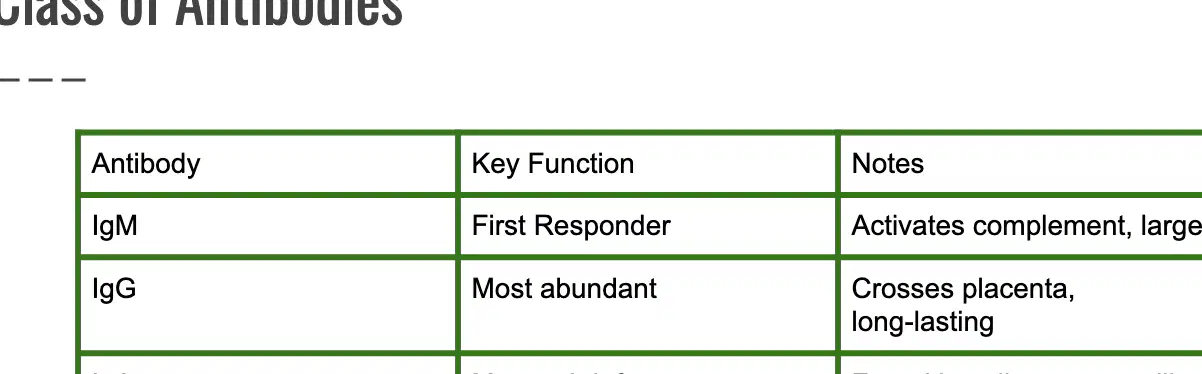
Which antibody has an unclear role but is found on immature B cells?
IgM
IgG
IgA
IgD
What is immune memory?
A process that occurs during the primary adaptive immune response and allows for a faster, stronger secondary response when re-exposed to the same antigen.
A type of memory that helps in recalling past events.
A mechanism that prevents any immune response from occurring.
A process that weakens the immune system over time.
What is the time to respond for the primary immune response?
Hours
3-6 Days
2-3 Days
1 Day
During which immune response is the antibody peak reached in 2-3 days?
Primary Response
Secondary Response
Initial Response
Tertiary Response
What happens to memory cells during the secondary immune response?
Created
Destroyed
Activated
Inactivated
How is the antibody quality described in the primary immune response?
Higher, longer-lasting
Lower, short-lived
Moderate, temporary
Strong, permanent
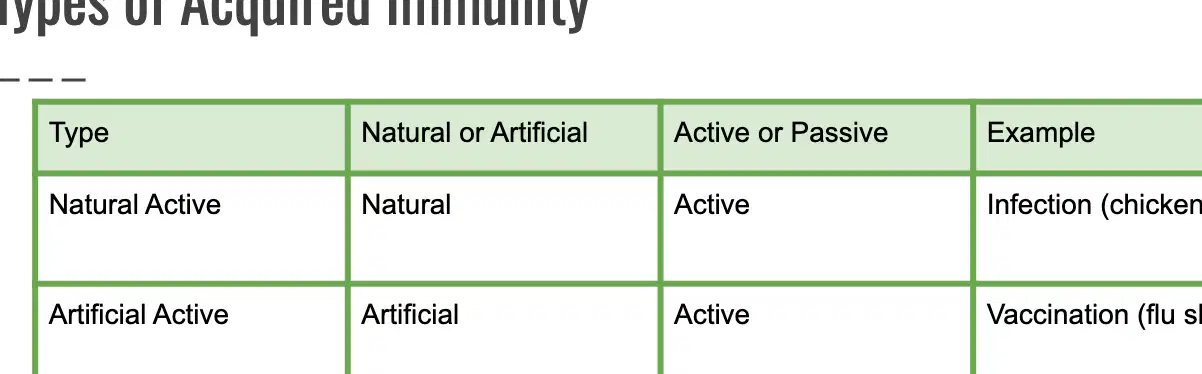
What type of acquired immunity is obtained through vaccination, such as a flu shot?
Natural Active
Artificial Active
Natural Passive
Artificial Passive
Which type of acquired immunity involves receiving antibodies from the mother through milk?
Natural Active
Artificial Active
Natural Passive
Artificial Passive
What is an example of artificial passive immunity?
Infection (chicken pox)
Vaccination (flu shot)
Antibodies from mother (milk)
Injection of antibodies (antivenom)

