
NEW
Font size
 Worksheets
Communication & Stakeholders
Total questions: 38
Worksheet time: 19mins
Which of the following correctly matches the type of communication with its example?
Visual Communication - Using images to present an idea
Non-Visual Communication - Showing a chart
Verbal Communication - Nodding in agreement
Non-verbal Communication - Speaking in a meeting
Codes and Conventions can be described as which of the following?
The rules and systems used to create meaning in media, including elements like colour, typography, and images.
A list of programming languages used in web development.
A set of laws governing copyright in media production.
A guide to writing essays in academic settings.
Stakeholders can be described by their power and interest in a project. Which diagram is used to place different stakeholders based on these attributes?
Power versus Interest diagram
SWOT analysis
Fishbone diagram
PERT chart
Representation & Stereotypes are important concepts in media. Why is it important not to reinforce stereotypes?
Because reinforcing stereotypes can perpetuate harmful biases and limit understanding of diverse groups.
Because stereotypes always provide accurate information about groups.
Because reinforcing stereotypes helps promote equality and fairness.
Because stereotypes are necessary for effective communication.
What mark range is given for a research poster with solid information outlining all poster requirements?
9-10
7-8
5-6
3-4
Which of the following is an example of communication?
sms
telephone conversation
All of the above
Communication takes place when one mind so acts upon its environment that another mind is influenced, and in that other mind an experience occurs which is like the experience in the first mind, and is caused in part by that experience. What does this process describe?
The process by which one mind influences another, causing a similar experience in the second mind.
The process of learning a new language through repetition.
The act of memorizing information for later recall.
The process of solving mathematical problems together.
Which of the following is NOT an example of communication?
sms
sleeping
telephone conversation
What type of communication uses images, symbols, colours, and layout to convey messages (e.g., posters, logos, infographics)?
Visual Communication
Verbal Communication
Written Communication
Non-verbal Communication
Which form of communication uses other senses or methods, like sound (e.g., alarms, music) or touch (e.g., braille)?
Non-Visual Communication
Verbal Communication
Written Communication
Visual Communication
What type of communication involves spoken or written words (e.g., speeches, conversations, text)?
Verbal Communication
Nonverbal Communication
Visual Communication
Electronic Communication
Which form of communication includes body language, facial expressions, gestures, tone of voice, and even silence?
Non-Verbal Communication
Written Communication
Digital Communication
Verbal Communication
What is the role of the Sender (Encoding) in the Shannon and Weaver Model?
The person or source creating the message.
The medium through which the message travels.
The feedback mechanism in communication.
The interpretation of the message by the receiver.
In the Shannon and Weaver Model, what does Signal (Transmission) refer to?
The way the message is sent (e.g., spoken words, images, text).
The person who receives the message.
The feedback given to the sender.
The noise that disrupts the message.
In the Shannon and Weaver Model, what is Noise?
Anything that interferes with the message (e.g., distractions, unclear design, poor layout).
The main idea or content of the message.
The person who receives the message.
A feedback mechanism to improve communication.
Who is the Receiver (Decoding) in the Shannon and Weaver Model?
The person interpreting or understanding the message.
The person sending the message.
The medium through which the message travels.
The noise that distorts the message.
According to the Shannon and Weaver Model, how does this model help in design?
It helps us think about how clearly our message is being communicated to the audience.
It provides a step-by-step guide for creating visual layouts.
It focuses on the emotional impact of color schemes.
It determines the best font size for readability.
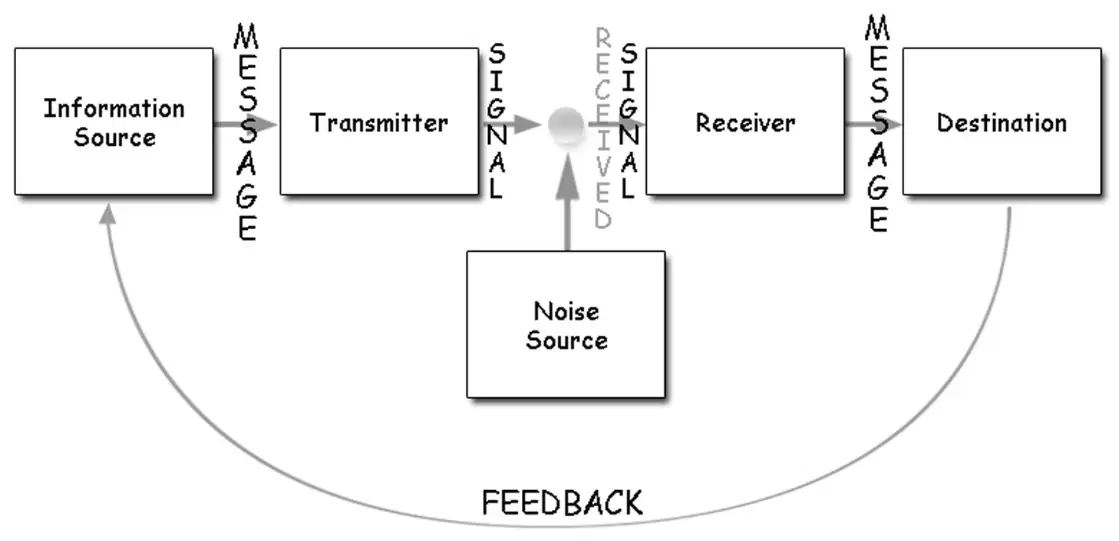
Refer to the diagram of the Shannon & Weaver Model of Communication. What is the first component in the communication process?
Information Source
Transmitter
Receiver
Destination
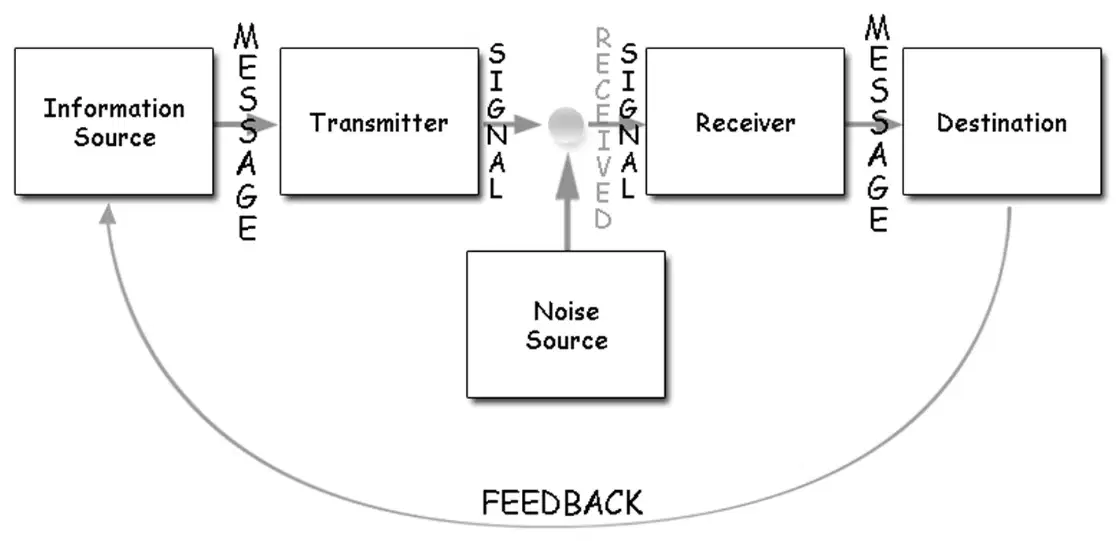
Refer to the diagram of the Shannon & Weaver Model of Communication. Which component is responsible for converting the message into signals?
Transmitter
Receiver
Channel
Noise Source
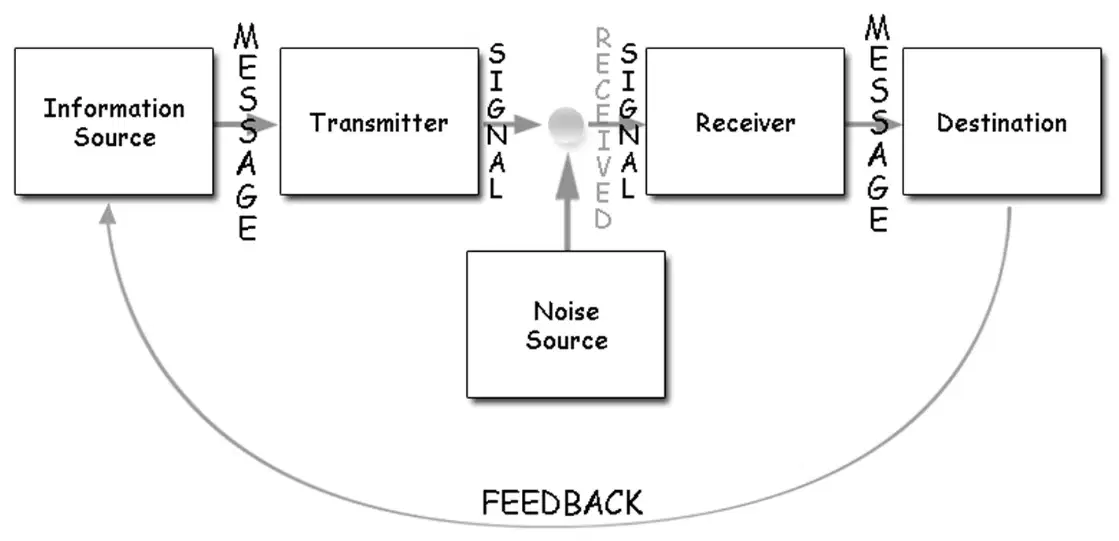
Refer to the diagram of the Shannon & Weaver Model of Communication. The role of the Noise Source in the communication process is to:
interfere with the transmission of the message
encode the message for the sender
ensure the message reaches the receiver accurately
act as the feedback mechanism
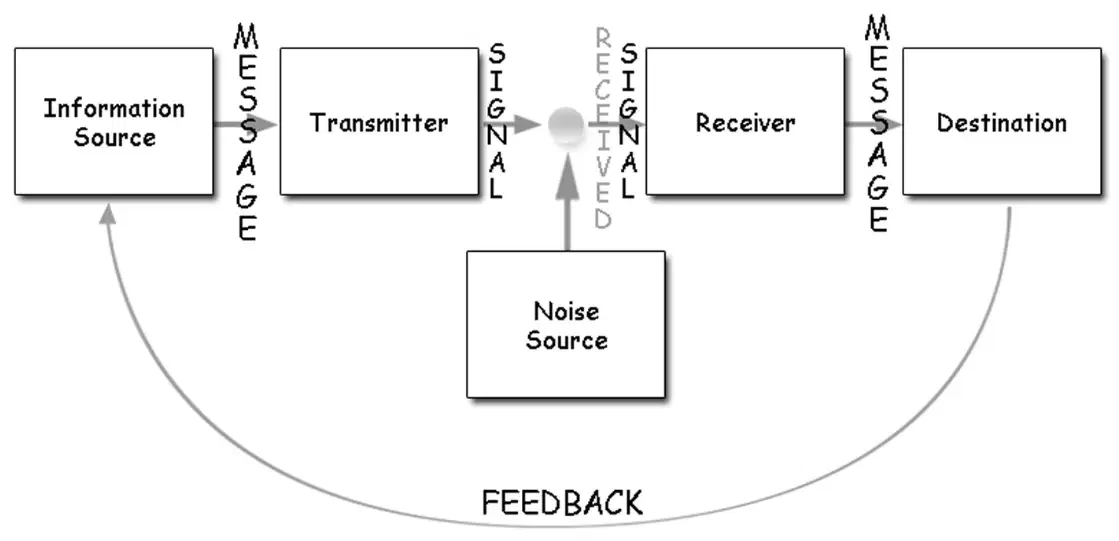
Refer to the diagram of the Shannon & Weaver Model of Communication. What is the final destination of the message in the model?
Destination
Sender
Channel
Noise

Fill in the blank: The ________ is the poster itself – a visual message shared through print and digital platforms.
Signal (Transmission)
Receiver (Audience)
Channel (Medium)
Feedback (Response)
Fill in the blank: In semiotics, a ______ is something that stands for something else (e.g., a red heart = love).
Sign
Object
Gesture
Phrase
Fill in the blank: In semiotics, the ______ is the imagery (e.g., a person)
Signifier
Signified
Referent
Symbol
Fill in the blank: In semiotics, the ______ is the idea or meaning behind it (e.g., love, care).
Signified
Signifier
Symbol
Referent
According to the advertisement, what is the meaning signified by the Dove Beauty campaign?
Only one body type is beautiful
Women come in many shapes, sizes, and colours, and should feel empowered and proud of their bodies
Beauty is only about appearance
Friends are not important in beauty
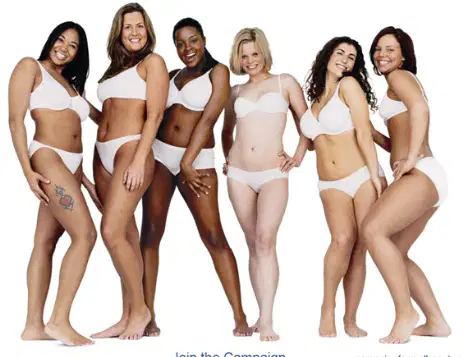
The Dove Beauty advertisement empowers women by:
Promoting self-confidence and natural beauty.
Encouraging women to use more makeup.
Focusing only on traditional beauty standards.
Discouraging women from expressing themselves.

What is the 'Signifier' in the Heinz print advertisement?
The red backdrop, the bottle of ketchup, and white text 'no-one grows Ketchup like Heinz'.
The nutritional information on the back label.
A picture of a tomato farm in the background.
A slogan about healthy eating.

What does the 'Signified' represent in the Heinz print advertisement?
Freshness (healthy tomato slices – indicating a healthy connotation towards ketchup) even though it’s full of sugar.
The price of Heinz ketchup compared to competitors.
The history of the Heinz company.
The packaging design of Heinz ketchup.
Designs communicate for different reasons. Fill in the blank: ______ communication involves expressing identity, feelings, or opinions (e.g., personal logos, art, design).
Personal
Technical
Mass
Instructional
Designs communicate for different reasons. Which type of communication involves sharing ideas, influencing others, or raising awareness (e.g., posters, ads, campaigns)?
Personal
Social
Technical
Educational
What are 'Codes' in design? Fill in the blank: Codes are visual tools like ________, typography, layout, and symbols.
colour
texture
sound
motion
What are 'Conventions' in design? Fill in the blank: Conventions are common design practices (e.g., using ________ for headings, logos in corners).
bold fonts
italics
underlines
colours
What are codes in design?
Strategies used to create meaning
Colors used in posters
The main actors in a film
The release date of a film
Fill in the blank: Codes can be ________, technical, or written.
symbolic
numeric
literal
graphic
According to the notes, which of the following is NOT a 'Written Code'?
Title
Date
Photography
Rating
Which of the following is an example of a technical code according to the notes?
Rating
Camera/lighting techniques
Actress/Actor - starring
Date
Fill in the blank: The 'Date of release' on a movie poster is an example of a ______ code.
Written
Audio
Visual
Symbolic

