
 Worksheets
Gi Quiz - Round 1
Total questions: 10
Worksheet time: 5mins
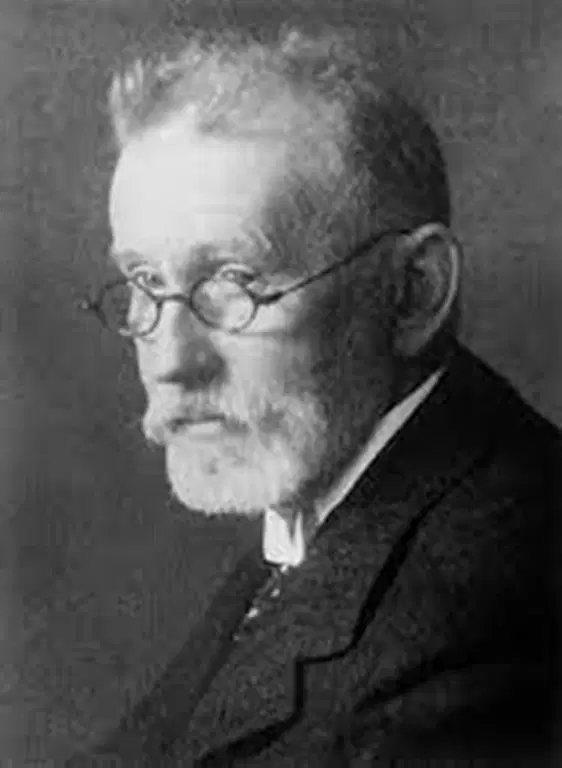
Who performed the first liver biopsy ?
Paul Ehrlich
Charles Dotter
Menghini
Peter Scheurer
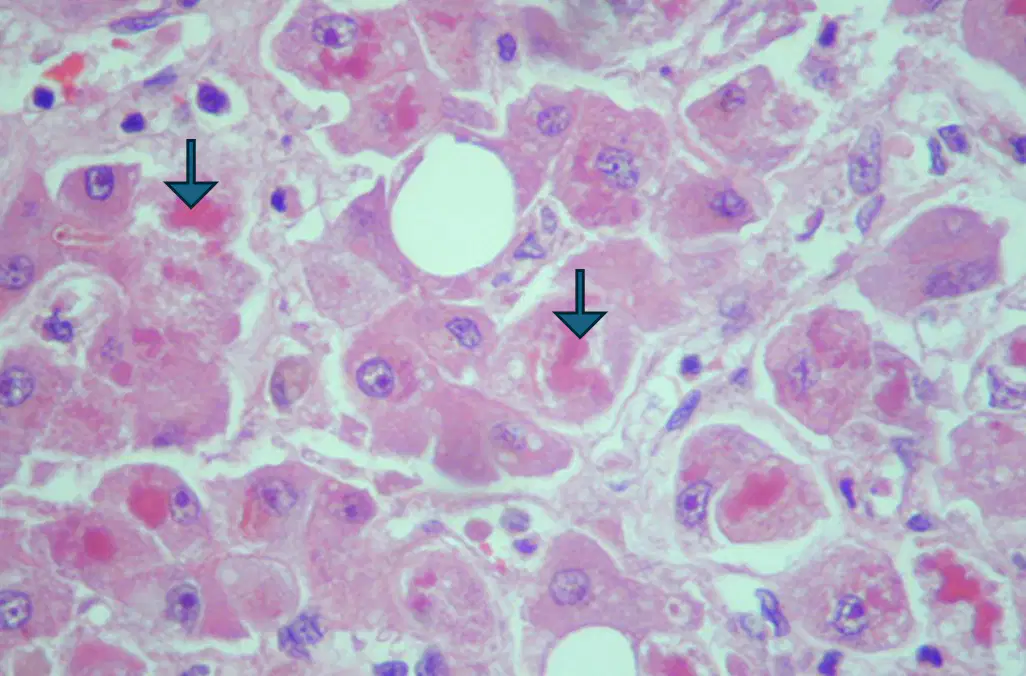
The arow indicates a structure within a damaged hepatocyte.
What is the pathological basis of its formation?
Damaged cytoskeletal proteins
Viral inclusions
Storage of glycogen
Alpha1 antitrypsin inclusions
In which of the following conditions is ALT typically normal or only mildly raised despite significant liver disease?
Acute hepatitis A
Autoimmune hepatitis
Alcoholic cirrhosis
Hepatitis B reactivation
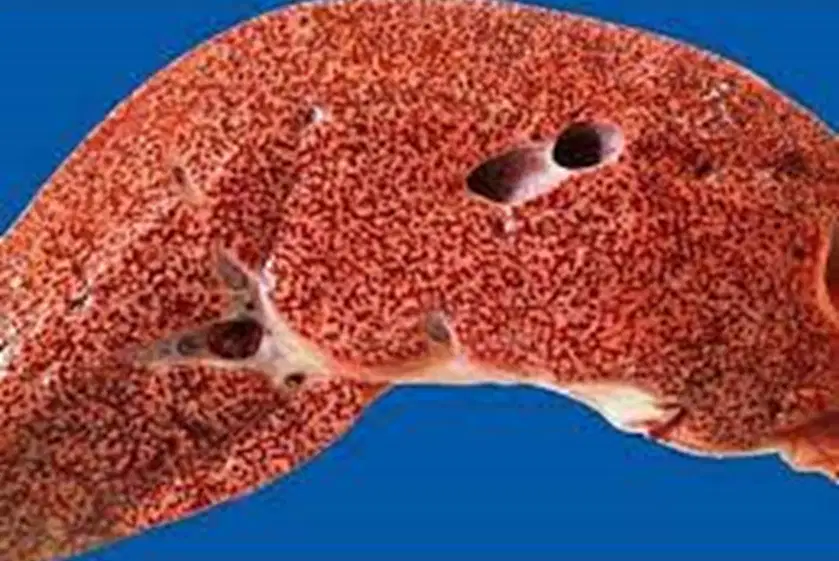
A photograph of the cut surface of a liver is provided. What is the most likely underlying pathology for this appearance?
Acute haemorrhagic necrosis
Chronic venous congestion
Cirrhosis
Portal hypertension
A 45-year-old obese male with diabetes mellitus was diagnosed with MASLD with advanced fibrosis. What is the most useful antidiabetic medication for this patient?
Pioglitazone
Sitagliptin
Semaglutide
Insulin
Which of the following is NOT an indication for treatment with albumin in a patient with decompensated cirrhosis?
Following large volume paracentesis
Treatment of spontaneous bacterial peritonitis
Hepatic encephalopathy
Hepato-renal syndrome
The following treatment option has the best evidence for delaying decompensation in patients with compensated cirrhosis
Carvedilol
Simvastatin
Vitamin E
Ursodeoxycholic acid
Which of the following is the primary mechanism of lactulose in preventing hepatic encephalopathy?
Acting as a systemic antibiotic to reduce gut bacteria
Acidifying colonic contents to convert ammonia (NH3) to ammonium (NH4+)
Increasing renal ammonia excretion
Blocking ammonia production in the liver
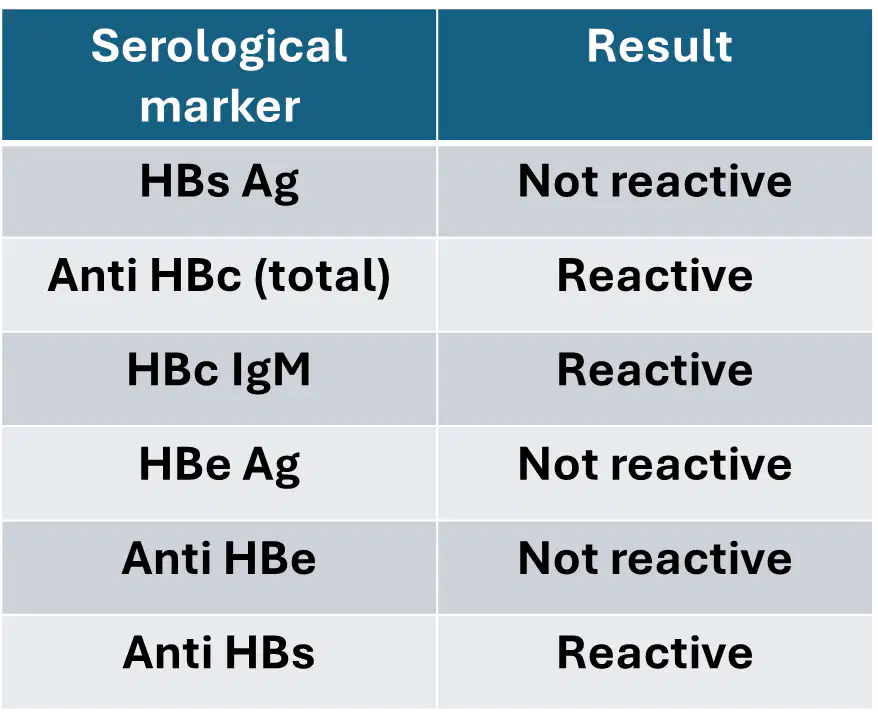
A Hepatitis B serology profile of a patient presented with icterus is given below. Which of the following is the correct interpretation of these results?
Early acute hepatitis B infection
Chronic active hepatitis B infection
Relatively recent, resolving, hepatitis B infection
Past resolved hepatitis B infection
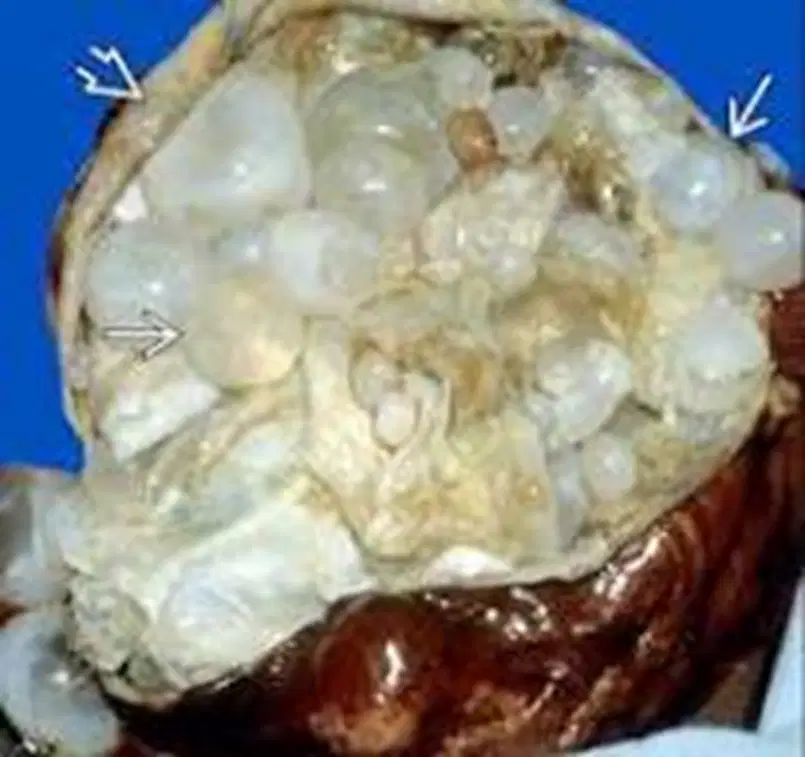
The parasitic stage causing this cystic lesion in the liver is
Ascaris lumbricoides larval worm
Echinococcus granulosus larval worm
Entamoeba histolytica trophozoite
Fasciola hepatica adult worm

