
 Worksheets
PHS History of Health Care Review
Total questions: 35
Worksheet time: 18mins
Differentiate between early beliefs about the causes of disease and treatment and current beliefs about disease and treatment.
Early beliefs attributed disease to supernatural forces, while current beliefs are based on scientific understanding and evidence-based treatment.
Early beliefs focused on genetic causes, while current beliefs focus on supernatural explanations.
Early beliefs relied on advanced technology, while current beliefs use herbal remedies only.
Early beliefs and current beliefs both rely solely on spiritual healing.
Which of the following lists includes at least five current trends or changes in health care?
Telemedicine, personalized medicine, value-based care, increased use of AI, and focus on mental health
Decline in technology use, reduced patient engagement, fewer regulations, less data collection, and decreased collaboration
Increased paper records, less focus on patient outcomes, reduced use of digital tools, fewer healthcare providers, and lower health spending
Decreased emphasis on preventive care, less use of electronic health records, fewer telehealth services, reduced patient safety measures, and less focus on chronic disease management
Fill in the blank: The term 'diagnostic related groups (DRGs)' refers to ____.
a system to classify hospital cases for the purpose of payment
a method for diagnosing rare diseases
a classification of medical equipment
a type of insurance policy
Fill in the blank: The term 'holistic health care' refers to ____.
care that promotes physical, emotional, social, intellectual, and spiritual well-being
care that focuses only on physical health
care that is limited to medical treatments and procedures
care that ignores emotional and social factors
Fill in the blank: The term 'outpatient services' refers to ____.
services that do not require the patient to stay overnight in the hospital
services that require surgery and overnight stay
emergency services only
services provided only to children
Fill in the blank: The term 'pandemic' refers to ____.
an outbreak of a disease that occurs over a wide geographic area and affects a high proportion of the population
a disease that only affects animals
a mild illness that spreads slowly
a condition caused by poor nutrition
Fill in the blank: The term 'wellness' refers to ____.
an overall state of well-being or total health
a specific type of exercise routine
the absence of any illness
a temporary feeling of happiness
Knowing the history of health care is important because:
it helps us understand the development and improvement of medical practices.
it allows us to ignore past mistakes in medicine.
it prevents any new diseases from occurring.
it guarantees that everyone will be healthy.

Which medicine is derived from the Bark Willow Tree?
Morphine
Aspirin
Penicillin
Insulin
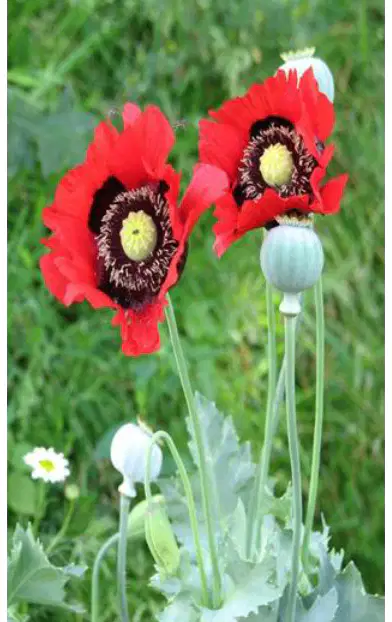
Which plant is the source of Morphine used for pain management?
Bark Willow Tree
Poppy
Aloe Vera
Oak Tree
Herbs utilized in the past for both food and medicine are found in medications today.
True
False
In ancient times, illness and disease were believed to be caused by ________ or as punishment from the gods.
evil spirits and demons
bad weather and storms
unlucky numbers
broken mirrors
Who first recorded health records?
Ancient Greeks
Ancient Romans
Ancient Egyptians
Ancient Chinese
Fill in the blank: The Chinese believed in the need to cure the ______ and nourish the body.
spirit
mind
disease
heart
Fill in the blank: Hippocrates and other physicians in ancient Greece established the importance of ______ and cleanliness in preventing illness and disease.
diet
exercise
meditation
sunlight
What did the Romans implement for waste and clean water in ancient times?
Aqueducts and sewers
Electricity and plumbing
Hospitals and clinics
Vaccines and antibiotics
What was the average life span in ancient times?
10 to 15 years
20 to 35 years
40 to 60 years
70 to 90 years
In the 1300s, an epidemic of ________ killed nearly 75% of the population of Europe and Asia.
bubonic plague
influenza
measles
cholera
What practice was used during the Renaissance to view body organs?
Human dissection
Astrology
Alchemy
Bloodletting
What important invention in the field of science was made during the 16th, 17th, and 18th centuries?
Invention of microscope
Discovery of penicillin
Invention of the telephone
Development of the steam engine
Who were the early pharmacists that made, prescribed, and sold medications during the 16th, 17th, and 18th centuries?
Apothecaries
Alchemists
Botanists
Chemists
Which vaccine was discovered during the 16th, 17th, and 18th centuries?
Polio vaccine
Smallpox vaccine
Measles vaccine
Influenza vaccine
The invention of the stethoscope and the establishment of nurse training programs occurred in which century?
The 19th century
The 18th century
The 20th century
The 17th century
Infection control became an important focus in the 19th century.
True
False
Which of the following were developed in the 20th century to prevent disease?
X-rays, medicines, and vaccines
Computers and smartphones
Automobiles and airplanes
Televisions and radios
Fill in the blank: The first open-heart surgery was performed in the ________.
1950s
1920s
1970s
1980s
Fill in the blank: ________ that can cause pandemics are a major health concern in the 21st century.
Viruses
Bacteria
Fungi
Algae
Fill in the blank: An aging ________ is one of the reasons for increasing healthcare costs.
population
technology
infrastructure
policy
Fill in the blank: Early intervention and ________ services is a method of cost containment.
preventive
curative
emergency
luxury
Fill in the blank: Geriatric care involves care for the ________.
elderly
children
adolescents
infants
Which generation is entering geriatric age?
Generation X
Millennials
Baby boomers
Generation Z
What does OBRA stand for?
Omnibus Budget Reconciliation Act
Occupational Budget Regulation Act
Official Board Regulation Act
Omnibus Board Reconciliation Act
OBRA is a federal regulation for ________ and home health care.
long-term care
acute care
pediatric care
rehabilitation centers
Wellness is a balance between which three aspects of health?
Physical, social, and mental health
Emotional, financial, and spiritual health
Nutritional, occupational, and intellectual health
Environmental, cultural, and technological health
Which of the following are included in wellness?
Exercise
Nutrition
Weight control
Healthy living habits
All of the above

