
NEW
Font size
 Worksheets
Manufacturing Processes and Techniques
Total questions: 16
Worksheet time: 13mins
Which joining method involves melting the base metals together?
Riveting
Soldering
Welding
Brazing

What is a key difference between injection molding and compression molding regarding the materials they typically process?
Injection molding processes thermosets, while compression molding processes thermoplastics.
Injection molding processes metals, while compression molding processes plastics.
Injection molding processes thermoplastics, while compression molding processes thermosets.
Injection molding processes ceramics, while compression molding processes metals.

Why is injection molding most commonly used for large-scale plastic part production?
It has low tooling costs
It works well with thermosetting polymers
It is fast and highly automated
It creates stronger parts than metal forming

Which manufacturing process involves plastically deforming metal using a hammer and closed dies?
Forging
Rolling
Die casting
Turning
Which of the following manufacturing processes would be most appropriate for producing a long aluminum window frame with a constant cross-section?
Sand casting
Extrusion
Injection molding
Rolling

What is a primary disadvantage of sand casting compared to other casting processes?
It can only be used for a limited range of metals.
It has very high initial costs.
It produces parts with a poor surface finish.
It cannot produce large or complex parts.

Which of the following best describes a disadvantage of sand casting?
Only suitable for non-ferrous metals
Limited to small parts only
Produces poor surface finish and low accuracy
Requires extremely high pressure to form
Which of the following is a machining process used to create a cylindrical shape by removing material from a rotating workpiece?
Drilling
Turning
Forging
Extrusion

Which casting process is generally more suitable for large production runs of non-ferrous metals due to its ability to achieve tight tolerances and excellent surface finish, despite high startup costs?
Sand casting
Investment casting
Die casting
Lost-foam casting
Hot rolling requires more force to plastically deform steel than cold rolling
True
False

Which of the following is an advantage of investment casting?
It is a relatively inexpensive process.
It is a very fast manufacturing process.
It can achieve tight tolerances.
It is primarily used for simple geometries.

What is the primary advantage of cold working over hot working in metal forming?
Easier to plastically deform the metal
Increases material strength
Reduces tooling costs
Suitable for complex shapes
The term “strain hardening” is associated with which process?
Die casting
Cold working
Rolling
Soldering
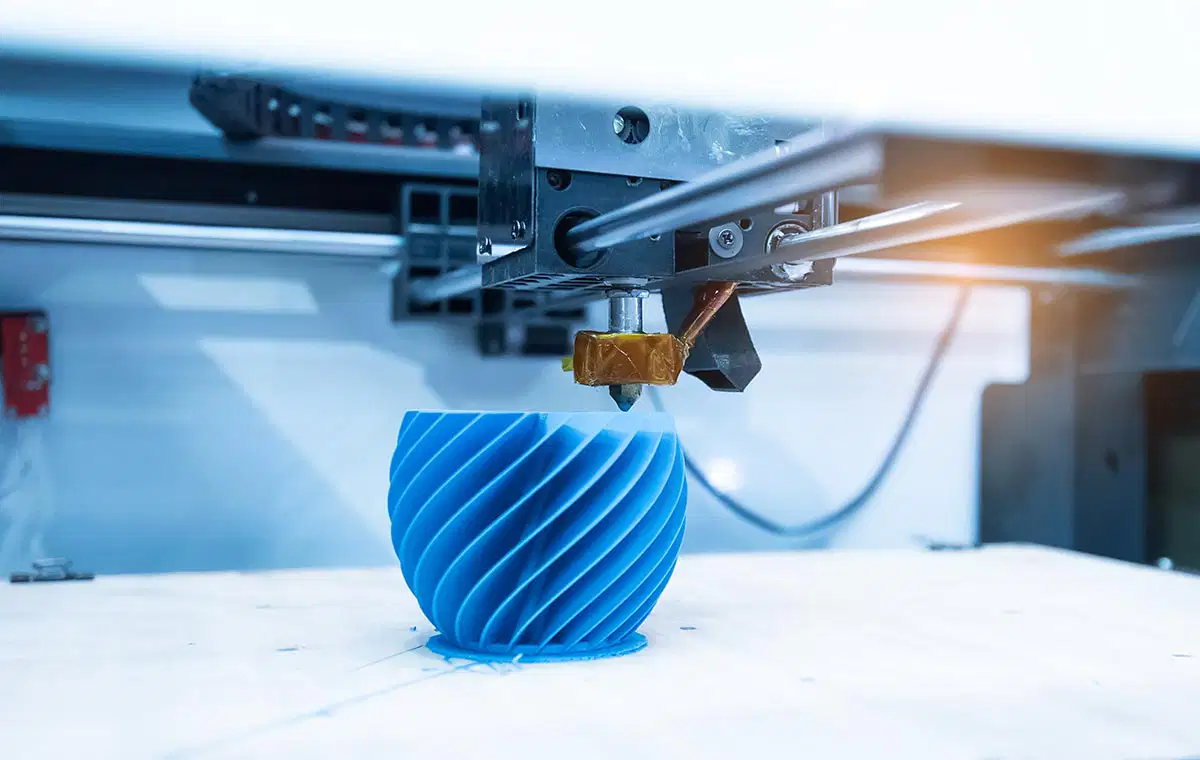
What is a common application for 3D printing due to its characteristics?
Mass production of consumer goods.
Rapid prototyping and custom part creation.
Joining large metal components.
High-volume manufacturing of simple plastic parts.

Which of the following statements about cold working is true?
It is only suitable for thermoplastics
It causes strain hardening, increasing strength
It is performed above the recrystallization temperature
It improves ductility by annealing the metal
Compression molding is best suited for which type of plastic material?
Thermoplastics
Thermosets
Biodegradable polymers
Elastomers

