
 Worksheets
20 Electric Power
Total questions: 90
Worksheet time: 45mins
The principles of electric wiring and wiring terminology include:
Safety, proper insulation, correct wire sizing, and clear labeling
Only using the cheapest materials available
Ignoring color codes and wire sizes
Connecting wires without insulation or labeling
Electricity is defined by which of the following terms and principles?
Flow of electric charge, voltage, current, and resistance
Photosynthesis, respiration, and transpiration
Gravity, inertia, and momentum
Evaporation, condensation, and precipitation
Estimating electric needs and loads involves which of the following methods?
Calculating the total wattage of all devices and applying demand factors
Guessing based on previous bills
Using only the number of outlets in a building
Assuming all devices run at maximum capacity all the time
The principles of alternating current (AC) and direct current (DC) involve differences in the direction of current flow. Which statement correctly describes this difference?
AC changes direction periodically, while DC flows in one direction only.
AC flows in one direction only, while DC changes direction periodically.
Both AC and DC change direction periodically.
Both AC and DC flow in one direction only.
The sources of electric power are:
Fossil fuels, nuclear energy, hydroelectric power, and renewable sources
Only fossil fuels
Only solar energy
Only wind energy
Which of the following are examples of alternative power systems?
Solar and wind
Coal and oil
Natural gas and diesel
Nuclear and gasoline
Demonstrate the use of various meters designed to help people work safely around electricity.
By using devices such as voltmeters, ammeters, and insulation testers to check electrical parameters and ensure safety.
By only relying on visual inspection of electrical equipment.
By using meters only after an accident has occurred.
By avoiding the use of any meters when working with electricity.
Electricity is energy that consists of charged particles, such as ________.
electrons
neutrons
photons
protons
When a charge builds up in one place, it is known as ________.
static electricity
current electricity
magnetic field
thermal energy
When electricity flows along a path, it is called ________.
electric current
electric charge
electric field
electric resistance
Electric current is the flow of ________.
electrons
protons
neutrons
atoms
In agriculture, tools and equipment convert the power of electricity into which of the following?
Light
Heat
Sound
Mechanical motion
All of the above
Which of the following is NOT a form that electricity is converted into in agriculture?
Light
Heat
Water
Sound
What are conductors?
Materials that do not allow electrons to flow
Materials that readily allow electrons to flow
Materials that only allow heat to flow
Materials that block electricity
Which of the following metals is most commonly used for electrical service?
Gold
Silver
Aluminum
Copper
Fill in the blank: Gold, silver, aluminum, and ______ all conduct electricity.
copper
plastic
wood
glass
In a conductor, electrons move from one atom to the next at approximately the speed of ______.
light
sound
a car
a snail

The movement of electrons from one atom to the next constitutes electric current.
True
False
What happens to an electron in a conductor?
It stays in one atom
It moves from one atom to the next until it leaves the conductor at the other end
It disappears
It moves in circles
What are insulators?
Materials that allow the flow of electrons
Materials that resist or stop the flow of electrons
Materials that generate electricity
Materials that conduct heat
Which of the following is NOT a common insulator?
Glass
Porcelain
Rubber
Copper
Fill in the blank: Insulators are used to ______ conductors to restrict the flow of current to intended circuits.
cover
heat
charge
move
Fill in the blank: Insulators help prevent unintentional human contact with ______ conductors.
energized
neutral
plastic
insulated
The valence electrons of insulators are held much more tightly to the nucleus of the atoms than those of conductors.
True
False
Which of the following is a property of single valence electrons of metal atoms?
Have relatively weak bonds
Are held tightly to the nucleus
Cannot move from one atom to another
Are always paired
Two common insulators mentioned in the material are:
Rubber and glass
Copper and aluminum
Iron and steel
Silver and gold
What is the path that electricity follows called?
A circuit
A battery
A magnet
A wire
A complete circuit flows from the power supply through conductors and a load and back to the ________.
power supply
ground
switch
battery
What is the part of the circuit that does work called?
A load
A switch
A wire
A battery
Which of the following is NOT an example of a load?
Power tools
Lights
Electrical equipment
Wire
Match the following forces and units of measurement with their correct symbols or terms:
V
amps
Ω
V
amps
Opposition to current
Law relating voltage, current, and resistance
Ω
W
Law relating voltage, current, and resistance
What is the unit of measurement for electric current?
Amperes (amps)
Volts
Ohms
Watts
What is the unit of measurement for electrical potential difference?
Voltage (V)
Ampere (A)
Ohm (Ω)
Watt (W)
Electric current is measured in which unit?
Volts
Ohms
Amperes (amps)
Watts
One ampere is approximately how many electrons passing through a given point on a conductor per second?
6,240,000,000,000,000,000,000
1,000,000
100,000,000
1,000,000,000,000
High amperage can be transmitted at low voltage, making amps the ________ component of electricity.
dangerous
safest
weakest
smallest
A shock of 0.1–0.2 amps can be fatal.
True
False
What is voltage?
The flow of current in a circuit
The resistance in a wire
The potential energy between two points along an electrical conductor
The power consumed by a device
Voltage is measured in _______.
volts
watts
ohms
amperes
Which of the following are common residential voltages?
12 volts and 24 volts
120 volts and 240 volts AC
60 volts and 90 volts
220 volts and 440 volts
Cars, trucks, and boats usually use (a) DC systems.
24-volt
120-volt
12-volt
240-volt
What is resistance?
Resistance is the restriction to flow.
Resistance is the increase in temperature.
Resistance is the flow of current.
Resistance is the supply of voltage.
Resistance is measured in which unit?
Volts
Amperes
Ohms (Ω)
Watts
According to Ohm’s law, what is the formula that defines the relationship between voltage, current, and resistance?
voltage (V) = current (I) × resistance (R) (V = I × R)
voltage (V) = resistance (R) ÷ current (I) (V = R ÷ I)
voltage (V) = current (I) + resistance (R) (V = I + R)
voltage (V) = resistance (R) - current (I) (V = R - I)
What is the standard unit of electric power?
Watt
Volt
Ampere
Ohm
Fill in the blank: The rate at which work is done is called _______.
power
energy
force
velocity
Fill in the blank: The formula for electric power in terms of voltage and current is _______.
power = voltage × current (P = V × I)
power = voltage + current (P = V + I)
power = voltage ÷ current (P = V ÷ I)
power = current - voltage (P = I - V)
Components can operate at different voltages and still have equal wattage.
True
False
Fill in the blank: watts = _______ × amps.
volts
ohms
watts
joules
Electrical loads convert the power of moving electrons into _________.
Light
Magnetism
Sound
Gravity
Which of the following is NOT a form that electrical loads convert the power of moving electrons into?
Light
Heat
Sound
Water
Electrical loads convert the power of moving electrons into mechanical motion.
True
False
Electrical loads convert the power of moving electrons into which one of the following forms of energy?
Light energy
Nuclear energy
Chemical energy
Solar energy
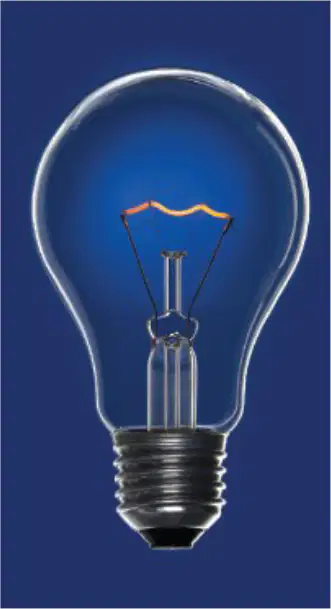
Which of the following is a common type of lighting?
Incandescent
Solar
Neon
Plasma

Which of the following is a common type of lighting?
Halogen
Neon
Plasma
Xenon
Which of the following is a common type of lighting?
Fluorescent
Neon
Plasma
Xenon
What does LED stand for in lighting?
Light-emitting diode
Light energy device
Low energy diode
Light-emitting display
Fill in the blank: Incandescent lighting uses a ________ resistor coil supported in a vacuum tube.
tungsten
copper
aluminum
iron
What happens to the tungsten in incandescent lighting?
It remains cool
It gets white-hot and emits a great deal of visible light
It melts
It emits no light
Fill in the blank: The most common lighting for DC applications on agricultural vehicles is ________ lighting.
incandescent
fluorescent
halogen
LED
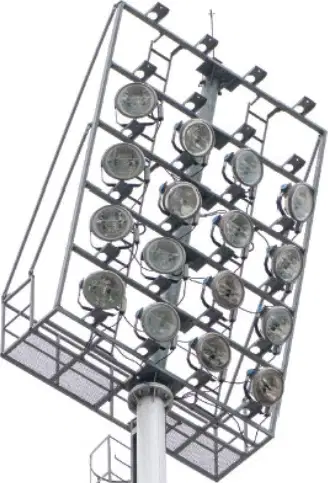
A halogen lightbulb uses a ______ filament encased in a small bulb.
tungsten
copper
aluminum
iron
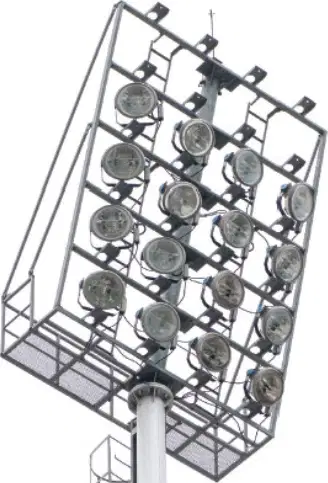
Which type of gas does a halogen lightbulb contain?
Noble gas
Halogen gas
Oxygen
Nitrogen
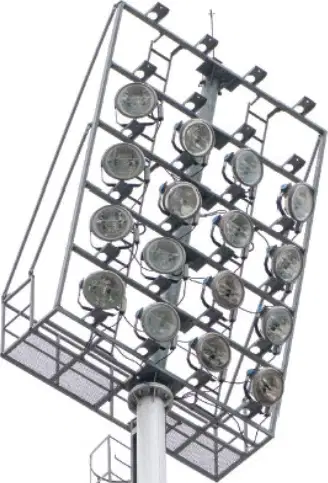
Halogen lightbulbs can withstand higher temperatures to produce more light.
True
False
The quartz bulb in a halogen lightbulb is extremely ______.
hot
fragile
cold
opaque
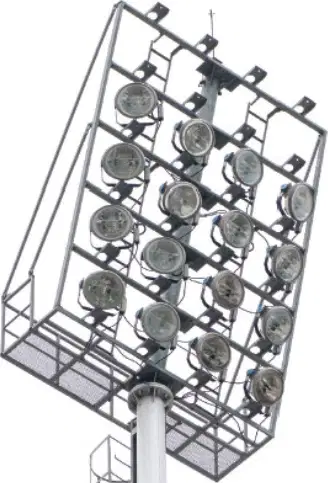
The gas in a halogen lightbulb is under higher pressure than in an incandescent bulb.
True
False
What does the gas in a halogen lightbulb do with the tungsten vapor?
Absorbs it
Combines and redeposits it on the filament
Releases it into the air
Changes its color
The 'recycling' process in a halogen lightbulb enables it to last how much longer?
1 to 2 times longer
2 to 3 times longer
4 to 5 times longer
The same as a regular bulb
How do fluorescent bulbs function?
By heating tungsten filaments
By ionizing mercury vapor in a glass tube
By burning natural gas
By using LED technology
What type of particles does the ionized gas in a fluorescent bulb emit?
Infrared
Ultraviolet (UV)
X-rays
Gamma rays
Fill in the blank: The UV light in a fluorescent bulb causes a ______ coating on the inside of the tube to glow, releasing standard visible light.
phosphor
silicon
tungsten
mercury
Fluorescent bulbs contain a small amount of mercury, which requires responsible disposal of used bulbs.
True
False
What should you do to properly dispose of used fluorescent bulbs?
Contact your waste management service to find a location that accepts fluorescent bulbs.
Throw them in your regular household trash.
Break them and flush the pieces down the toilet.
Burn them in your backyard.
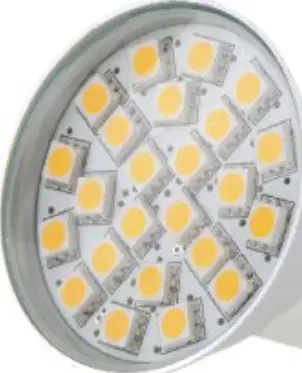
What are light-emitting diode (LED) lamps composed of?
Single or multiple light-emitting diodes
Incandescent filaments
Gas tubes
Mercury vapor
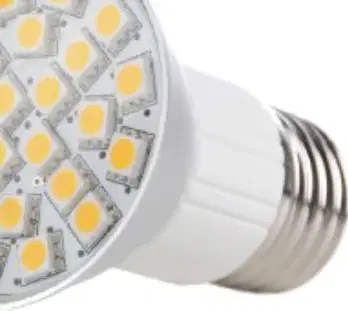
LED lamps last ______ times longer than incandescent bulbs.
six
two
ten
four

Which of the following is NOT a feature of LED lamps?
Use a filament
Consume less power
Last six times longer than incandescent bulbs
Available in a variety of styles
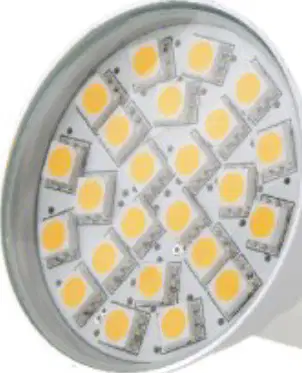
LED lamps consume less power than incandescent bulbs.
True
False
LED lamps are available in a variety of ______.
styles
voltages
colors
brands
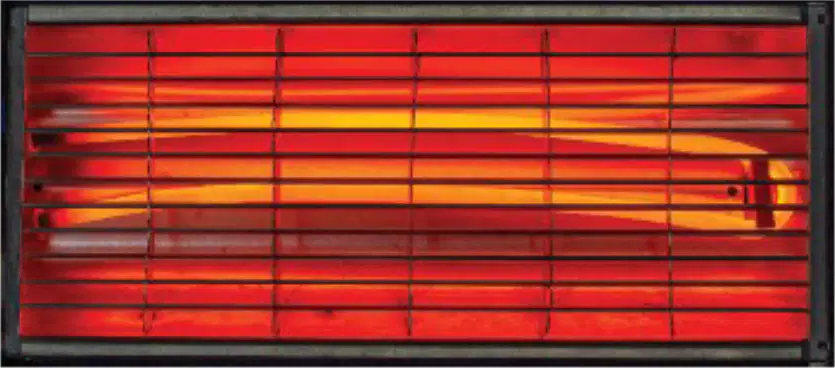
Electric heaters may be used for warming _________.
Products
Metals
Liquids
Gases
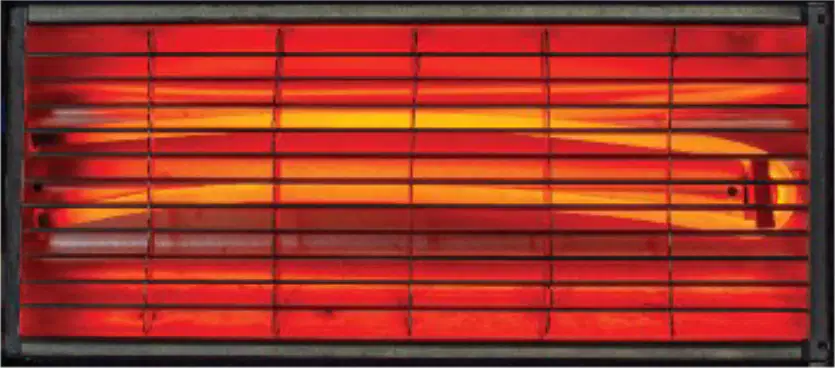
Electric heaters may be used for warming _________.
Poultry
Books
Metals
Plastic

Electric heaters may be used for warming _________.
Livestock
Books
Plastic toys
Stones
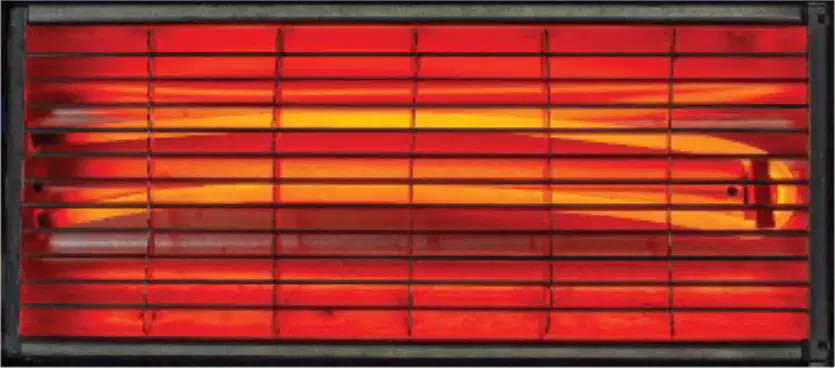
Electric heaters may be used for warming _________.
People
Plastic
Paper
Metal
Electric heaters may be used for warming _________.
Plants
Ice cream
Refrigerators
Swimming pools
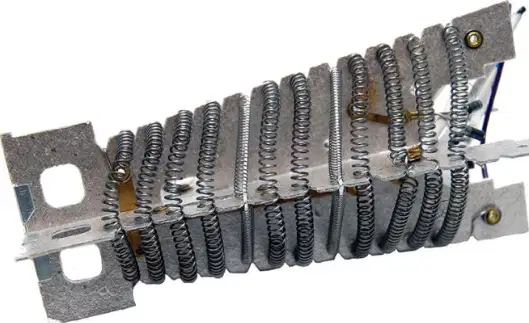
A heat element (coil of wires) is heated by creating ______ in an electrical circuit.
resistance
current
capacitance
inductance
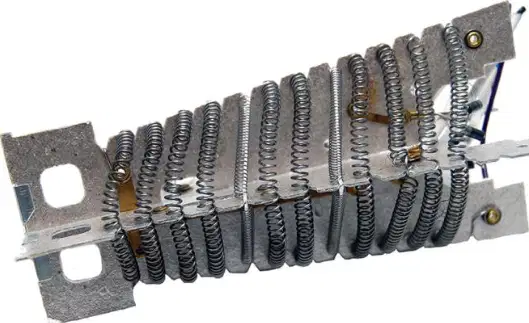
Which type of heat is less efficient?
Electrical heat
Gas heat

Electrical heat is commonly used for heating large spaces.
True
False
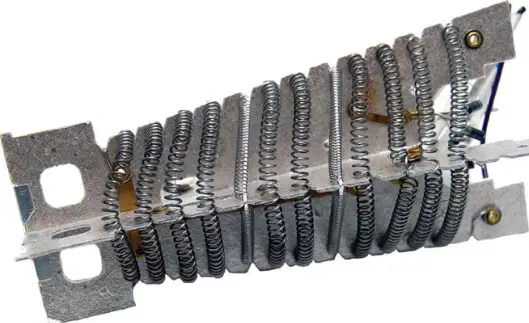
Name two common agricultural uses for coils of wires as heat elements.
Water heaters and heat lamps
Fencing and crop marking
Seed sorting and grain polishing
Pest control and soil testing
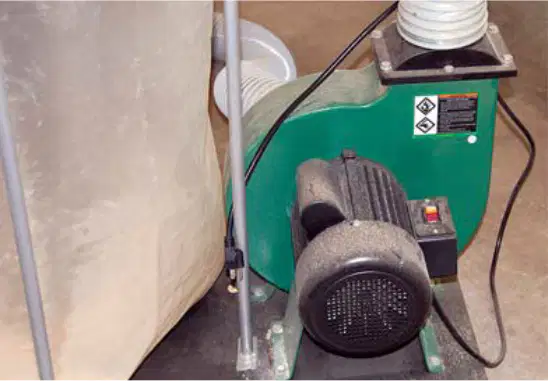
What do electric motors convert?
Mechanical energy to electric motion
Electric energy to mechanical motion
Solar energy to heat
Chemical energy to light
Electric motors may be small enough to drive the hard drive of a computer or large enough to _________
exert tremendous force
fit in your pocket
power a flashlight
be used as a paperweight
In agricultural applications, electric motors are usually seen with a power rating between _________.
1 hp–5 hp
10 hp–20 hp
20 hp–50 hp
50 hp–100 hp
True or False: Electric motors are the same as engines.
True
False

