
NEW
Font size
 Worksheets
1G6 SS EMERGENCE OF PHILIPPINE NATIONALISM
Total questions: 61
Worksheet time: 31mins
What does the term "Liberal" refer to?
A person who is open to new behavior and willing to discard traditional values
A person who has a great love for their own country
A philosophy that advocates for government reform
A person who opposes change and prefers traditional values
What is the definition of "Nationalism"?
A philosophy that advocates for government reform
A great love for one’s own country
A person who is open to new behavior
A system of government with strict rules
What does "Liberalism" advocate for?
Strict adherence to traditional values
Reform in the government for equal protection and rights
A great love for one’s own country
Opposition to any form of change
In what year was the Real Compana de Filipinas opened in Manila?
1785
1814
1834
1850
When were foreigners allowed to do business in the Philippines?
1785
1814
1834
1850
Which ports were opened in 1834 in the Philippines?
Manila, Cebu, Davao
Sual, Iloilo, Zamboanga
Batangas, Cavite, Quezon
Tacloban, Baguio, Vigan
Who was the French diplomat associated with the opening of the Suez Canal?
Ferdinand de Lesseps
Charles de Gaulle
Louis Pasteur
Napoleon Bonaparte
How long did it originally take traders to travel from the Cape of Good Hope to the end of South Africa before the Suez Canal opened?
3 months
1 month
6 months
2 weeks
What two bodies of water does the Suez Canal connect?
Red Sea and Mediterranean Sea
Atlantic Ocean and Indian Ocean
Black Sea and Caspian Sea
Pacific Ocean and Arctic Ocean
After the opening of the Suez Canal, what was the reduced travel time for traders?
1 month
2 months
3 weeks
2 days

Who was Ferdinand de Lesseps?
A French engineer who built the Suez Canal
An Italian artist known for painting
A British scientist who discovered gravity
An American inventor of the light bulb
What two seas does the Suez Canal connect?
The Mediterranean Sea and the Red Sea
The Black Sea and the Caspian Sea
The Baltic Sea and the North Sea
The Arabian Sea and the Bay of Bengal
In what year was the Suez Canal opened?
1869
1859
1879
1889
How did the opening of the Suez Canal affect travel time?
It shortened travel time by one month
It increased travel time by two months
It had no effect on travel time
It doubled the travel time
How did the opening of the Suez Canal lead to the awakened sense of nationalism among Filipinos?
It increased trade and communication with Europe.
It led to the discovery of new lands.
It caused a decline in local industries.
It resulted in the colonization of the Philippines.
What did Filipinos start to do as part of the emergence of liberal ideas?
Travel abroad
Educate themselves
Build new cities
Form new religions
What aspect of foreigners did people begin to observe during the emergence of liberal ideas?
Their wealth
Their behavior, speech, and actions
Their clothing
Their food habits
What slogan inspired the understanding of rebellion in the Philippines according to the text?
Freedom, Justice, Brotherhood
Liberty, Equality, Fraternity
Peace, Unity, Strength
Honor, Courage, Loyalty
What event led to the spread of ideas of rebellion in the Philippines?
The opening of the Philippines to international trading
The end of a war
The discovery of new lands
The invention of the printing press
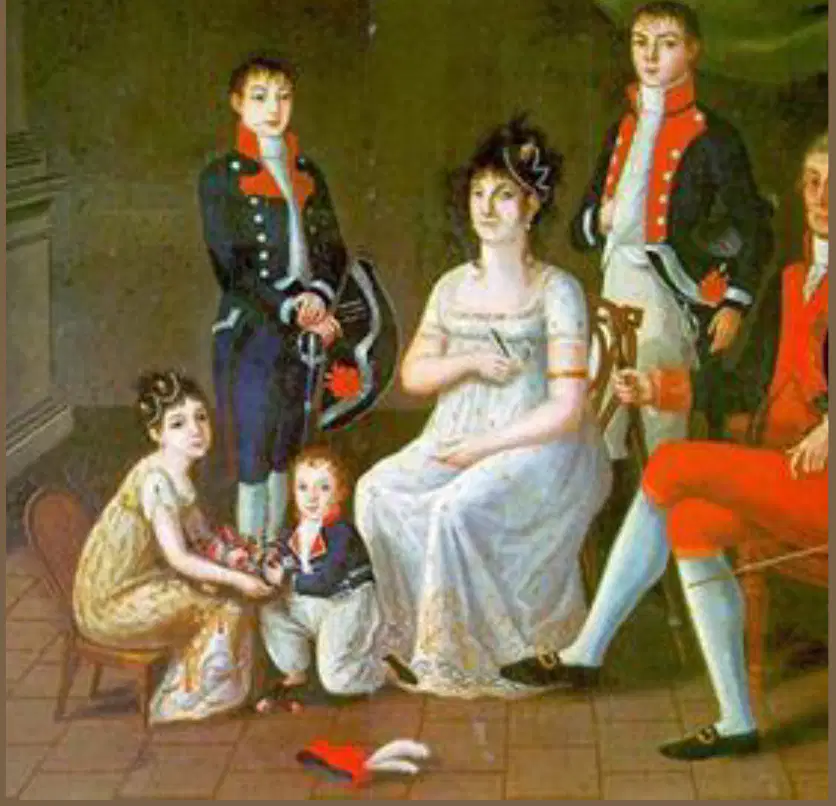
What term is used for Spaniards born in Spain?
Insulares
Peninsulares
Criollos
Mestizos
Who are referred to as Insulares?
Spanish born in Spain
Spanish born in the Philippines
Spanish born in Mexico
Spanish born in South America
What class were the ilustrados/mestizos considered to be part of?
Upper class
Middle class
Lower class
Working class
What opportunity did the ilustrados/mestizos have that distinguished them from the Indio?
They could own land
They could travel abroad to study
They could vote
They could hold government positions
Who were considered the Indio in the context of this document?
Wealthy landowners
Educated scholars
Poor and uneducated common people
Foreign traders

Who were the Ilustrados?
A group of Filipino farmers
A social class of educated Filipinos
A group of Spanish colonizers
A class of Filipino merchants
What did the Ilustrados gain from studying abroad?
Knowledge about enlightenment
Skills in agriculture
Military training
Business strategies
What role did the Ilustrados play in society?
They were primarily traders
They led, shaped, and promoted culture and politics
They focused on religious teachings
They were involved in agriculture

What was one reason Governor-General Carlos Maria de la Torre was loved by the Filipinos?
He showed democracy in his governance.
He was a strict ruler.
He ignored the needs of the people.
He was against Filipino nationalism.
How did Governor-General Carlos Maria de la Torre influence Filipino nationalism?
By suppressing it.
By being a great influence in its emergence.
By ignoring it.
By opposing it.
Why did Governor-General Carlos Maria de la Torre's term not last long?
He was too lenient.
He gained many adversaries due to his open support to the Filipinos.
He was not effective.
He was unpopular among the people.
Which of the following was an achievement of Governor-General Maria de la Torre?
Implementation of new taxes
Abolition of whipping as a punishment
Introduction of new trade laws
Establishment of new colonies
What did Governor-General Maria de la Torre implement regarding freedom?
Freedom of religion
Freedom of speech
Freedom of trade
Freedom of assembly
Governor-General Maria de la Torre was involved in the settlement of a land dispute in which location?
Manila
Cebu
Cavite
Davao
What change did Maria de la Torre make to some secondary schools and colleges in Manila?
Nationalization
Privatization
Secularization
Militarization
What does the term "liberalism" refer to?
The idea of freedom spread by individuals called liberals
A type of government system
A historical event
A religious belief
Who are liberals?
People who believe in equality and push for civil and democratic rights
People who oppose freedom of speech
People who support monarchy
People who focus on economic growth only
What does "Cortes" refer to in the context of the Constitution of Spain in 1812?
A type of Spanish court
Legislative chambers
A Spanish festival
A military rank
According to the Constitution of Spain in 1812, what right did all citizens of Spain around the world have?
The right to vote
The right to free education
The right to be enjoyed
The right to own property
What was one of the promises made in the Constitution of Spain in 1812 regarding taxes and service?
Citizens will pay higher taxes
Citizens will serve in the military
Citizens won’t pay taxes and won’t serve in polo anymore
Citizens will receive tax refunds

What did Jose de Gardoqui Jaravieta clarify about Filipinos during the Spanish rule?
They were not considered citizens of Spain.
They were citizens of Spain but not covered by the law.
They were citizens of Spain and covered by the law.
They were exempt from any roles for the Spanish government.
The P that was used to name the social class of those people who were born in Spain.
Peninsulares
Peasants
Patriots
Pioneers
What was the main objective of the Education Decree of 1863 in the Philippines?
To establish primary education only
To expand education by establishing secondary and tertiary education
To close all public schools
To focus solely on vocational training
What did the Education Decree of 1863 specify regarding public schools?
Opening co-educational schools
Opening separate public schools for men and women
Closing all public schools
Merging all schools into one system
What was the purpose of the free public normal school mentioned in the decree?
To educate men to become doctors
To educate men to become teachers
To educate men to become engineers
To educate men to become lawyers
What role did the public school system introduced by Spain play in the Philippines?
It was a tool for economic development
It was a great instrument of social transformation
It was a method for political control
It was a means of cultural exchange
How did the public school system affect the minds of the Filipinos?
It closed their minds to new ideas
It opened their minds to the significance of education
It made them focus only on traditional values
It discouraged them from pursuing education
What is the main aim of the secularization movement?
To promote religious teachings in schools
To allow secular priests to manage parishes
To increase the number of friars
To build more churches
Who were the parishes originally managed by before the secularization movement?
Secular priests
The government
Friars
Local communities
What did the secularization movement request for secular and religious leaders?
More funding
Equal rights
Separate territories
New laws

Who were the members of GomBurZa?
Father Mariano Gomez, Father Jose Burgos, Father Jacinto Zamora
Father Juan Luna, Father Jose Rizal, Father Andres Bonifacio
Father Emilio Aguinaldo, Father Apolinario Mabini, Father Antonio Luna
Father Diego Silang, Father Gabriela Silang, Father Melchora Aquino
On what date were the GomBurZa executed?
February 17, 1872
March 15, 1873
January 10, 1871
April 25, 1874
What method was used to execute the GomBurZa?
Hanging
Garrote
Firing squad
Lethal injection
Who provided the testimony that led to the execution of GomBurZa?
Francisco Zaldua
Jose Rizal
Emilio Aguinaldo
Andres Bonifacio
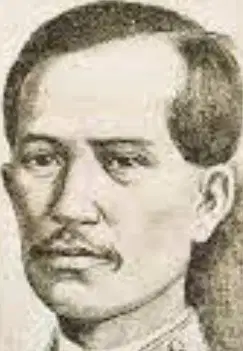
Who led the Cavite Mutiny?
Father Jose Burgos
Father Mariano Gomez
Sergeant Fernando La Madrid
Father Jacinto Zamora
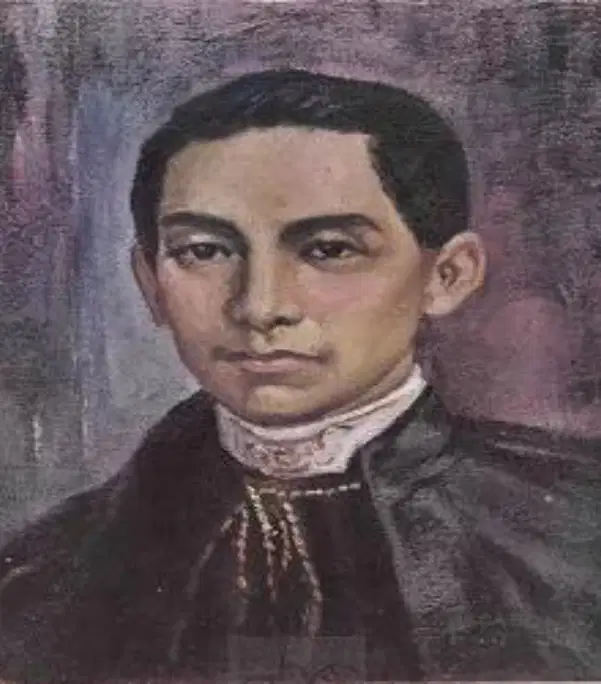
Who was accused as the leader and brain of the revolt along with Father Mariano Gomez and Father Jacinto Zamora?
Sergeant Fernando La Madrid
Father Jose Burgos
Father Mariano Gomez
Father Jacinto Zamora
What significant event took place on January 20, 1872, involving the laborers of the Arsenal of Fort San Felipe in Cavite?
Battle of Manila Bay
Cavite Mutiny
Philippine Revolution
Tondo Conspiracy
What was the cause of the Cavite Mutiny?
Collection of tax from the natives
Imposition of martial law
Introduction of new currency
Ban on local festivals
What is the main difference between Secular Priests and Regular Priests?
Secular Priests are part of religious orders, while Regular Priests are not.
Secular Priests are Filipino and not part of religious orders, while Regular Priests are Spanish and belong to religious congregations.
Secular Priests belong to congregations like Franciscan and Dominican, while Regular Priests do not.
Secular Priests are Spanish and belong to religious congregations, while Regular Priests are Filipino and not part of religious orders.
Which of the following congregations do Regular Priests belong to?
Jesuits
Secular
Filipino
Non-religious
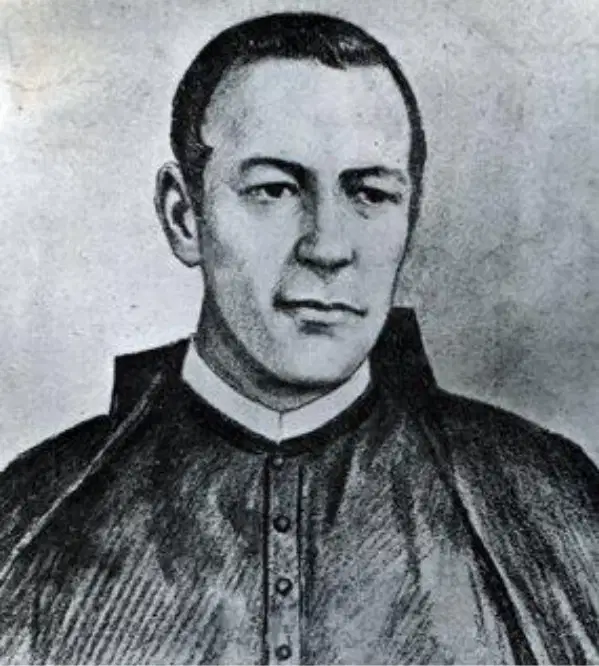
Who was the mestizo priest who led the secularization movement?
Father Jose Burgos
Father Pedro Pelaez
Father Miguel Hidalgo
Father Mariano Gomez
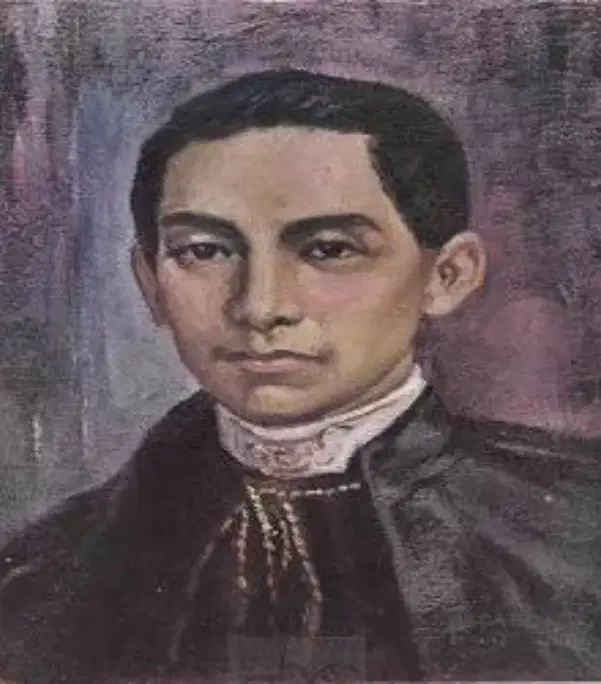
Who continued the fight for the secularization movement after Father Pedro Pelaez?
Father Jose Burgos
Father Pedro Pelaez
Father Miguel Hidalgo
Father Mariano Gomez

