
 Worksheets
9SCI LS ES - LI 4
Total questions: 168
Worksheet time: 2hrs 10mins
Which of these functions are the main function of the endocrine system?
To ensure that we take in oxygen through the lungs
To make hormones that control growth and development
To control balance, movement, and coordination
To protect the body from disease caused by pathogens
Which of these functions are the main function of the endocrine system?
To ensure that we take in oxygen through the lungs
To make hormones that control growth and development
To control balance, movement, and coordination
To protect the body from disease caused by pathogens
Release of chemical messengers are called
glands
muscles
hormones
bones
These chemical messengers are synthesized and secreted by various ______________ glands
nervous
endocrine
chemical
circulatory
Glands are ________________.
muscles
bones
organs
blood vessels
What is the function of the thymus?
Help the immune system by training and developing cells
Danger the inmune system
Links nervous system to endocrine system
Regulates blood sugar
Insulin is produced by
the liver
the pancreas
the kidneys
the gall bladder
Which one here reduces the amount of glucose in the blood?
Glucagon
Insulin
Glycogen
ADH
A hormone is _____________________.
a chemical substance produced by a gland and carried by the lymph.
an enzyme produced by a gland and carried by the blood.
a chemical substance produced by an organ and carried by the blood.
a chemical substance produced by a gland and carried by the blood.
Does the endocrine system help with the overall health of the human body?
True
False
What is the main function of the endocrine system?
It creates chemicals, or hormones, that are sent around the body to maintain homeostasis.
It creates electrical messages that are sent around the body to maintain homeostasis.
It maintains the correct level of oxygen in the body to maintain homeostasis.
It releases waste from the body to maintain homeostasis.


What structure(s) shown in the picture above the kidneys?
Thyroids
Adrenal glands
Testes
Parathyroids
Cells that have receptors for a particular hormone.
gland cells
neurons
hormones
target cells

This structure releases what hormones?
insulin and glucagon
calcitonin and estrogen
Parathyroid hormone and antidiuretic hormone
epinephrine and testosterone
The physiological terms for what is commonly referred to as he 'master gland' is:
adrenal gland.
thyroid gland.
pituitary gland.
hypophysis.
Which gland secretes testosterone?
Adrenal medulla
Anterior pituitary
Pineal
Testicles
Which gland secretes insulin?
Anterior pituitary
Posterior pituitary
Pancreas
Thyroid
Which gland secretes estrogen?
Anterior pituitary
Adrenal medulla
Ovaries
Pineal
What structure(s) shown in the picture above the kidneys?
Thyroids
Adrenal glands
Testes
Parathyroids
Cells that have receptors for a particular hormone.
gland cells
neurons
hormones
target cells
Hormones are special chemicals that circulate in the bloodstream
True
False
Nervous tissue is made up of special cells called _______
Axons
Dendrites
Neurons
Nervous tissue is only found in specialised parts of the human body
True
False
Oestrogen is a hormone involved in controlling the reproductive cycles of mammals.
True
False
The sensory organs contain specialised cells that are part of the nervous system
True
False
Only the nervous system controls the functioning of our body
True
False
Nerve cells send message by electrical signals
True
False
Hormones act much more quickly than nerve signals
True
False
Both hormones and nerve cells respond to a specific stimulus
True
False
Adrenaline is a hormone that allows us to respond more quickly to danger
True
False
The stimulus response pathway is
receptor, sensory neuron, motor neuron, connector neuron, effector
receptor, effector, sensory neuron, connector neuron, motor neuron
receptor, sensory neuron, connector neuron, motor neuron, effector
sensory neuron, receptor, connector neuron, effector, motor neuron
The part of the brain that connects to the spinal chord is called the
cerebellum
medulla
pons
cerebrum
The normal human body temperature is
35 °C
37 °C
34 °C
40 °C
What does insulin do?
regulates metabolism
prepares the body for fight or flight
regulates calcium levels
lowers blood sugar levels
What hormone regulates day-night cycles?
thyroxine
calcitonin
thyroid
melatonin
These are chemical substances secreted by endocrine cells.
lipids
cytoplasm
hormones
sugars


When a person is in danger or gets scared the hormone that increases your heart rate and level of alertness is
adrenaline.
thyroxin.
follicle-stimulating hormone.
thyroid stimulating hormone.
When a male takes performance enhancing drugs, his body thinks he is making lots of testosterone. Which glands will stop producing testosterone and even shrivel up...possibly never producing testosterone again?
pineal
thyroid
testes
adrenal
If you have trouble sleeping which gland may be the problem?
pineal
thyroid
testes
adrenal
If you have growth problems (too big or too small) which gland may be the problem?
ovaries
pituitary
hypothalamus
adrenal
Which gland is the connection between the nervous system and endocrine system?
pineal
pituitary
hypothalamus
adrenal
Which of the following is NOT a major endocrine gland.
pituitary
hypothalymus
sweat gland
ovaries
pancreas
True or false: Changes caused by hormones are temporary.
True
False
How do hormones get to their target cells?
nerve impulses
floating in the blood stream
electric and chemical signals
respiration
How does a hormone identify its target cell?
protein receptors on the cells surface
it is only sent to its target cell
neurons transmit the hormone signal
glands are the target cell
Can a hormone affect any cell?
Yes, they affect all cells
No, the cell has to have a matching receptor
Maybe
Depends on the situation
A (a) is a chemical message sent by a gland in the endocrine system.
Which of the following is the function of the endocrine system?
Control all the other body systems
Exchange carbon dioxide and oxygen
Transport nutrients, hormones and wastes through the body
Help the nervous system maintain homeostasis in the body.
What is adrenalin?
A type of vitamin for energy
A natural chemical in your body that provides a rush feeling
A hormone that helps you relax
A type of medication for anxiety
What is adrenalin?
A type of vitamin for energy
A natural chemical in your body that provides a rush feeling
A hormone that helps you relax
A type of medication for anxiety
What triggers the release of adrenalin?
Both good and bad stress
No stress at all
Bad stress only
Good stress only
What happens in the body during an adrenalin rush?
Liver drops sugar into the blood
Senses are dulled
Blood is diverted from muscles
Breathing slows down
What is the side effect of adrenalin causing a sugar dump?
Decreased cholesterol
Increased blood sugar
Increased cholesterol
Decreased blood sugar
What can happen when the body's adrenalin stores are depleted?
Increased immune system
Feeling exhausted
Feeling energized
Increased hunger
When can people experience adrenalin crashes?
After a relaxing vacation
At the beginning of a big project
After a good night's sleep
During a busy day at school or work
What happens to the immune system after coming down from an extended adrenalin high?
It becomes hyperactive
It remains the same
It is lowered
It is boosted
What does adrenalin make the body forget?
Pain
Fatigue
Hunger
Thirst
What can happen once the adrenalin rush is over?
Increased energy levels
Feeling burnt out
Improved focus and concentration
Increased appetite
What is the recommended action after an adrenalin rush?
Ignore the body's signals
Keep pushing yourself
Relax and refuel
Seek more stressful situations
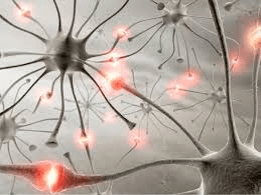
The organ responsible for producing insulin is...
Liver
Heart
Pancreas
Gallbladder
This is the name of the simple sugar that is found in your blood?
water
glucose
sodium
sugar
Detects change and sends a message to the control center
receptor
control center
effector
regulation
Homeostasis is the way the body
maintains a stable internal environment
controls blood sugar
controls the brain
controls the endocrine system
The body system that controls the functioning of the glands
endocrine
nervous
blood stream
digestive
Negative feedback is when changes occurring,
return the body to the original condition
return the body to a different condition
make the body feel bad
make the body move
Things in the human body that need to stay the same
Glucose
Temperature
Blood Pressure
All of the above
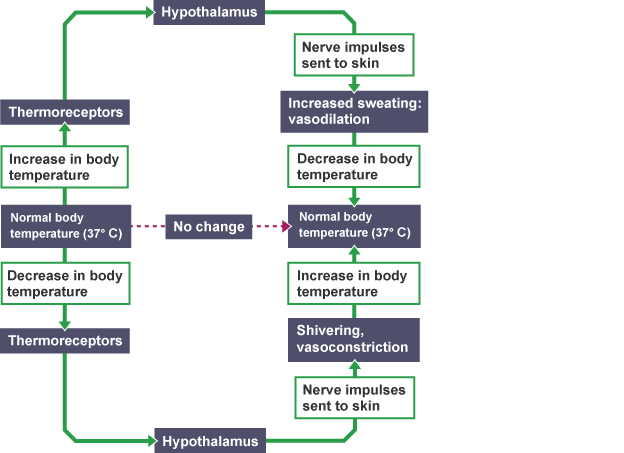
Vasoconstriction means the blood vessels
Become narrower
Become wider
Changes color
Are distroyed
When sweat is produced by the sweat glands
The sweat will prevent the heat from escaping the body
The sweat evaporates carrying heat away from the body
The sweat evaporates to create more heat for the body
The sweat makes the skin fresh and good
The organ responsible for producing insulin is...
Liver
Heart
Pancreas
Gallbladder
This is the name of the simple sugar that is found in your blood?
water
glucose
sodium
sugar
Detects change and sends a message to the control center
receptor
control center
effector
regulation
The body system that controls the functioning of the glands
endocrine
nervous
blood stream
digestive

What hormone is produced in the pancreas that lowers blood sugar?
Insulin
Glucagon
Ketones
Glucose

The hormone that makes the liver store sugars is
glucose
glycogen
glucagon
insulin

The liver normally stores blood sugar as
glucose
glycogen
glucagon
fats

High blood sugar levels after a meal usually stimulate
Glucagon release from the liver
Glucagon release from the pancreas
Insulin release from the liver
Insulin release from the pancreas

After a period of fasting the brain makes the pancreas produce
glucose
glycogen
glucagon
insulin

Glycogen is a
hormone
short term protein
sugar stored in the liver
sugar stored in the liver and muscles

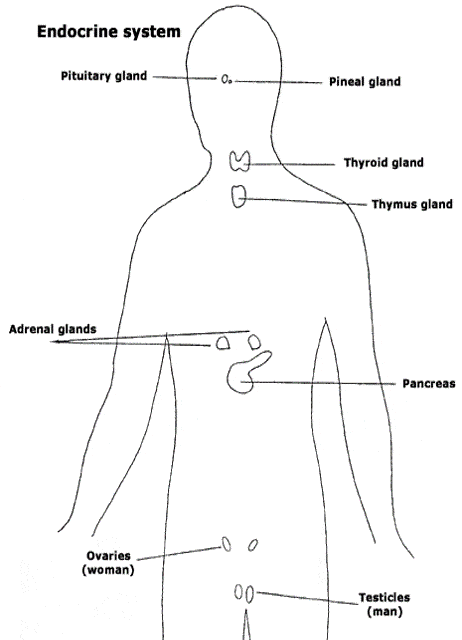
Which organ produces insulin?
(a)
Which organ produces insulin?
(a)
Insulin causes which organ to remove glucose from the blood?
liver
pancreas
brain
kidneys
What happens to the amount of insulin released if the blood glucose levels get low?
lots more is produced
nothing - low blood glucose has no effect on insulin levels
less / no insulin is produced

According to the feedback loop, what does high blood sugar promote?
Insulin Release
Glucagon Release
Insulin Uptake
Glycogen Uptake

What is the difference between what will happen if their is too much Glucose or too little Glucose? SELECT ALL THAT APPLY
With too much Glucose, Insulin is released. With too little Glucose, Glucagon is released.
With too much Glucose, the pancreas produces insulin. With too little Glucose, the pancreas produces glucagon.
With too much Glucose, Glucagon is released. With too little Glucose, Insulin is released.
There is no difference.
When your glucose levels are too high, what is the appropriate response?
urinate
release glucagon
eat sugar
release insulin
Which of the following correctly pairs the hormone and the response that it causes
Glucagon - makes body cells take in glucose
Insulin - makes body cells take in glucose
Pancreas - makes liver release stored glucagon
Liver - makes pancreas take in stored insulin
Glucagon causes muscles and the liver to release _____ back into the bloodstream
glucose
glucagon
glycogen
insulin
Which hormone is released when blood sugar gets too low?
glucose
glucagon
glycogen
insulin

Which hormone is released when blood sugar gets too high?
glucose
glucagon
glycogen
insulin

which organ will balance the glucose level in the blood by releasing hormones like insulin or glucagon?
Stomach
Small intensine
large intestine
Pancreas
What is the point of a feedback loop?
To provide the body with more energy
To provide the body with more food
To make sure the conditions in the body are always changing
To make sure the conditions in the body remain stable

What are reflexes?
Actions performed in response to a stimulus with conscious thought
Actions performed in response to a stimulus without conscious thought
Actions performed in response to a stimulus with deliberate actions
Actions performed in response to a stimulus with decision making
How do reflexes help us?
By minimizing potential damage to the body
By involving the brain in the reflex actions
By reducing the chances of being injured or killed
By following a sequence that involves the brain
How are reflexes and the Central Nervous System related?
They are not related
Reflexes are controlled by the Central Nervous System
Reflexes are independent of the Central Nervous System
Reflexes are only related to the brain
What is a reflex arc?
A sequence of actions performed in response to a stimulus
A pathway followed by a reflex action
A type of reflex that involves the brain
A reflex that occurs in the spinal cord
How do reflexes prevent your eyes from being damaged?
By involving the brain in the reflex actions
By triggering muscles to contract and move away from the danger
By following a sequence that involves the conscious part of the brain
By sending information to the brain for processing
What is the purpose of reflex actions?
To involve the brain in the response to a stimulus
To perform deliberate actions in response to a stimulus
To automatically and quickly respond to stimuli without conscious thought
To follow a sequence that involves the conscious part of the brain
During a soccer game, Anika accidentally kicks the ball towards Noah's face. What is the advantage of Noah's reflex action to protect his face?
They are faster than deliberate actions
They involve the brain in decision making
They prevent chronic stress or panic attacks
They are necessary for survival
What is the general sequence followed by a reflex action?
Stimulus, Receptor, Effector, Response
Sensory Neuron, Motor Neuron, Interneuron
Spinal cord, Brain, Sensory Neuron, Motor Neuron
Decision Making, Interneuron, Effector, Response
During a game of catch, when does decision making occur in the reflex arc for Liam to catch the ball?
During the sensory neuron stage
During the motor neuron stage
During the interneuron stage
During the brain stage
What is the role of the brain in a reflex arc?
To bypass information and occur mostly in the spinal cord
To receive information and be involved in the reflex
To prevent injury and minimize potential damage to the body
To trigger muscles to contract and move away from the danger

What type of neuron is A?
Sensory
Inter
Motor
What type of neuron is C?
Sensory
Inter
Motor

Name an effector in this diagram.
A
B
D
E
F

Select two examples of effectors.
Neuron
Gland
Muscle
Receptor
Which statement best describes a reflex?
Slow response that you have to think about
Rapid response to protect body from harm

_____ neurons carry messages away from the central nervous system and out to muscles or glands. The RED neuron in diagram.
sensory
motor
inter
central
Which type of neuron causes a muscle to contract in a reflex arc?
Motor Neuron
Sensory Neuron
Interneuron
Effector

Where would the nerve impulse start in this reflex arc?
A
C
D
E
What type of neuron is A?
Sensory
Inter
Motor
Which is the correct order of neurons in a reflex arc?
Sensory neuron, motor neuron, relay neuron
Relay neuron, sensory neuron, motor neuron
Sensory neuron, relay neuron, motor neuron
What is the final component of a reflex arc?
Effector
Receptor
Afferent Pathway

Which number represents the stimulus?
1
2
3
4
Which number represents the effector?
4
5
6
7
Which number represents the sensory neuron?
3
4
5
7
Which numbers represents the neurons in a reflex arc?
3
4
5
7
In a reflex arc, the sensory neuron leads to the ___________ and the motor neuron leads to the __________
Spinal cord, CNS
CNS, muscle
Spinal cord, muscle
Muscle, CNS
Reflex actions are important because
They provide a quick, involuntary response
They prevent injury
They are essential to the survival of organisms
All of the above

