
 Worksheets
Communication
Total questions: 20
Worksheet time: 10mins
Which of the following is a type of nonverbal communication?
Body language
Telephone call
Text message
What factors can interfere with effective communication?
Noise, language barriers, cultural differences
Clarity, brevity, relevance
Timing, location, context
Feedback, response, understanding
How can eye contact have different meanings based on cultural background?
It is universally interpreted the same way
It can signify respect or disrespect
It always indicates honesty
It is irrelevant in communication
What techniques encourage a patient to continue speaking?
Interrupting frequently
Using open-ended questions
Giving unsolicited advice
Changing the subject
What are ways to evaluate if communication has been effective?
By assuming understanding
By checking for feedback and understanding
By repeating the message multiple times
By using complex language
Which of the following is considered nonverbal communication?
Oral communication
Written communication
Body language

Which generation is associated with the use of TikTok, Twitter, and YouTube?
Baby Boomers
Generation X
Generation Y
Generation Z
Which of the following is NOT a measure of effective listening?
Observing the speaker closely
Avoiding interrupting the speaker
Focusing on your own thoughts
Identifying what the speaker is feeling
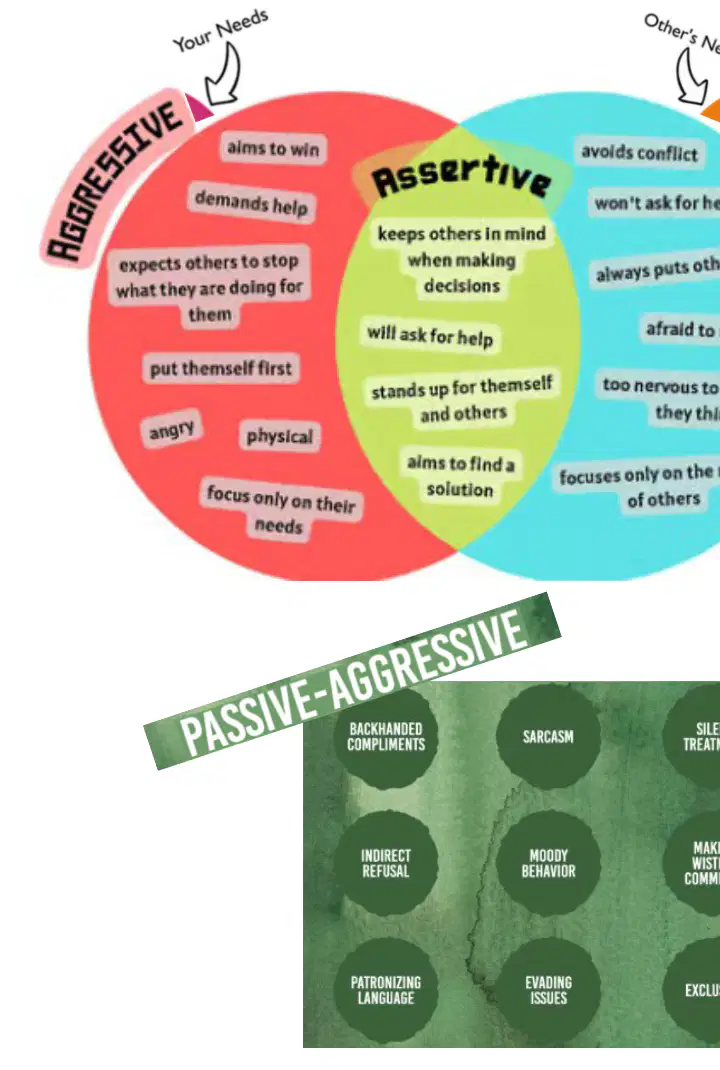
Which communication style focuses only on their own needs and often involves physical or angry behavior?
Assertive
Passive
Aggressive
Passive-Aggressive
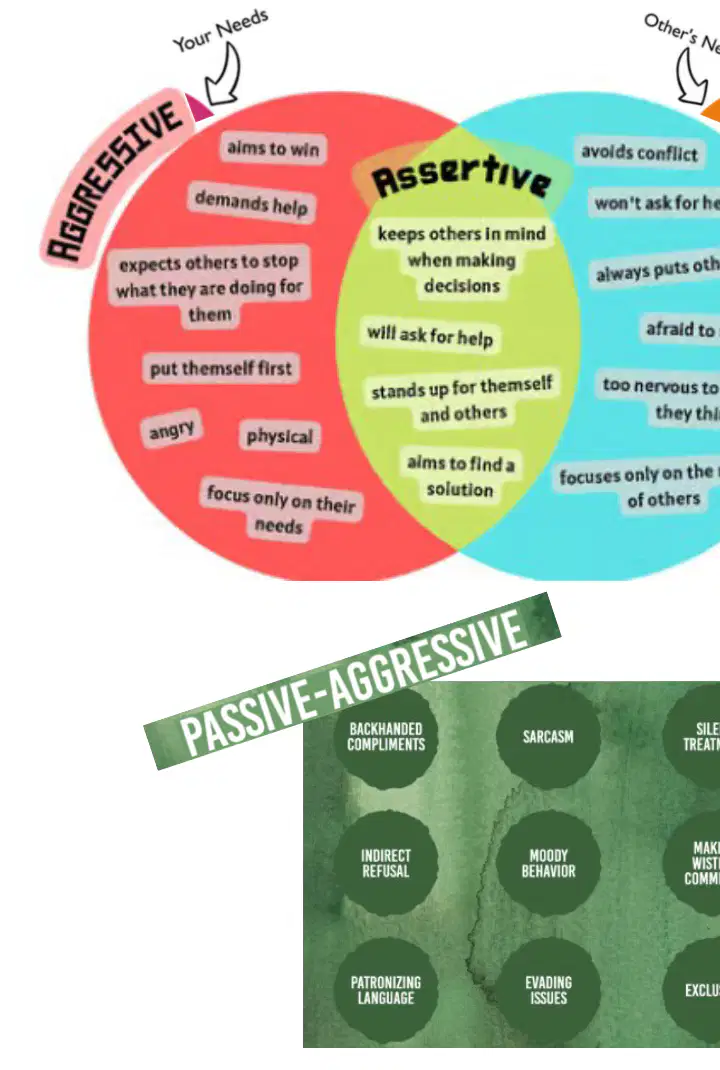
What is a key characteristic of assertive communication?
Avoids conflict
Aims to win
Keeps others in mind when making decisions
Uses sarcasm
Which nonverbal measure is often used to show interest but may be avoided in some cultures when interacting with elders?
Body language
Eye contact
Touch
Verbal notice
What does body language often reveal more accurately than?
Cultural norms
Touch
Words
Eye contact
Which interviewing technique involves turning a question or statement around to give the patient the opportunity to continue?
Paraphrasing
Reflecting
Summarizing
Assertive Communication
What is a recommended communication strategy for someone with an impaired level of understanding?
Use complex sentences and technical jargon
Speak loudly to ensure they hear you
Use short sentences and simple words
Avoid eye contact to reduce pressure
What should you do if a patient with impaired understanding cannot give informed consent?
Proceed without consent
Obtain consent from a legal guardian or representative
Ignore the need for consent
Ask a friend of the patient for consent
What is one recommended method for assisting sight-impaired individuals in understanding their surroundings?
Use hand signals
Be verbally descriptive
Write instructions
Use bright colors
What is a recommended way to get the attention of a hearing-impaired patient before speaking?
Shout loudly
Use a gentle touch
Ignore them
Speak very fast
How can empathy improve the relationship between a medical assistant and a patient?
By reducing the need for medical treatment
By enhancing understanding and trust
By increasing the cost of healthcare
By eliminating the need for appointments
What is one way to establish caring relationships with patients?
Ignoring patient feedback
Maintaining professional boundaries
Sharing personal stories
Offering financial advice
Why is it important to demonstrate respect for cultural and ethnic diversity in healthcare?
To increase hospital profits
To ensure effective communication and care
To reduce the number of patients
To simplify medical procedures

