
 Worksheets
PRCC_3MT-P4
Total questions: 110
Worksheet time: 55mins
Name
Class
Date
1.
Largest concentration in the myocardium; usually seen in the left ventricle.
a)
Brain Natriuretic Peptide
b)
N-terminal (NT) pro hormone BNP (NT-proBNP)
c)
Fibronectin
d)
Fetal Fibronectin
2.
Popular marker for congestive heart failure.
a)
Brain Natriuretic Peptide
b)
N-terminal (NT) pro hormone BNP (NT-proBNP)
c)
Fibronectin
d)
Fetal Fibronectin
3.
Natriuresis and diuresis
a)
Brain Natriuretic Peptide
b)
N-terminal (NT) pro hormone BNP (NT-proBNP)
c)
Fibronectin
d)
Fetal Fibronectin
4.
Biologically active hormone
a)
Brain Natriuretic Peptide
b)
N-terminal (NT) pro hormone BNP (NT-proBNP)
c)
Fibronectin
d)
Fetal Fibronectin
5.
Excellent marker for early heart failure.
a)
Brain Natriuretic Peptide
b)
N-terminal (NT) pro hormone BNP (NT-proBNP)
c)
Fibronectin
d)
Fetal Fibronectin
6.
B-type natriuretic peptide is a biologically ___ hormone
a)
active
b)
inactive
7.
N-terminal (NT) - prohormone is a biologically ___ prohormone released from the same precursor of BNP
a)
active
b)
inactive
8.
B-type natriuretic peptide is an excellent market for ___ detection or diagnosis of heart failure.
a)
early
b)
late
9.
It is biologically inactive prohormone released from the same precursor of BNP
a)
Brain Natriuretic Peptide
b)
N-terminal (NT) pro hormone BNP (NT-proBNP)
c)
Fibronectin
d)
Fetal Fibronectin
10.
It is responsible for monitoring heart failure.
a)
Brain Natriuretic Peptide
b)
N-terminal (NT) pro hormone BNP (NT-proBNP)
c)
Fibronectin
d)
Fetal Fibronectin
11.
Detection of decreased angiotensin and norepinephrine synthesis are purpose of which of the following proteins?
a)
Brain Natriuretic Peptide
b)
N-terminal (NT) pro hormone BNP (NT-proBNP)
c)
Fibronectin
d)
Fetal Fibronectin
12.
Brain Natriuretic Peptide is a popular marker of...
a)
Iron deficiency anemia
b)
Hemochromatosis
c)
Billiary obstruction
d)
Congestive heart failure
13.
Brain Natriuretic peptide is the __ concentration in the myocardium.
a)
Largest
b)
Smallest
14.
a. associated with cell adhesion, tissue differentiation, growth, and wound healing.
a)
Brain Natriuretic Peptide
b)
N-terminal (NT) pro hormone BNP (NT-proBNP)
c)
Fibronectin
d)
Fetal Fibronectin
15.
a. associated with cell adhesion, tissue differentiation, growth, and wound healing.
b. Plasma fibronectin is considered as a nutritional marker
a)
Brain Natriuretic Peptide
b)
N-terminal (NT) pro hormone BNP (NT-proBNP)
c)
Fibronectin
d)
Fetal Fibronectin
16.
Plasma fibronectin is considered as a nutritional marker
a)
Brain Natriuretic Peptide
b)
N-terminal (NT) pro hormone BNP (NT-proBNP)
c)
Fibronectin
d)
Fetal Fibronectin
17.
An example of a nutritional marker.
a)
Fibronectin
b)
Fetal fibronectin
c)
Plasma fibronectin
18.
Its production is from the boundary of the amniotic sac and decidua
a)
Brain Natriuretic Peptide
b)
N-terminal (NT) pro hormone BNP (NT-proBNP)
c)
Fibronectin
d)
Fetal Fibronectin
19.
Detected in the early pregnancy
a)
Brain Natriuretic Peptide
b)
N-terminal (NT) pro hormone BNP (NT-proBNP)
c)
Fibronectin
d)
Fetal Fibronectin
20.
Becomes undetectable after 24 weeks
a)
Brain Natriuretic Peptide
b)
N-terminal (NT) pro hormone BNP (NT-proBNP)
c)
Fibronectin
d)
Fetal Fibronectin
21.
Associated with premature delivery
a)
Brain Natriuretic Peptide
b)
N-terminal (NT) pro hormone BNP (NT-proBNP)
c)
Fibronectin
d)
Fetal Fibronectin
22.
Non-invasive; sample is cervico-vaginal secretions
a)
Brain Natriuretic Peptide
b)
N-terminal (NT) pro hormone BNP (NT-proBNP)
c)
Fibronectin
d)
Fetal Fibronectin
23.
It is produced from the boundary of the amniotic sac and decidua. Typically detected in early pregnancy but after 24 weeks, it becomes undetectable. This is also a marker of premature delivery and a non-invasive test; sample is cervico-vaginal secretions
a)
Brain Natriuretic Peptide
b)
N-terminal (NT) pro hormone BNP (NT-proBNP)
c)
Fibronectin
d)
Fetal Fibronectin
24.
Fetal fibronectin becomes undetectable after
a)
20 weeks
b)
23 weeks
c)
24 weeks
d)
30 weeks
25.
Early pregnancy - Fetal fibronectin
a)
Detectable
b)
Undetectable
26.
After 24 weeks... - Fetal fibronectin
a)
Detectable
b)
Undetectable
27.
It is produced in adipocytes.
a)
Adiponectin
b)
B-trace protein
c)
Cross-linked C-telopeptides (CTXs)
d)
Amyloid
28.
This protein is inversely related to BMI
a)
Adiponectin
b)
B-trace protein
c)
Cross-linked C-telopeptides (CTXs)
d)
Amyloid
29.
This protein is produced in adipocytes. It is inversely related to BMI and results that shows lower levels of this protein indicates a risk for heart disease, type 2 diabetes mellitus, metabolic syndrome, and obesity.
a)
Adiponectin
b)
B-trace protein
c)
Cross-linked C-telopeptides (CTXs)
d)
Amyloid
30.
Lower levels of this protein indicates a risk for heart disease, type 2 diabetes mellitus, metabolic syndrome, and obesity.
a)
Adiponectin
b)
B-trace protein
c)
Cross-linked C-telopeptides (CTXs)
d)
Amyloid
31.
Helps in distributing fats to skin and not visceral organs
a)
Adiponectin
b)
B-trace protein
c)
Cross-linked C-telopeptides (CTXs)
d)
Amyloid
32.
A marker of CSF leakage in cases of otorrhea and rhinorrhea
a)
Adiponectin
b)
B-trace protein
c)
Cross-linked C-telopeptides (CTXs)
d)
Amyloid
33.
What is the marker of CSF leakage in cases of otorrhea and rhinorrhea? Also, this protein is considered as a promising marker in diagnosing peri-lymphatic fluid fistulas.
a)
Adiponectin
b)
B-trace protein
c)
Cross-linked C-telopeptides (CTXs)
d)
Amyloid
34.
A biochemical marker of bone resorption.
a)
Adiponectin
b)
B-trace protein
c)
Cross-linked C-telopeptides (CTXs)
d)
Amyloid
35.
This protein increases at menopause.
a)
Adiponectin
b)
B-trace protein
c)
Cross-linked C-telopeptides (CTXs)
d)
Amyloid
36.
It is a biochemical marker of bone resorption which also increases at menopause.
a)
Adiponectin
b)
B-trace protein
c)
Cross-linked C-telopeptides (CTXs)
d)
Amyloid
37.
Insoluble fibrous protein
a)
Adiponectin
b)
B-trace protein
c)
Cross-linked C-telopeptides (CTXs)
d)
Amyloid
38.
Alteration in secondary structure
a)
Adiponectin
b)
B-trace protein
c)
Cross-linked C-telopeptides (CTXs)
d)
Amyloid
39.
It is an insoluble fibrous protein. Alteration in secondary structure would lead to a condition called something na may doisis sa dulo :(((((
a)
Adiponectin
b)
B-trace protein
c)
Cross-linked C-telopeptides (CTXs)
d)
Amyloid
40.
It is considered as the chief metabolic organ in the body.
a)
Kidneys
b)
Liver
c)
Lungs
d)
Heart
41.
Its purpose is to abolish the liver tissue function, more than 80% of the liver must be destroyed.
a)
Kidneys
b)
Liver
c)
Lungs
d)
Heart
42.
TP, Alb, PT
a)
Synthetic function
b)
Conjugation
c)
Detoxification
d)
Excretory and secretory
e)
Storage
43.
Bilirubin
a)
Synthetic function
b)
Conjugation
c)
Detoxification
d)
Excretory and secretory
e)
Storage
44.
Removing ammonia
a)
Synthetic function
b)
Conjugation
c)
Detoxification
d)
Excretory and secretory
e)
Storage
45.
Releasing bilirubin
a)
Synthetic function
b)
Conjugation
c)
Detoxification
d)
Excretory and secretory
e)
Storage
46.
"a"
a)
Synthetic function
b)
Conjugation
c)
Detoxification
d)
Excretory and secretory
e)
Storage
47.
Liver function tests are usually based on which principle?
a)
Colorimetry
b)
Fluorometry
c)
Photometry
d)
Turbidimetry
48.
Reflectometry, turbidimetry, nephelometry, etc.
a)
Carbon, Hydrogen, Oxygen, Nitrogen
b)
Amino acids
c)
Peptide bonds
d)
Protein
49.
Biuret
a)
Carbon, Hydrogen, Oxygen, Nitrogen
b)
Amino acids
c)
Peptide bonds
d)
Protein
50.
Lowry
a)
Carbon, Hydrogen, Oxygen, Nitrogen
b)
Amino acids
c)
Peptide bonds
d)
Protein
51.
UV consumption
a)
Carbon, Hydrogen, Oxygen, Nitrogen
b)
Amino acids
c)
Peptide bonds
d)
Protein
52.
Kjeldahl
a)
Carbon, Hydrogen, Oxygen, NITROGEN
b)
Amino acids
c)
Peptide bonds
d)
Protein
53.
Chemiluminiscence
a)
Carbon, Hydrogen, Oxygen, NITROGEN
b)
Amino acids
c)
Peptide bonds
d)
Protein
54.
Kjeldahl
a)
Chemiluminiscence
b)
UV absorption
c)
Biuret
d)
METRY
55.
Lowry
a)
Chemiluminiscence
b)
UV absorption
c)
Biuret
d)
METRY
56.
Peptide bonds
a)
Chemiluminiscence
b)
UV absorption
c)
Biuret
d)
METRY
57.
Proteins
a)
Chemiluminiscence
b)
UV absorption
c)
Biuret
d)
METRY
58.
Proteins
a)
Kjeldahl; chemiluminiscence
b)
Lowry; UV absorption
c)
Biuret
d)
Nephlometry, turbidimetry, reflectometry
59.
Peptide bonds
a)
Kjeldahl; chemiluminiscence
b)
Lowry; UV absorption
c)
Biuret
d)
Nephlometry, turbidimetry, reflectometry
60.
Amino acids
a)
Kjeldahl; chemiluminiscence
b)
Lowry; UV absorption
c)
Biuret
d)
Nephlometry, turbidimetry, reflectometry
61.
CHON (NITROGEN)
a)
Kjeldahl; chemiluminiscence
b)
Lowry; UV absorption
c)
Biuret
d)
Nephlometry, turbidimetry, reflectometry
62.
It is the Standard Reference method
a)
Kjeldahl Method
b)
Chemiluminescence
c)
Biuret Method
d)
Folin-Ciocalteu Method
63.
It is the Standard Reference method. Used for the measurement of nitrogen content. Also, 1 gram of this analyte is equal to 6.54 grams of protein.
a)
Kjeldahl Method
b)
Chemiluminescence
c)
Biuret Method
d)
Folin-Ciocalteu Method
64.
Used for the measurement of nitrogen content
a)
Kjeldahl Method
b)
Chemiluminescence
c)
Biuret Method
d)
Folin-Ciocalteu Method
65.
1 gram of this analyte is equal to 6.54 grams of protein.
a)
Kjeldahl Method
b)
Chemiluminescence
c)
Biuret Method
d)
Folin-Ciocalteu Method
66.
O2 + Sample - heat 1,100+=20 degree C --> Nitric Oxide+ ozone (O3) >> NO2--- ground state >> Emission = concentration
a)
Kjeldahl Method
b)
Chemiluminescence
c)
Biuret Method
d)
Folin-Ciocalteu Method
67.
O2 + Sample - heat 1,100+=20 degree C --> Nitric Oxide+ ozone (O3) >> NO2--- ground state >> Emission = concentration
a)
Kjeldahl Method
b)
Chemiluminescence
c)
Biuret Method
d)
Folin-Ciocalteu Method
68.
It is the most widely used method.
a)
Kjeldahl Method
b)
Chemiluminescence
c)
Biuret Method
d)
Folin-Ciocalteu Method
69.
It measures based on 2 peptide bonds.
a)
Kjeldahl Method
b)
Chemiluminescence
c)
Biuret Method
d)
Folin-Ciocalteu Method
70.
Cupric ions + Di peptide + Na+ K+ Tartrate (Rochelle salt) + potassium iodide + NaOH = violet color at 540 nm > protein concentration
a)
Kjeldahl Method
b)
Chemiluminescence
c)
Biuret Method
d)
Folin-Ciocalteu Method
71.
It is the most widely used method. It measures based on 2 peptide bonds. VIA
Cupric ions + Di peptide + Na+ K+ Tartrate (Rochelle salt) + potassium iodide + NaOH = violet color at 540 nm > protein concentration
a)
Kjeldahl Method
b)
Chemiluminescence
c)
Biuret Method
d)
Folin-Ciocalteu Method
72.
It has the highest analytical sensitivity
a)
Kjeldahl Method
b)
Chemiluminescence
c)
Biuret Method
d)
Folin-Ciocalteu Method
73.
This method is based on tyrosine, tryptophan, and histidine
a)
Kjeldahl Method
b)
Chemiluminescence
c)
Biuret Method
d)
Folin-Ciocalteu Method
74.
This method is based on tyrosine, tryptophan, and histidine. Also, it has the highest analytical sensitivity.
a)
Kjeldahl Method
b)
Chemiluminescence
c)
Biuret Method
d)
Folin-Ciocalteu Method
75.
Biuret nm
a)
500 nm
b)
540 nm
c)
280 nm
76.
UV absorption nm
a)
500 nm
b)
540 nm
c)
280 nm
77.
Tryptophan, tyrosine, and phenylalanine absorbs at ___ nm.
a)
500 nm
b)
540 nm
c)
280 nm
78.
Tryptophan, tyrosine, and phenylalanine absorbs at 280 nm.
a)
Ultraviolet absorption
b)
Electrophoresis
79.
For monoclonal spikes
a)
Ultraviolet absorption
b)
Electrophoresis
80.
Pulmonary emphysema would show which of the following abnormal serum electrophoretic pattern?
a)
Alpha 1 globulin flat curve
b)
Alpha 2 globulin band spike
c)
Small spikes in Beta region
d)
Beta-gamma bridging
e)
Gamma spike
81.
Nephrotic syndrome would show which of the following abnormal serum electrophoretic pattern?
a)
Alpha 1 globulin flat curve
b)
Alpha 2 globulin band spike
c)
Small spikes in Beta region
d)
Beta-gamma bridging
e)
Gamma spike
82.
Iron Deficiency anemia would show which of the following abnormal serum electrophoretic pattern?
a)
Alpha 1 globulin flat curve
b)
Alpha 2 globulin band spike
c)
Small spikes in Beta region
d)
Beta-gamma bridging
e)
Gamma spike
83.
Portal cirrhosis would show which of the following abnormal serum electrophoretic pattern?
a)
Alpha 1 globulin flat curve
b)
Alpha 2 globulin band spike
c)
Small spikes in Beta region
d)
Beta-gamma bridging
e)
Gamma spike
84.
Multiple myeloma would show which of the following abnormal serum electrophoretic pattern?
a)
Alpha 1 globulin flat curve
b)
Alpha 2 globulin band spike
c)
Small spikes in Beta region
d)
Beta-gamma bridging
e)
Gamma spike
85.
Inflammation would show which of the following abnormal serum electrophoretic pattern?
a)
Alpha 1 globulin flat curve
b)
Spikes of alpha 1, alpha 2, and Beta region
c)
Small spikes in Beta region
d)
Beta-gamma bridging
e)
Gamma spike
86.
Computed
a)
Serum + sodium sulfate
b)
Globulin
c)
Albumin
87.
Measured
a)
Serum + sodium sulfate
b)
Globulin
c)
Albumin
88.
Supernatant
a)
Serum + sodium sulfate
b)
Globulin
c)
Albumin
89.
Precipitate
a)
Serum + sodium sulfate
b)
Globulin
c)
Albumin
90.
Albumin
a)
Supernatant
b)
Precipitate
91.
Globulin
a)
Supernatant
b)
Precipitate
92.
Use of salicyclic and or Trichloroacetic acid
a)
Turbidimetric and nephelometric
b)
Refractometry
c)
Prothrombin time
93.
Measurement of refractive index due to solutes in serum
a)
Turbidimetric and nephelometric
b)
Refractometry
c)
PRothrombin time
94.
Intrahepatic vs extrahepatic
a)
Turbidimetric and nephelometric
b)
Refractometry
c)
PRothrombin time
95.
Indicates loss of synthetic ability of the liver
a)
Long PT
b)
Short PT
96.
Can no longer create vitamin K coagulation factors (II, V, VII, IX, X)
a)
Extrahepatic
b)
Intrahepatic
97.
PT is prolonged
a)
Extrahepatic
b)
Intrahepatic
98.
Pre-hepatic, post hepatic
a)
Extrahepatic
b)
Intrahepatic
99.
Can still create vitamin K coagulation factors (II, V, VII, IX, X)
a)
Extrahepatic
b)
Intrahepatic
100.
PT is normal
a)
Extrahepatic
b)
Intrahepatic
101.
Intrahepatic
a)
Normal PT
b)
Prolonged PT
c)
Shortened PT
102.
Extrahepatic
a)
Normal PT
b)
Prolonged PT
c)
Shortened PT
103.
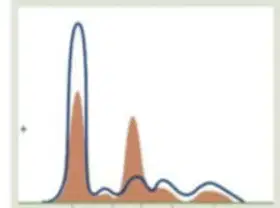
a)
Nephrotic syndrome
b)
Acute phase proteins
c)
Alpha 1 antitrypsin deficiency
d)
Hypogammaglobulinemia
104.
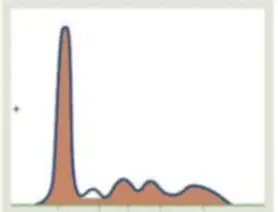
a)
Nephrotic syndrome
b)
Acute phase proteins
c)
Alpha 1 antitrypsin deficiency
d)
Hypogammaglobulinemia
105.
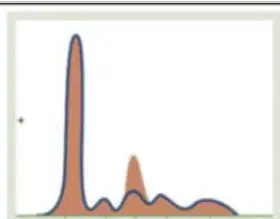
a)
Nephrotic syndrome
b)
Acute phase proteins
c)
Alpha 1 antitrypsin deficiency
d)
Hypogammaglobulinemia
106.
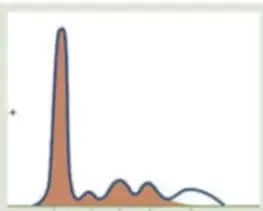
a)
Nephrotic syndrome
b)
Acute phase proteins
c)
Alpha 1 antitrypsin deficiency
d)
Hypogammaglobulinemia
107.
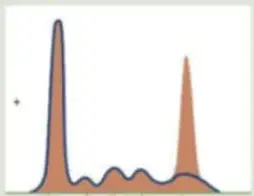
a)
Monoclonal gammopathy
b)
Polyclonal gammopathy
c)
Severe hepatic disease
d)
Liver cirrhosis
108.
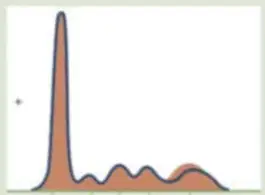
a)
Monoclonal gammopathy
b)
Polyclonal gammopathy
c)
Severe hepatic disease
d)
Liver cirrhosis
109.
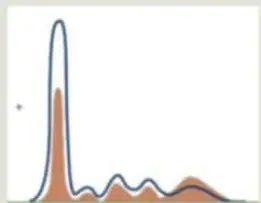
a)
Monoclonal gammopathy
b)
Polyclonal gammopathy
c)
Severe hepatic disease
d)
Liver cirrhosis
110.
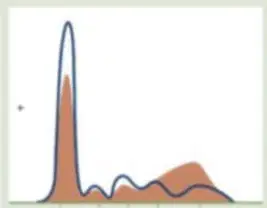
a)
Monoclonal gammopathy
b)
Polyclonal gammopathy
c)
Severe hepatic disease
d)
Liver cirrhosis
100 %

