wayground logo

Free Printable Worksheets

Font size

S
M
L
XL
Worksheets

Anatomy and phys quiz

Total questions: 64

Worksheet time: 44mins
Name
Class
Date
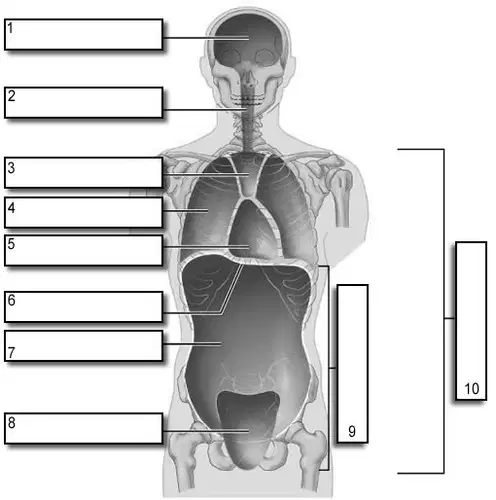
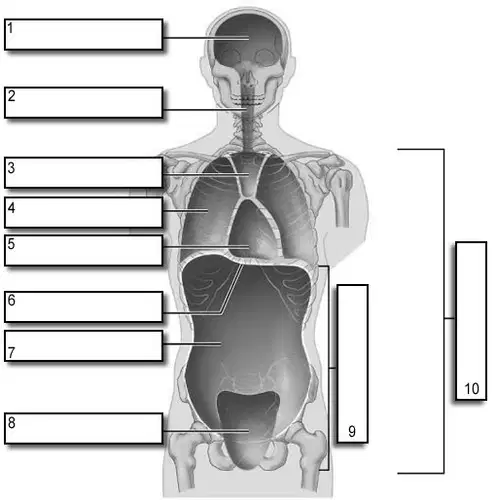
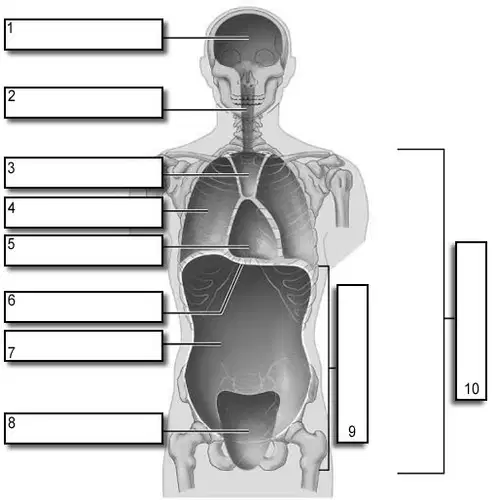
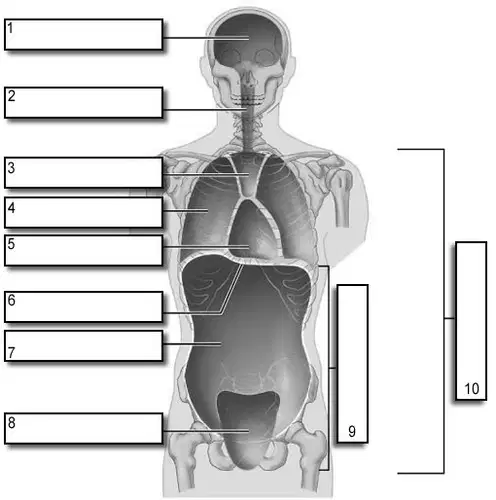
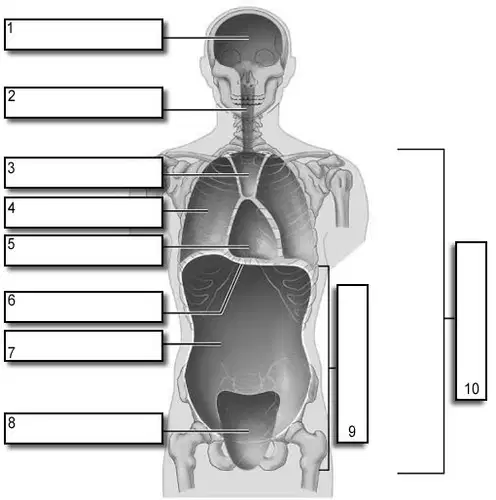
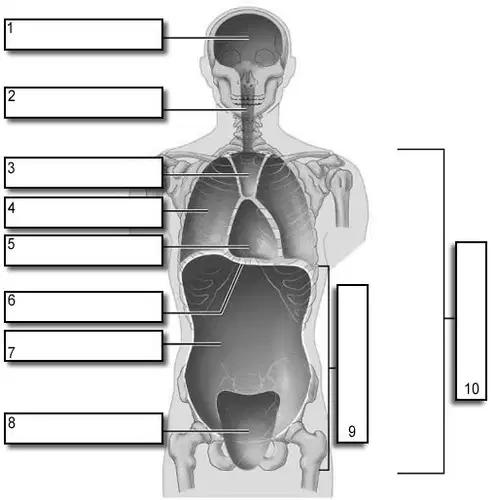
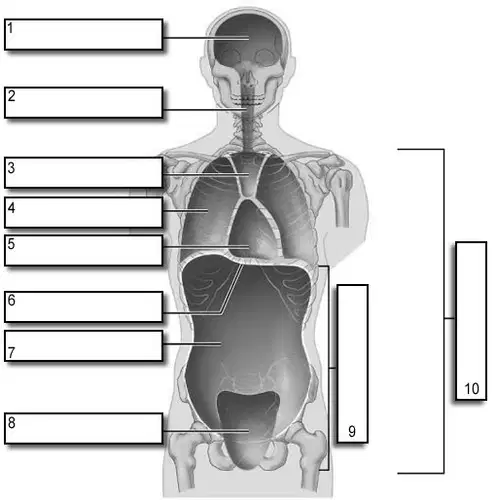
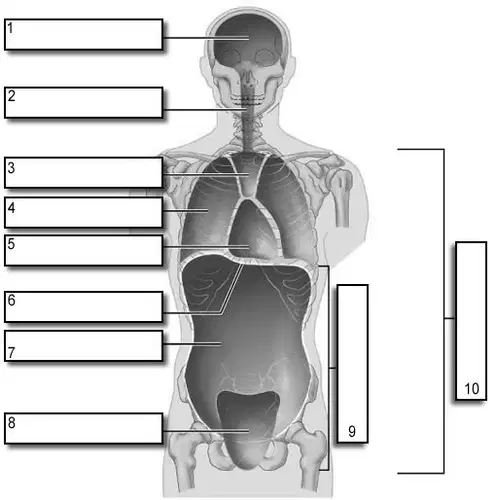
1.

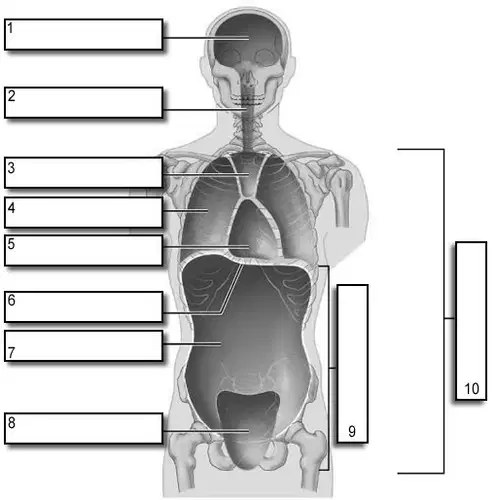
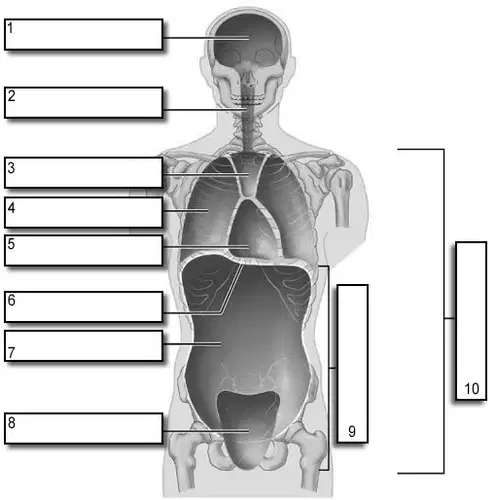
what is number 1

(a)  

2.

What is number 5

(a)  

3.

What is number 2

(a)  

4.

what is 3

(a)  

5.

What is number 4

(a)  

6.

what is the name of 3,4,5 cavity

(a)  

7.

what is 6

(a)  

8.

what is 7

(a)  

9.

what is 8

(a)  

10.

what is 9

(a)  

11.

what is 10

(a)  

12.

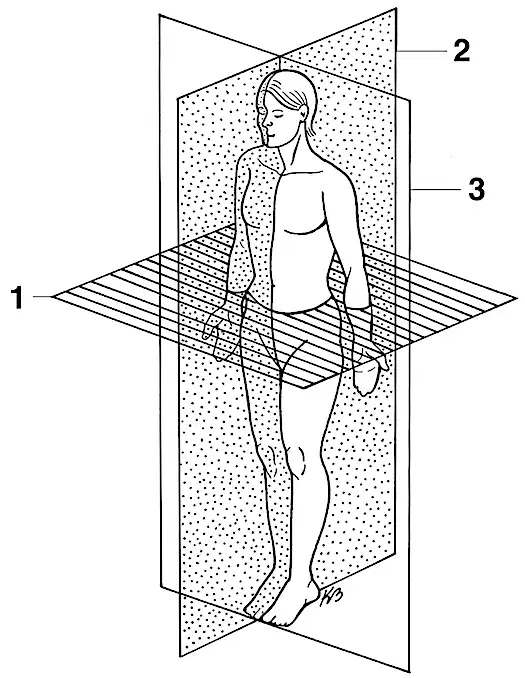
What view is this presenting

(a)  

13.

What is a cell?

a)

the smallest unit of all living things

b)

the basic unit of life

c)

something that makes up the body

d)

made of 2 or more tissues

14.

What is anatomy

a)

the study of the organisms body function

b)

the basic structure of an organism

c)

it provides support to the body

d)

explains what the basic unit of the human body

15.

What is physiology

a)
Physiology focuses solely on plant life.
b)
Physiology is the study of animal behavior.
c)
Physiology is the examination of historical events.
d)
Physiology is the study of the functions and processes of living organisms.
16.

what are the 11 body systems

a)
Immune, Sensory, Endocrine, Digestive, Reproductive
b)
Skeletal, Muscular, Nervous, Cardiovascular, Integumentary, Digestive, Endocrine
c)
Integumentary, Skeletal, Muscular, Nervous, Endocrine, Cardiovascular, Lymphatic, Respiratory, Digestive, Urinary, Reproductive
d)
Respiratory, Lymphatic, Muscular, Skeletal, Nervous, Cardiovascular, Immune
17.

what is the function of the skeletal body system

a)
The skeletal system regulates body temperature.
b)
The skeletal system aids in digestion.
c)
The skeletal system produces hormones.
d)

Provides support and protection and gives the body a shape

18.

what is the function of the nervous

body system

a)
The function of the nervous system is to transmit signals and coordinate bodily functions.
b)
To provide structural support and protection to organs.
c)
To circulate blood and oxygen throughout the body.
d)
To digest food and absorb nutrients.
19.

what is the function of the circulatory body system

a)
The function of the circulatory system is to transport blood, nutrients, gases, and waste products throughout the body.
b)
To digest food and absorb nutrients.
c)
To provide structural support to the body.
d)
To regulate body temperature through sweating.
20.

what is the function of the respiration

body system

a)
The respiration system is responsible for digestion and nutrient absorption.
b)
The respiration system circulates blood throughout the body.
c)
The respiration system enables gas exchange, providing oxygen to the body and removing carbon dioxide.
d)
The respiration system produces hormones that regulate metabolism.
21.

what is the function of the digestive

body system

a)
The function of the digestive system is to break down food and absorb nutrients.
b)
To regulate body temperature.
c)
To circulate blood throughout the body.
d)
To produce hormones for growth.
22.

what is the function of the muscular

body system

a)
To digest food and absorb nutrients.
b)
To protect the body from infections.
c)
To circulate blood throughout the body.
d)
The function of the muscular body system is to enable movement, maintain posture, and produce heat.
23.

what is the function of the integumentary body system

a)

The integumentary system functions to protect the body, regulate temperature, and prevents water loss

b)
To filter waste from the blood and regulate fluid balance.
c)
To aid in digestion and nutrient absorption.
d)
To produce hormones for growth and development.
24.

what is the function of the lymphatic

body system

a)

Fights infections and provides fluid for the cell

b)
The lymphatic system produces red blood cells.
c)
The lymphatic system regulates body temperature.
d)
The lymphatic system is responsible for digestion.
25.

what is the function of the Excretory (Urine) body system

a)
To circulate blood throughout the body
b)

The function of the Excretory (Urine) body system is to remove waste products from the blood.

c)
To digest food and absorb nutrients
d)
To produce hormones for growth
26.

what is the function of the endocrine

body system

a)
The function of the endocrine system is to regulate bodily functions through hormone secretion.
b)
The endocrine system's main role is to filter waste from the blood.
c)
The endocrine system primarily controls muscle movement and coordination.
d)
The endocrine system is responsible for digestion and nutrient absorption.
27.

what is the function of the reproductive

body system

a)
To circulate blood and oxygen throughout the body.
b)
The function of the reproductive system is to produce gametes and facilitate reproduction.
c)
To provide structural support and protection for organs.
d)
To digest food and absorb nutrients.
28.

what 8 functions are necessary for life

a)
Photosynthesis, Respiration, Circulation, Digestion
b)
Communication, Defense, Excretion, Locomotion
c)
Synthesis, Decomposition, Fermentation, Transpiration
d)

Maintaining Boundaries, Movement, Responsiveness, metabolism, Reproduction, Growth

29.

What survival instincts do we need?

a)

Nutrients, oxygen, water, Normal atmospheric pressure, Normal body temperature

b)
Staying in one place indefinitely
c)
Ignoring danger signs
d)
Avoiding all social interactions
30.

What is anatomical position

a)
The anatomical position is standing upright, facing forward, arms at the sides with palms facing forward, and feet together.
b)
Standing on one leg with arms raised overhead
c)
Sitting with legs crossed and hands on knees
d)
Lying down with arms crossed and feet apart
31.

Superior is always

(a)  

32.

The inferior is always

(a)  

33.

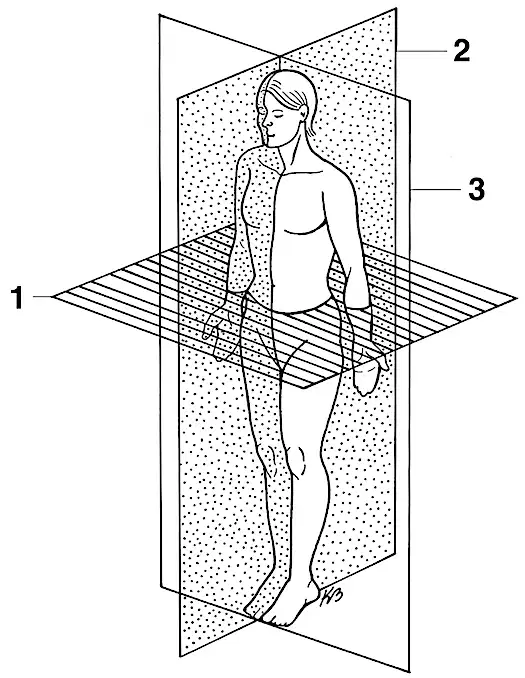
what are the three different cavity planes
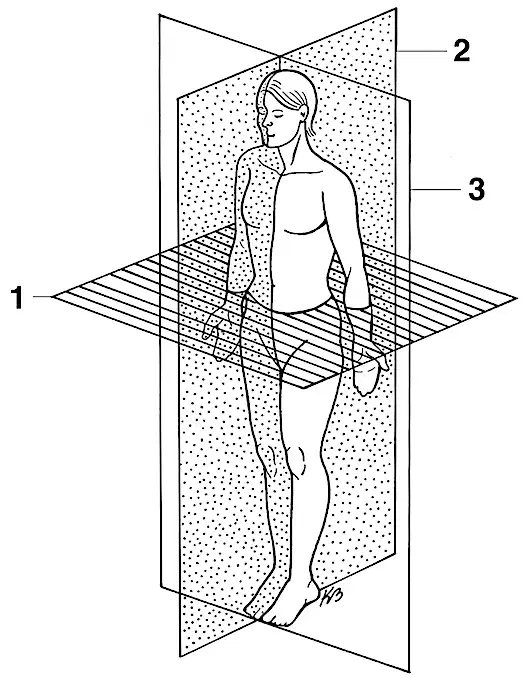
a)
sagittal plane, coronal plane, transverse plane
b)
vertical plane
c)
diagonal plane
d)
horizontal plane
34.

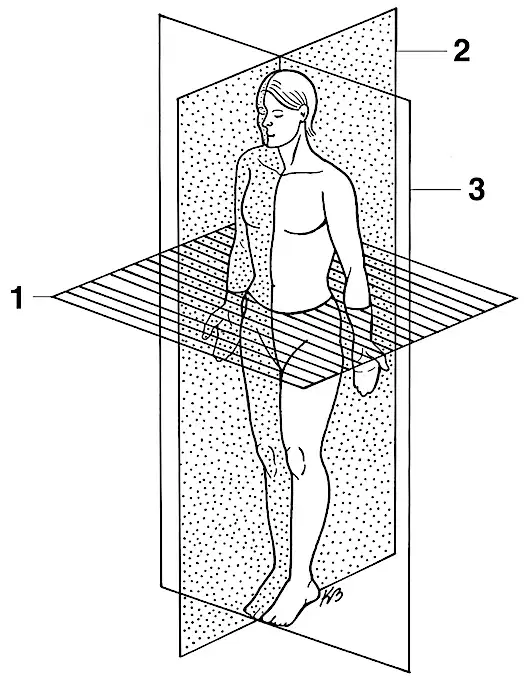
What is the name of the first plane (both names)

(a)  
35.

what is the name of plane 2

(a)  

36.

what is the name of plane 3

(a)  

37.

What is the name of 1 and 5

(a)  

38.

what is 2 and 3

(a)  

39.

what is 4 and 8

(a)  

40.

what is 9 and 10

(a)  

41.

Anterior (ventral) is

a)
the front or forward position
b)
the back or rear position
c)
the upper or above position
d)
the lower or beneath position
42.

posterior(dorsal) is

a)
The front or leading part; in statistics, it refers to prior probability.
b)
A type of statistical distribution unrelated to probability.
c)
The upper section of an object; in statistics, it refers to mean value.
d)
The back or rear part; in statistics, it refers to posterior probability.
43.

deep is

(a)  

44.

superficial is

(a)  

45.

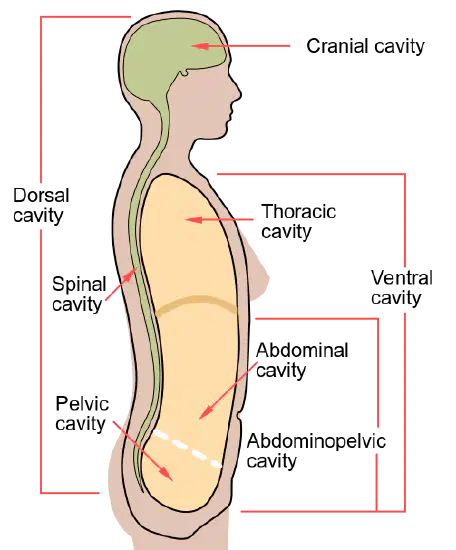
The ventral body cavities protect the visceral organs.They are divided in three

major divisions what are they?
a)
cranial cavity, thoracic cavity, lumbar cavity
b)
abdominal cavity, dorsal cavity, thoracic cavity
c)
thoracic cavity, abdominal cavity, pelvic cavity
d)
pelvic cavity, thoracic cavity, spinal cavity
46.

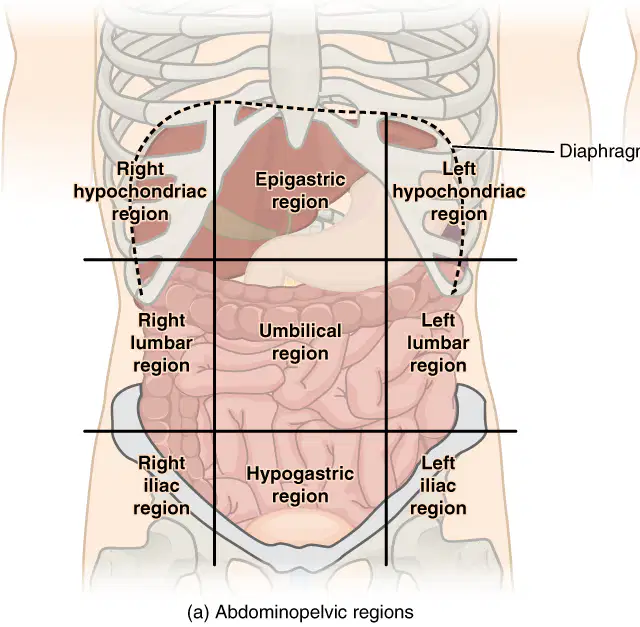
where is the right hypochondriac region located

(a)  

47.

how is the abdominal cavity arranged

a)
The abdominal cavity is arranged into regions containing various organs, bordered by the diaphragm and pelvic cavity.
b)
The abdominal cavity is a single, unpartitioned space.
c)
The abdominal cavity contains only the stomach and intestines.
d)
The abdominal cavity is located above the chest cavity.
48.

the abdominal cavity is fairly…

a)
cramped
b)

nondescript externally but contains many important internal organs

c)
narrow
d)
limited
49.

the dorsal body cavity encloses the…

a)
kidneys and bladder
b)
heart and lungs
c)
brain and spinal cord
d)
stomach and intestines
50.

what are the 4 tissue types

a)
Epithelial tissues are responsible for blood circulation.
b)
Muscle tissues provide structural support to organs.
c)

Epithelial, connective, muscle, and nervous tissues.

d)
Nervous tissues are primarily involved in digestion.
51.

what is the muscle

a)
Muscle is a type of bone that supports the body.
b)
Muscle is a type of organ that stores energy.
c)

it enables movement of the skeleton, beating of the heart, and movement of food through the body

d)
Muscle is a type of fluid that circulates in the body.
52.

what is the connective tissue

a)

Connective tissue makes up of bone, cartilage and blood

b)
Connective tissue is only found in the brain.
c)
Connective tissue is a type of muscle tissue.
d)
Connective tissue is primarily responsible for digestion.
53.

what is the nervous tissue

a)
Nervous tissue is responsible for muscle contraction.
b)
Nervous tissue is primarily made of connective tissue.
c)
Nervous tissue is involved in the digestive system.
d)

Nervous tissue conducts electrical impulses through the brain, spinal cord and nerves

54.

epithelial tissue

a)
Epithelial tissue is a type of muscle tissue that aids in movement.
b)
Epithelial tissue is primarily responsible for producing hormones.
c)

Epithelial tissue is a protective layer that covers internal pathways and glands .

d)
Epithelial tissue is found only in the brain and spinal cord.
55.

What are the four major parts of a animal cell

a)
Cytoskeleton, Golgi apparatus, vesicles, peroxisomes
b)

Cell membrane, cytoplasm, nucleus, ER, mitochondria, golgi apparatus, lysosomes, centrioles, vacuoles

c)
Cell wall, chloroplasts, ribosomes, vacuoles
d)
Mitochondria, endoplasmic reticulum, lysosomes, plasma
56.

what is a transcription of DNA

a)
Transcription of DNA is the replication of DNA strands.
b)
Transcription of DNA is the conversion of RNA into DNA.
c)
Transcription of DNA is the process of protein synthesis.
d)

Transcription of DNA code to and mRNA message.

57.

what is a translation in DNA

a)
Translation in DNA refers to the process of synthesizing proteins from mRNA.
b)
The editing of RNA sequences
c)
The conversion of DNA to RNA
d)
The process of DNA replication
58.

What is mitosis

a)
Mitosis is the process of cell division that produces two identical daughter cells.
b)
Mitosis is the process of producing gametes for sexual reproduction.
c)
Mitosis is the stage where cells undergo apoptosis.
d)
Mitosis is the process of DNA replication before cell division.
59.

What is meiosis

a)
Meiosis is a form of cell division that produces identical cells.
b)
Meiosis is a type of asexual reproduction.
c)

Meiosis is the period of division in sex cells

d)
Meiosis is the process of DNA replication.
60.

Cell membranes is specialized in a barrier, what is it called

a)
Complete permeability
b)

Semi-permeable

c)
Partial permeability
d)
Non-permeable barrier
61.

What is passive transport

a)

Passive transport is the movement of molecules that move naturally from high concentration to low concentration .

b)
Passive transport only occurs in plant cells.
c)
Active transport requires energy to move substances across a cell membrane.
d)
Passive transport is the movement of substances against their concentration gradient.
62.

what is active transport

a)

Active transport is the movement of molecules that move from low concentration to high concentration .

b)
Passive transport requires energy to move molecules.
c)
Active transport occurs only in plant cells.
d)
Active transport moves molecules with the concentration gradient.
63.

endocytosis is

a)

a way into the cells

b)
a way to release waste from the cell
c)
a process for protein synthesis
d)
a method for cell division
64.

what is exocytosis

a)

Exocytosis is the process by which it goes out of the cell.

b)
Exocytosis is the process of cells taking in materials through vesicles.
c)
Exocytosis refers to the breakdown of cellular waste within lysosomes.
d)
Exocytosis is the movement of ions across the cell membrane without vesicles.