
 Worksheets
(BSC 2085) Anatomy & Physiology I Baseline
Total questions: 78
Worksheet time: 6hrs 32mins
What are the organs related to the digestive system?
small intestine
large intestine
stomach
lungs
What type of digestion takes place in the stomach?
mechanical
chemical
both mechanical and chemical
Where does the process of digestion begin?
mouth
esophagus
stomach
small intestine
Where does the absorption of nutrients from food take place?
stomach
liver
small intestine
large intestine


We breathe in _____& breathe out ______.
oxygen, carbon dioxide
carbon dioxide, oxygen
What is the muscle called that assists with inhaltion & exhalation?
diaphragm
alveoli
bronchus
Microscopic sacs where gas exchange takes place; are called:
alveoli
bronchi
villi
capillary beds
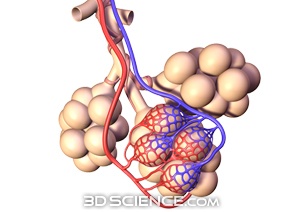
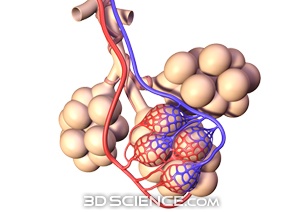
Running is an activity that causes the cells in the muscular system to use oxygen at a faster rate. Which system responds by delivering more oxygen to these cells?
digestive
nervous
circulatory
endocrine
During a nervous system response the following events occur. Which statement would correctly fill in the blank?
Internal/external stimulus --> ______ --> Spinal Cord --> Brain
Blood vessel
endocrine gland
sensory neuron
smooth muscle
Which of the following correctly lists the organs used for digestion.
mouth --> stomach --> small intestine --> large intestine
mouth --> small intestine --> stomach --> large intestine
Stomach --> small intestine --> large intestine --> mouth
Mouth --> small intestine --> large intestine --> stomach
When studying anatomy you are studying what?
The way the body functions
The structures in the body
How the environment changes our body
Food webs found in the environment
During a running race, a person’s breathing rate and heart rate increase. These changes most directly help the person do which of the following?
increase rate of digestion
decrease rate of sex cell production
decrease rate of protein synthesis in neurons
increase rate of cellular respiration
Which of the following structures transmits nerve impulses between the brain and most motor and sensory neurons
artery
diaphragm
esophagus
spinal cord
what is found around alveoli?
capillaries
pleura
lymphatic nodes
saliva
Blood is example of __ tissue.
Nervous
muscle
epithelial
connective
Which of the following epithelial functions is the primary role of glandular epithelium?
Protection
Secretion
Absportion
Support
This type of epithelial tissue is found in the bladder.
simple squamous
stratified squamous
transitional
pseudostratified columnar
Which tissue type lacks its own blood supply?
stratified squamous epithelium
adipose
areolar
Skeletal muscle
Most of your respiratory tract is lined with ___ tissue.
hyaline cartilage
ciliated pseudostratied columnar epithelium
stratified squamous epithelium
transitional epithelium
This type of tissue makes up glands like your salivary glands.
Epithelial
Nervous
Connective
Muscle
Which of these is another way to say Smooth Muscle?
striated voluntary
striated involuntary
Nonstriated voluntary
nonstriated involuntary
Microvilli and goblet cells are common adaptations found in ___ tissue.
Skeletal muscle
Simple columnar epithelial
Blood
Nervous Tissue
This type of tissue has an extensive amount of collagen fibers?
Epithelial
Connective
Nervous
Muscular
Osteoblasts are bone cells that:
have ruptured
immature cell still diving and undergoing cell division
excreting something
break down old bone material
Which type of tissue has the LEAST amount of matrix?
stratified squamous epithelium
areolar connective tissue
Blood
Dense irregular connective tissue
Which of the following are NOT true of Epithelial tissue?
attaches to connective tissues via a basement membrane
has a rich blood supply
has a high rate of cell division
has little extracellular space between cells
Which of the following epithelial tissues is known for being located in an area of high diffusion like walls of blood vessels or in the alveoli of the lungs.
Stratified Columnar
Simple Columnar
Stratified Squamous
Simple Squamous
Which type of tissue contains specialized cells called neurons?
Epithelial
Nervous
Muscular
Connective
Which of the following is NOT a function of Connective tissue?
movement/transport
support
defense
communication
Which of the following is NOT a function of adipose tissue?
Insulation
Formation of glands
Protection
Support
Which tissue is associated with having a matrix?
Epithelial
Nervous
Muscular
Connective
All of the following are types of Loose Connective Tissue EXCEPT:
Areolar
Adipose
Reticular
Cartilage
How many layers are found in pseudostratified columnar epithelium?
1
2
more than 2
it varies
What function does the basement membrane serve?
provide blood to the epithelial tissue
hold cartilage to bone
anchor epithelial tissues to underlying connective tissue
secretes the matrix.
Biological structures can be seen by disection
anatomy
physiology
medial
adduction
body part is closer to the point of attachment
medial
anterior
proximal
distal
toward the front of the body
posterior
anterior
medial
inferior
contains cranial and vertebral cavities
dorsal cavity
ventral cavity
frontal / coronal
inferior
closer to the midline of body
distal
superior
lateral
medial
move toward the medial plane (jumping jack)
anterior
abduction
posterior
adduction
study of how the body maintains homeostasis
anatomy
physiology
trasnverse
superior
divides the body into dorsal and ventral segments
frontal / coronal
lateral
posterior
proximal
farther from the head
anterior
posterior
inferior
superior
body part is farther from the point of attachment
superior
proximal
distal
lateral
thoracic and abdominopelvic cavities
dorsal cavity
superior
median (sagittal)plane
ventral cavity
toward the head
superior
inferior
anterior
posterior
divides the body into left and right halves at midline
lateral
transverse
median (sagittal) plane
frontal / coronal
toward the back of the body
posterior
anterior
anterior
lateral
a person is standing upright with arms to side, palms and feet forward
anterior
physiology
anatomical position
anatomy
moving away from the medial plane (jumping jack)
adduction
abduction
distal
proximal
away from the midline
medial
proximal
distal
lateral
divides body into cranial and caudal sections
ventral
frontal / coronal
lateral
transverse
With the exception of the teeth, the hardest tissue in the body is:
bone
the brain
marrow
muscle
The connection between two or more bones of the skeleton is a(n):
organ
muscle
nerve
joint
The skull is divided into two parts: the cranium, which protects the brain, and the:
frontal bone
malar bones
facial skeleton
joints
The bone of the cranium that forms the back of the skull above the nape is the:
ethmoid bone
occipital bone
temporal bone
frontal bone
The two bones that form the sides and top of the cranium are the:
maxillae bones
parietal bones
lacrimal bones
temporal bones
The bone that forms the forehead is the:
frontal bone
parietal bone
femur
sphenoid bone
The light, spongy bone between the eye sockets is called the:
sphenoid bone
ethmoid bone
occipital bone
temporal bone
The _____ bones form the bridge of the nose.
ethmoid
mandible
nasal
lacrimal
The small, thin bones located at the front inner wall of the orbits are the:
nasal bones
malar bones
hyoid bones
lacrimal bones
The largest and strongest bone of the face is the:
nasal bone
temporal bone
mandible
maxillae
The U-shaped bone at the base of the tongue that supports the tongue and its muscles is the:
sphenoid bone
hyoid bone
thorax
mandible
The flat bone that forms the ventral (front) support of the ribs is the:
sternum
clavicle
ulna
scapula
The clavicle is also known as the:
cheekbone
breastbone
shoulder blade
collarbone
The inner and larger bone of the forearm located on the side of the little finger is the:
sternum
ulna
carpus
The largest bone of the arm, extending from the elbow to the shoulder, is the:
clavicle
humerus
radius
ulna
What is another name for the wrist?
metacarpus
phalanges
carpus
radius
Which of the following bones forms the kneecap joint?
femur
patella
fibula
tibia
Which of the following is NOT one of the three bones that composes the ankle joint?
talus
fibula
femur
tibia
How many bones make up the foot?
40
32
26
11
The navicular is one of the:
accessory bones
tarsal bones
metatarsal bones
toe phalanges
accessory bones
tarsal bones
metatarsal bones
toe phalanges

