
 Worksheets
Sewing Machine
Total questions: 81
Worksheet time: 4hrs 1mins
holds the lower thread supply
spool pin
bobbin
feed dog
hand wheel
holds the upper thread supply
throat plate
take up lever
bobbin
spool pin
holds the bobbin in place
thread guide
bobbin case
feed dog
bobbin winder
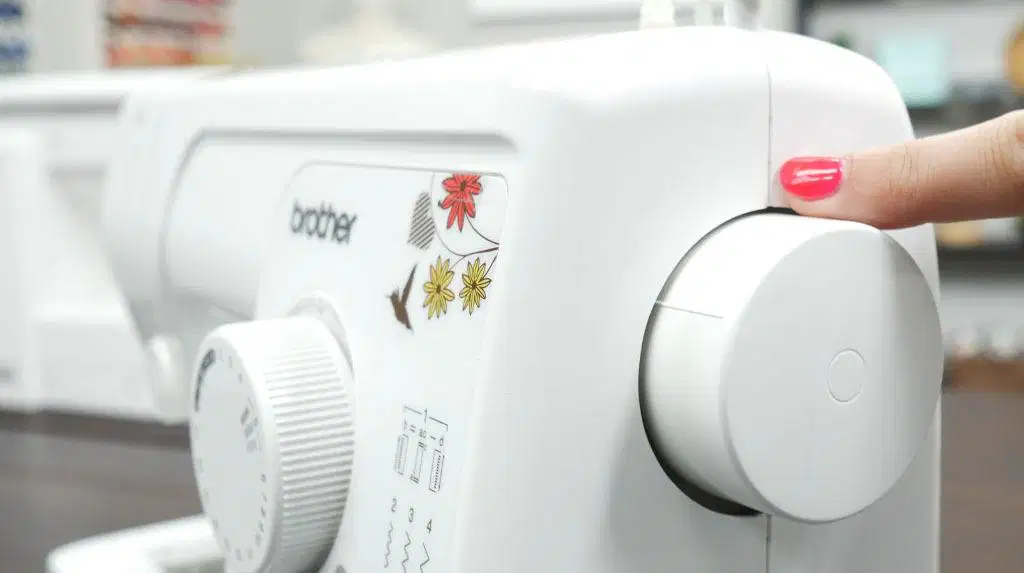
You always turn this towards you
thread guide
Hand wheel
feed dog
bobbin winder
moves the fabric under the presser foot
thread guide
feed dog
throat plate
free arm
allows the machine to backstitch
stitch width
reverse
needles
free arm
allows the machine to backstitch
stitch width dial
reverse stich lever
needles
free arm
holds the bobbin while winding
bobbin winder
bobbin case
hand wheel
throat plate
determines how long the stitches are
stitch width
stitch length
design dial
tension disc/dial
controls the tightness of the upper thread
stitch width
stitch length
tension disc/dial
throat plate
determines how wide or narrow each stitch is
stitch length
thread guide
design dial
stitch width
guides the thread from the spool pin to the needle
throat plate
bobbin
thread guide
stitch width
holds the fabric in place
free arm
pressure foot
throat plate
spool pin
moves the presser foot up and down
hand wheel
spool pin
presser foot lever
bobbin

holds the fabric in place
free arm
pressure foot
throat plate
spool pin
actually makes the stitch in the fabric
needle
design dial
feed dog
spool pin
controls the speed of the machine by pressing on it
spool pin
foot pedal
hand wheel
feed dog
surrounds the feed dog. It has sewing guide lines on it.
throat plate
feed dog
foot pedal
bobbin

Holds fabric in place when sewing
Needle
Handle
Presser Foot
Foot pedal

Moves fabric under the presser foot
Needle
Bobbin
Feed dogs
Thread

Has lines to measure and sew straight
**The part on this picture that is metal and has numbers
Bobbin
Presser Foot
Throat plate
Needle

What position does the take-up lever need to be in for the machine to work properly?
At the top
At the bottom
In the middle
It doesn't matter
Don't ____________ the fabric; the machine will feed it through automatically.
push and pull
cut
tear
The presser foot must always be in the downward position for sewing.
true
false
Use the ____________ to cut thread tails or trim them with scissors as you work.
thread cutter
teeth in your mouth
magic

Round spool that holds the bottom thread
Spool
Bobbin
Feed dogs
winder
The thread take-up lever should always be at the ____________ position when beginning and ending a line of sewing.
upward
downward
Maintain a slow, even speed with the ____________.
foot pedal
hand wheel
presser foot


Needle Clamp Screw
Bobbin winder stopper
Stitch Length Dial
Thread Cutter

This opens up for the bobbin
bobbin case
slide plate
needle clamp
feed dogs
Where is the eye of the sewing machine needle located?
At the lower end
At the upper end
There is no eye
When you thread the needle you need to?
Hold the thread straight so it does not wrap around the needle
Just pull the thread through the needle
let it wrap around it doesn't matter
Which end of the sewing machine needle is sharp?
It's not sharp
The upper part by the machine
The tip at the end
The presser foot must always be in the downward position for sewing.
true
false
Keep the bulk of the fabric to the left of the needle when sewing, so you can see the ____________ on the needle plate.
seam guidelines
designs
stitches

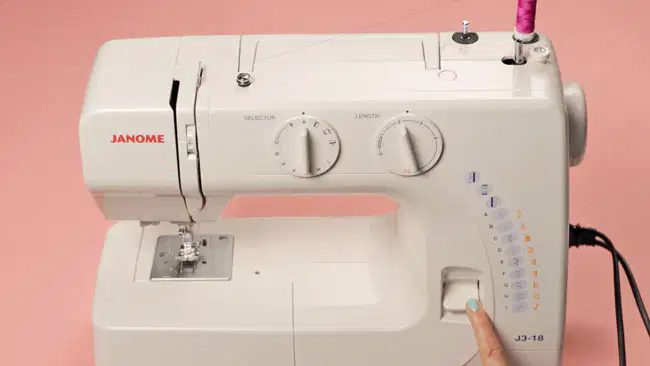
This is the type of Machine we use in class
True
False

Your machine has a light that will come on when the power is turned on?
True
False

This part of your machine is called the ?
Presser foot
Needle Clamp Screw
Feed dogs
Spool Pin
This controls how tight or loose the stitches are
length dial
width dial
selector
tension dial

Controls how long or short the stitches are
selector
stitch length dial
tension dial
width dial
When you start a stich only
3 stiches at the start of a seam and 3 stiches at the end of a seam
Only when you end a seam
It holds the bobbin
Bobbin case
Feed Dog
Throat plate
Belt
A basic seam is
5/8"
between 2 and 3 on the stitch length dial
Back stitched at the beginning and end of the seam
all are correct
determines how wide or narrow each stitch is
stitch length
thread guide
design dial
stitch width
determines how long the stitches are
stitch width
stitch length
design dial
tension disc/dial
controls the speed of the machine by pressing on it
spool pin
foot pedal
hand wheel
feed dog
surrounds the feed dog. It has sewing guide lines on it.
throat plate
feed dog
foot pedal
bobbin
On the throat plate we line our fabric up with the ? for a basic seam
5/8 mark
presser foot
1/4 mark
Just sew the seam
Don't ____________ the fabric; the machine will feed it through automatically.
push and pull
cut
tear
The presser foot must always be in the downward position for sewing.
true
false
Use the ____________ to cut thread tails or trim them with scissors as you work.
thread cutter
teeth in your mouth
magic
The thread take-up lever should always be at the ____________ position when beginning and ending a line of sewing.
upward
downward
The thread take-up lever should always be at the top or upward position when beginning and ending a line of sewing or this will happen
Nothing is does not matter
Your thread will get tangled
Your machine will unthread when you start to sew again.
Your machine will not stich
Maintain a slow, even speed with the ____________.
foot pedal
hand wheel
presser foot
Keep the bulk of the fabric to the left of the needle when sewing, so you can see the ____________ on the needle plate.
seam guidelines
designs
stitches
This spindle holds the bobbin while thread is wound from the spool pin to the bobbin. Used to put thread on the bobbin.
bobbin winder
hand wheel
throat plate

