
 Worksheets
Metrology Concepts and Objectives Quiz
Total questions: 40
Worksheet time: 20mins
What are the key metrology concepts mentioned in the presentation agenda?
Tolerance, Limits, and Fits
Speed, Velocity, and Acceleration
Mass, Weight, and Density
Pressure, Volume, and Temperature
What is one of the aims and objectives of metrology in engineering practice according to the agenda?
To improve communication skills
To enhance measurement accuracy
To develop artistic skills
To increase physical strength
What does metrology study to ensure accuracy in measurements?
Only theoretical aspects of measurement
Only practical aspects of measurement
Both theoretical and practical aspects of measurement
Neither theoretical nor practical aspects of measurement
Why is the development and maintenance of measurement standards important in engineering?
To increase production speed
To ensure measurement accuracy and traceability
To reduce material costs
To enhance aesthetic design
How does metrology contribute to engineering processes?
By reducing the need for skilled labor
By applying measurement principles to guarantee quality and precision
By increasing the complexity of designs
By focusing solely on cost reduction
Why are precise measurements crucial in engineering design?
To reduce costs
To ensure functionality and reliability of products
To increase production speed
To simplify design processes
How does measurement science support quality assurance in manufacturing?
By reducing labor costs
By ensuring products meet quality standards and specifications
By increasing production volume
By simplifying the supply chain
In what way does accurate measurement drive innovation in engineering?
By reducing material usage
By verifying new engineering concepts and prototypes
By increasing marketing efforts
By simplifying existing technologies
What was the primary purpose of metrology in ancient civilizations?
To create complex scientific instruments
To quantify everyday items and trade goods
To establish international standards
To develop modern technology
How did British and International standards impact measurement systems?
They made measurement systems more complex
They unified measurement systems for global consistency and precision
They eliminated the need for measurement systems
They focused only on scientific research
What is a key characteristic of modern metrology?
It relies on ancient methods
It uses highly precise instruments for various applications
It is only applicable in scientific research
It disregards industry needs
What does tolerance specify in the context of manufacturing?
The exact dimensions required for a part
The allowable variation in a dimension or measurement
The cost of manufacturing a part
The time taken to manufacture a part
Why is tolerance important in engineering?
It reduces the cost of materials
It ensures parts fit together and function properly
It speeds up the manufacturing process
It increases the weight of the components
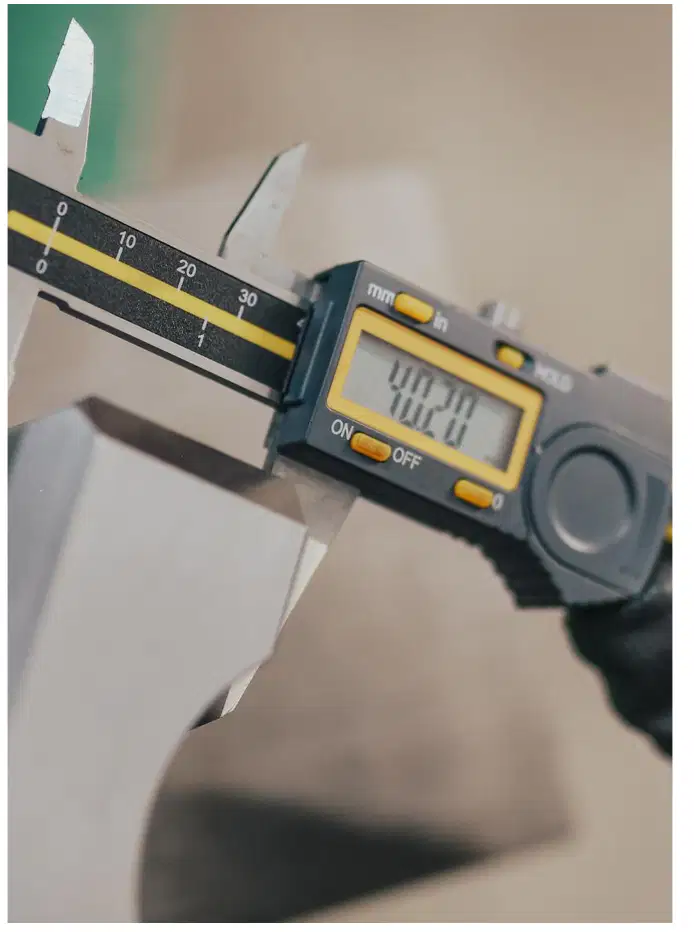
What is the primary purpose of setting limits in manufacturing?
To increase production speed
To ensure product quality by defining clear boundaries for dimensions
To reduce material costs
To enhance aesthetic appeal
How do limits contribute to interchangeability in manufacturing assemblies?
By reducing the number of components needed
By ensuring components fit and function interchangeably
By increasing the size of components
By standardizing color schemes
What is the definition of fits in component assembly?
The color coordination of parts
The relationship between mating parts, defining how tightly or loosely they fit together
The electrical compatibility of components
The weight distribution of parts
What is the range of fits in component assembly?
From heavy to light
From loose fits allowing easy assembly to tight fits ensuring secure fastening
From small to large
From flexible to rigid
Why is selecting the appropriate fit important in component assembly?
To enhance the aesthetic appeal
To ensure the components are lightweight
To achieve desired assembly performance and reliability
To reduce the cost of materials
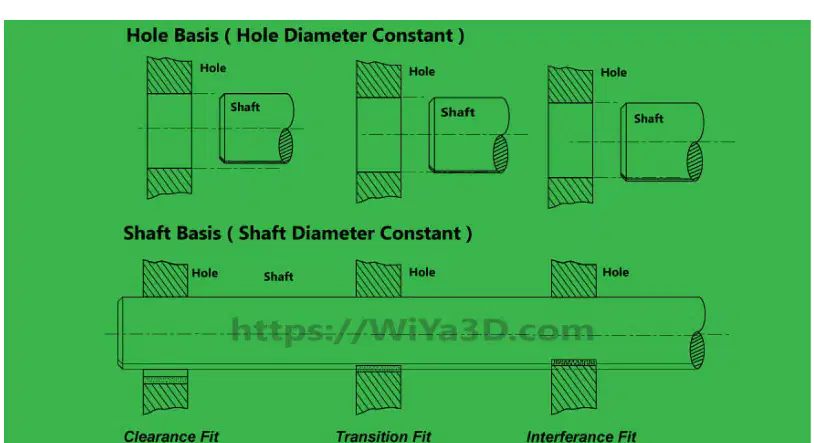
What are the three types of fits shown in the visual representations of limits and fits?
Clearance, Transitional, Interference
Tight, Loose, Medium
Standard, Non-standard, Custom
Fixed, Variable, Adjustable
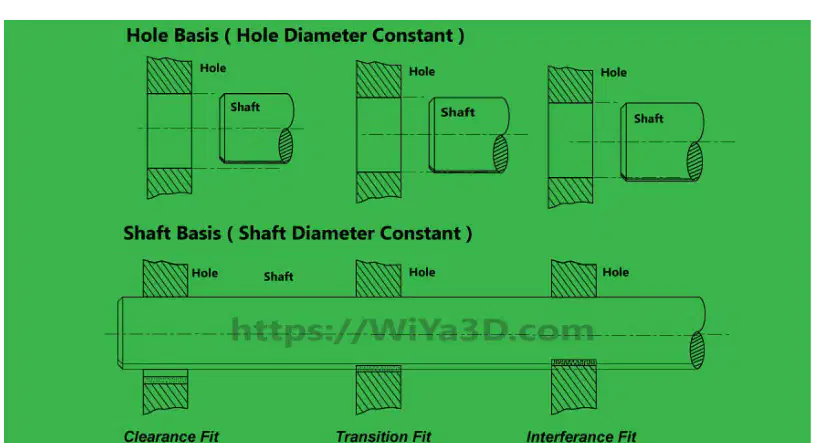
Which type of fit allows for the most movement between the hole and the shaft?
Interference Fit
Transitional Fit
Clearance Fit
Tight Fit

What is the primary role of metrology in engineering processes?
To provide aesthetic designs
To ensure precise measurements and reduce errors
To increase production speed
To enhance marketing strategies
How do accurate measurements enhance reliability in engineering?
By improving reliability across design, manufacturing, and testing stages
By reducing the cost of materials
By increasing the number of employees
By enhancing customer service

What is the role of metrology in manufacturing?
To create new manufacturing techniques
To ensure parts produced at different times match precisely
To design new machinery
To reduce the cost of production
How does defining tolerances benefit manufacturing?
It increases production speed
It allows parts to fit together perfectly despite minor variations
It reduces the need for skilled labor
It eliminates the need for quality control
Why is interchangeability of parts important in manufacturing?
It allows for unique designs for each manufacturer
It enables parts from multiple manufacturers to be interchangeable without adjustment
It increases the complexity of manufacturing processes
It reduces the need for standard measurements
What is the primary role of metrology in quality control?
To provide aesthetic design improvements
To deliver precise measurements for product quality and consistency
To enhance marketing strategies
To reduce production costs
How does metrology contribute to regulatory compliance?
By increasing production speed
By providing accurate data to meet standards and legal requirements
By reducing the need for skilled labor
By enhancing product design
In what way does metrology enhance customer satisfaction and safety?
By ensuring products meet safety standards
By lowering product prices
By increasing product variety
By improving advertising techniques

What is the importance of tolerance in manufacturing processes?
It ensures quality and functionality by managing acceptable variations.
It increases the cost of production.
It reduces the need for skilled labor.
It eliminates the need for quality checks.
How do limits affect manufacturing?
They define allowable size variations and impact efficiency and accuracy.
They increase the production time significantly.
They reduce the need for raw materials.
They eliminate the need for machinery.
What factors influence the choice of fits in manufacturing?
Function, desired clearance, and type of assembly.
Cost, color, and brand preference.
Employee preferences and working hours.
Weather conditions and geographical location.
What is the primary use of calipers in measurement activities?
To measure temperature
To measure weight
To measure external and internal dimensions
To measure speed
How do micrometers contribute to quality control?
By providing temperature readings
By offering highly accurate thickness and diameter measurements
By calculating speed
By measuring electrical resistance
What is the purpose of evaluating tolerances in measurement activities?
To ensure parts meet specifications
To increase the speed of production
To reduce the weight of materials
To enhance color accuracy
What is the purpose of calculating allowable variations in dimensions?
To ensure proper function in assemblies
To increase production speed
To reduce material costs
To enhance aesthetic appeal
How do you identify suitable fits for components?
By selecting fit types based on application requirements and function
By choosing the cheapest available option
By matching colors and textures
By using the largest possible size
What is involved in interpreting measurement data?
Analyzing results to solve practical problems related to manufacturing accuracy and quality control
Estimating costs for new projects
Designing new product features
Increasing the speed of production lines
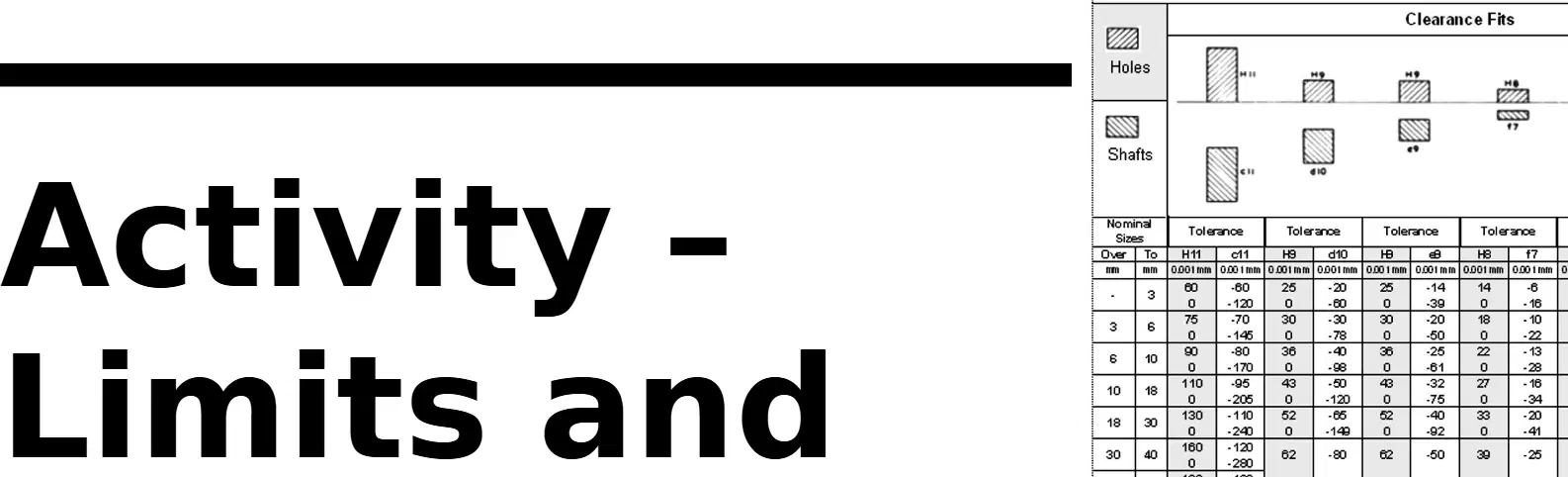
What is the upper limit (UP) for a Hole H7 in the 18-30 mm range?
+21 μm
+15 μm
+30 μm
+10 μm
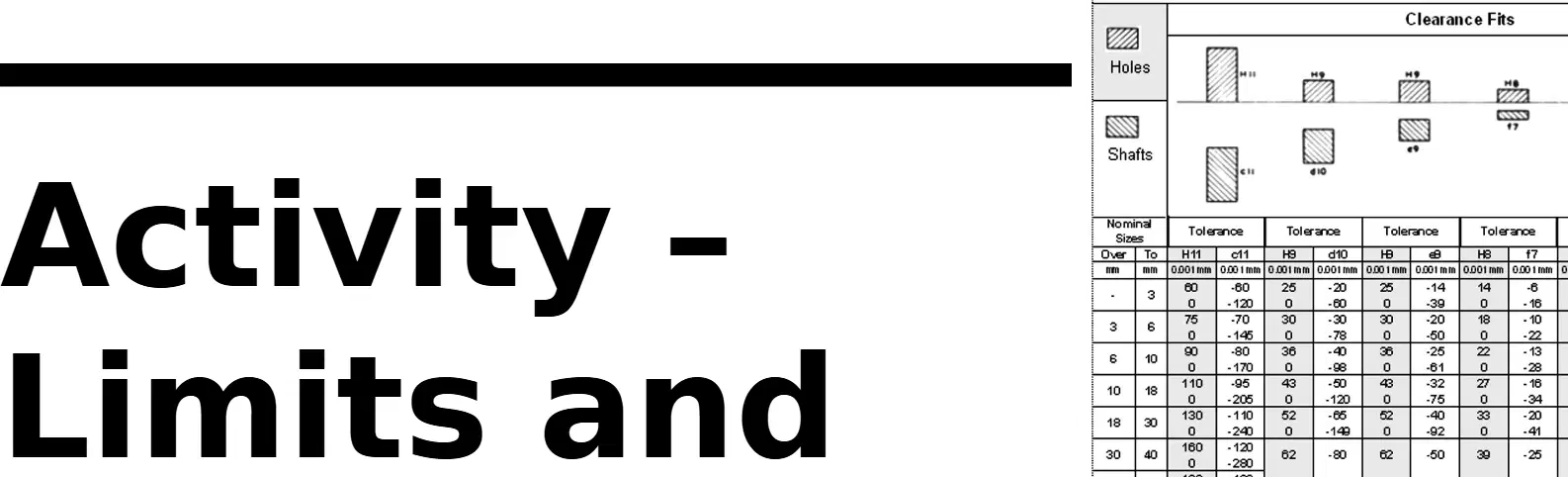
What is the lower limit (LL) for a Hole H7 in the 18-30 mm range?
0 μm
-10 μm
+5 μm
-5 μm
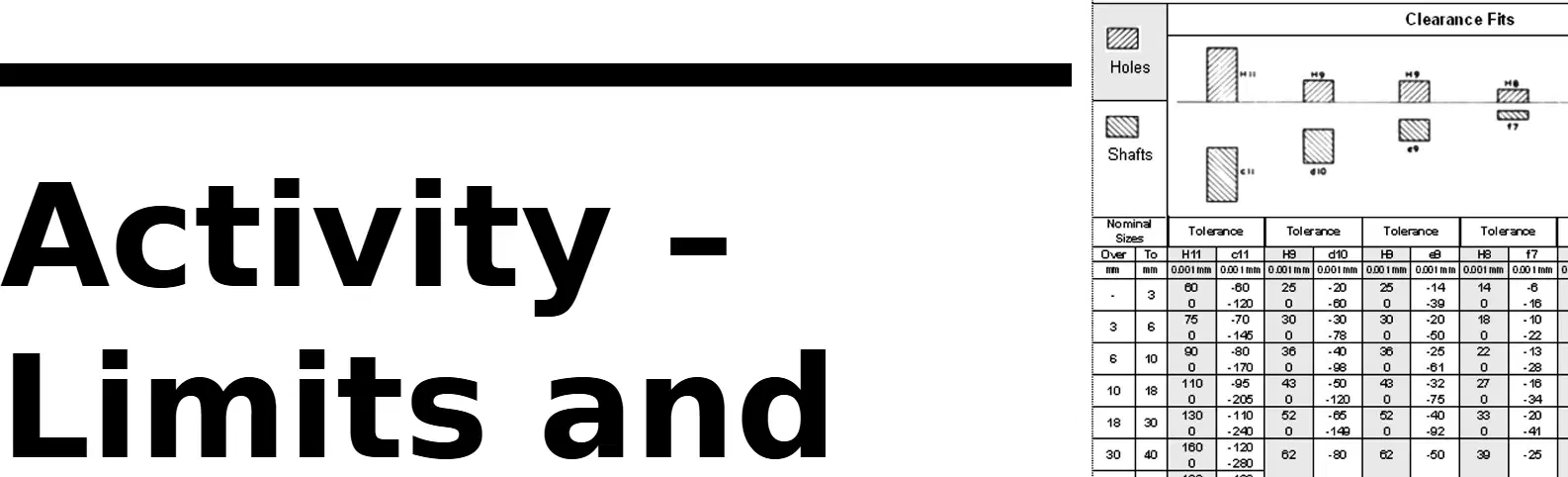
What are the hole limits for a Hole H7 in the 18-30 mm range?
25.000 mm to 25.021 mm
24.900 mm to 25.000 mm
25.010 mm to 25.030 mm
24.950 mm to 25.020 mm

