
 Worksheets
Reproductive System Quiz
Total questions: 29
Worksheet time: 29mins
What are the essential and accessory organs of the male and female reproductive systems, and what is the general function of each?
Heart and lungs; circulation and respiration
Kidneys and liver; filtration and detoxification
Testes and ovaries; reproduction and hormone production
Brain and spinal cord; control and coordination
Which structures are responsible for the secretion of sex hormones?
Neurons
Gonads
Alveoli
Nephrons
What are the phases of the endometrial or menstrual cycle in a typical 28-day cycle?
Proliferative, secretory, and menstrual phases
Inflammatory, healing, and recovery phases
Growth, maturation, and aging phases
Initiation, elongation, and termination phases
What is required for sexual reproduction to occur?
Only one parent organism
Two parent organisms, a male and a female
A single gamete
A fertilized zygote
Which of the following is a gamete?
Zygote
Gonad
Ovum
Organ
What are the essential organs in sexual reproduction?
Zygotes
Gametes
Gonads
Ova
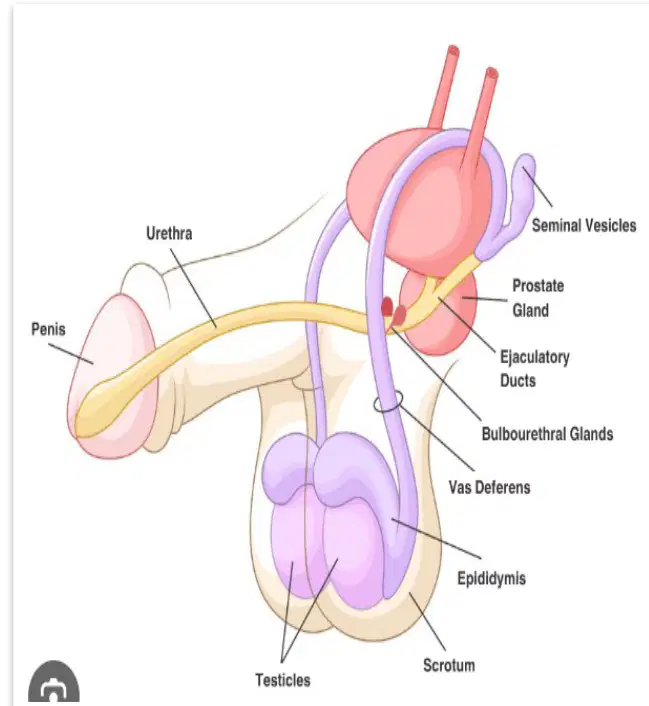
What is the essential organ of the male reproductive system?
Testes
Prostate gland
Seminal vesicle
Urethra
Which of the following glands is considered a supportive sex gland in the male reproductive system?
Prostate gland
Epididymis
Urethra
Scrotum
What are the external genitals of the male reproductive system?
Scrotum and penis
Urethra and vas deferens
Seminal vesicle and prostate gland
Epididymis and ejaculatory duct
Where are the testes located, and what is the significance of this location?
In the abdomen, to maintain a constant body temperature
In the scrotum, which provides a 1-3-degree cooler temperature
In the chest cavity, to protect from external injuries
In the pelvic region, to support reproductive organs
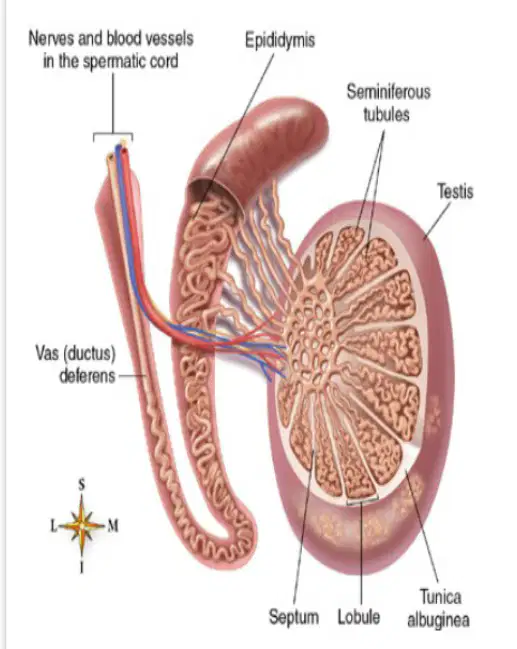
What is the function of the tunica albuginea in the testicular anatomy?
It produces sperm cells
It forms the inner lining of the scrotum
It acts as an outer protective layer and forms septa
It stores testosterone
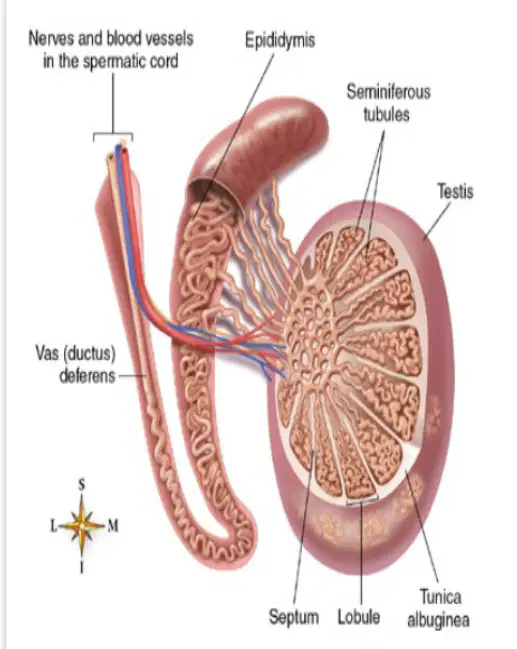
What is contained within the lobule of the testis?
Epididymis
Seminiferous tubule
Vas deferens
Tunica albuginea
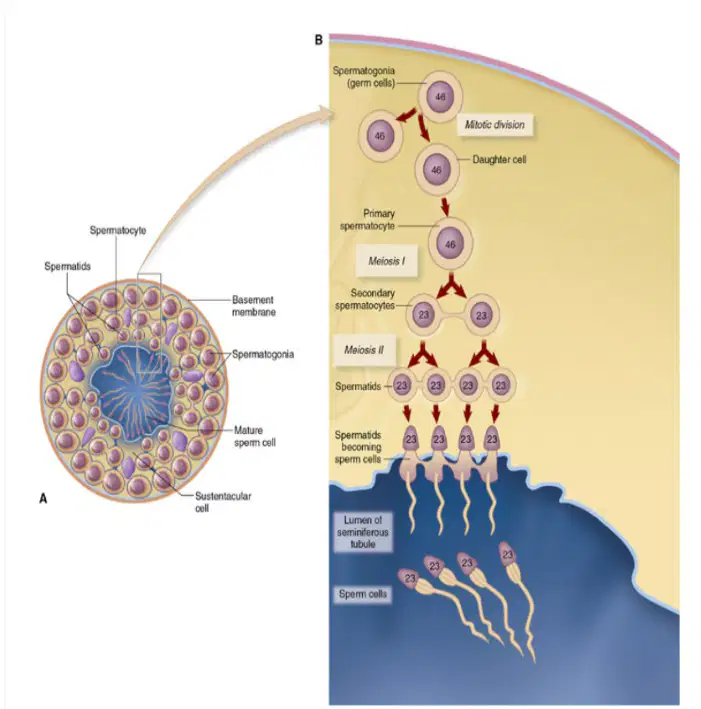
What is the process of sperm production called?
Oogenesis
Spermatogenesis
Mitosis
Fertilization
What is one of the functions of testosterone in the male body?
Increases estrogen levels
Promotes development of male accessory organs
Inhibits muscle growth
Reduces red blood cell production
Which structure allows sperm to exit the testicles?
Epididymis
Urethra
Vas deferens (ductus deferens)
Seminal vesicle
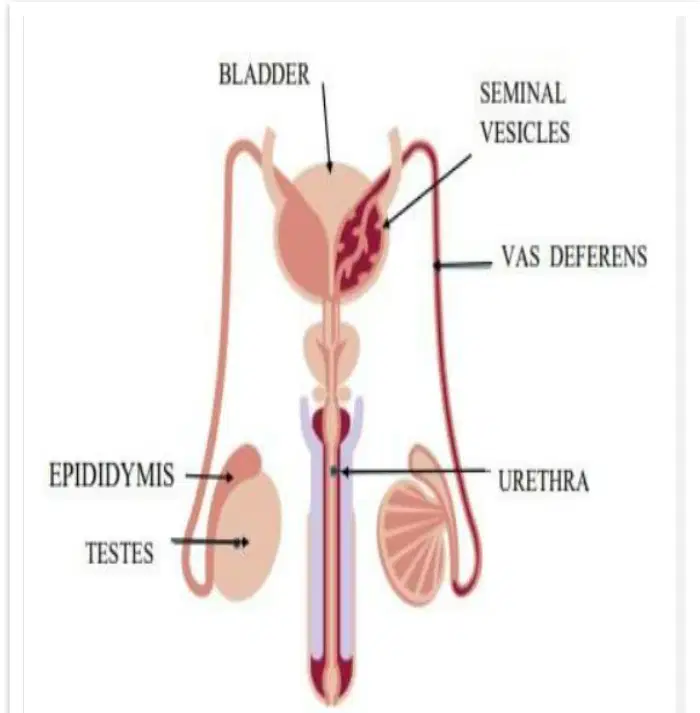
What happens when the vas deferens joins the duct from the seminal vesicle?
It forms the epididymis
It forms the ejaculatory duct
It forms the urethra
It forms the bladder
What percentage of seminal fluid volume is produced by the seminal vesicles?
30%
60%
5%
50%
Which gland produces a secretion that is thin and milk-colored?
Seminal vesicles
Prostate gland
Bulbourethral (Cowper) glands
Pituitary gland
What is the primary composition of semen?
Only sperm
Only secretions from accessory glands
Mixture of sperm and secretions of accessory sex glands
Only seminal vesicle secretions
What are the penis and scrotum collectively called?
Prepuce
Circumcision
Genitalia
Glans
What is one of the functions of estrogen in female development?
Stimulates the production of testosterone
Development and maturation of female reproductive organs
Increases muscle mass
Reduces body fat
How does progesterone contribute to the menstrual cycle in girls entering puberty?
It decreases the production of estrogen
It stimulates the proliferation and vascularization of the epithelial lining of the uterus
It inhibits the development of female reproductive organs
It reduces the deposition of fat in the body
What is another name for the uterine tubes as mentioned in the image?
Fallopian tubes
Cervical tubes
Vaginal ducts
Ovarian tubes
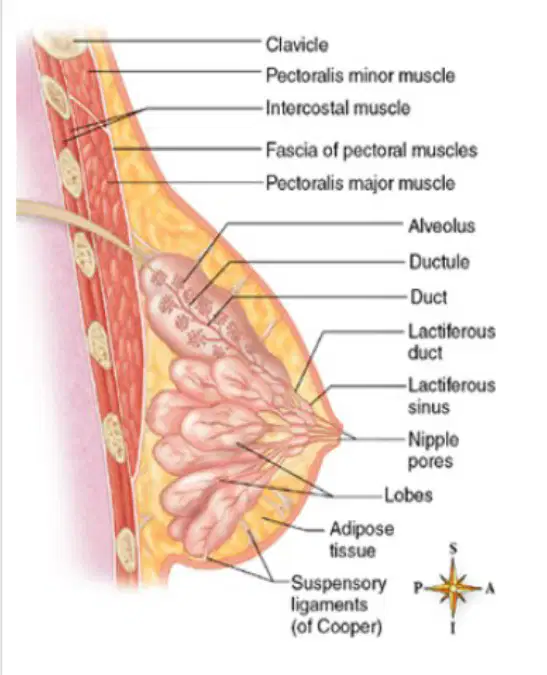
What is the colored surface area around the nipple called?
Alveolus
Areola
Ductule
Lobes
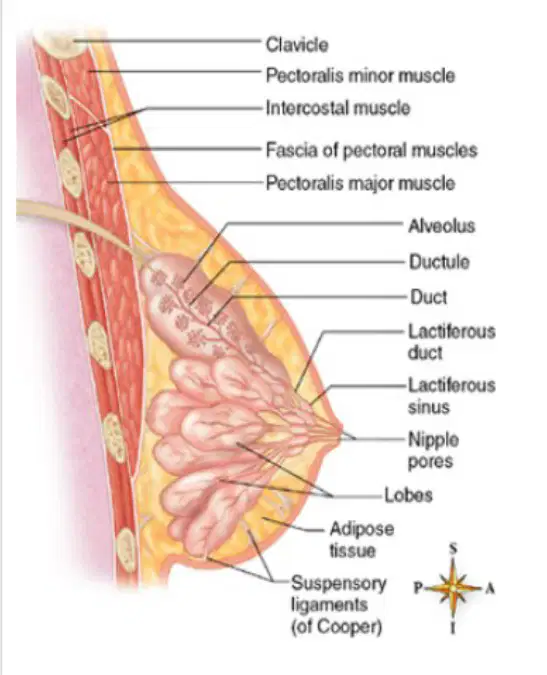
What type of glands are areolar glands?
Sweat glands
Sebaceous glands
Endocrine glands
Salivary glands
What is the typical length of a menstrual cycle?
About 14 days
About 21 days
About 28 days
About 35 days
During which phase of the menstrual cycle does ovulation occur?
Menses
Proliferative phase
Secretory phase
None of the above
What is the first menstrual period called?
Menopause
Menarche
Ovulation
Proliferation
During which period is a woman most fertile?
1-2 days before ovulation
3-5 days before and no later than 24 hours after ovulation
5-7 days after ovulation
10-12 days after ovulation

