
 Worksheets
HS 1 - 1.01
Total questions: 28
Worksheet time: 14mins
What are tissues composed of?
Cells grouped by size, shape, and function
Molecules grouped by color and texture
Atoms grouped by weight and density
Proteins grouped by type and structure
Which of the following is NOT a type of tissue?
Epithelial
Connective
Muscle
Skeletal
How many types of tissues are mentioned?
Two
Three
Four
Five
Which type of connective tissue stores fat cells?
Cartilage
Tendons
Adipose
Ligaments
What is the characteristic of cartilage?
It is rigid and inflexible
It is firm and flexible
It is soft and elastic
It is brittle and fragile
What do tendons connect?
Bone to bone
Muscle to muscle
Muscle to bone
Organ to organ
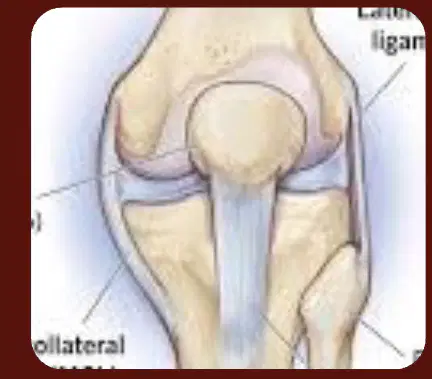
What is the role of ligaments in the body?
To store fat
To connect muscle to bone
To connect bone to bone
To produce blood cells
Which type of muscle tissue is striated and voluntary?
Skeletal muscle
Smooth muscle
Cardiac muscle
Connective tissue
What is the primary function of smooth muscle tissue?
Movement of the skeleton
Contraction of the heart
Movement in various body systems
Protection of internal organs
Where is cardiac muscle tissue found?
In the digestive system
Attached to the skeleton
In the heart
In the respiratory system
What is the primary function of the Skeletal System?
Transporting blood and nutrients
Supporting structure with bones and joints
Facilitating breathing and gas exchange
Defending against infections
Which system is responsible for enabling movement and posture?
Circulatory System
Lymphatic System
Muscular System
Respiratory System
What does the Circulatory System primarily transport?
Oxygen and carbon dioxide
Blood and nutrients
Hormones and enzymes
Waste products
Which system helps in defending against infections and maintaining fluid balance?
Skeletal System
Muscular System
Lymphatic System
Respiratory System
What is the main role of the Respiratory System?
Supporting body structure
Enabling movement
Facilitating breathing and gas exchange
Transporting nutrients

What is the primary function of the skeletal system?
To produce hormones
To support and protect the body
To digest food
To circulate blood
Which of the following organs are part of the skeletal system?
Heart and lungs
Brain and nerves
Bones and joints
Muscles and tendons

What are the primary functions of the skeletal system?
Digestion and absorption
Structure, support, protection, and movement
Circulation and respiration
Hormone production and regulation
Which components make up the skeletal system?
Muscles and tendons
Bones, cartilage, and ligaments
Skin and hair
Nerves and blood vessels

What are the primary functions of the muscular system?
Movement, heat production, protection
Digestion, circulation, respiration
Sensory perception, balance, coordination
Hormone production, immune response, detoxification
What type of muscle is primarily involved in the muscular system?
Cardiac muscle
Smooth muscle
Skeletal muscle
Involuntary muscle
Which components work together in the circulatory system to maintain overall health?
Heart, blood vessels, and blood
Lungs, liver, and kidneys
Muscles, bones, and skin
Brain, nerves, and spinal cord
Which of the following organs is part of the circulatory system?
Lungs
Heart
Stomach
Kidneys
What is the primary function of the Lymphatic System?
Supports immune function and fluid balance
Controls all body functions
Involves organs responsible for perception
Regulates glucose and hormonal balance
What does the Endocrine System regulate?
Immune function
Sensory perception
Glucose, fluid, and hormonal balance
Lymphatic fluid

Which of the following organs is NOT part of the respiratory system?
Mouth
Stomach
Larynx
Trachea
What can the human brain generate enough electricity to power?
A refrigerator
A small light bulb
A television
A computer
How many bones does the average adult have?
270
250
206
300

