
 Worksheets
MTL2 Site Prep learning Outcome 2
Total questions: 50
Worksheet time: 26mins
Copper Tube is manufactured to What British standard
BSEN 1057
BSEN 1010
BSEN 5710
BSEN 6974
R220 Copper tube is ?
Hard
Medium
Soft
R290 Copper tube is ?
Hard
Medium
Soft
Which Copper tube is best for bending and is the most commonly used?
R220
R250
R290
What does LCS stand for?
Light Copper Systems
Light Carbon Steel
Low Copper Systems
Low Carbon Steel
Light grade LCS is?
Brown
Blue
Red
Purple
Medium grade LCS is?
Brown
Blue
Red
Purple
Heavy grade LCS is?
Brown
Blue
Red
Purple
Is LCS Sizes in ?
Metric
Imperial
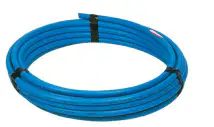
Which type of plastic pressure pipe is commonly used for mains cold water and is colored blue?
Polybutylene
High Density Polyethylene (HDPE)
Medium Density Polyethylene (MDPE)
PVCu
Why should MDPE pipe not be used for above ground installations?
It degrades under ultraviolet light
It corrodes easily
It is too rigid
It is not compatible with compression fittings
What feature of polybutylene pipe makes it suitable for central heating systems?
It is solvent welded for extra strength
it is colored yellow for easy identification
It has a smooth internal bore and high resistance to scaling
It is micro-porous and allows air infiltration
Which plastic sanitary pipe material cannot be solvent welded and is typically joined using push-fit or compression fittings?
PVCu
ABS
Polypropylene
PVCmu
What is the main advantage of PVCmu over PVCu in sanitary systems?
t is colored for easy identification
It performs better at high temperatures and is more durable
It is more resistant to ultraviolet light
It is compatible with copper fittings
Which plastic pipe is used for mains cold water until the mid-1980s and is available in grades A, B, C, and D?
HDPE
MDPE
ABS
Polybutylene
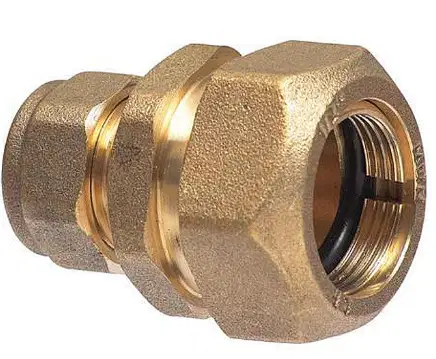
What is this fitting?
Compression
Lead Lock
Soldered
Press fit
What is a Lead lock used for
Convert Lead to Copper
Join Lead together
Lock lead in place
Seal Lead joints
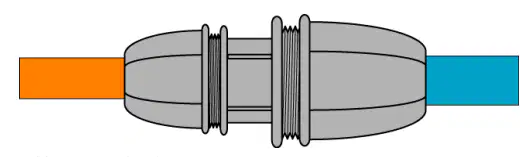
What type of fitting is this?
Philmac
Leadlock
Compression
Push fit
Which component in a Lead Lock fitting prevents the lead pipe from pulling out of the joint?
Friction ring
Compression nut
Copper grab ring
Copper olive
Why is it important to identify the size/weight of a lead pipe before purchasing a Lead Lock fitting?
To ensure the pipe is round
To match the fitting to the correct pipe dimensions
To prevent galvanic corrosion
To avoid over-tightening the fitting
What is one advantage of using a Philmac Universal Transition Coupling over a Lead Lock fitting?
It is made entirely of brass
It requires disassembly before installation
It avoids galvanic action
It only fits one specific pipe size
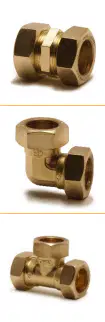
What type of fittings are these?
Compression
Capillary End Feed
Capillary integral solder ring
Press fit
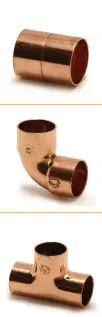
What type of fittings are these?
Compression
Capillary End Feed
Capillary integral solder ring
Press fit
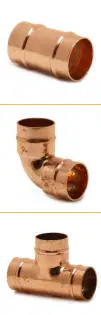
What type of fittings are these?
Compression
Capillary End Feed
Capillary integral solder ring
Press fit
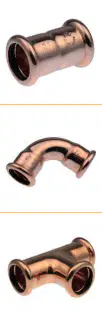
What type of fittings are these?
Compression
Capillary End Feed
Capillary integral solder ring
Press fit
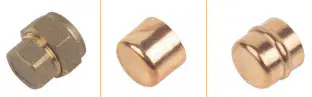
What type of fittings are these?
Cap/Stop ends
Plugs
Inserts
Blockers
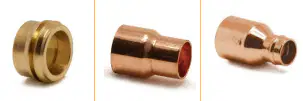
What type of fittings are these?
Cap/Stop ends
Reducers
Adaptor
Step downs
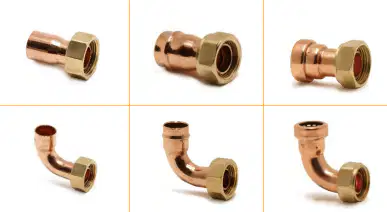
What type of fittings are these?
Cap/Stop ends
Reducers
Tap Connectors
Male iron

What type of fittings are these?
Tank Connectors
Reducers
Tap Connectors
Male iron
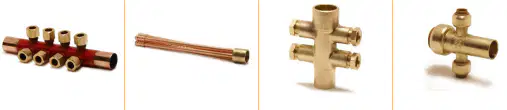
What type of fittings are these?
Tank Connectors
Reducers
Tap Connectors
Manifold
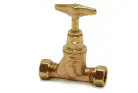
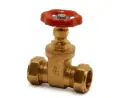
What type of Valves are these?
Stop tap
Gate valves
Service valves
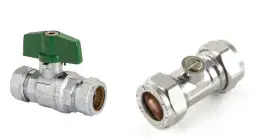
What type of Valves are these?
Stop tap
Gate valves
Service valves
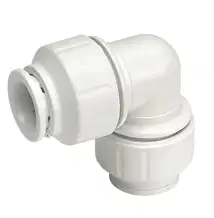
What type of Valves are these?
Stop tap
Gate valves
Service valves
What type of fitting is this ?
Plastic push fit ? Speed fit
Compression
Press fit
What should you put in to plastic pressure pipework before installing the fitting?
(a)
Which of the following copper jointing methods requires the plumber to apply solder manually?
Integral solder ring
End feed
Compression Type A
Push-fit
What is the main purpose of flux during the soldering process?
To cool the copper tube
To prevent the pipe from bending
To remove surface oxides and assist solder flow
To seal the joint without solder
According to the Water Supply (Water Fittings) Regulations 1999, which type of solder must be used for hot and cold water supply systems?
Lead-based solder
Lead-free solder
Tin-lead solder
Zinc-based solder
What is the main difference between Type A and Type B compression fittings?
Type A requires jointing paste, while Type B does not
Type A does not require manipulation of the copper tube, while Type B does
Type A fittings are used for gas only
Type B fittings are made of plastic
Why should a pipe cutter not be used when preparing copper tube for a Type B manipulative fitting?
It leaves sharp edges
It reduces the internal bore, making swaging difficult
It causes the tube to crack
It removes the protective coating
What two components are essential for creating a watertight seal in a push-fit fitting?
TFE tape and flux
Compression nut and olive
Stainless-steel grab ring and neoprene rubber ‘O’ ring
Solder and flux
Why should a hacksaw not be used when preparing copper tube for a push-fit fitting?
It makes the tube too short
It causes the tube to bend
It may damage the rubber sealing ring due to rough edges
It removes the protective coating
Which type of press-fit fitting is suitable for gas installations?
Fittings with a red ‘O’ ring
Fittings with a yellow ‘O’ ring
Fittings with a stainless-steel body
Fittings with a compression nut
What is the main difference between tapered and parallel threads on LCS pipes?
Tapered threads are used only for plastic fittings
Parallel threads tighten more as they are screwed in
Tapered threads narrow and tighten with depth; parallel threads remain uniform
Parallel threads are more likely to cause fractures
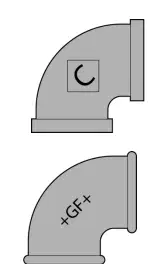
Which type of fitting is more resistant to splitting when overtightened?
Blackheart fittings
Whiteheart fittings
Brass compression fittings
Copper push-fit fittings
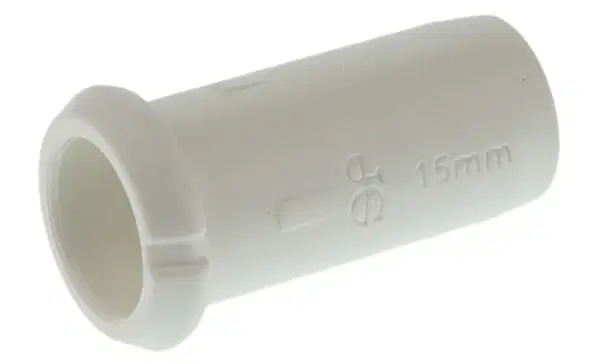
Why is a pipe insert required when using push-fit fittings on plastic pressure pipes?
To prevent corrosion
To reduce water pressure
To reinforce the soft pipe wall and prevent pull-off
To improve water flow
What is the main function of solvent weld cement in PVCu and ABS pipe jointing?
To lubricate the pipe for easier insertion
To seal the joint with a rubber ring
To melt and fuse the pipe and fitting surfaces together
To prevent corrosion of the pipe
Why should washing-up liquid not be used as a lubricant for push-fit joints?
It makes the pipe too slippery
It corrodes the rubber seal and restricts movement
It causes the pipe to expand
It reacts with the plastic pipe
Which type of plastic waste pipe cannot be solvent welded?
PVCu
ABS
Polypropylene
muPVC
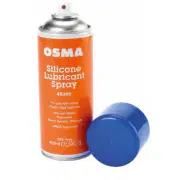
Lubricant should be used on what fittings
Push fit Soil/waste pipe and fittings
Compression
Solvent soil/waste Pipe and Fittings
Press fit

