
 Worksheets
Materials
Total questions: 50
Worksheet time: 25mins
Ferrous metals contain which element?
Copper
Iron
Aluminum
Zinc
How can ferrous metals be identified?
By their color
By their weight
By using a magnet
By their sound
Steel contains iron and is used in _______ and some baths.
radiators
curtains
carpets
bookshelves
Ferrous metals can corrode easily if not protected and will form rust as a result.
True
False
Non ferrous metals do not rust, but can ______ over time.
corrode
melt
freeze
evaporate
List any three examples of non ferrous metals mentioned in the passage.
Copper, Aluminium, Zinc
Iron, Nickel, Lead
Tin, Steel, Brass
Gold, Silver, Iron
BRASS is a mixture of ______ and zinc.
copper
iron
aluminium
silver
BRONZE is a mixture of copper and ______.
tin
iron
zinc
lead
STEEL is a mixture of iron and ______.
carbon
hydrogen
oxygen
nitrogen
Match the following alloys with their components:
copper + tin
3
iron + carbon
1
copper + zinc
2
Plastics are used by plumbers for which of the following purposes?
Hot and cold water supplies
Central heating pipework
Guttering
Above ground drainage pipe
Electrical wiring
Fill in the blank: Plumbers use plastics for ________ and cold water supplies.
hot
waste
rain
drain
Fill in the blank: Plastics are commonly used in ________ heating pipework by plumbers.
central
solar
underfloor
radiant
Fill in the blank: One of the uses of plastics in plumbing is for ________, which helps direct rainwater away from buildings.
guttering
flooring
insulation
tiling
Fill in the blank: Plumbers use plastics for above ground ________ pipe.
drainage
supply
ventilation
heating
The two basic types of plastics are:
Thermoplastics and Thermosetting plastics
Polyesters and Polyamides
Elastomers and Fibers
Nylons and Polyethylenes
Thermoplastics can become ______ when heated and hard when cooled.
liquid
solid
powder
gas
Thermoplastics can be recycled.
True
False
What happens to thermoplastics when they are frozen?
They become flexible
They become brittle and can fracture
They melt
They become sticky
PVCu is used in ________ installations, gutterings and above ground drainage pipes.
cold water
hot water
gas
electrical
MDPE is used for ________ cold water mains pipes.
underground
overhead
internal
exposed
Polypropylene is used to make cold water storage cistern and ________ ground drainage pipes.
above
below
inside
across
Polybutylene is used for hot, cold and ________ heating pipes.
central
side
roof
floor
ABS is used for commercial cold water and above ground ________ pipes.
drainage
gas
ventilation
electrical
What is a thermosetting plastic?
These are more rigid plastics which once heated and cooled cannot be re-heated.
These are plastics that can be melted and reshaped multiple times.
These are plastics that dissolve in water.
These are plastics that conduct electricity.
Which of the following is a common thermosetting plastic used to manufacture light switches and plug sockets?
Polyethylene
Bakelite
PVC
Nylon
Thermosetting plastics can be reheated and reshaped after they have been set.
True
False
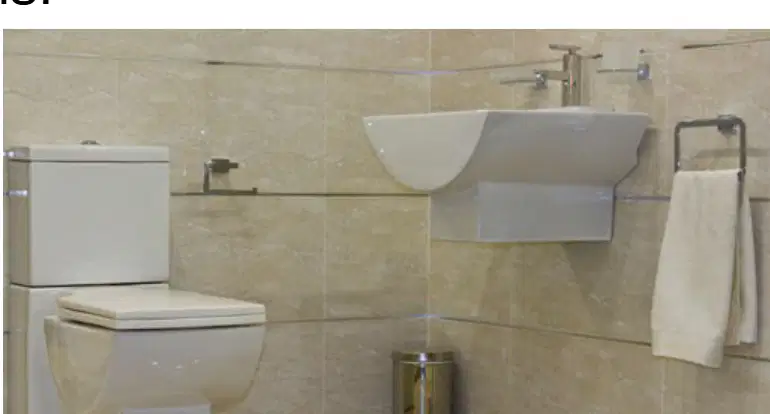
Ceramics are mainly used in which of the following?
Furniture
Sanitary appliances and tiles
Clothing
Electronics
Ceramics offer a ______ surface which is easily cleaned.
smooth
rough
sticky
porous
Which property makes ceramics suitable for sanitary appliances and tiles?
Flexibility
Hardness
Transparency
Elasticity
Viteous china uses a clay material with an _______ surface, and is used to manufacture bathroom appliances.
enamelled
rough
matte
porous
Fireclay uses a clay and _______ surface and is used to produce heavy duty appliances that are at greater risk of damage, like shower trays and sinks.
enamelled
plastic
wooden
glass
Ceramic tiles use a clay and _______ surface to offer a finish to floors and walls.
coloured
metallic
wooden
plastic
Fill in the blank: The property of a material that refers to its ability to withstand tensile, compressive, and shear forces is called _________
Strength
Elasticity
Ductility
Hardness
Fill in the blank: The property of a material that measures its resistance to deformation or scratching is called _________.
Hardness
Elasticity
Ductility
Malleability
Fill in the blank: The property of a material that allows it to be drawn into wires is called _________.
Ductility
Malleability
Brittleness
Elasticity
Fill in the blank: The property of a material that allows it to be hammered or rolled into thin sheets is called _________.
Malleability
Ductility
Elasticity
Brittleness
Fill in the blank: The property of a material that enables it to conduct electricity or heat is called _________.
Conductivity
Elasticity
Density
Malleability
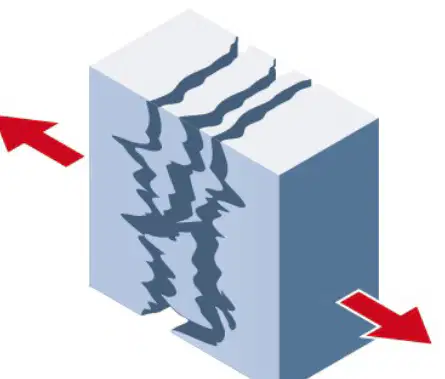
What is tensile strength?
A measure of how well or badly a material reacts to being pulled or stretched
A measure of how well a material conducts electricity
A measure of a material's color
A measure of a material's temperature
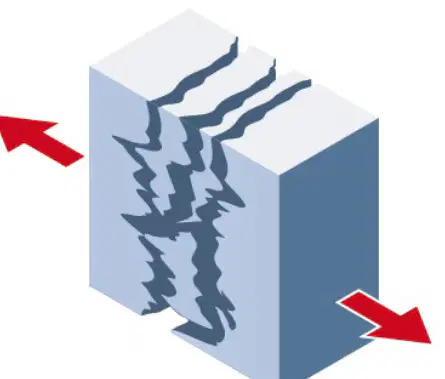
Fill in the blank: The tensile strength of a material is a measure of how well or badly it reacts to being ______ or _______.
pulled, stretched
bent, twisted
heated, cooled
compressed, expanded
Some materials will snap, some may stretch before breaking.
True
False
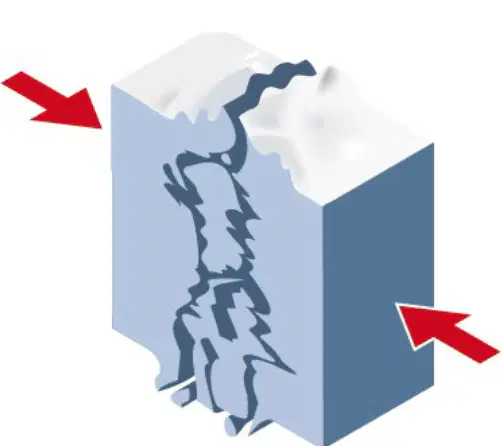
Strength: The compressive strength is a measure of how much force a material can cope with before being ________.
crushed
stretched
heated
painted
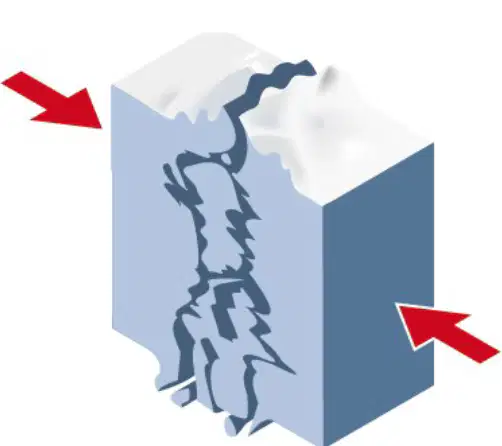
What does compressive strength measure?
The ability of a material to stretch
The amount of force a material can cope with before being crushed
The weight of a material
The temperature at which a material melts
According to the passage, what are two possible outcomes when a material is subjected to compressive strength?
Some materials will shatter, some may distort.
All materials will melt instantly.
Materials will always expand in size.
No change will occur in any material.

Strength: The ________ of a material is a measure of how a material can withstand two opposing forces acting in parallel lines – like a pair of scissors.
shear strength
tensile strength
compressive strength
flexural strength
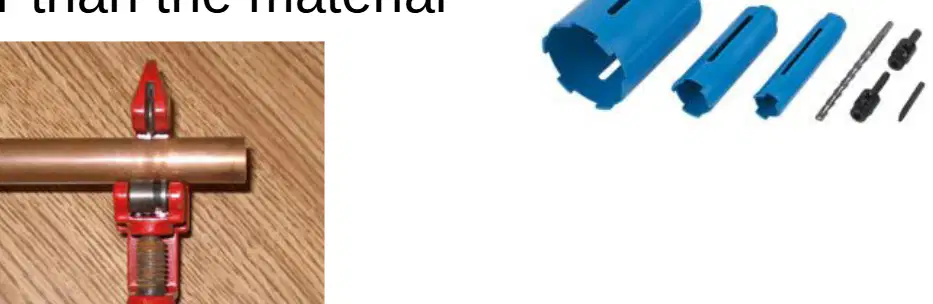
What is the property in a material that resists bending, scratching, abrasion, or cutting?
Hardness
Flexibility
Conductivity
Elasticity
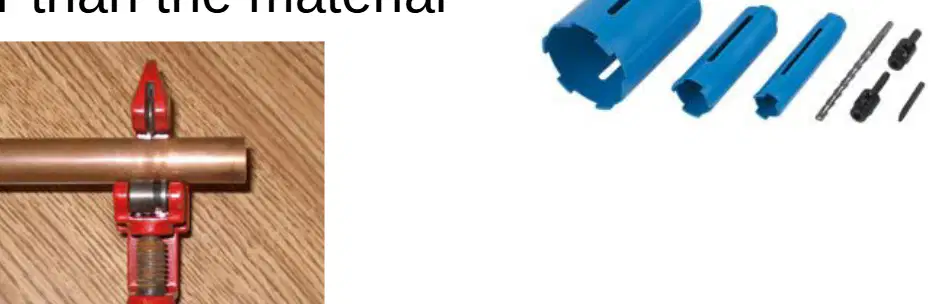
Fill in the blank: A _______ is the hardest material known and is used by plumbers to cut holes in masonry.
diamond
graphite
sandstone
marble
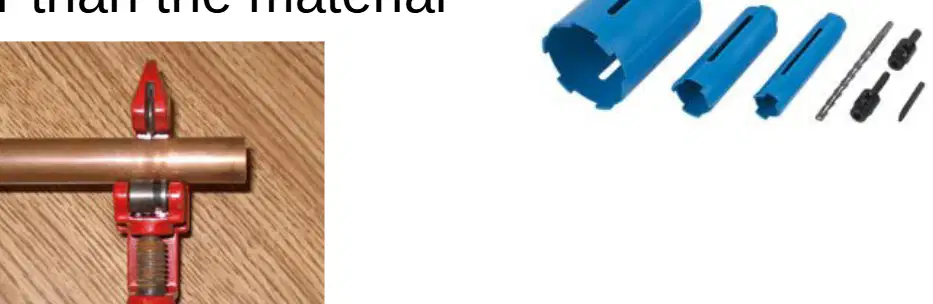
According to the passage, the material doing the cutting needs to be _______ than the material being cut.
harder
softer
lighter
thicker
Ductility: This is a property of a material that describes how much a material can be pulled, pushed, stretched and deformed without _________.
breaking
melting
rusting
shrinking
If a material can be hammered, bossed, rolled or pressed into shape without breaking, it is called:
Brittle
Malleable
Magnetic
Elastic

