
 Worksheets
Part 2 - Budget and Saving ?'s 1-35 part 2
Total questions: 35
Worksheet time: 2hrs 23mins

How is wealth defined?
How much money you have in your Checking and Saving accounts
Debts - Assets
All assets, including money in the bank + retirment
Assets - Debts

Which is NOT a typical goal for a savings account?
To create an emergency fund
To pay for higher education
To save for a new car
To buy groceries for this week
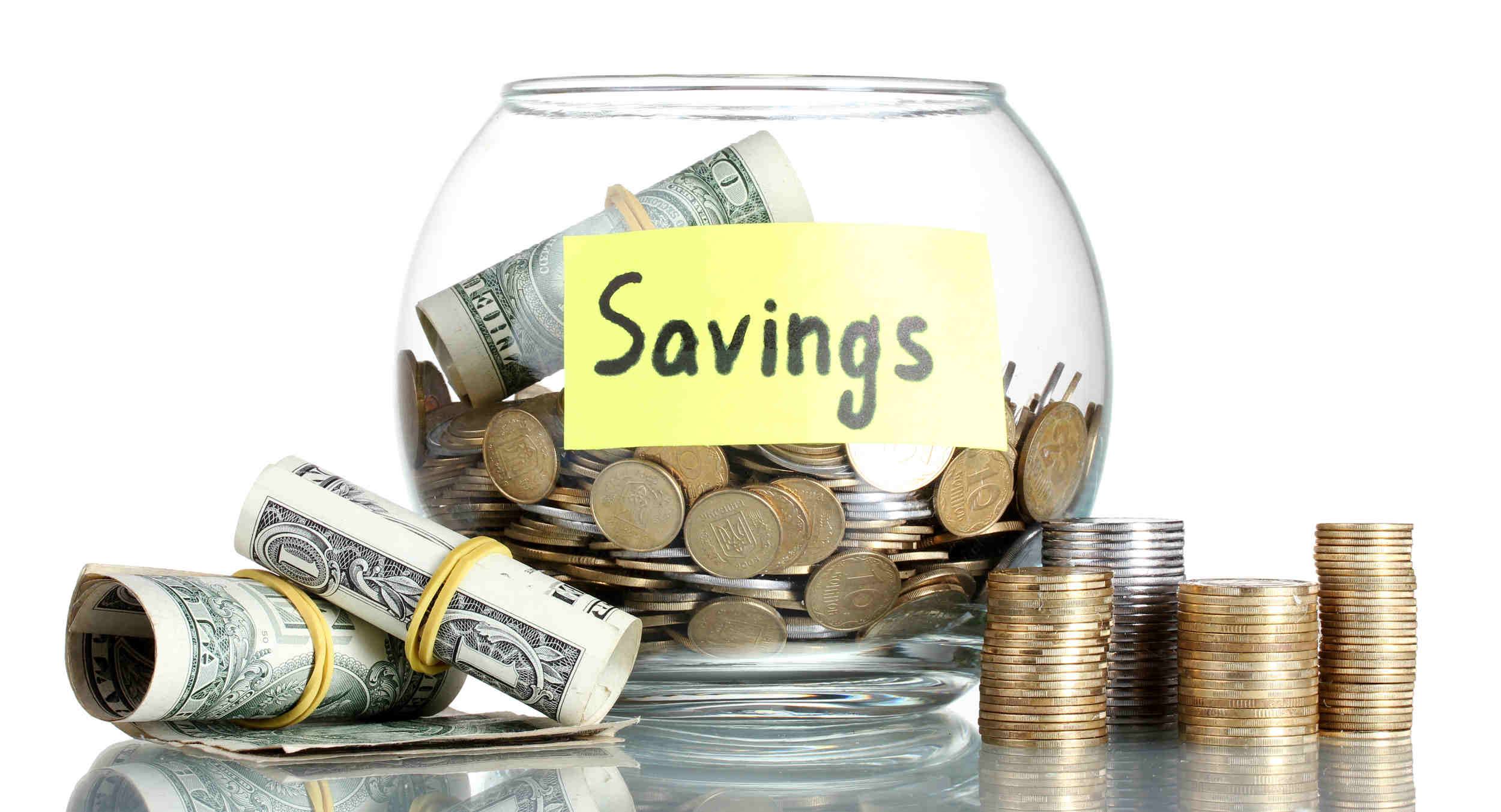
What is a general rule of thumb on how much you should save?
5% of your income
10% of your income
20% of your income
30% of your income
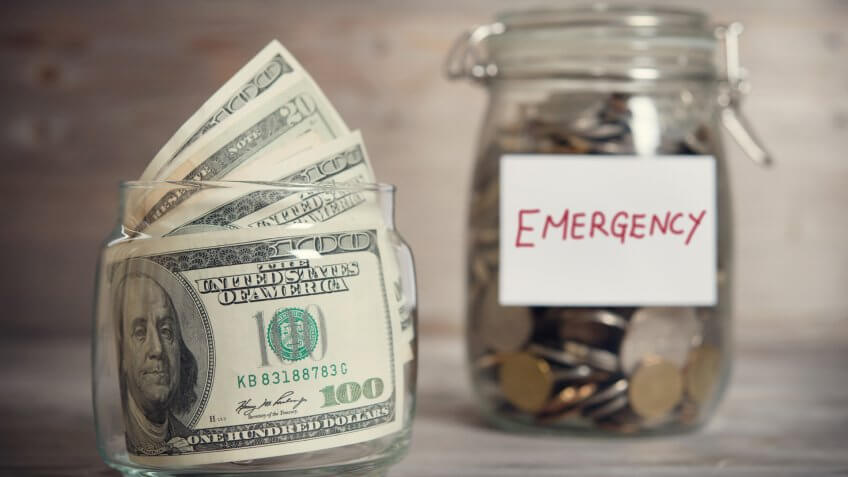
About how much should you save in an emergency fund?
1-3 months of living expenses
3-6 months of living expenses
6-9 months of living expenses
9-12 months of living expenses
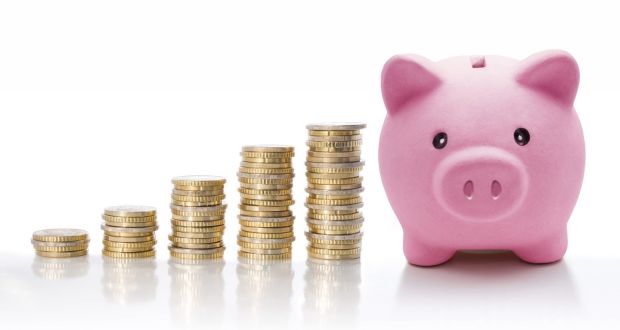
What is a good strategy to help you save?
1st, spend money on all expenses; put the rest into saving
Tap into your savings on a regular basis to purchase small items, like snacks
Pay yourself first - set aside money for savings each month
Keep your spending and saving money together in 1 account
What is a reason for why so many Americans live paycheck-to-paycheck?
Many people are paying themselves first and then spending
Many people only buy what they NEED, not what they WANT
Many people impulse shop
Many people spend within their budget
How does the 50-20-30 rule distribute your income?
50% expenses, 20% flexible spending, 30% saving
50% expenses, 20% saving, 30% flexible spending
50% flexible spending, 20% saving, 30% expenses
50% saving, 20% flexible spending, 30% expenses
How is compound interest different than simple interest?
It is simple interest - interest earned on that interest
It is double the simple interest earned on an investment
It is simple interest + interest earned on that interest
It's not different; they are one and the same
Assuming a rate of growth of 8%, in how many years will your $ double?
3 years
6 years
9 years
12 years
Juan saved $1,000 from his summer job cleaning pools. Which of these savings vehicles would work best for him if he doesn't need access to the money for a number of years AND wanted to earn the highest interest rate?
Regular savings account
Money Market account
Checking account
Certificate of Deposit
Which of the following is an effective strategy for personal saving?
Wait until the end of the month and save whatever is left in your checking account
Save a certain percentage of each paycheck and deposit it directly into a savings account
Cover all of your wants and needs and save whatever is left over
Take out a payday loan so you can save before you receive your paycheck
Which of the following statements about banks is FALSE?
If it is FDIC-insured, your money is safe even if the bank fails
Many banks pay interest on the money you deposit with them
Historically, savings accounts earn higher returns than investments in the stock market
Money in a bank is usually easy to access via ATM, debit card or check
You are developing a savings plan and using short-, medium-, and long-term goals to motivate you. Which represents possible goals from short-term to long-term? Save for…
Retirement, a house down payment, college tuition
A new cell phone, college tuition, a house down payment
A new cell phone, dinner with friends this weekend, a new bike
Retirement, college tuition, a vacation
Fill in the blanks with the correct responses. If you follow the 50-20-30 rule of budgeting, you'll be putting 50% of your monthly income toward _______________, 20% of your monthly income toward _____________, and 30% of your monthly income toward ______________.
Needs, wants, savings
Savings, needs, wants
Needs, savings, wants
Wants, needs, savings
Which statement best describes the difference between saving and investing?
Saving is done with small amounts of money, and investing is done with large amounts of money
Saving protects your money from inflation while investing does not protect your money from inflation
Saving is for low-income people, while investing is for rich people
Saving goes into an FDIC insured bank while investing typically goes into stock or bond markets
Which represents the best time to start saving for your retirement?
As soon as you graduate and have your first full-time job
Right after you pay off your student loans
Once you are debt-free, including paying off all credit cards, auto loans, and your mortgage
At age 45, so you have exactly 20 years until retirement
Which of the following statements is TRUE?
The majority of Americans have an adequate emergency fund.
The majority of Americans have sufficient amounts of money saved for retirement.
The majority of Americans have an adequate emergency fund, but do NOT have sufficient amounts of money saved for retirement.
The majority of Americans do NOT have an adequate emergency fund or sufficient amounts of money saved for retirement.
Why is investing a better option than saving when it comes to planning for retirement?
Investing usually has lower interest rates, so it offers a better deal
Investing is guaranteed to produce the large sum of money needed for a happy retirement
Investing begins as soon as you open a bank account, so you can start early in life
The stock market historically has returns higher than the rate of inflation, so your money can actually grow
Experts recommend that you accumulate enough to cover 3 to 6 __________________ of expenses in your emergency fund.
Days
Weeks
Months
Years
What is meant by the term “impulse shopping?”
Comparison shopping for more expensive items while doing less work to compare cheaper products
Buying an item without giving it much thought, maybe because it’s on sale or you see it and simply love it
Using your emergency fund, rather than your checking account, to make a purchase
Shopping online instead of in stores
Which of these is an example of "Keeping up with the Joneses?"
Buying new sneakers the day they come out, because you know others in your class will have them, too
Applying to the top colleges, to see if you'll get accepted & what financial aid packages they'll offer
Saving for retirement as soon as you graduate college, to take advantage of compounding interest
Buying plane tickets for vacation well in advance so that you'll benefit from cheaper prices
You overhear your Aunt Tina tell your mom that she, her husband, and their kids are "living paycheck to paycheck." What does Aunt Tina mean by that?
Aunt Tina gets a paycheck one month, and her husband gets a paycheck the next month; they alternate pay periods
Aunt Tina and her family don't have any money saved, and their paychecks are just barely covering monthly expenses, so they use every dollar every month
Aunt Tina and her family have high paying jobs and don’t worry much about money
Aunt Tina uses her paychecks as income to deposit into her checking and savings accounts
How can you access your money from your checking account?
Online Transfer
Debit Card
Write a check
None of these
Which is NOT a question to determine if something is actually an emergency?
Is it unexpected?
Is it urgent?
Is it necessary?
Is it good value?
What two elements do you need to build wealth through growth?
Inheritance and a lawyer
Money invested and good stocks
Money invested and time
Time and a wealthy relative
______% of Americans would have to go into debt to cover a $400 financial emergency.
35
40
45
50
1) What should you consider when choosing a savings account?
How much are the interest rate and fees?
Is this your family bank?
Do your teachers use this bank?
Does your favorite singer use this bank?
2) "Pay yourself first"? means...
Pay your credit card bill before your cell phone bill.
.Any time you get paid, set aside some portion to save before you do any spending
Buy what you want and save the rest
Loan money to friends and family, then save 20% of the rest.
4) Arnold typically walks 10 dogs per month and earns $20 per walk. He spends money throughout the month on things like snacks, tickets to high school football and basketball games, and new video games. Somehow, he ends every month with only a few dollars left. Which behavior change is MOST likely to help Arnold save more money?
Spend less time cutting grass and more time saving money
Ask his parents for an allowance and try to save that money instead
Spend money on a better lawn mower so he can cut more grass
Before he spends, set aside $5 to save out of every $20 payment
15) Why is compound interest better than simple interest when saving money?
Actually, simple interest is better because you earn more interest.
When you earn compound interest, the bank doesn't charge any bank fees
When earning compound interest, your credit score increases
When you earn compound interest, you earn interest on both the principal and any interest you've already earned
The power of compound interest works BEST the longer an investment is allowed to grow
True
False
Which is a saving strategy where you put a fixed amount of money into a savings account immediately after receiving your paycheck instead of seeing what is left after paying for needs and wants?
50/20/30 Rule
Pay Yourself First
Medicaid
Income Taxes

Your friend's parents are worried about going over their budget for the month. Which expense would you suggest is NOT a need?
Rent payment
Car Insurance
Cable service
Groceries
Which of these can help you save money?
Budgeting money
Increasing income
Reducing expenses
All of the above
An automatic electronic deposit of net pay to an employee's designated bank account
Rule of 72
Direct Deposit
Certificate of Deposit (CD)
Federal Deposit Insurance Corporation (FDIC)

