
 Worksheets
Data Test
Total questions: 40
Worksheet time: 29mins
What was one reason Spam became popular in Hawai'i during World War II?
It was a traditional Hawaiian food
It was easy to transport and store
It was made from local ingredients
It was used as currency
Which of the following is a qualitative observation?
The musubi smells savory
The Spam slice is 1 cm thick
The pan temperature is 150 °C
The rice block weighs 200 grams
Lono is making musubi and observes different things about the ingredients. Which of the following is a quantitative observation?
The rice feels sticky
The nori looks dark green
The musubi weighs 120 grams
The Spam is salty
Why should students wash hands before starting the Spam musubi lab?
To prevent contamination
To make the food taste better
To follow school rules
To avoid sticky rice
What safety equipment is most important when using a hot pan?
Safety goggles
Apron
Face mask
Heat-resistant gloves
What does qualitative data help scientists understand?
Details and descriptions
Exact measurements
Chemical formulas
Numerical trends
What does quantitative data help scientists measure?
Numbers and measurements
Opinions
Colors
Feelings
Which of the following is a safe lab practice?
Wearing sandals in the lab
Using clean tools and surfaces
Leaving backpacks on the lab bench
Tasting ingredients before measuring
Which of the following is NOT a lab safety rule?
Wear closed-toe shoes
Keep long hair tied back
Use equipment properly
Eat food during the lab
What type of data is “7 million cans of Spam sold annually in Hawai‘i”?
Descriptive
Qualitative
Subjective
Quantitative
Why is it important to record observations during a lab?
To understand results and patterns
To help with grading
To make the lab longer
To impress the teacher
What is the approximate caloric value of one standard serving (about 2 oz or 56g) of Spam Classic?
90 calories
176 calories
250 calories
315 calories
What is the main goal of environmental science?
To increase industrial production and global trade
To study ancient civilizations and their farming methods
To balance human needs with the health of the planet
To eliminate all human impact on nature
Observations using description is an example of
quantitative data
hypothesis data
qualitative data
number data
Which location has the highest per capita consumption of Spam, averaging 16 cans per person annually?
Hawaii
Guam
Philippines
USA
Which of the following is a qualitative observation?
15 inches
a liquid
a green solution
6 feet 1 inches
In which U.S. state is Spam most popular, with 1.4 million residents consuming about 7 million cans annually?
Guam
Hawaii
California
Vegas


Which of the following is a quantitative observation?
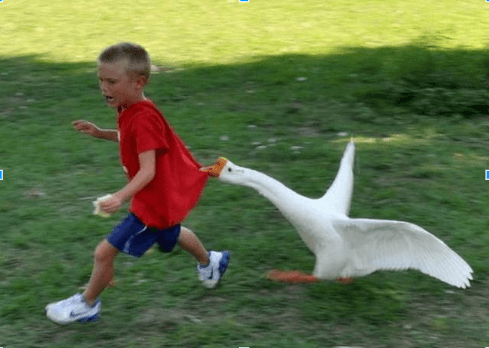
Which answers are QUANTITATIVE? Select all of the right answers.
There is one white goose.
The boy is really upset.
The goose looks scary,
The boy has 2 white sneakers.

Qualitative or Quantitative:
The cat has orange fur on his ears.

The potato weighs 174.95 gram is an example of a:
Inference
Qualitative Observation
Quantitative Observation
Average

Which of the following is an example of a quantitative observation about this photo?
There are 16 people in the classroom
The teacher is taller than the students
The room number is 1B
They are in art class

The rock has bands of black, white and grey is an example of this type of observation.
manipulated observations
quantitative observation
qualitative observation
operational observation

The notebook cover is blue and the pages are white. This is an example of _____________.
Qualitative observations
Hypothesis
Quantitative observations
Measurements

The Skittles are yellow, red and green is an example of _____.
qualitative observations
quantitative observations
hypothesis
measurements

Which is a QUANTITATIVE observation of the coins?
They have a length of 290 pixels.
They are circular
They are shiny/reflective
They are made of metal

Which of the following is a QUALITATIVE observation about the ball?
The ball is 6 cm long.
The ball has a mass of 100 grams.
The ball is black and white.
The ball might be used to play a game later.

There are two cars in the background.
qualitative observation
quantitative observation
inference
prediction

What is one qualitative observation you could make from the photo?
The boy is crying because he fell.
There is one (1) tree.
The boy is wearing a hat.
The boy has two (2) shoes on.
Observations that deal with a number or amount are called
qualitative
quantitative
Which of the following is a qualitative observation?
15 inches
a liquid
a green solution
6 feet 1 inches
What is an example of a qualitative observation?
Mass
Smelling perfume
Volume
Running a race


What is this scientist doing wrong?
smiling
eating in a lab
wearing glasses

No food in the lab
Open flame
Dispose of wrappers properly
Be careful to avoid explosions



