
 Worksheets
Anatomy and Physiology Quiz
Total questions: 30
Worksheet time: 15mins
What is the primary difference between anatomy and physiology?
Anatomy focuses on function, while physiology focuses on structure.
Anatomy is the study of structure, while physiology is the study of function.
Anatomy and physiology both study the same aspects of the body.
Physiology is the study of diseases, while anatomy is the study of health.
Which of the following best describes the scientific method?
A process of trial and error without any specific steps.
A systematic approach involving observation, hypothesis, experimentation, and conclusion.
A method used only in biology to study living organisms.
A random selection of experiments to prove a theory.
Why is the concept of variation important in anatomy and physiology?
It allows for the study of identical organisms.
It explains why all organisms are the same.
It helps understand the differences and adaptations in organisms.
It is not important in anatomy and physiology.
What is the primary focus of the images shown in the document?
Anatomy and Physiology
Chemistry and Physics
Botany and Zoology
Geology and Meteorology
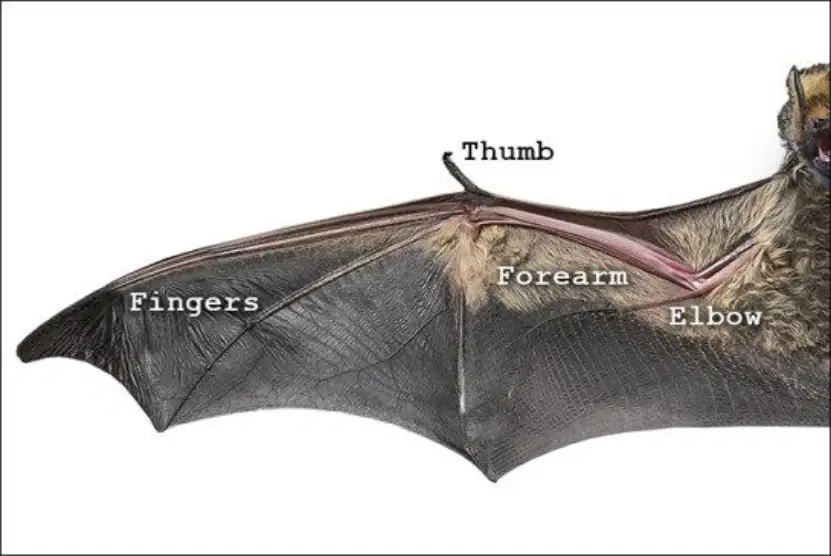
Which part is labeled on both the human hand and the bat wing in the images?
Thumb
Tail
Claw
Beak
Endocrinology is a sub-discipline of which scientific field?
Chemistry
Physiology
Physics
Geology
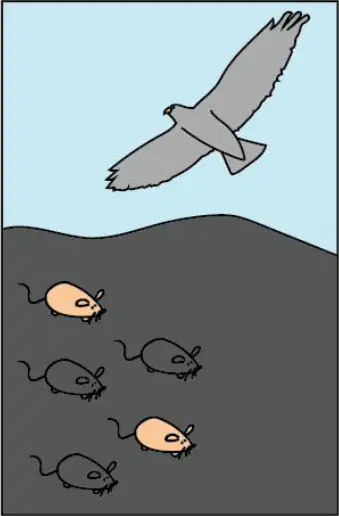
What is the main concept illustrated by the process where some mice are eaten by birds, and others reproduce to give the next generation?
Genetic Drift
Natural Selection
Artificial Selection
Gene Flow
What is one reason why we study evolution?
To increase genetic differences
To help choose animals for research
To eliminate medicinal derivatives
To reduce anatomy and physiology studies
Which of the following is an example of a medicinal derivative from evolution studies?
Antibiotics from frog skin
Painkillers from tree bark
Vitamins from fruits
Proteins from meat
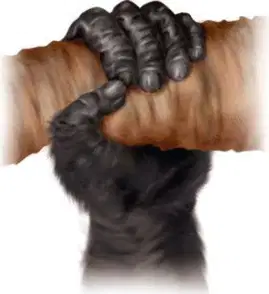
What is an example of a shared adaptation between humans and some primates?
Opposable thumbs
Wings
Gills
Hooves
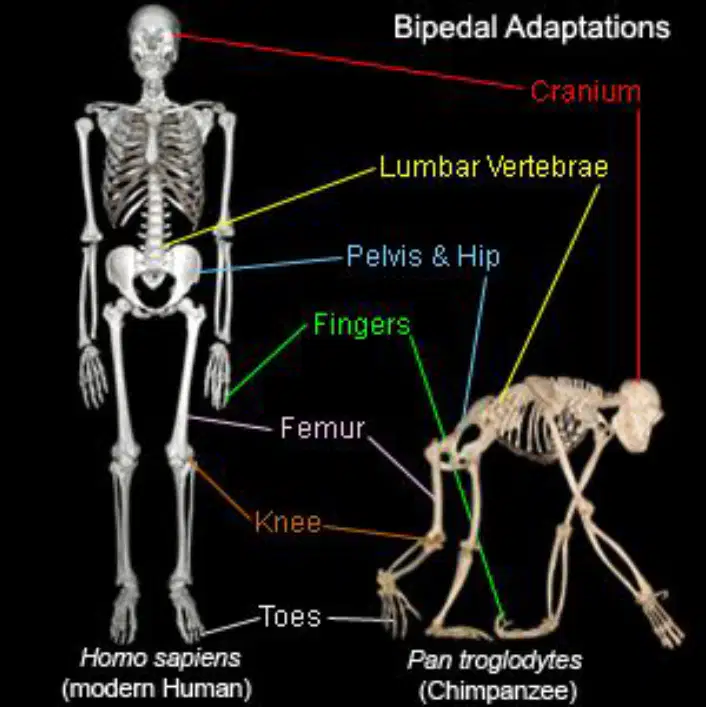
Which part of the skeleton is primarily modified for bipedalism?
Cranium
Pelvis & Hip
Fingers
Toes
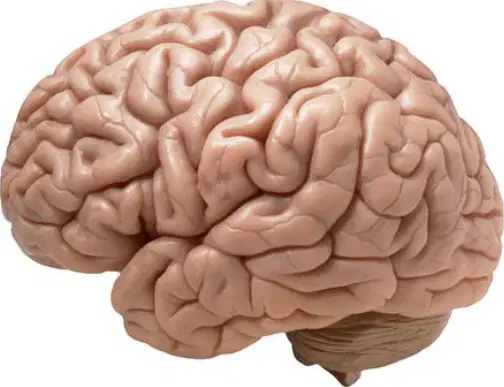
Which of the following species has the largest brain size and most complex folding?
Mouse
Macaque
Chimpanzee
Human
What is the simplest level of organization in the hierarchy of complexity?
Organism
Organ systems
Atoms
Tissues
Which of the following statements is true about human anatomical variation?
All humans have the same number of vertebrae.
No two humans are exactly alike.
All humans have identical organ placement.
All humans weigh the same at 22 years old.
What does the term "situs inversus" refer to in anatomical variation?
Increase in muscle mass
Decrease in organ size
Left/right reversal of organ organization
Increase in number of vertebrae
What is the average weight mentioned for a 22-year-old male in the document?
128 lbs
140 lbs
154 lbs
160 lbs
What is the primary function of homeostasis in the body?
To increase energy levels
To maintain stability in a dynamic environment
To enhance physical strength
To improve memory retention
Who noticed the body's ability to self-restore even without doctors?
Aristotle
Plato
Hippocrates
Socrates
What do built-in mechanisms in the body do to maintain homeostasis?
Increase body temperature
Detect change and activate mechanisms to oppose change
Enhance muscle growth
Improve digestion
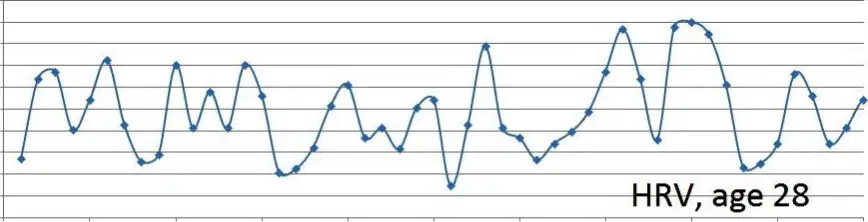
In what situations might the body not be able to compensate through homeostasis?
During mild exercise
In extreme cases
While sleeping
When eating
What is the term for the range of values around which internal conditions are maintained in the body?
Set point
Fixed point
Static equilibrium
Constant value
Which mechanism helps keep variables close to the set point by sensing changes and reversing their effects?
Positive feedback
Negative feedback
Neutral feedback
Cyclic feedback
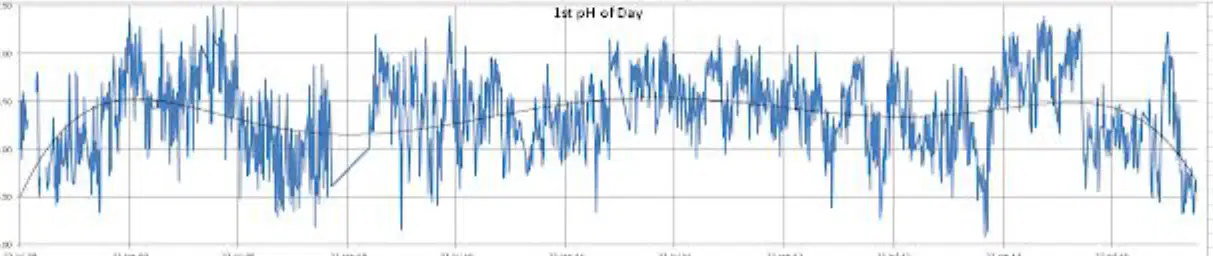
What is the typical range for blood pH in the human body?
6.35 – 6.45
7.35 – 7.45
8.35 – 8.45
9.35 – 9.45
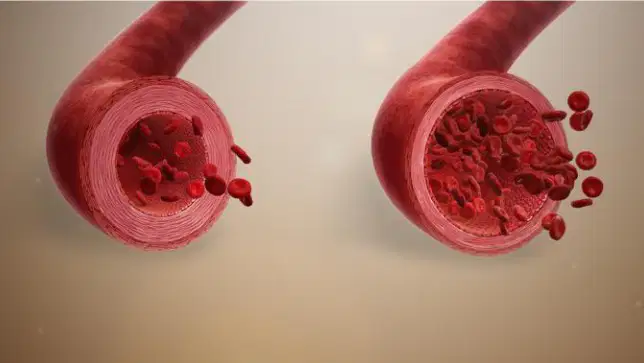
What happens to blood vessels when the body is too cold?
Vasodilation
Vasoconstriction
Sweating
Increased blood flow
If the body is still too cold after vasoconstriction, what is the next response?
Sweating
Shivering
Vasodilation
Increased heart rate
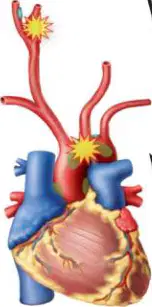
Which part of the body responds to a drop in blood pressure as shown in the diagram?
Heart
Brainstem
Baroreceptors above the heart
Cardiac center
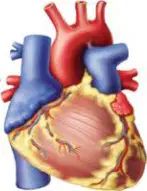
What action does the cardiac center take to restore homeostasis in blood pressure?
Decreases heartbeat
Sends signals to baroreceptors
Accelerates heartbeat
Drains blood from the upper body
What is the role of the receptor in a feedback mechanism?
It sends signals to the effector.
It processes information and makes decisions.
It detects changes in the environment.
It restores balance by acting on the stimulus.
In a feedback mechanism, what is the function of the integration center?
It detects changes in the environment.
It processes information and makes decisions.
It acts to restore balance.
It sends signals to the receptor.
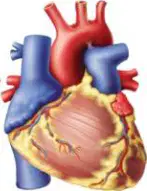
What is the role of the effector in a feedback mechanism?
It detects changes in the environment.
It processes information and makes decisions.
It acts to restore balance.
It sends signals to the integration center.

