
 Worksheets
HVACR Service Knowledge Quiz
Total questions: 30
Worksheet time: 15mins
How can a technician's appearance and conduct affect customer relations?
It has no effect on customer relations.
It can improve trust and satisfaction.
It only affects the speed of service.
It determines the cost of service.
What is a standard procedure for evaluating a problem in HVACR service?
Guessing the issue
Using a checklist
Asking the customer
Replacing parts randomly
What is the key to repeat customers in the HVACR industry?
Low prices
Customer satisfaction
Quick service
Free installation
What does servicing generally refer to in the HVACR industry?
Installing new systems
Repairing broken systems
Work performed on installed equipment
Designing HVACR systems
Which of the following is NOT a category of servicing in the HVACR industry?
Repair
Maintenance
Installation
Upgrades/system additions
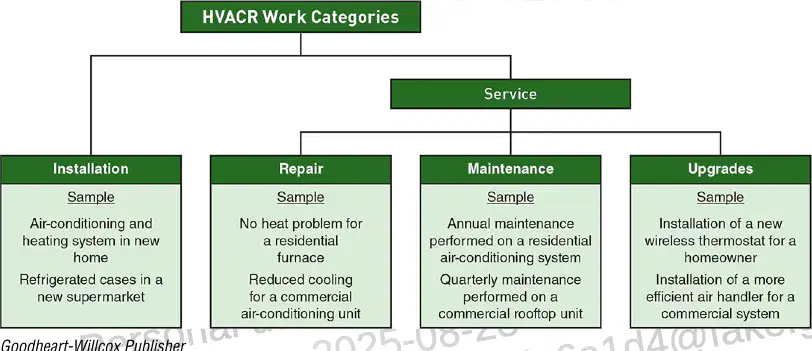
What is the purpose of maintenance in the HVACR industry?
To install new systems
To reduce the likelihood of future breakdowns
To design new HVACR systems
To increase energy consumption
What is the first step in the troubleshooting procedure?
Test system for proper operation
Repair the system
Customer interview
Initial inspection
Why is it important to test the system after a repair?
To ensure the system is still broken
To confirm the repair was successful
To identify new problems
To increase repair costs
Which step involves determining what is not functioning properly in the system?
Initial inspection
Repair
Identify system malfunction
Test system for proper operation
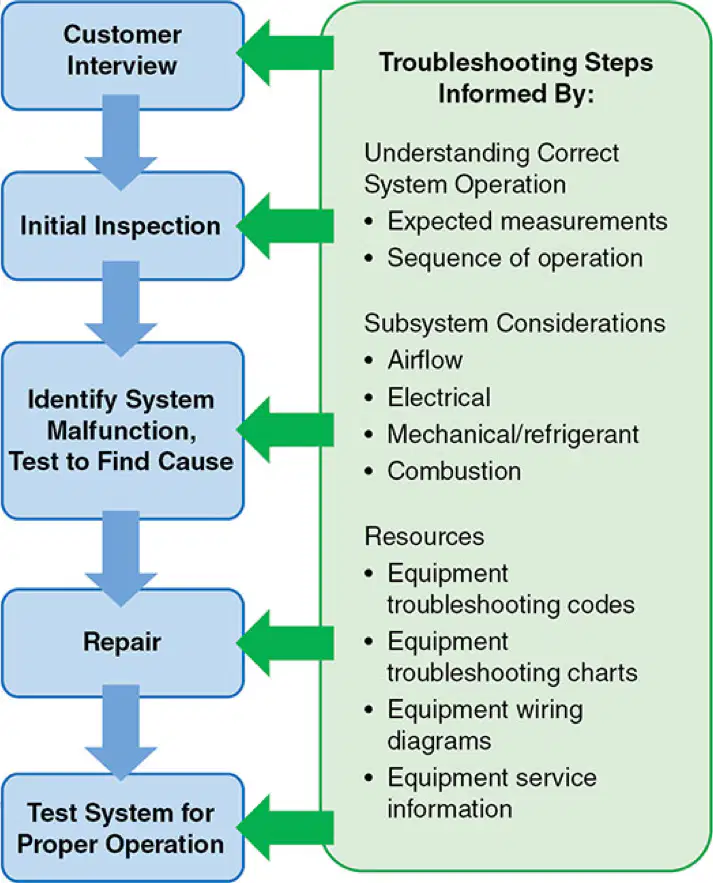
What is the first step in the General Systematic Troubleshooting Procedure?
Initial Inspection
Identify System Malfunction
Customer Interview
Repair
Which of the following is a subsystem consideration in troubleshooting?
Temperature
Airflow
Pressure
Humidity
What is one of the key requirements for a service technician according to the document?
Ability to design new systems
Ability to follow a standard procedure
Ability to create troubleshooting charts
Ability to repair without manuals
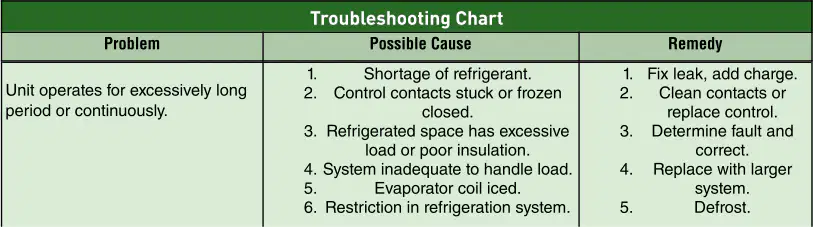
What do most troubleshooting charts include?
Problem, Solution, Cost
Problem, Possible Cause, Remedy
Problem, Time, Money
Problem, Equipment, Solution
What is the purpose of following a troubleshooting chart in a step-by-step fashion?
To quickly fix the problem without understanding it
To ensure all components are replaced
To systematically identify and address the root cause of the problem
To avoid any form of repair
Why should callbacks be avoided according to the text?
They are cost-effective
They enhance customer trust
They can shake the customer's confidence in the company
They are a sign of thorough service
What does a trouble code in a unit indicate?
The unit is functioning perfectly
The unit requires immediate replacement
There is a problem with the unit
The unit is in standby mode
What should a technician do when analyzing a problem presented by the owner?
Ignore the owner's complaint
Obtain as much information as possible about the system's operation
Immediately replace all components
Only consult the owner without further investigation
What should a technician do after identifying the general part of the system that is the possible cause of the problem?
Replace the entire system
Perform tests and inspections
Ignore the issue
Immediately call for external help
What is the final column in a troubleshooting chart typically labeled?
Possible Cause
Problem
Remedy, Repair, Solution
Safety Note
What should always be followed as you work through a service procedure?
Manufacturer's promotional guidelines
Basic safety guidelines
Customer feedback
Personal preferences
What does Figure 3-5 in the document show?
A list of tools needed for repair
A troubleshooting chart for a gas-fired, forced-air furnace
A diagram of a refrigeration system
A safety equipment checklist
What is the first step in using a troubleshooting chart according to the text?
Identify possible causes on the chart.
Perform the service procedure.
Check the pressure of the ducts.
Test the motor.
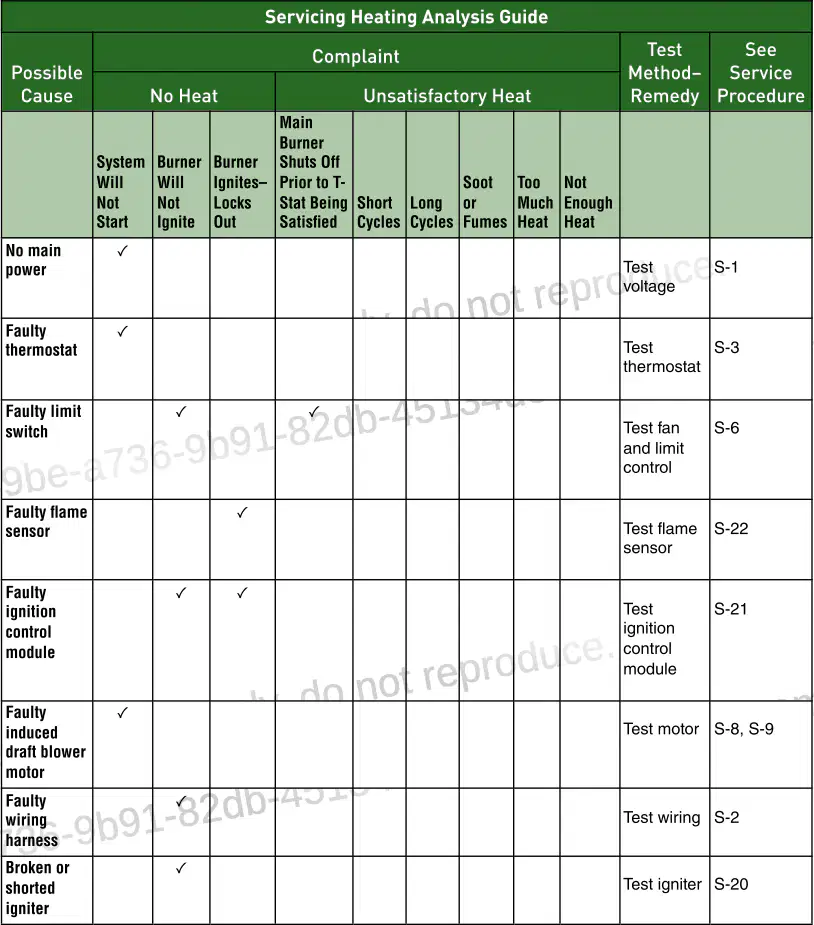
Which category is NOT listed under the heading "Complaint" in the servicing heating analysis guide?
No Heat
Unsatisfactory Heat
Excessive Heat
Much Heat
What should a technician do if a problem is believed to be caused by improper airflow or distribution?
Check the pressure of the ducts.
Replace the thermostat.
Clean the condenser.
Test the igniter.
What is the purpose of a troubleshooting chart in heating analysis for gas-fired furnaces?
To identify problems, causes, and remedies
To increase the efficiency of the furnace
To reduce the cost of heating
To improve the design of the furnace
What is the first step in determining proper air movement according to Service Procedure S-17?
Measure the static pressure of the supply duct
Use a draft gauge to measure the static pressure of the return duct
Add the two readings together for total external static pressure
Check the heat anticipator setting
Why is customer service important for an HVACR technician?
It helps in reducing the cost of repairs
It ensures the technician can work independently
It builds trust and satisfaction with the customer
It allows the technician to work faster
What does the term "customer relations" refer to in the context of HVACR services?
The technical skills of the technician
The way a business interacts with customers
The cost of services provided
The speed of service delivery
What is the purpose of the "Customer Interview" section in service call troubleshooting?
To provide a detailed repair procedure
To offer a general description of the system
To present a customer complaint and information given to the technician
To analyze and discuss possible solutions
What is the main focus of the "Analyze and Discuss" section in the service call troubleshooting process?
To conduct preliminary tests
To sharpen analytical and troubleshooting skills
To provide a customer complaint
To describe the system

