
 Worksheets
What is Hematology?
Total questions: 95
Worksheet time: 48mins
What does hematology primarily study?
Cellular elements of blood
Bones and joints
Digestive enzymes
Nervous system functions
Fill in the blank: Hematology is the study of blood and blood-forming organs, primarily the ________ of blood.
cellular elements
plasma proteins
hormonal levels
immune responses
Which of the following is NOT a cellular element of blood?
Leukocytes
Platelets
Erythrocytes
Neurons
Which of the following is included in the study of hematology?
Normal and abnormal development
Physiology
Reaction to disease
All of the above
Name any one cellular element of blood mentioned in the passage.
Leukocytes
Plasma
Serum
Lymph
What is one of the main functions of blood?
Transportation
Digestion
Respiration
Excretion
Fill in the blank: Blood helps in the transportation of ______ and carbon dioxide.
oxygen
glucose
nitrogen
calcium
Which of the following is NOT transported by blood?
Nutrients
Vitamins
Light
Electrolytes
Blood helps regulate which of the following?
Heat
pH
Both A and B
None of the above
Blood is part of the immune system and coagulation system.
True
False
One waste product transported by blood is:
Carbon dioxide
Oxygen
Glucose
Insulin
The normal adult has about _____ of blood.
6 L
3 L
9 L
12 L
What percentage of total body weight does blood make up in a normal adult?
Approx. 7–8%
Approx. 2–3%
Approx. 15–16%
Approx. 20–22%
Whole blood is made up of which two main components?
Plasma and cellular elements
Serum and lymphocytes
Platelets and antibodies
Red blood cells and white blood cells only
What is the liquid component of blood called?
Plasma
Hemoglobin
Platelets
Red blood cells
What percentage of the blood volume is made up by plasma?
~55%
~10%
~80%
~35%
What percentage of the blood volume is made up by cellular elements?
~45%
~25%
~60%
~10%
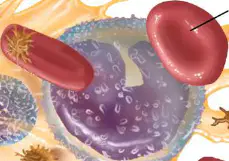
Identify the labeled components in the diagram.
Red blood cells, white blood cell, platelets, plasma, blood vessel (as labeled in the diagram)
Nerve cells, muscle fibers, tendons, ligaments, artery (as labeled in the diagram)
Lymph nodes, cartilage, bone marrow, veins, capillary (as labeled in the diagram)
Skin cells, fat cells, sweat glands, hair follicle, artery (as labeled in the diagram)
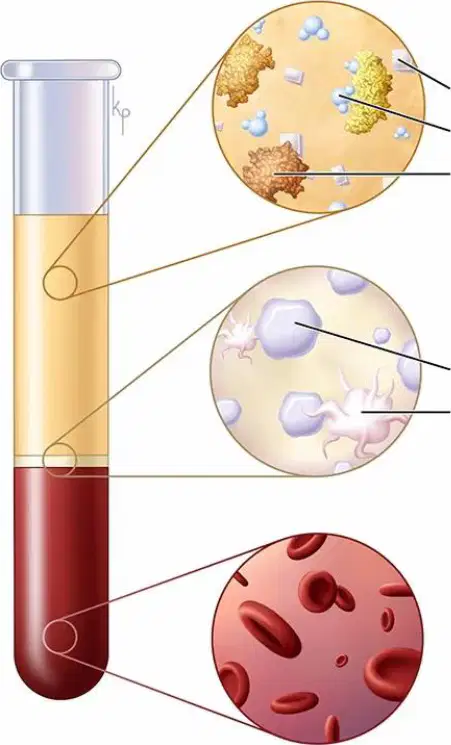
According to the diagram, what percentage of blood is made up of plasma?
45%
55%
<1%
100%
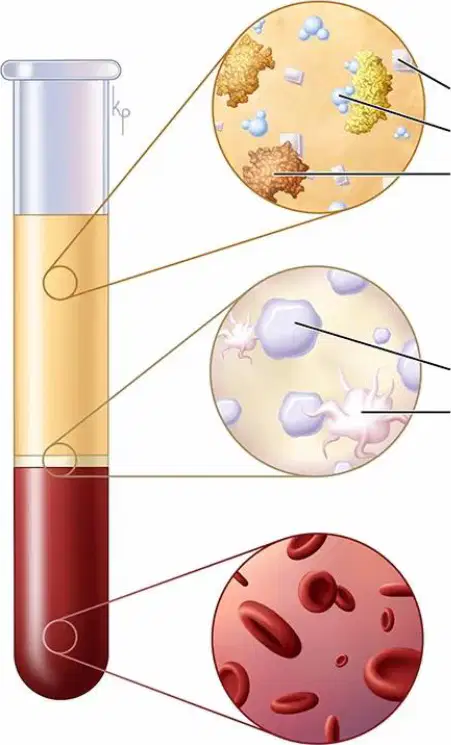
Fill in the blank: The buffy coat in blood consists of ________ and platelets.
white blood cells
red blood cells
plasma proteins
antibodies
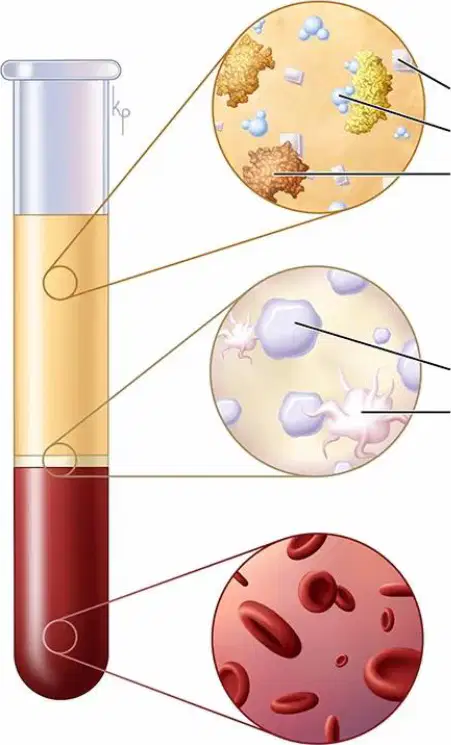
Which of the following is NOT a component of plasma according to the diagram?
Salts/Minerals
Water
Proteins
Red blood cells
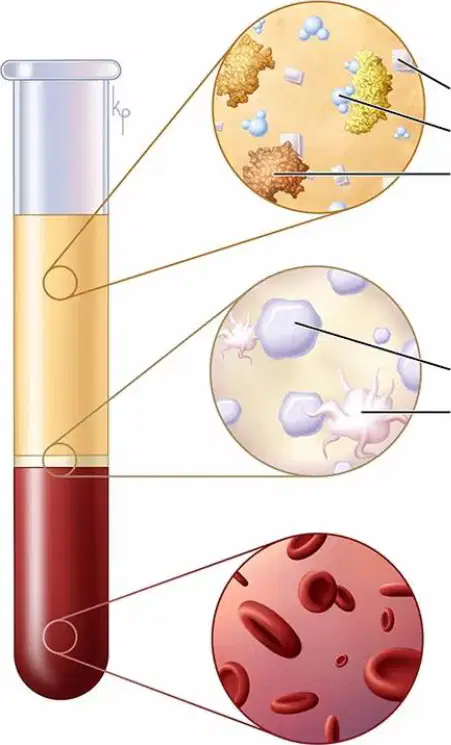
Fill in the blank: Red blood cells make up ________ percent of blood volume according to the diagram.
45%
25%
60%
10%
What is the main function of plasma in the blood?
Acts as a transport medium
Provides immunity
Clots blood
Carries oxygen
What percentage of plasma is water?
50%
70%
>90%
30%
Fill in the blank: Plasma contains approximately ___% protein.
8
2
15
25
Which of the following proteins are found in plasma?
Albumin
Immunoglobulins
Coagulation proteins/factors
All of the above
Plasma contains about 2% of other substances. Which of the following are two types of these substances?
Proteins and nutrients
Red blood cells and platelets
Oxygen and carbon dioxide
Hormones and white blood cells
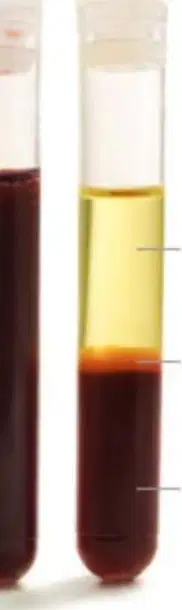
Label the parts of the blood shown in the diagram:
Top layer: Plasma; Middle layer: White Blood Cells and Platelets; Bottom layer: Red Blood Cells
Top layer: Red Blood Cells; Middle layer: Plasma; Bottom layer: White Blood Cells and Platelets
Top layer: White Blood Cells and Platelets; Middle layer: Red Blood Cells; Bottom layer: Plasma
Top layer: Platelets; Middle layer: Plasma; Bottom layer: White Blood Cells
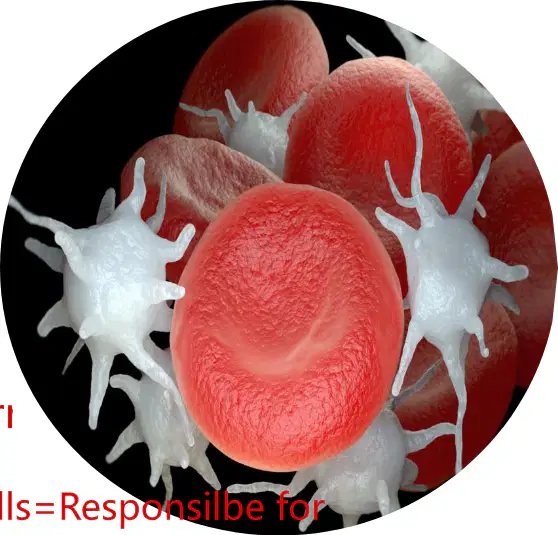
What are the main cellular components discussed in the passage?
Red blood cells (RBCs)/Erythrocytes and Platelets/Thrombocytes
White blood cells and Plasma
Neurons and Muscle cells
Bone cells and Cartilage cells
Red blood cells (RBCs) are ________ cells that contain hemoglobin (Hb).
anucleated
nucleated
binucleated
multinucleated
What is the main function of hemoglobin (Hb) in red blood cells?
Clotting blood
Transporting oxygen and facilitating the transport of carbon dioxide
Producing antibodies
Digesting nutrients
Platelets/Thrombocytes are fragments of cytoplasm from ________ found in bone marrow.
megakaryocytes
erythrocytes
leukocytes
osteocytes
What is the primary function of platelets/thrombocytes?
Transporting oxygen
Forming blood clots
Producing hormones
Fighting infections
Which of the following is NOT one of the five major types of white blood cells (WBCs) distinguished in a blood smear?
Neutrophils
Eosinophils
Basophils
Platelets
Monocytes
Fill in the blank: The first type of white blood cell to react in the immune response is _________.
Neutrophils
Lymphocytes
Eosinophils
Basophils
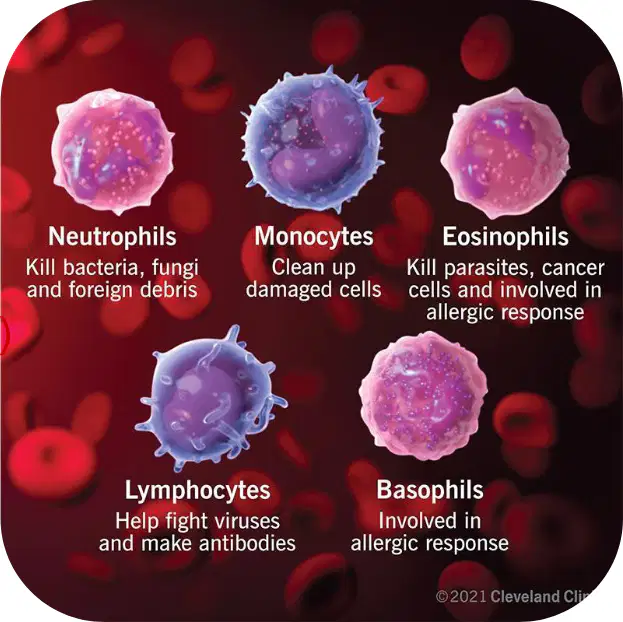
Which white blood cell is involved in allergic response and also helps kill parasites and cancer cells?
Neutrophils
Eosinophils
Basophils
Monocytes
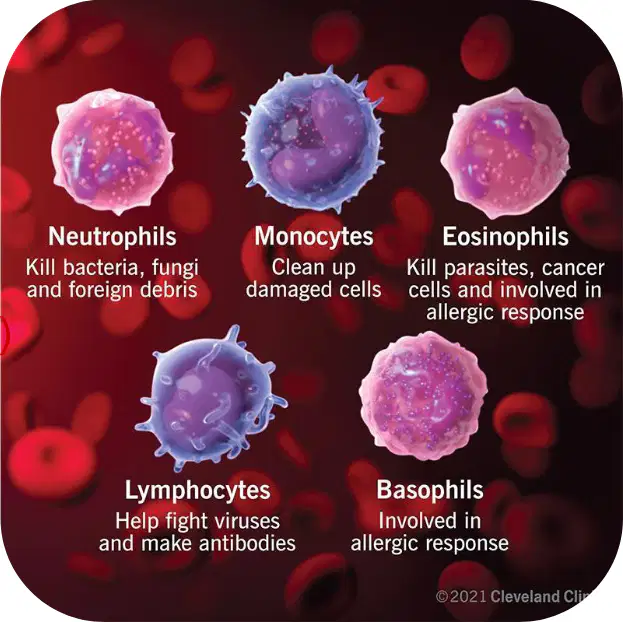
Lymphocytes help fight viruses and make antibodies.
True
False
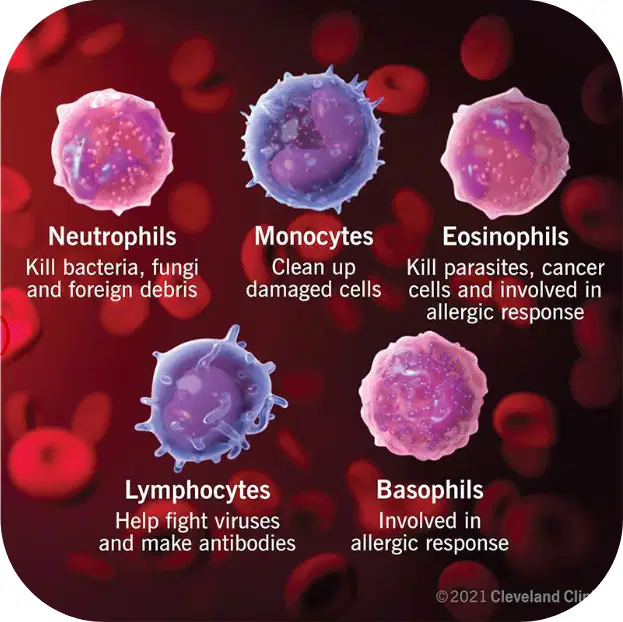
Which type of white blood cell is responsible for cleaning up damaged cells?
Neutrophils
Monocytes
Basophils
Lymphocytes
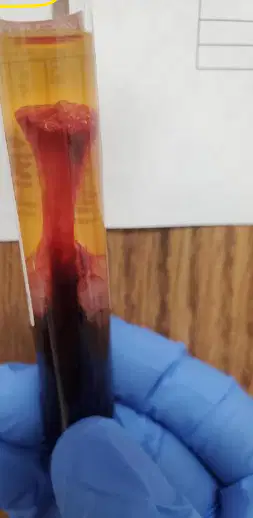
Blood tests typically require whole blood, plasma or serum. Plasma or whole blood require an anticoagulant or blood will coagulate in _________?
15 minutes
2 hours
1 day
30 seconds

After coagulation, the liquid is called ________.
serum
plasma
lymph
water

__________ are absent in serum after coagulation.
Clotting factors
Antibodies
Enzymes
Hormones
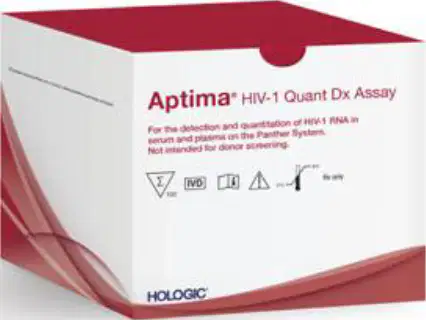
For quantitative HIV viral load testing using the Aptima HIV-1 Quant Dx Assay, which sample type must be used?
Plasma
Serum
Either plasma or serum
Whole blood
For qualitative HIV testing to detect the presence of HIV using the Aptima HIV-1 Quant Dx Assay, you can use _________.
plasma or serum
whole blood
urine
saliva
Which BD Vacutainer® tube color is used for Coagulation testing?
Blue
Gold
Red
Green
Which additive is present in the Gold BD Vacutainer® tube?
Sodium Citrate
Clot activator and gel for serum separation
Lithium Heparin
Spray coated K2EDTA
How many inversions are required for the Blue BD Vacutainer® tube?
3-4
5
8
10
Which primary testing disciplines use the Lavender BD Vacutainer® tube?
Coagulation
Hematology and Cytogenetics
Chemistry
Flow Cytometry
The Green BD Vacutainer® tube with Sodium Heparin (no gel) is used for which primary testing disciplines?
Flow Cytometry and Cytogenetics
Coagulation
Chemistry
Transfusion Services
Which BD Vacutainer® tube color is used for Transfusion Services?
Pink
Blue
Gold
Gray
Which additive is present in the Gray BD Vacutainer® tube?
Sodium Fluoride / K+ Oxalate
Sodium Citrate
Clot activator
Lithium Heparin
The Gold BD Vacutainer® tube is primarily used for which testing disciplines?
Chemistry, Immunochemistry, Some TDMs
Coagulation
Flow Cytometry
Transfusion Services

Heparin interfere with ______ test.
plateletes
glucose
bilirubin
cholesterol
What does Hct stand for in the context of blood analysis?
Hemoglobin concentration
Percentage of RBC in blood
Platelet count
White blood cell count
Fill in the blank: The hematocrit is the percentage of the blood volume that is _________.
red blood cells
white blood cells
plasma proteins
platelets
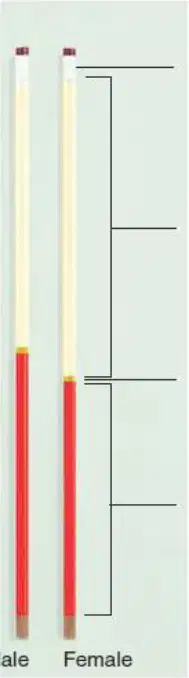
According to the diagram, which component forms the buffy coat in a hematocrit tube?
Plasma
Red blood cells
White blood cells and platelets
Hemoglobin
Fill in the blank: The normal hematocrit for a male lies in the range of _______ of the total blood volume.
40–52%
30–38%
55–65%
20–29%
Fill in the blank: The normal hematocrit for a female lies in the range of _______ of the total blood volume.
38–48%
28–38%
48–58%
18–28%

Refer to the diagram showing a hematocrit tube with percentage markings. What is the hematocrit (Hct) value?
45%
30%
55%
38%
What is anemia?
A) A disorder characterized by an increase in hemoglobin or erythrocytes
B) A disorder characterized by a decrease in hemoglobin or erythrocytes
C) A disorder characterized by an increase in white blood cells
D) A disorder characterized by a decrease in platelets
Fill in the blank: Hypoxia is defined as __________ tissue oxygenation.
inadequate
excessive
normal
optimal
Erythrocytosis/Polycythemia is characterized by:
Excess number of erythrocytes
Decreased number of erythrocytes
Excess number of platelets
Decreased number of white blood cells
Does erythrocytosis/polycythemia have an adverse effect on pulmonary gas exchange?
Yes
No

Based on the diagram, which blood disorder is associated with a depressed hematocrit percentage?
Normal blood
Anemia
Polycythemia
Romanowsky-type stains are used for the differentiation of blood cells and parasites primarily in blood and bone marrow. Fill in the blank: Their main purpose is to ________.
Differentiate parasites and blood cells
Stain connective tissue fibers
Detect bacterial spores
Identify fungal hyphae
Romanowsky-type stains have main components. Fill in the blank: Eosin and ________ are the main components.
polychromed methylene blue
crystal violet
safranin
hematoxylin
Romanowsky effect: the different ________ that allow for the differentiation of cellular components.
Shades of purple
Types of enzymes
Levels of acidity
Sizes of nuclei
What color are Romanowsky-type Eosin dyes?
Blue-green dyes
Red-pink dyes
Yellow dyes
Purple dyes
Eosin is an acidic (anionic) dye that binds to ________ regions of the cell.
positive
negative
neutral
hydrophobic
What is the most common dye among Romanowsky-type stains?
Eosin Y
Methylene blue
Crystal violet
Safranin
Romanowsky-type stains: Methylene blue (MB) is a basic (cationic) dye that binds to __________ regions of the cell.
negative
positive
neutral
hydrophobic
Romanowsky-type stains: What color dye is methylene blue (MB)?
Red
Blue
Green
Yellow
Polychromed methylene blue is produced when MB undergoes ________ demethylation.
oxidative
reductive
photolytic
thermal
What is critical for the Romanowsky effect?
Polychromed methylene blue
Eosin Y
Crystal violet
Safranin
The most important compound in polychromed methylene blue is:
Azure A
Azure B
Methylene blue
Crystal violet
Romanowsky used ________ methylene blue to produce polychromed methylene blue.
aged
fresh
diluted
heated
Which stain is best for detecting blood parasites?
Wright Stain
Giemsa Stain
Wright-Giemsa Stain
None of the above
Which stain is best for WBC differentiation?
Wright Stain
Giemsa Stain
Wright-Giemsa Stain
None of the above
What is the diluent used in both Giemsa and Wright stains?
Methanol
Ethanol
Acetone
Water
Name one property of the Wright-Giemsa stain.
Brighter or Versatile
Non-staining
Corrosive
Odorless
Which stain uses Azure B, methanol, and eosin Y as its components?
Giemsa Stain
Gram Stain
Wright's Stain
Ziehl-Neelsen Stain
Which type of cell has a pink cytoplasm and no nucleus or granules?
Neutrophil
Erythrocyte
Monocyte
Basophil
Which cell type has a purple-blue nucleus and lilac granules?
Neutrophil
Eosinophil
Basophil
Lymphocyte
Fill in the blank: The cytoplasm of an eosinophil is _________.
Colorless-Light blue
Dark purple
Bright red
Pale yellow
Which cell type has purple-blue to black granules and a purple-blue nucleus?
Basophil
Monocyte
Thrombocyte
Eosinophil
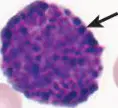
Which cell type is identified by a blue cytoplasm and a purple-blue nucleus?
Lymphocyte
Eosinophil
Neutrophil
Basophil
Fill in the blank: The granules of a thrombocyte are _________
Red-Purple
Blue-Green
Yellow-Orange
Colorless
Which cell type is labeled as having a 'fine lilac' granule appearance and a pale blue-purple nucleus?
Monocyte
Basophil
Eosinophil
Neutrophil
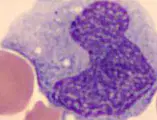
Which cell type is shown in the image labeled 'monocyte'?
Monocyte
Lymphocyte
Basophil
Platelet
What is the name of the stain commonly used for blood smears, as indicated by the title and the image of blood collection tubes?
Gram Stain
Wright-Giemsa Stain
Acid-Fast Stain
Hematoxylin and Eosin Stain
According to the Wright-Giemsa Stain Overview, what is the purpose of creating a thin blood smear?
To create a monolayer near the feathered edge
To fix with methanol
To stain the blood cells
To remove plasma
According to the Wright-Giemsa Stain Overview, what chemical is used to fix the blood smear?
Methanol
Ethanol
Acetone
Formalin

Refer to the labeled diagram in the Wright-Giemsa Stain Overview. Which part of the blood smear is closest to the feathered edge?
Application point
Body
Monolayer
Feathered edge
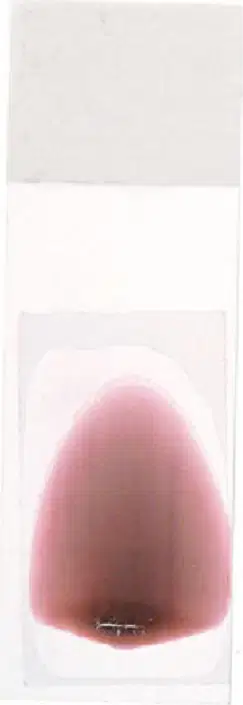
Look at the blood smear slides shown in the image. Which slide represents Polycythemia?
Left slide
Middle slide
Right slide

Look at the blood smear slides shown in the image. Which slide represents Anemia?
Left slide
Middle slide
Right slide
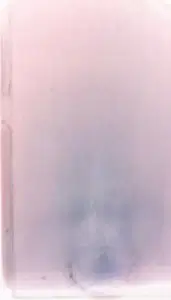
The middle slide in the image represents the ________ blood smear condition.
Normal
Anemia
Leukemia
Malaria

