
 Worksheets
Cell Theory
Total questions: 50
Worksheet time: 25mins
Who was the English scientist that saw structures under a microscope and called them cells in the 1600s?
Bill House
Sarah Hill
Rick Rick
Which of the following is NOT a main idea of cell theory?
A) All living things are made of one or more cells.
B) All cells come from preexisting cells.
C) Cells perform the functions of living things.
D) All living things are made of atoms only.
All living things are made of one or more ________.
Air
Town Hall
Vacuole
True or False: All cells come from preexisting cells.
True
False
Cells perform the functions of ________ things.
protein
sugar
RNA
German scientists made some important discoveries: Matthias Schleiden stated that all (a) are made of cells.
German scientists made some important discoveries: Theodor Schwann stated that ______ are made of cells.
Plant
Vacuole
cell Wall
Who stated that cells come from other cells?
Matthias Schleiden
Theodor Schwann
Rudolf Virchow
Robert Remak
German scientists made some important discoveries: Robert Remak stated that cells can (a) to make new ones.
Cell Theory: The cell theory is useful since it explains the vast majority of our observations and can be used to make _________
Cytoplasm
Base
Cell Cycle
Eukaryotes are cells with a _______.
Cytoplasm
Vacuole
Cell Wall
Prokaryotes are cells without a _______.
gene
Chloroplast
tRNA
All prokaryotic life is microscopic.
True
False
Unicellular organisms consist of just _______.
More than one cells
No cells
nucleic acid
Unicellular organisms may be eukaryote or prokaryote.
True
False
Multicellular organisms: the cells work (a) .
Fill in the blank: A (a) is a group of similar cells that work together.
Fill in the blank: An (a) is a group of tissues that work together.
Fill in the blank: (a) are the usually-membrane surrounded structures in a eukaryotic cell that perform special functions.
Which type of cell structure lacks organelles?
Eukaryotic
Prokaryotic
Both
Neither
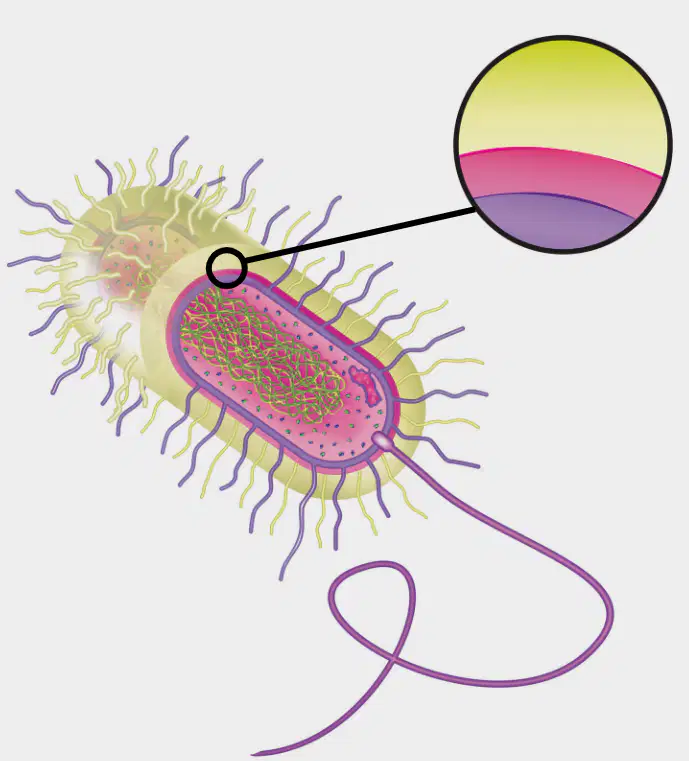
What is the structure in a prokaryotic cell that surrounds the cytoplasm and controls the movement of substances in and out of the cell?
(a)
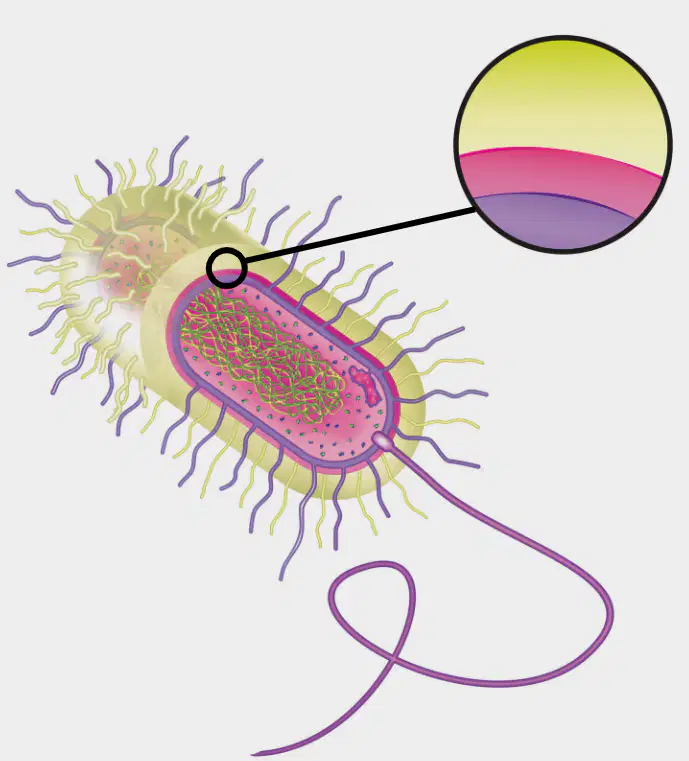
Which structure provides shape and protection to a prokaryotic cell?
(a)
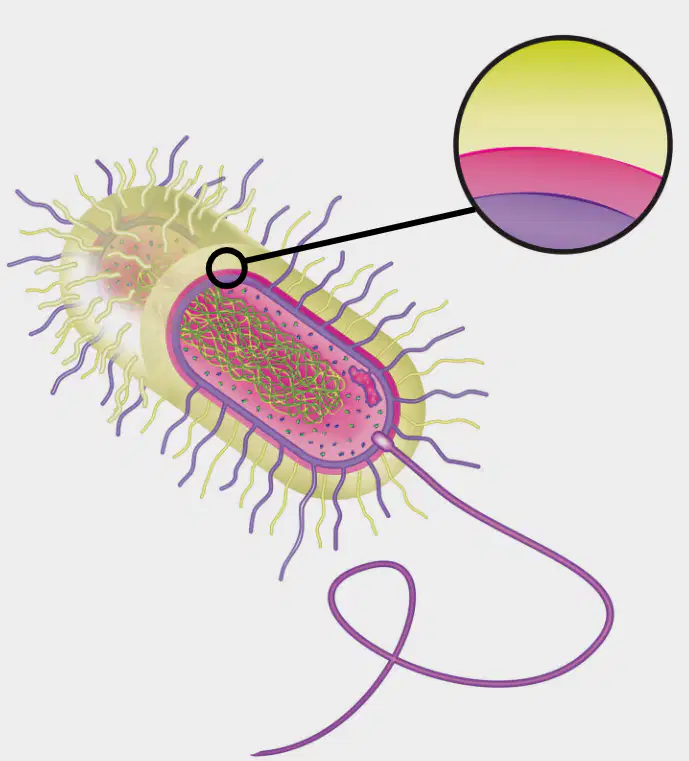
What is the outermost layer that protects some prokaryotic cells from harsh environments?
(a)
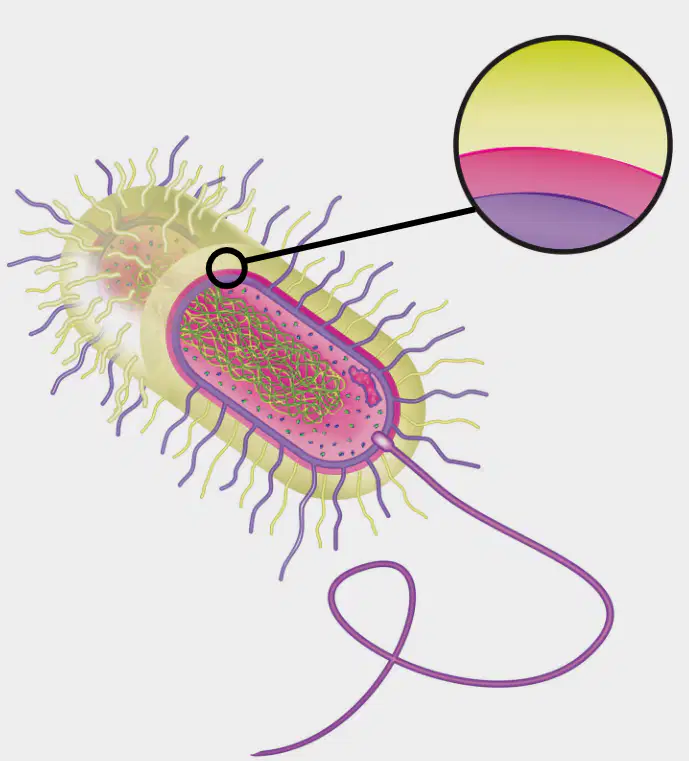
What is the jelly-like substance inside a prokaryotic cell where cellular processes occur?
(a)
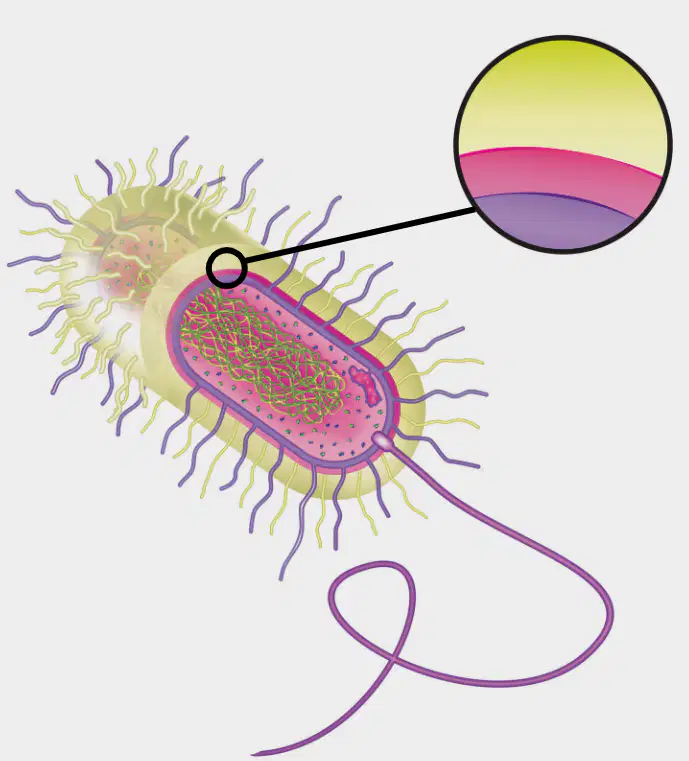
What is the whip-like structure that helps a prokaryotic cell move?
(a)
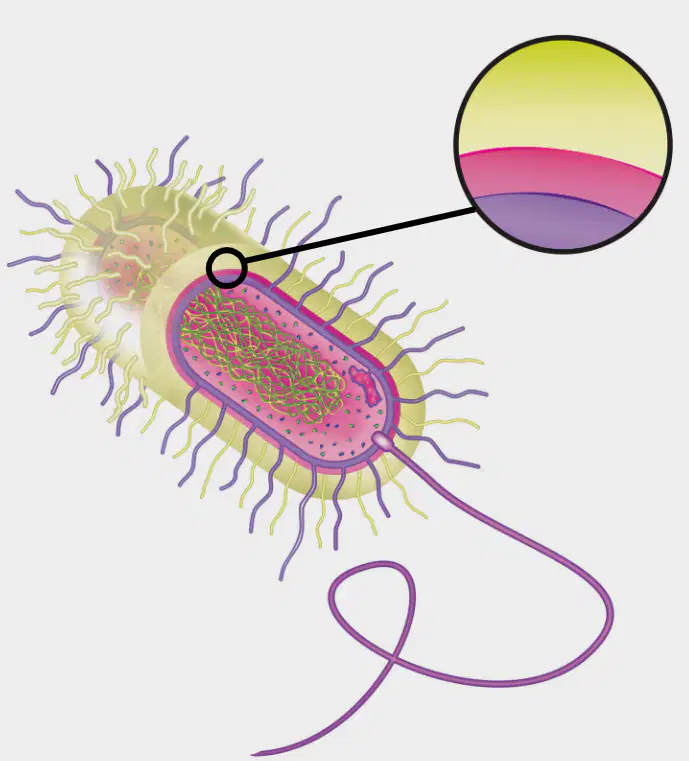
What contains the genetic material in a prokaryotic cell?
(a)
Which of the following is a structure found in eukaryotic cells?
Nucleus
Chloroplast
Cell wall
Capsule
Which structure in eukaryotic cells is responsible for protein synthesis?
Ribosomes
Lysosomes
Golgi apparatus
Mitochondria
Fill in the blank: The (a) is the powerhouse of the eukaryotic cell.
Which organelle is involved in the modification, sorting, and packaging of proteins in eukaryotic cells?
Endoplasmic reticulum
Golgi apparatus
Cytoskeleton
Nucleus
Fill in the blank: The (a) provides structural support to the eukaryotic cell.
Which organelle in eukaryotic cells contains digestive enzymes to break down waste?
Lysosomes
Ribosomes
Nucleus
Mitochondria
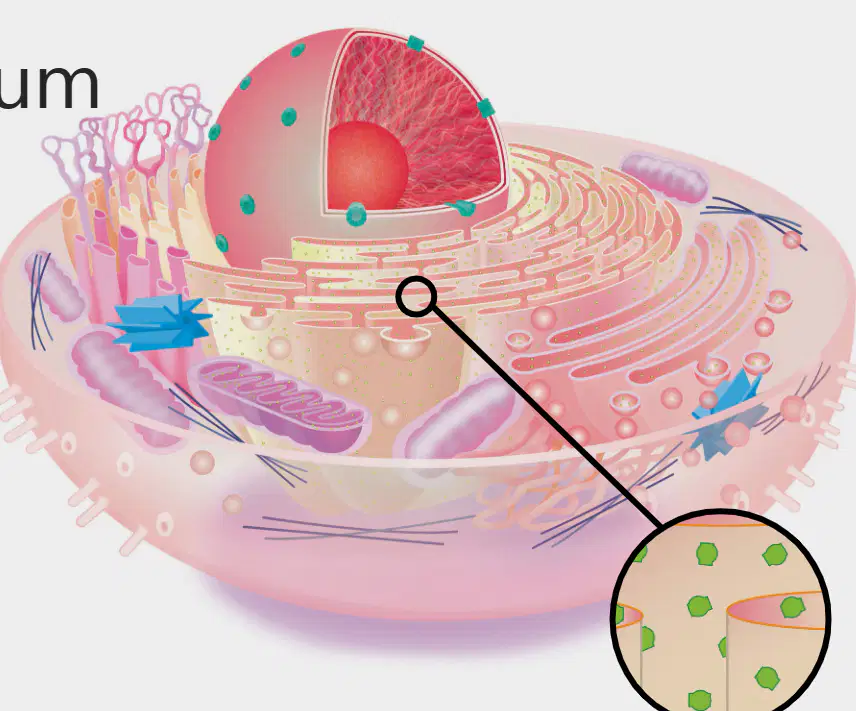
Fill in the blank: The (a) is a network of membranes involved in protein and lipid synthesis in eukaryotic cells.
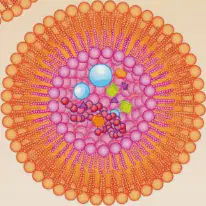
The task of monitoring passage into and out of the cell is the job of the (a) ?
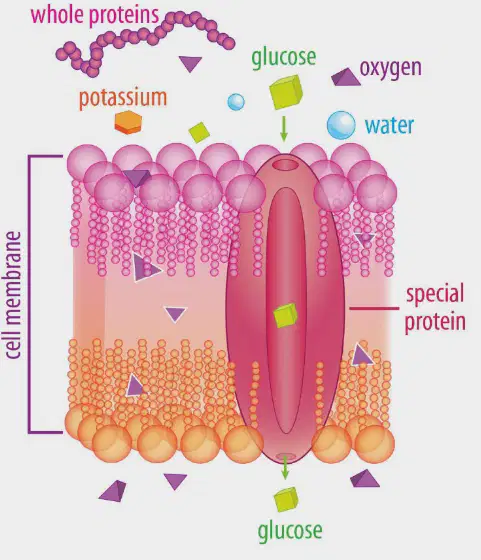
What does it mean when the cell membrane is described as 'selectively permeable'?
It allows all substances to pass through
It allows some substances to pass through but keeps others out
It keeps all substances out
It allows only water to pass through
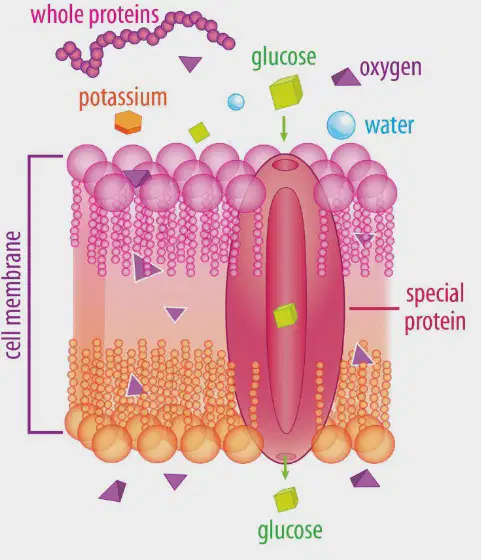
According to the diagram, which of the following substances can pass through the cell membrane?
Whole proteins
Glucose
Potassium
All of the above
Fill in the blank: The cell membrane is (a) permeable, meaning it allows some substances to pass through but keeps others out.
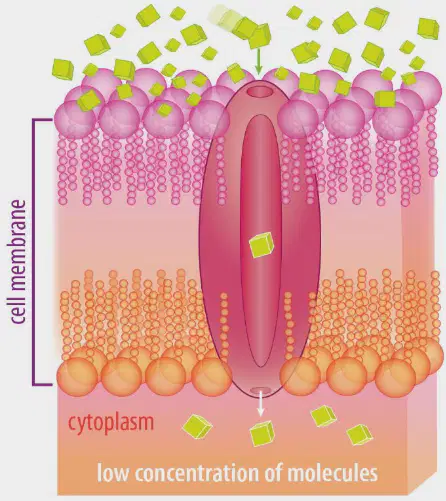
When a certain type of molecule is more densely packed on one side of the membrane than on the other, a (a) is formed.
The movement of molecules through a membrane is called (a) .
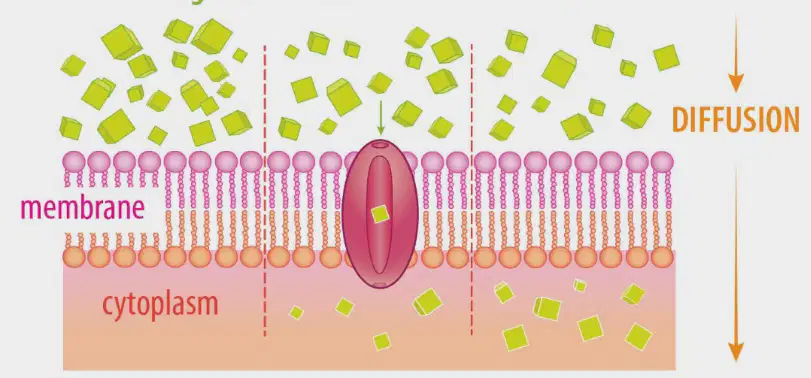
What process is illustrated in the diagram showing molecules moving from a high concentration area through a membrane into the cytoplasm?
Osmosis
Diffusion
Active transport
Endocytosis
What is the movement of water across a semipermeable membrane called?
Diffusion
Osmosis
Active transport
Endocytosis
Osmosis and diffusion are both forms of (a) .
Osmosis is a special type of diffusion.
True
False
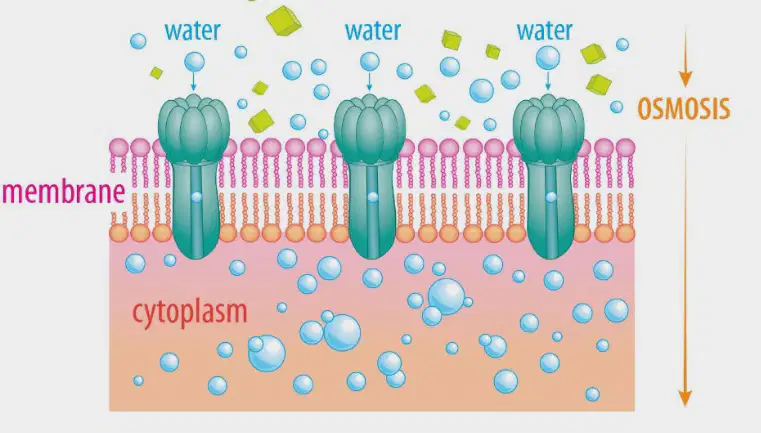
Refer to the diagram showing water and glucose movement across a membrane. What process is being illustrated?
Active transport
Osmosis
Endocytosis
Exocytosis
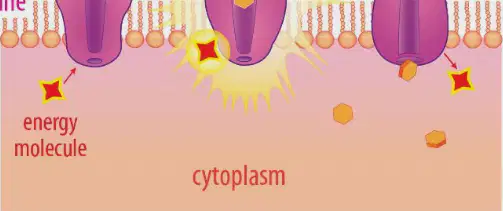
Cell membranes contain protein structures that pump substances into and out of the cell. What is this process called?
Passive transport
Active transport
Diffusion
Osmosis
Cell membranes contain protein structures that pump substances into and out of the cell. These are examples of (a) .
Some cells can simply engulf what they need.
True
False
According to the passage, what does evolutionary theory fail to explain?
The origin of prokaryotic cells
The origin of eukaryotic cells
The origin of life from nonliving materials
The process of cell division
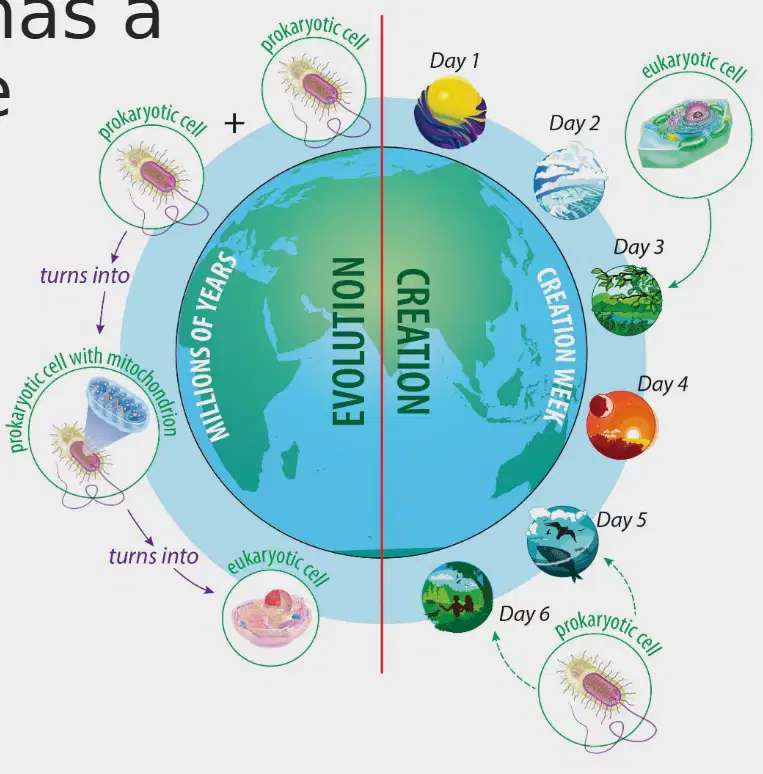
Based on the diagram and passage, name the two types of cells whose origins are discussed by evolutionary theory.
(a)
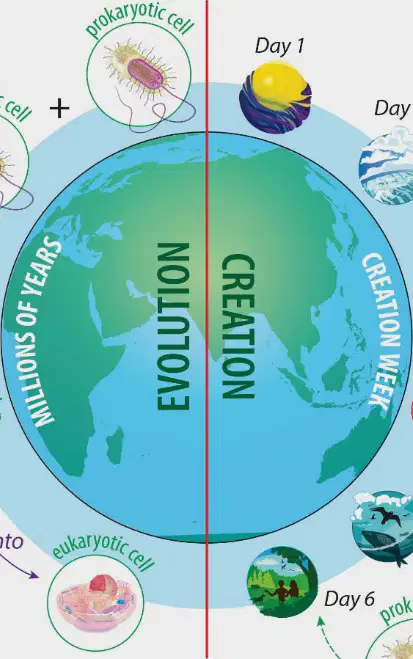
According to the slide 'Origins of the Cell', what does the Bible indicate about the creation of cells during Creation Week?
Only prokaryotic cells were created
Only eukaryotic cells were created
Both kinds of cells were created
No cells were created

