
 Worksheets
Scenic Construction Characteristics Quiz
Total questions: 89
Worksheet time: 45mins
Which of the following is a characteristic of scenic construction?
Permanent installation
Rapid construction
Heavy weight
Expensive materials
What is a feature of scenic construction regarding its assembly?
Assembled with permanent joining
Assembled with temporary joining
Assembled with no joining
Assembled with welded joints
Scenic constructions are typically:
Built in one place and used in another
Built and used in the same place
Built in multiple places and used in one
Built in one place and never moved
What is the weight characteristic of scenic construction?
Heavy weight
Medium weight
Light weight
Variable weight
Which of the following is a consideration when constructing scenery for a performance?
The color of the scenery
The material cost
Whether it must support weight
The number of actors on stage
Why is it important to know if scenery needs to be moved during a scene shift?
To determine the color scheme
To ensure it is lightweight and portable
To decide on the number of actors needed
To calculate the cost of materials
What should be considered regarding audience visibility when constructing scenery?
The height of the stage
The distance from the audience
How much the audience can see
The number of seats in the theater
What is one of the key practices for maintaining shop safety?
Always keep equipment in good working condition.
Use tools without checking them.
Ignore clutter in the workspace.
Eat near power tools.
Which of the following should be avoided to maintain a clean and organized working environment?
Leaving tools out
Organizing tools properly
Cleaning up regularly
Using tools safely
Why should you never eat or drink near any power tools?
It can create a distraction and potential hazard.
It helps in multitasking.
It keeps the tools clean.
It is a good way to save time.
What should you always wear when using power tools?
Loose clothing
Safety goggles
Sandals
A hat
Why is it important to secure long hair under a cap or tie it back in a shop setting?
To look professional
To prevent hair from getting caught in machinery
To keep hair clean
To follow fashion trends
What type of shoes should be worn at all times in a shop environment?
Open-toe sandals
High heels
Closed-toe, hard-sole shoes
Slippers
What should you always do before changing a blade or bit on a power tool?
Leave it plugged in
Turn off the lights
Unplug the power tool
Wear gloves
Where should you go when working with materials that emit fumes?
Inside a closed room
Outside
In a basement
Near a window
What should you do if you notice any damp or wet conditions in the shop?
Ignore them
Report them immediately
Clean them up later
Cover them with a mat
Why is it important to know the location of the closest fire extinguisher?
To use it as a tool
For decoration
In case of a fire emergency
To show visitors
What is a key safety practice to follow while working in the shop?
Use common sense and stay focused
Work as fast as possible
Ignore your surroundings
Use any tool available
Which of the following is considered a piece of safety equipment?
Notebook
Goggles
Pen
Calculator
What is the purpose of a dust mask in safety equipment?
To protect against loud noises
To shield eyes from debris
To prevent inhalation of dust
To provide warmth
Which item is not typically included in a list of safety equipment?
Earplugs
Shoes
Hair ties
Textbook
What is the primary purpose of a scene shop in scenic construction?
To create scenery with maximum effort and resources
To convert a designer's plan into completed scenery efficiently
To design new theatrical scripts
To manage audience seating arrangements
Which of the following is a factor that influences the organization and setup of a scene shop?
Lighting
Size
Sound
Cost
What is included in the 'FLOW' factor for setting up a scene shop?
Lighting design
Receiving & storage of materials
Audience seating
Ticket sales
Which of the following is not a part of the 'SIZE' factor in a scene shop?
Stage
Shop
Company
Painting
What process is involved in the 'FLOW' factor of a scene shop after 'Cutting'?
Measuring/marking
Working up
Assembly/framing
Covering
Which of the following is a type of 2 Dimensional Scenery?
Platform
Unframed
Step units
Wagons
What is an example of 3 Dimensional Scenery?
Framed
Trees
Platform
Columns
Which of the following is NOT mentioned as a type of scenery?
Framed
Step units
Trees
Curtains
What type of curtains are used in 2D unframed scenery?
Silk curtains
Velour curtains
Cotton curtains
Linen curtains
What is a key feature of the drapery used in 2D unframed scenery?
Water resistant
Fire proof
Soundproof
Transparent
What is the purpose of drapery in 2D unframed scenery?
To enhance sound quality
To provide lighting effects
To mask the audience's view of backstage
To support the stage structure
Which of the following is NOT a type of drapery mentioned in the document?
Legs
Tormentors
Borders
Curtains
What materials are typically used for 2D unframed scenery drops?
Wood or metal
Muslin or canvas
Plastic or glass
Stone or brick
Which of the following is a characteristic of 2D unframed scenery drops?
Typically one piece of fabric
Made of solid wood
Not typically one piece of fabric
Constructed with metal frames
What type of scenery can be created using drops?
Full stage or cut out
Three-dimensional models
Digital projections
Sculptures
What is the Greek origin of the term "cyclorama"?
Sky Cloth
Sky Screen
Sky Canvas
Sky Fabric
What is one of the primary uses of a cyclorama in theater?
To simulate the ocean
To simulate the sky
To simulate the forest
To simulate the desert
Which of the following is a characteristic of true cycloramas?
They are flat
They are curved
They are textured
They are transparent
Why are cycloramas considered great for projection?
They are colorful
They are seamless
They are small
They are reflective
What is a scrim primarily used for in theater?
To create a solid background
To make objects appear opaque
To project images
To make objects visible to the audience
Which of the following is NOT a characteristic of a scrim?
It is a cyc
It is made of sharkstooth
It is a knitted fabric
It has more open space than thread
What happens when light is shone from the front of a scrim?
Objects become transparent
Objects look opaque
Objects become invisible
Objects appear in color
What is a hard cover for framed flats typically made of?
Muslin
Luan
Canvas
Plastic
Which material is used for a soft cover in framed flats?
Luan
Muslin
Wood
Metal
Which of the following is NOT typically part of 2D scenery framed flats?
Walls
Windows
Doors
Roofs
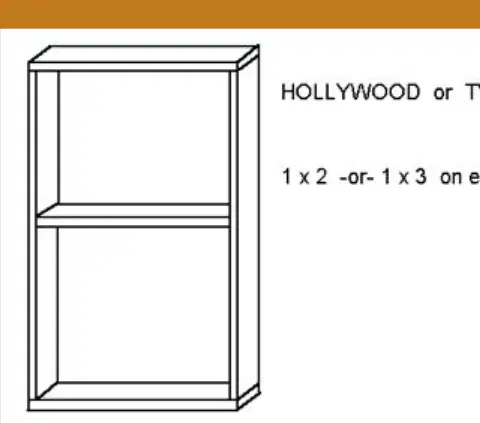
What is the name given to the type of shelf shown in the diagram?
Hollywood or TV Flat
Bookshelf
Corner Shelf
Wall Mount Shelf
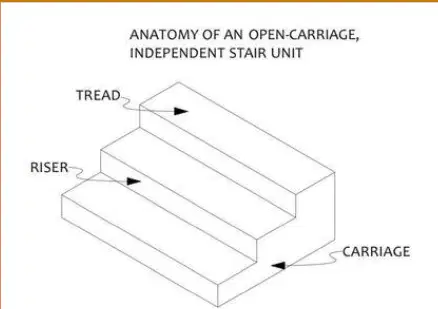
What is the usual width of a tread (run) on a step unit?
8 inches
11 inches
6 inches
14 inches
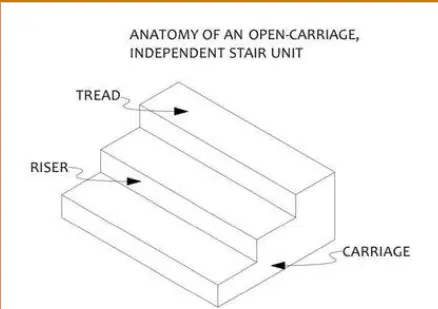
What is the typical vertical height of a rise (riser) on a step unit?
4-5 inches
6-8 inches
9-10 inches
10-12 inches
What is the function of a carriage in a 3D scenery stair unit?
Provides structural support for the climber
Acts as a decorative element
Serves as a handrail
Functions as a lighting fixture
Which type of stair unit is self-supporting and will not tip over when climbed?
Dependent
Independent
Closed-carriage
Open-carriage
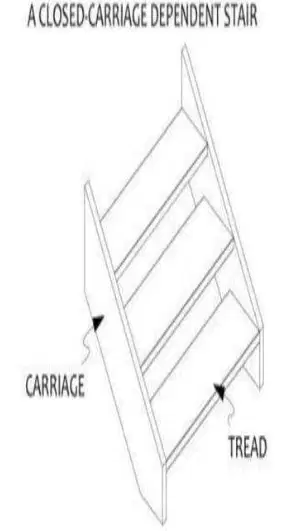
What does a dependent stair unit rely on for support?
Its own structure
The upper level structure
The ground
External braces
What does "stick lumber" refer to in the context of scenery material?
Metal rods
Solid wood
Plastic beams
Concrete blocks
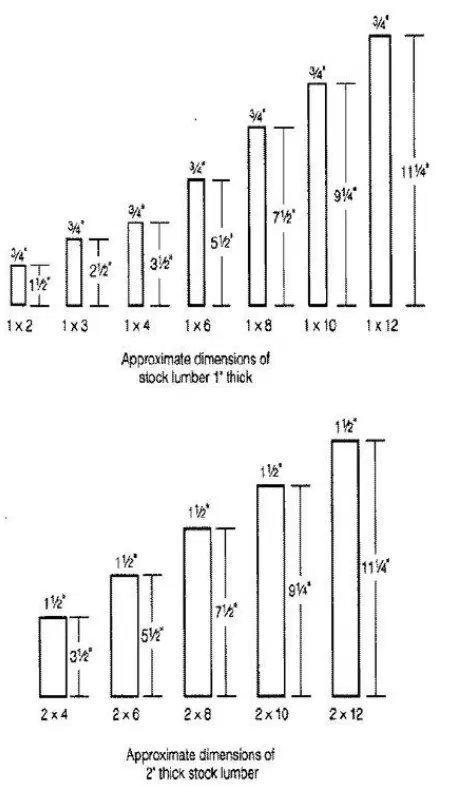
How are the dimensions of stick lumber denoted?
By weight
By color
By nominal dimensions
By material type
What is the nominal size of a piece of lumber that is actually 1½" x 3½"?
2x4
1x3
2x6
1x6
Which of the following is a common size for stock lumber in a scene shop?
1x3
3x5
4x4
5x5
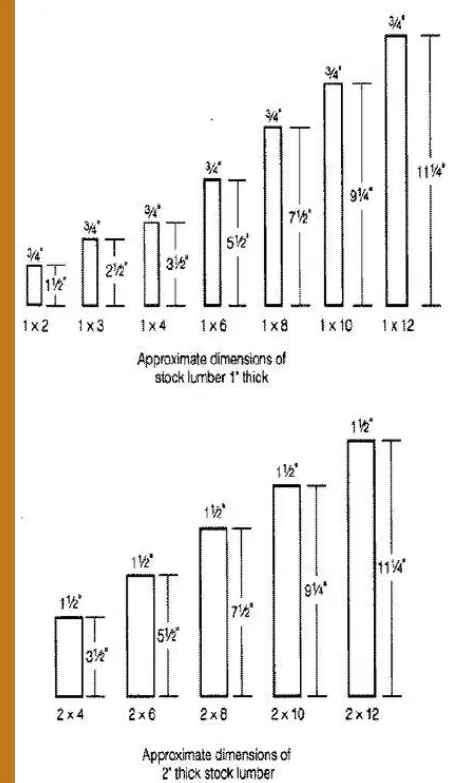
What is the true thickness of a 1x12 piece of lumber?
¾"
1"
1½"
2"
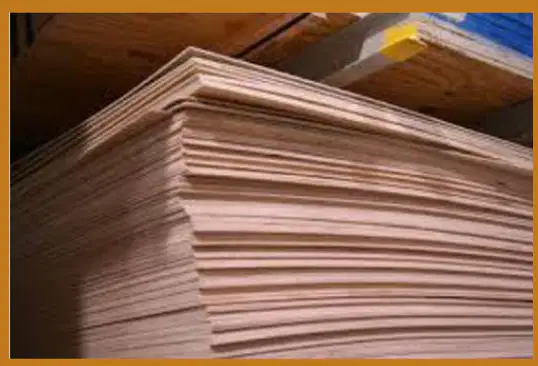
What is the standard size of sheet lumber?
4'x8'
5'x10'
3'x6'
6'x9'
Which grade of lumber is described as "clear & strong"?
Grade A
Grade B
Grade C
Grade D
Which grade of lumber has the most knots and is of less quality?
Grade A
Grade B
Grade C
Grade D
What is the cost indicator for Grade B lumber?
$
$$
$$$
$$$$

What is the process used to create plywood?
Several layers glued together with grain in the same direction
Single layer of wood
Several layers glued together with grain in opposite direction
Compressed sawdust
What are the common widths for plywood used in decking?
1/8", 1/4", 3/8"
1/4", 1/2", 3/4"
1/2", 3/4", 1"
1/4", 3/8", 1/2"
What is a characteristic of Luan compared to regular plywood?
Thicker and heavier
Thinner and lighter
More expensive
Less durable
What is the common width for Luan?
1/8"
1/4"
1/2"
3/4"
What is Masonite primarily made of?
Plastic and resin
Metal and glue
Wood pulp with glue
Fiberglass and adhesive
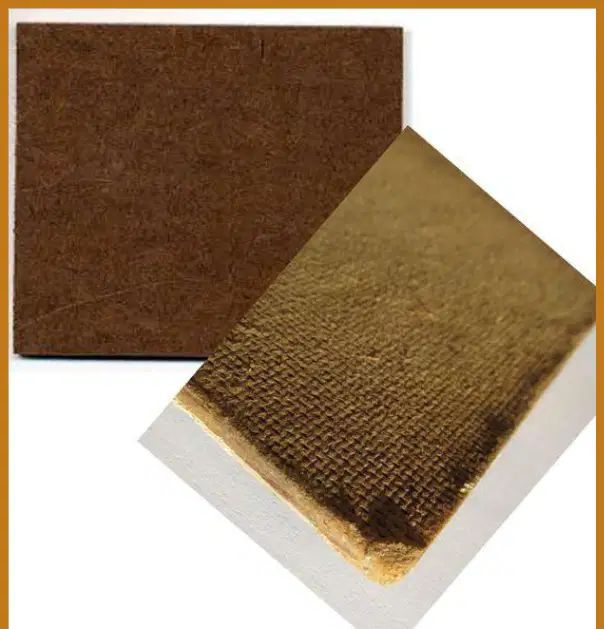
Which of the following is a characteristic of Masonite?
Smooth surface on both sides
Rough surface on both sides
Smooth surface on one side, rough on the other
Rough surface on one side, smooth on the other
For what purpose is Masonite considered good?
Insulating walls
Covering decking on platforms
Building furniture
Roofing
What is a disadvantage of using Masonite?
It is too flexible
It is too heavy
It breaks easily
It is waterproof
Which of the following is a type of tool mentioned in the image?
Measuring tools
Hand tools
Cutting tools
Gardening tools
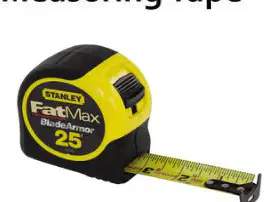
Which tool is used to measure distances accurately?
Spirit Gauge
Measuring Tape
Chalk Line
Bevel Gauge
What is the primary use of a spirit gauge?
To draw straight lines
To measure angles
To check level surfaces
To mark distances
Which tool would you use to mark a straight line over a long distance?
Carpenter's Square
Chalk Line
Combination Square
Bevel Gauge
What is a bevel gauge primarily used for?
Measuring distances
Checking level surfaces
Measuring and transferring angles
Drawing straight lines
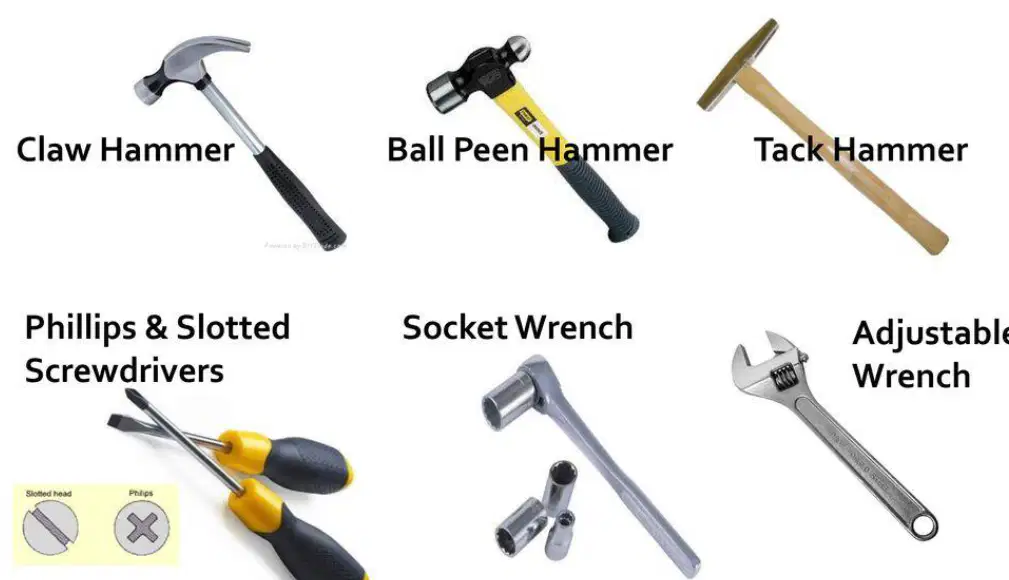
Which tool is specifically designed for driving nails into wood and has a curved claw for removing nails?
Ball Peen Hammer
Claw Hammer
Tack Hammer
Socket Wrench
Which tool is adjustable and used for gripping and turning nuts and bolts of various sizes?
Phillips Screwdriver
Socket Wrench
Adjustable Wrench
Tack Hammer
What is the main difference between Phillips and slotted screwdrivers?
The material they are made of
The shape of their tips
Their length
Their weight
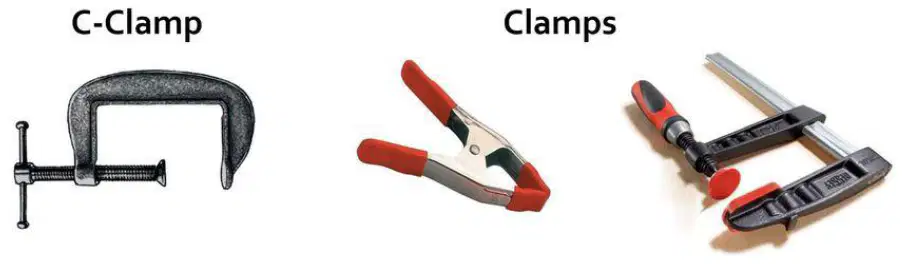
Which tool is commonly used to hold objects firmly in place?
Pry Bar
C-Clamp
Slip Joint Pliers
Hammer
What is the primary function of a pry bar?
To cut materials
To pry or lift objects
To measure distances
To tighten screws
Which tool is adjustable and can be used for gripping different sizes of objects?
C-Clamp
Clamps
Slip Joint Pliers
Pry Bar
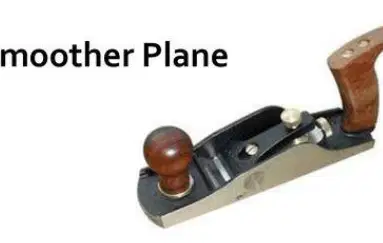
Which tool is typically used for smoothing wooden surfaces?
Wood Chisel
Smoother Plane
Rasp
Hammer
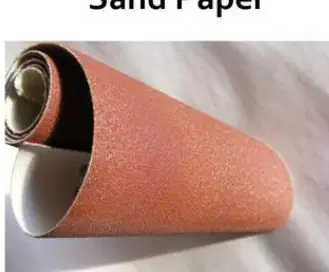
What is the primary use of sandpaper?
Cutting wood
Smoothing surfaces
Drilling holes
Measuring angles
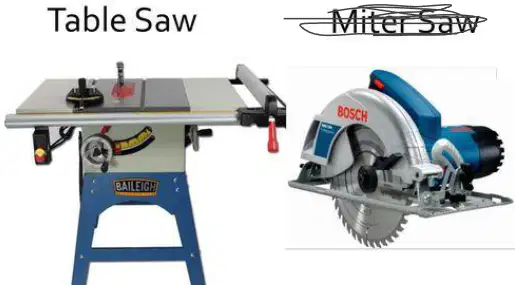
Which of the following is a power tool used for cutting wood in a straight line?
Electric Drill
Table Saw
Electric Sander
Router
What is the primary function of a router in woodworking?
Drilling holes
Sanding surfaces
Cutting intricate shapes
Creating decorative edges
Which tool is best suited for making curved cuts in wood?
Panel Saw
Jig Saw
Electric Drill
Table Saw
Identify the power tool that is typically used for smoothing surfaces.
Electric Sander
Router
Panel Saw
Jig Saw
What is the primary function of a caster?
To fasten two objects together
To allow movement of furniture
To secure a door
To join metal parts
Which tool is typically used for applying adhesive in a precise manner?
Staple Gun
Hot Glue Gun
Latch
Hinge
Identify the fastener that is commonly used to secure doors or gates.
Nail
Latch
Washer
Caster

