
 Worksheets
Level 1 Sport - Identify the structure and function of the body
Total questions: 61
Worksheet time: 31mins
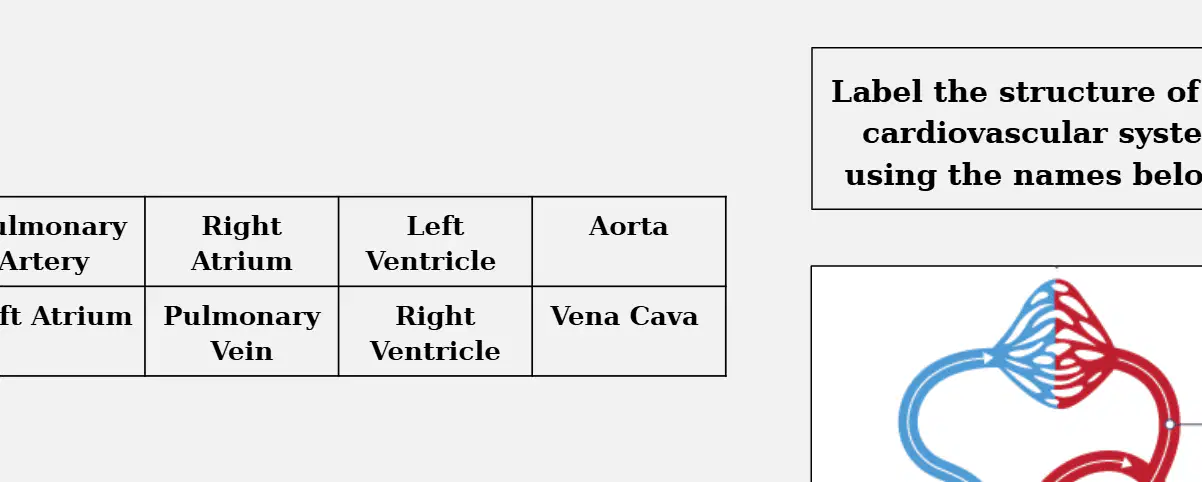
What is the name of the blood vessel that carries deoxygenated blood from the body to the heart?
Vena Cava
Aorta
Pulmonary Vein
Left Atrium
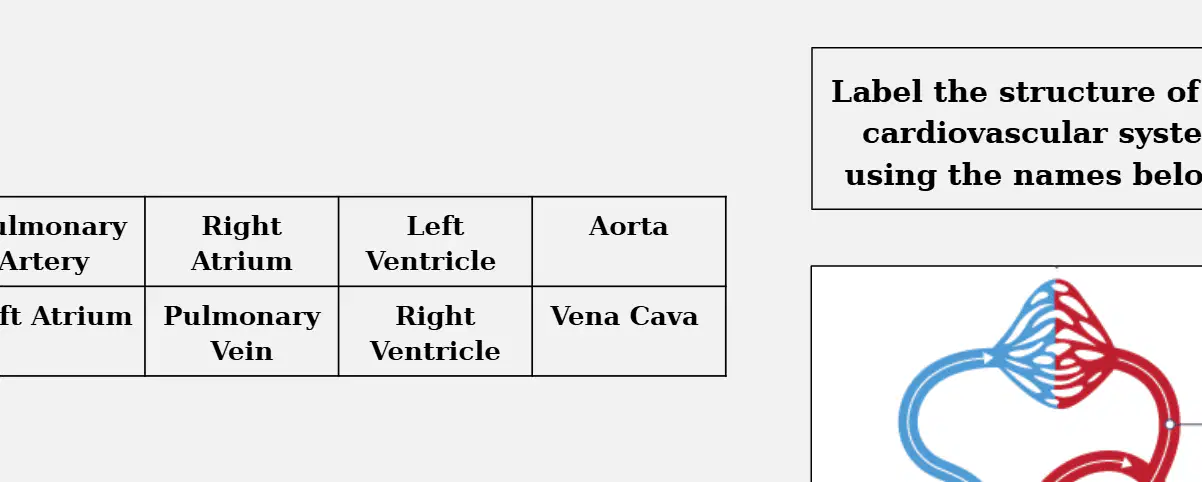
What is the name of the chamber that receives deoxygenated blood from the body?
Right Atrium
Left Ventricle
Aorta
Pulmonary Vein
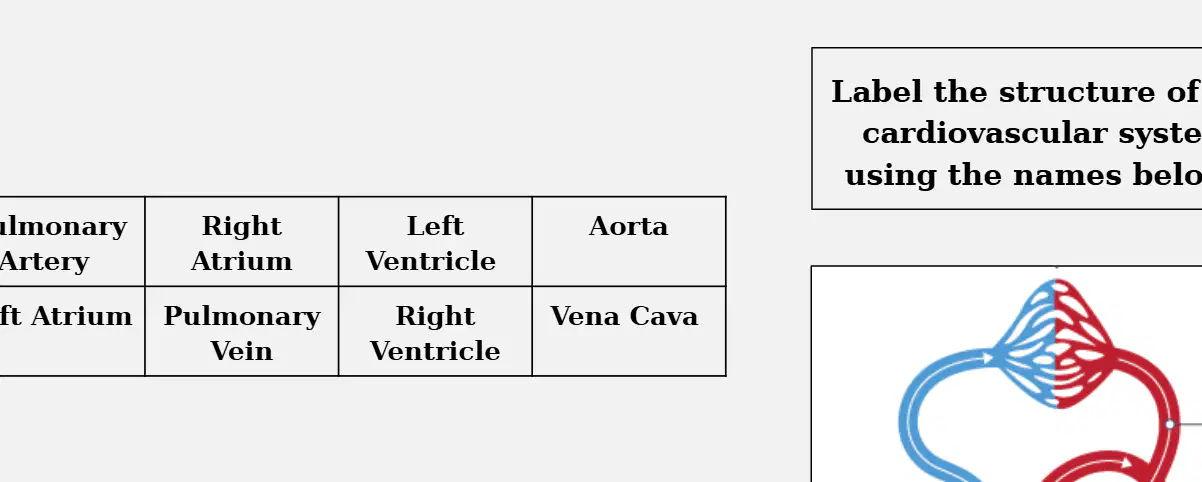
What is the name of the chamber that pumps deoxygenated blood to the lungs?
Right Ventricle
Left Atrium
Aorta
Pulmonary Vein
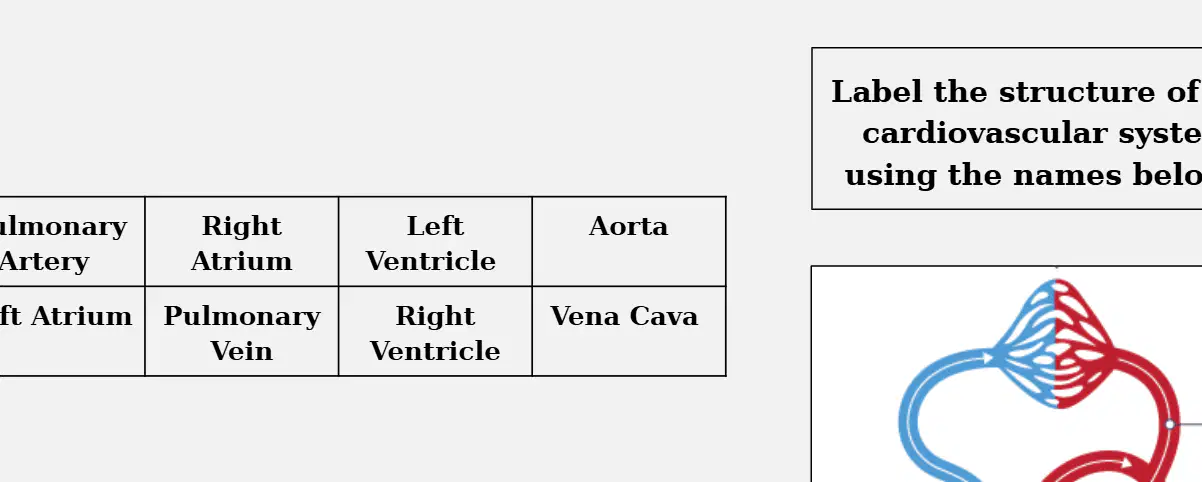
What is the name of the blood vessel that carries deoxygenated blood from the heart to the lungs?
Pulmonary Artery
Aorta
Pulmonary Vein
Left Ventricle
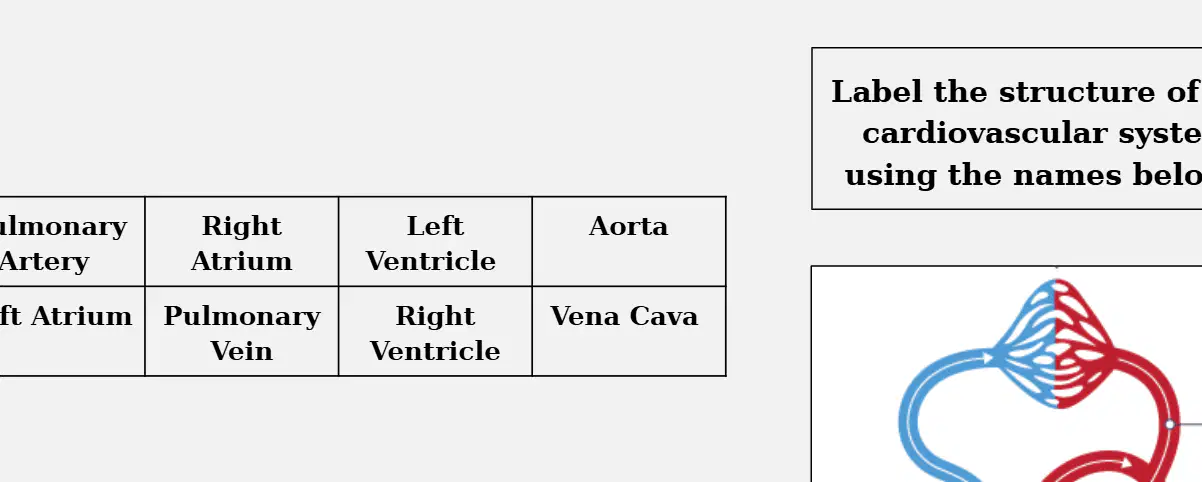
What is the name of the blood vessel that carries oxygenated blood from the lungs to the heart?
Pulmonary Vein
Pulmonary Artery
Aorta
Vena Cava
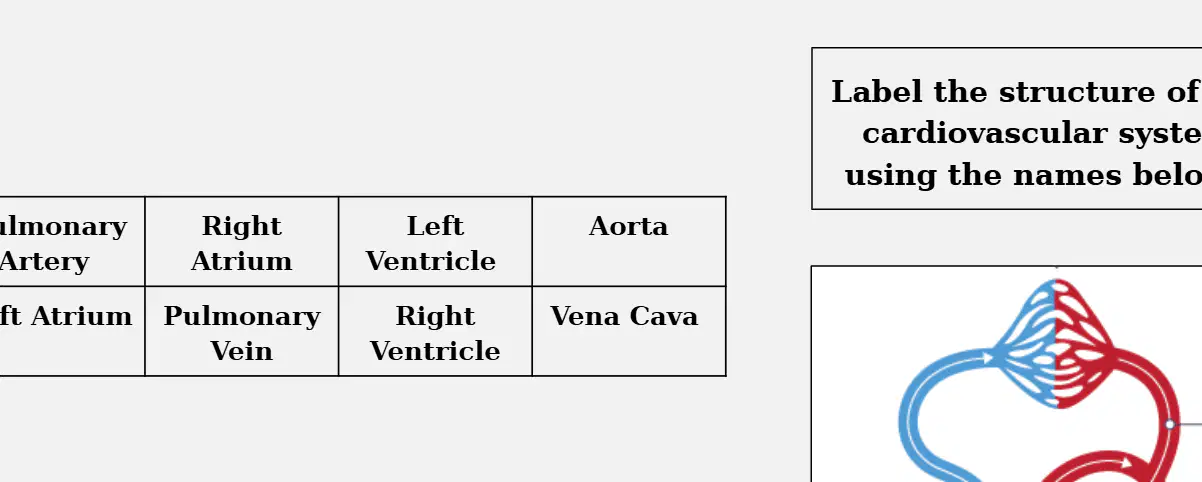
What is the name of the chamber that receives oxygenated blood from the lungs?
Left Atrium
Right Atrium
Right Ventricle
Aorta
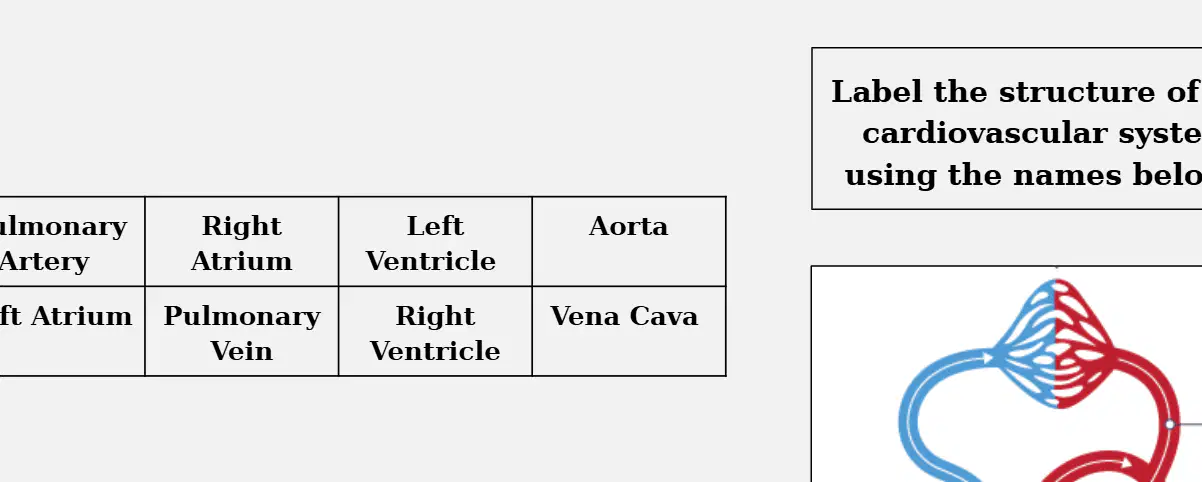
What is the name of the chamber that pumps oxygenated blood to the body?
Left Ventricle
Right Atrium
Right Ventricle
Pulmonary Artery
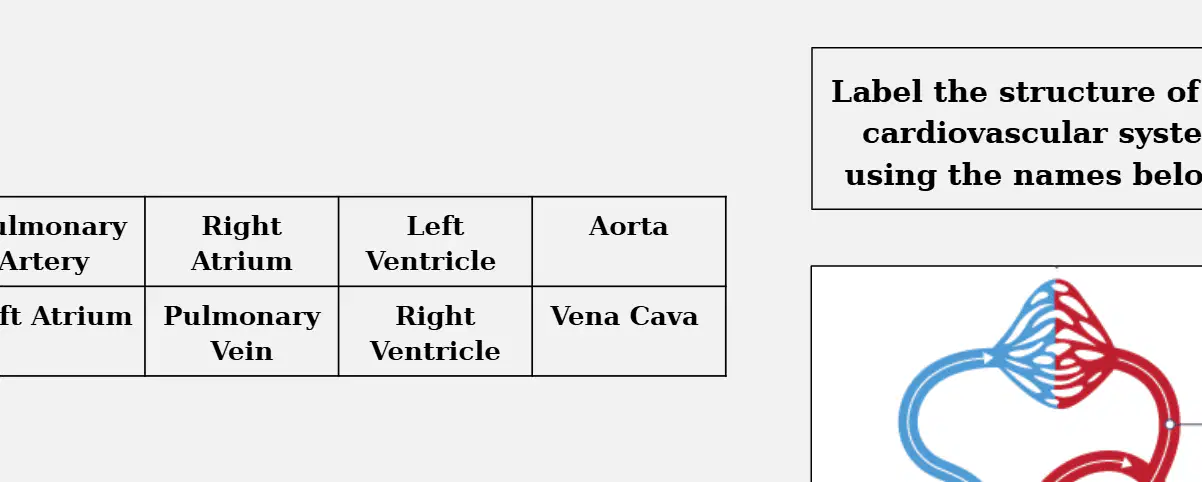
What is the name of the blood vessel that carries oxygenated blood from the heart to the body?
Aorta
Pulmonary Artery
Vena Cava
Right Atrium

Which part carries deoxygenated blood from the body to the heart?
Pulmonary vein
Vena cava
Aorta
Left atrium

Refer to the diagram of the human circulatory system. The blood vessel that carries oxygenated blood from the lungs to the heart is called the _______.
Pulmonary vein
Pulmonary artery
Aorta
Vena cava

Refer to the diagram of the human circulatory system. The right ventricle pumps deoxygenated blood to the lungs.
True
False

Refer to the diagram of the human circulatory system. Which color in the key represents oxygenated blood?
Blue
Red
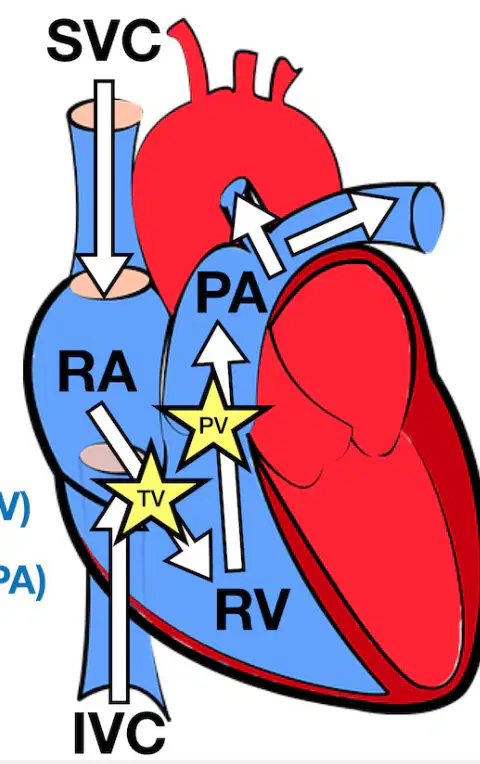
Fill in the blank: Blood flows from the Right Atrium (RA) to the _________.
Tricuspid Valve (TV)
Mitral Valve (MV)
Aortic Valve (AV)
Pulmonary Vein
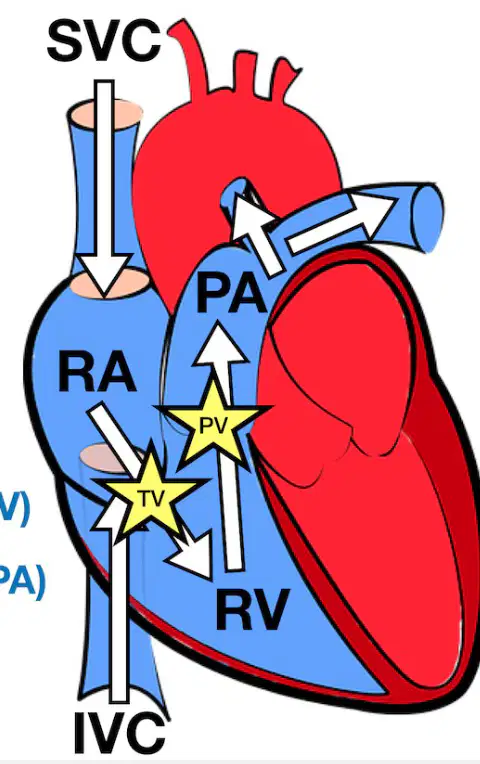
Fill in the blank: Blood flows from the Right Ventricle (RV) to the _________.
Pulmonary Valve (PV)
Left Atrium (LA)
Aorta
Mitral Valve (MV)
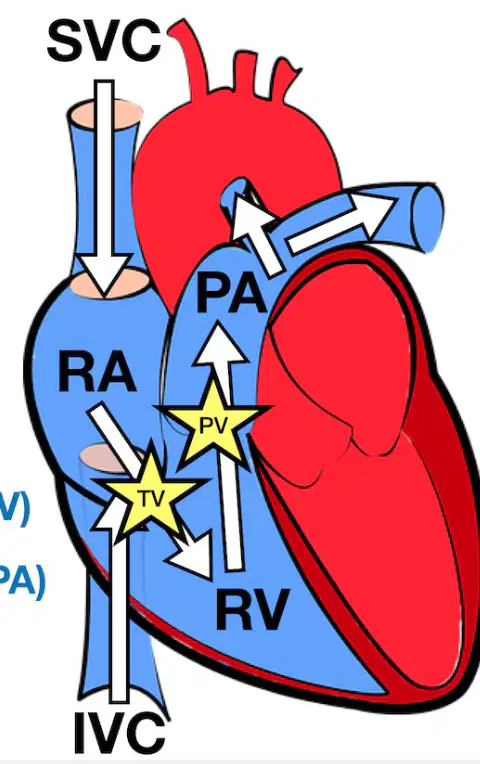
Fill in the blank: Blood flows from the Left Atrium (LA) to the _________.
Mitral Valve (MV)
Pulmonary Artery
Right Ventricle
Aortic Valve
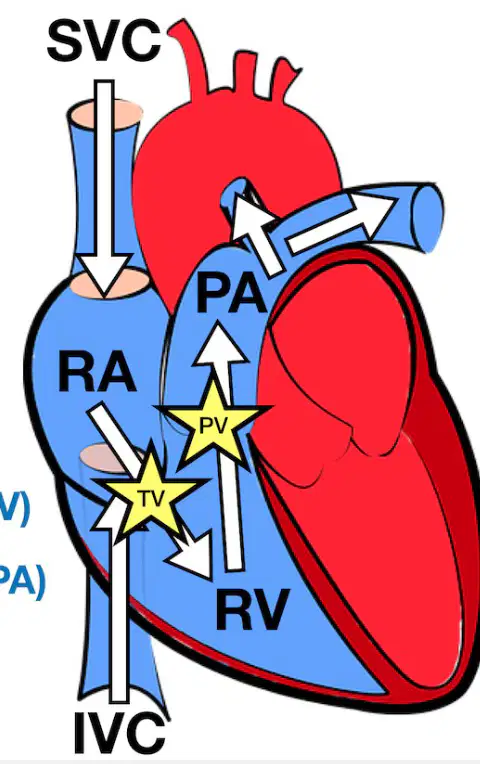
Fill in the blank: Blood flows from the Left Ventricle (LV) to the _________.
Aortic Valve (AV)
Pulmonary Vein
Right Atrium
Mitral Valve
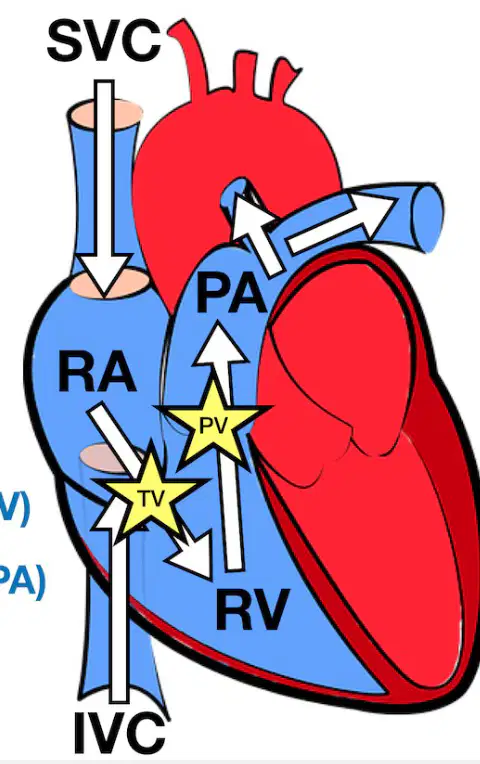
Which valve is located between the Right Atrium and the Right Ventricle?
Mitral Valve (MV)
Tricuspid Valve (TV)
Aortic Valve (AV)
Pulmonary Valve (PV)
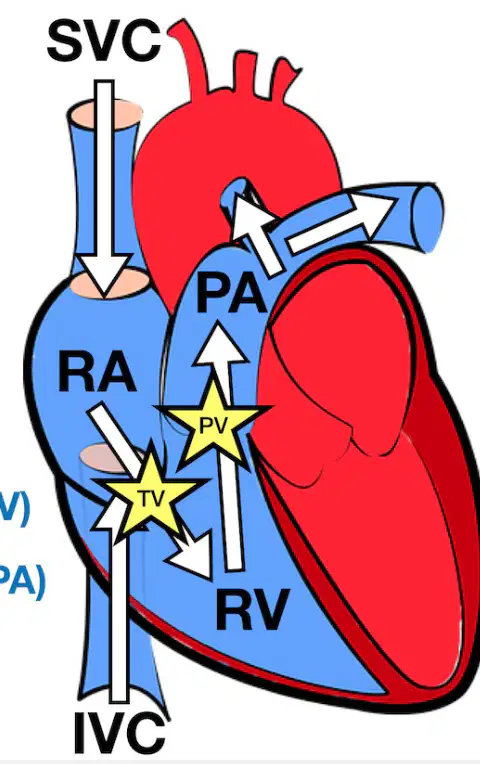
Which chamber receives blood from the Pulmonary Veins?
Right Atrium (RA)
Left Atrium (LA)
Right Ventricle (RV)
Left Ventricle (LV)
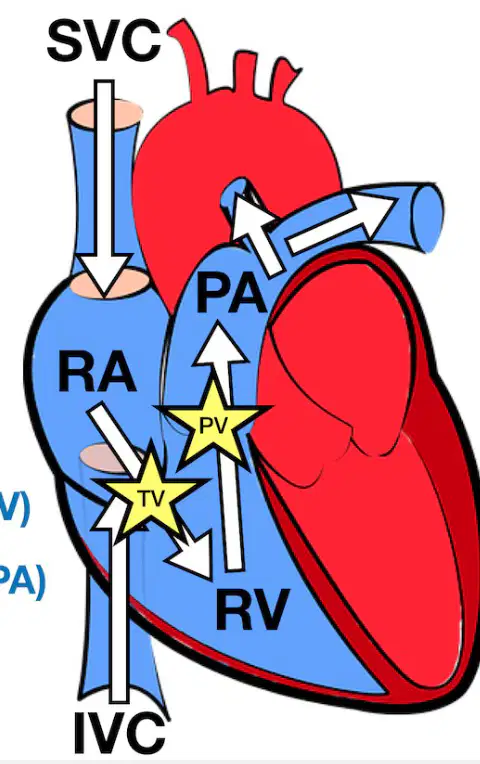
Which artery carries blood from the heart to the lungs?
A. Aorta
B. Pulmonary Artery (PA)
C. Superior Vena Cava (SVC)
D. Pulmonary Veins (PV)
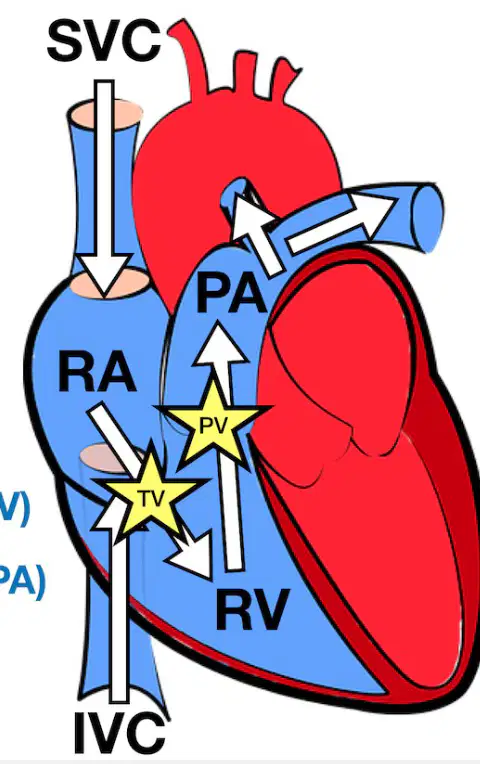
Which valve is found between the Left Atrium and the Left Ventricle?
Tricuspid Valve (TV)
Pulmonary Valve (PV)
Mitral Valve (MV)
Aortic Valve (AV)
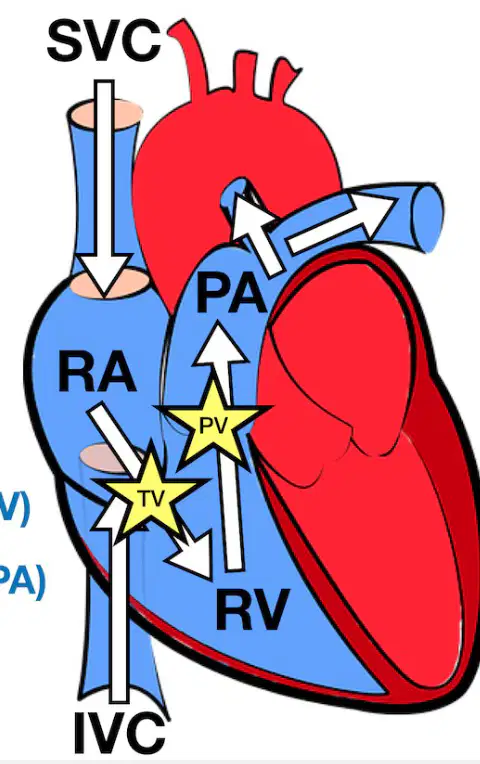
Fill in the blank: The ________ brings oxygenated blood from the lungs to the heart.
Pulmonary Veins (PV)
Pulmonary Artery
Aorta
Superior Vena Cava
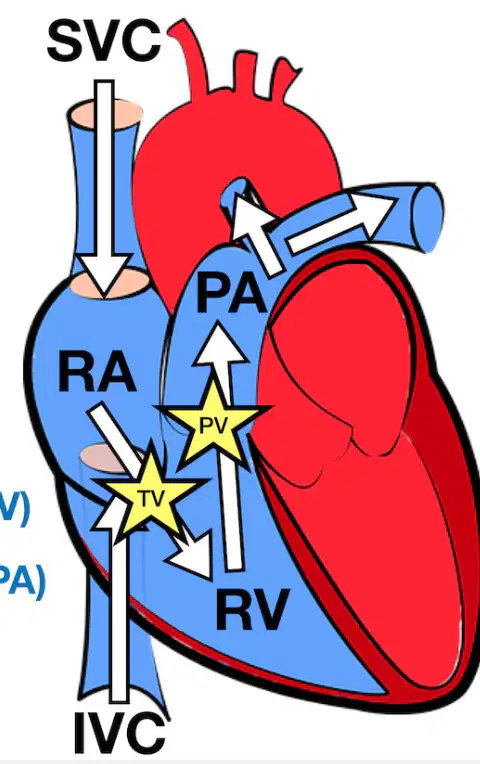
Fill in the blank: The ________ carries oxygenated blood from the heart to the rest of the body.
Aorta
Vena cava
Pulmonary artery
Right atrium

What is the name of the blood vessel that brings blood from the upper body to the heart?
Superior vena cava
Inferior vena cava
Pulmonary artery
Aorta

Which valve is located between the right atrium and right ventricle?
Tricuspid valve
Mitral valve
Aortic valve
Pulmonary valve

Which blood vessel carries blood from the right ventricle to the lungs?
Pulmonary artery
Aorta
Pulmonary vein
Superior vena cava

What is the function of the pulmonary veins?
To carry blood from the lungs to the heart
To carry blood from the heart to the lungs
To carry oxygen-poor blood to the body
To pump blood into the aorta

Which valve is located between the left atrium and left ventricle?
Mitral valve
Tricuspid valve
Pulmonary valve
Aortic valve

Which chamber of the heart receives blood from the body?
Right atrium
Left ventricle
Right ventricle
Left atrium

Which chamber of the heart pumps blood to the body?
Left ventricle
Right atrium
Left atrium
Right ventricle

What is the name of the valve that prevents blood from flowing back into the left ventricle?
Aortic valve
Mitral valve
Tricuspid valve
Pulmonary valve

Which blood vessel brings blood from the lower body to the heart?
Inferior vena cava
Aorta
Pulmonary vein
Superior vena cava
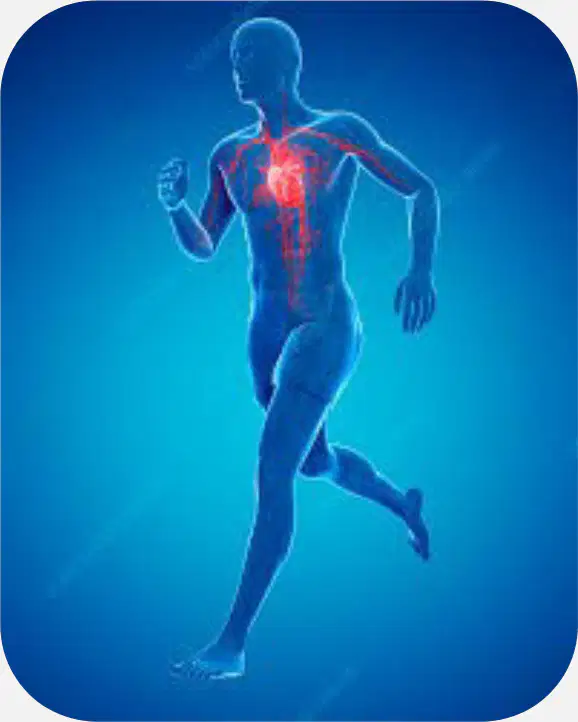
Describe how the cardiovascular system functions in relation to exercise: What happens to heart rate (HR) when exercise begins?
A) It decreases
B) It stays the same
C) It increases
D) It stops
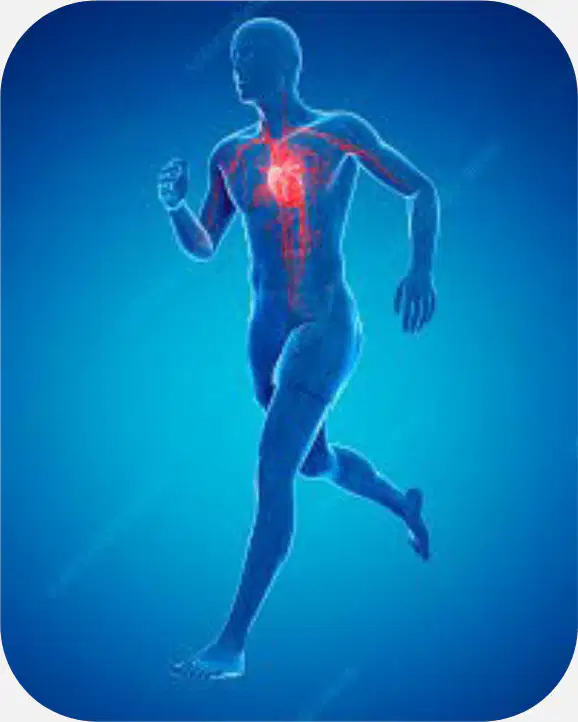
Describe how the cardiovascular system functions in relation to exercise: When exercise begins, the brain signals the heart to beat _______.
faster
slower
softer
irregularly
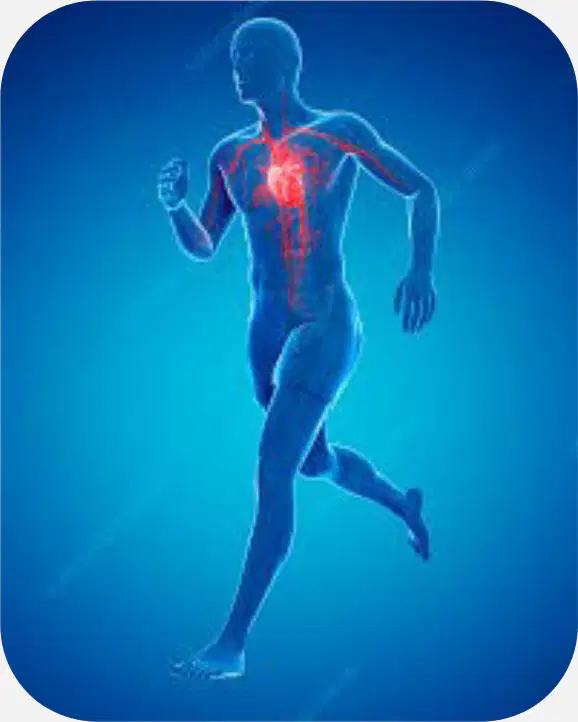
Describe how the cardiovascular system functions in relation to exercise: True or False: The number of times blood is pumped each minute increases when exercise begins.
True
False
At rest, how is blood distributed throughout the body?
Mostly to the muscles
Fairly evenly throughout the body (digestive organs, kidneys, muscles, brain, etc.)
Only to the brain
Only to the digestive organs
During exercise, __________ (widening of blood vessels) in the muscles increases blood flow to working tissues.
vasodilation
constriction
filtration
absorption
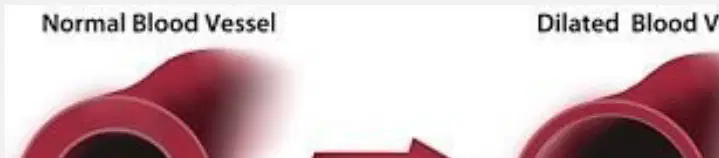
According to the diagram, what are the effects of vasodilation during exercise?
Decreased transport of oxygen and nutrients
Increased transport of oxygen, nutrients, and glucose; decreased blood pressure; removal of cellular waste products
Increased blood pressure
No change in blood flow
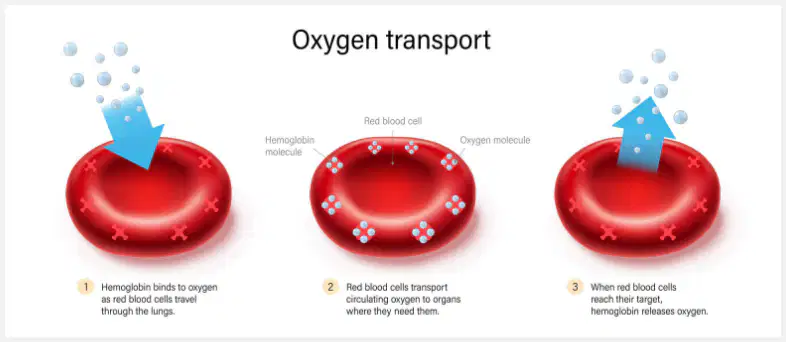
Describe how the cardiovascular system functions in relation to exercise. What role do red blood cells play in oxygen transport?
Red blood cells carry oxygen bound to haemoglobin.
Red blood cells produce oxygen in the lungs.
Red blood cells remove carbon dioxide from the air.
Red blood cells digest nutrients in the bloodstream.
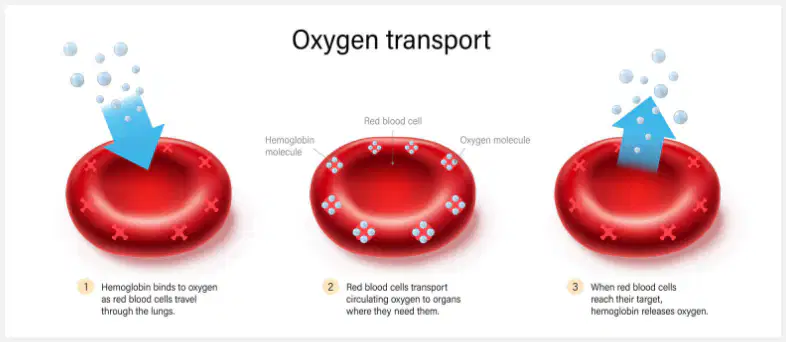
Describe how the cardiovascular system functions in relation to exercise. What happens to breathing rate and depth during exercise?
Breathing rate and depth increase during exercise.
Breathing rate and depth decrease during exercise.
Breathing rate increases but depth decreases during exercise.
Breathing rate and depth remain unchanged during exercise.
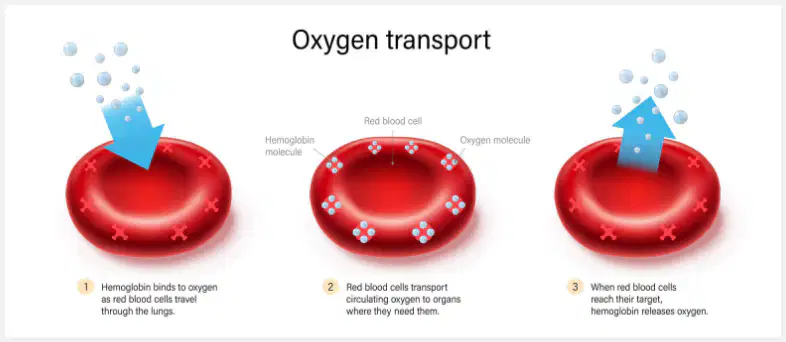
Describe how the cardiovascular system functions in relation to exercise. Which molecule in red blood cells binds to oxygen?
Myoglobin
Hemoglobin
Insulin
Glucose
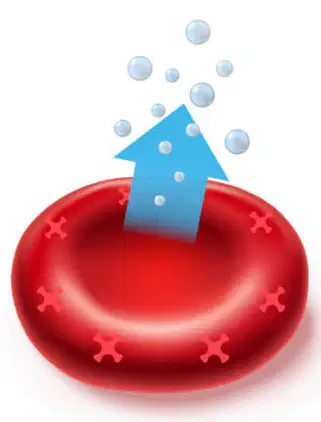
The cardiovascular system functions in relation to exercise by:
increasing heart rate and blood flow to supply muscles with more oxygen
decreasing heart rate and reducing oxygen delivery to muscles
stopping blood flow to non-essential organs during exercise
causing the body to lose less heat during physical activity
Iron plays a central role in red blood cell production. It is a vital component of ________, the protein responsible for binding oxygen to red blood cells.
hemoglobin
insulin
keratin
collagen
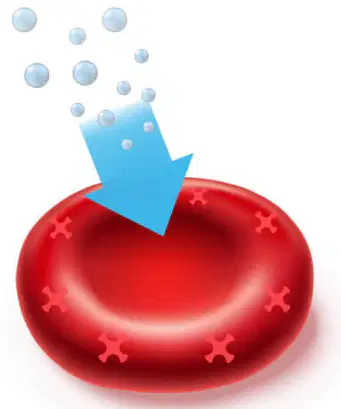
Hemoglobin binds to ________ as red blood cells travel through the lungs.
oxygen
carbon dioxide
glucose
nitrogen
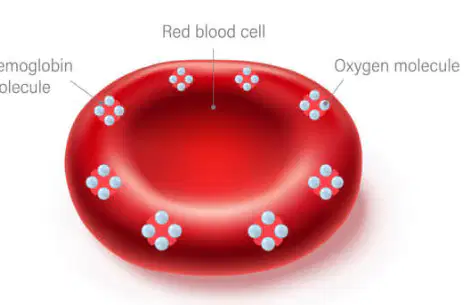
Red blood cells transport circulating oxygen to ________ where they need them.
organs
bones
veins
cartilage
When red blood cells reach their target, hemoglobin releases ________.
oxygen
carbon dioxide
glucose
nitrogen
Describe how the cardiovascular system functions in relation to exercise: Removal of Waste Products. Fill in the blank: Carbon dioxide (from metabolism) is carried back to the ______ and exhaled.
lungs
liver
kidneys
muscles
What happens to lactic acid in the blood after exercise?
It is stored as fat
It is buffered in the blood and either reused for energy or broken down
It is converted to oxygen
It is exhaled
What happens to systolic blood pressure (pressure when the heart contracts) during exercise?
Systolic blood pressure rises during exercise to help push blood through arteries more quickly.
Systolic blood pressure drops significantly during exercise.
Systolic blood pressure remains completely unchanged during exercise.
Systolic blood pressure falls to zero during exercise.
What happens to diastolic pressure (pressure when the heart relaxes) during exercise?
Diastolic pressure stays roughly the same or changes very little.
Diastolic pressure increases significantly.
Diastolic pressure drops to zero.
Diastolic pressure fluctuates wildly.
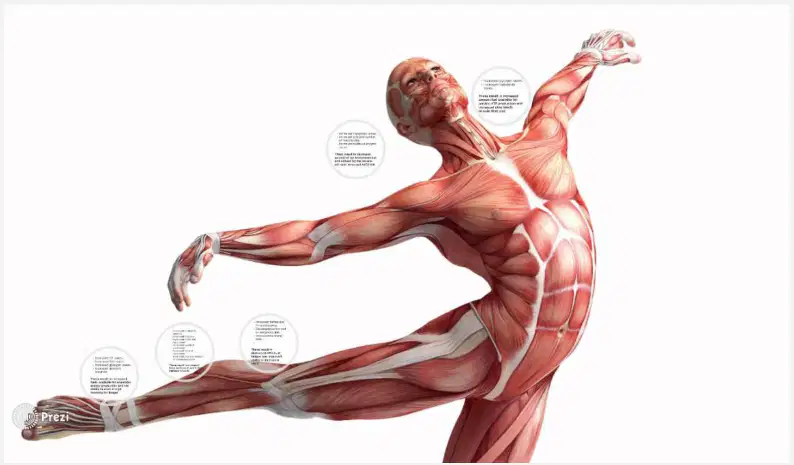
Describe how the cardiovascular system functions in relation to exercise. Long-Term Adaptations from Regular Exercise Fill in the blank: One long-term adaptation from regular exercise is that resting heart rate ________ (increases/decreases), indicating greater efficiency.
decreases
increases
remains the same
fluctuates unpredictably
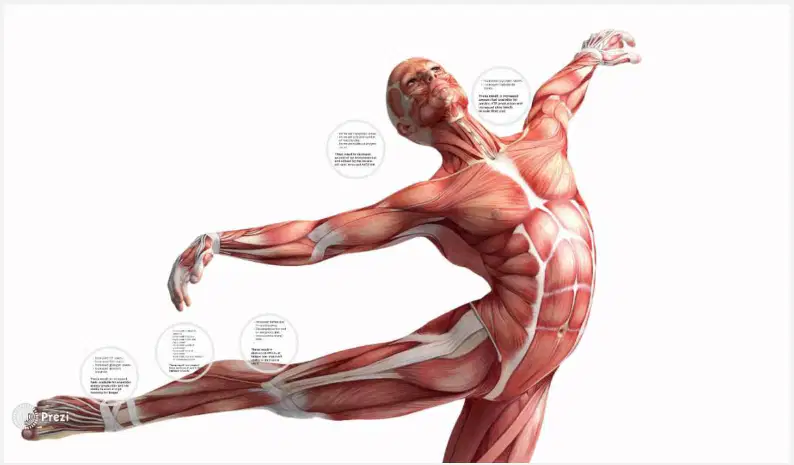
Describe how the cardiovascular system functions in relation to exercise. Fill in the blank: Stroke volume and cardiac output ________ as a result of regular exercise.
improve
decrease
remain unchanged
deteriorate
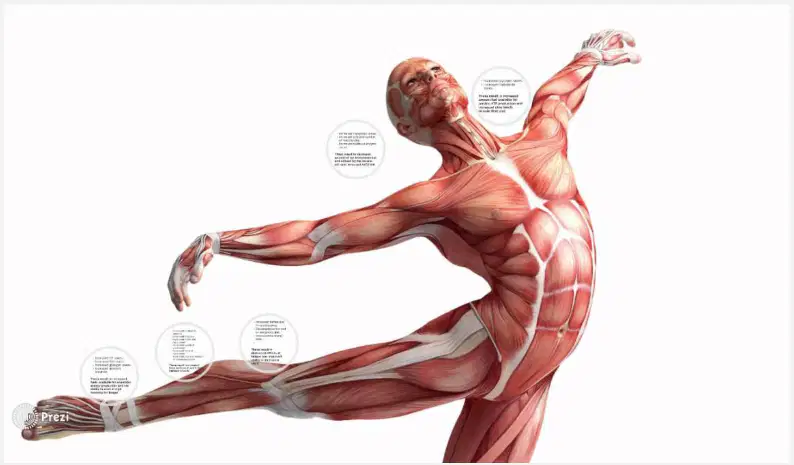
Describe how the cardiovascular system functions in relation to exercise. Long-Term Adaptations from Regular Exercise Fill in the blank: Capillary networks in muscles ________, improving oxygen delivery, as a long-term adaptation from regular exercise.
expand
contract
weaken
disappear
Fill in the blank: During exercise, the cardiovascular system works harder and more efficiently to supply ______ and nutrients to muscles, while clearing waste, maintaining blood pressure, and adjusting blood flow to where it’s most needed.
oxygen
carbon dioxide
glucose
lactic acid
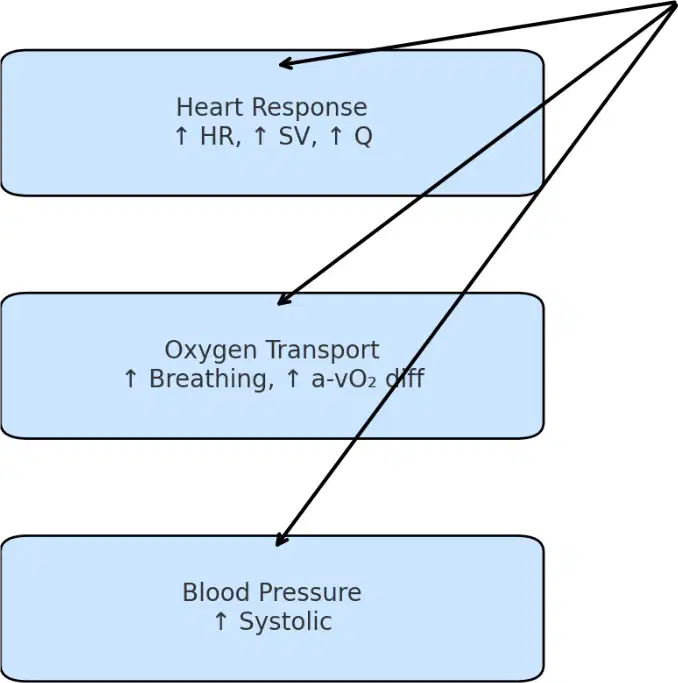
Fill in the blank: During exercise, the heart response includes an increase in __.
HR, SV, Q
BP, RR, TV
O2, CO2, H2O
Glucose, Insulin, Cortisol
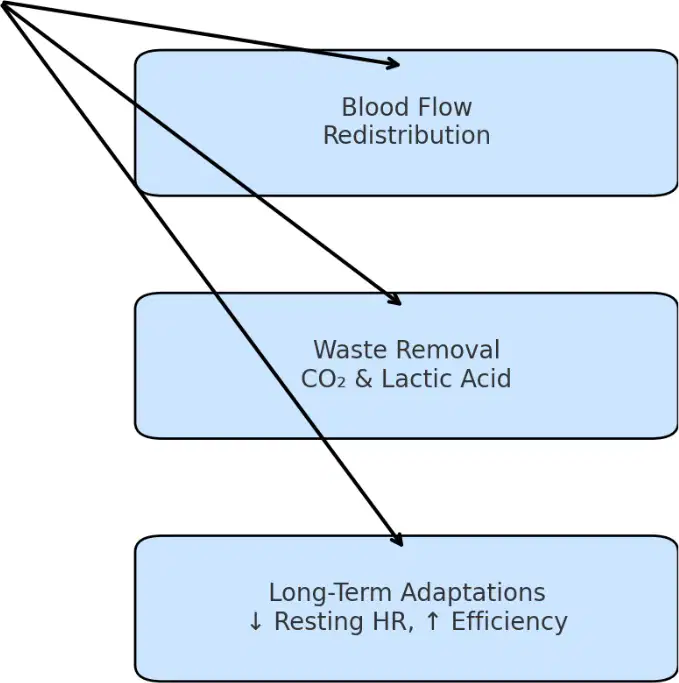
Fill in the blank: Exercise causes blood flow ________.
redistribution
reduction
evaporation
solidification
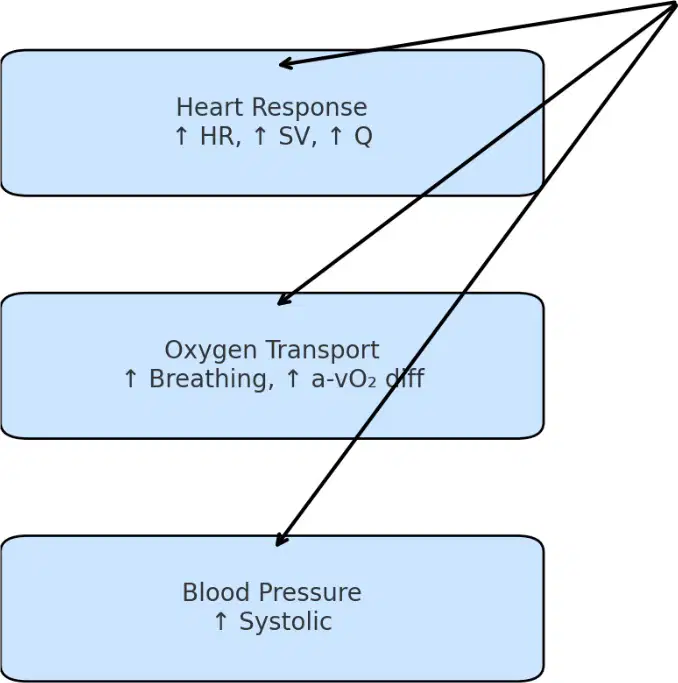
Fill in the blank: Oxygen transport during exercise is improved by increased breathing and increased ________ difference.
a-vO2
CO2
pH
temperature
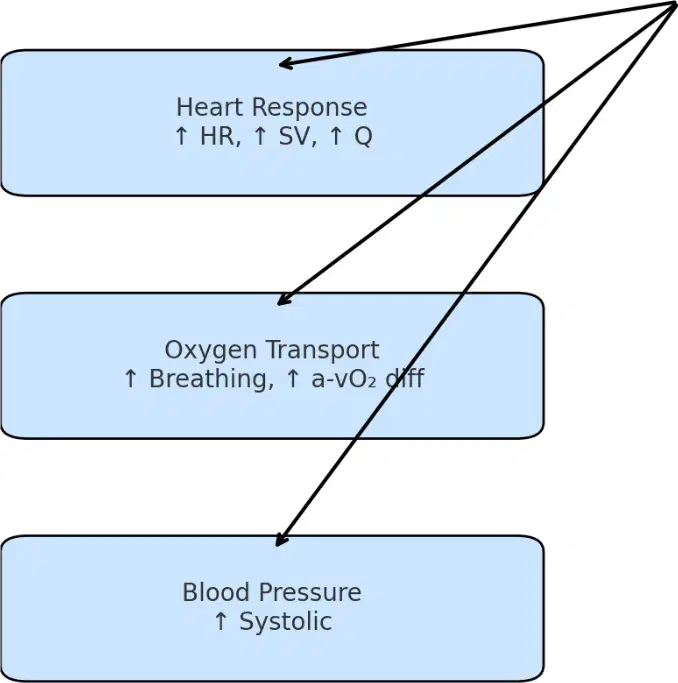
Fill in the blank: Exercise increases blood pressure, specifically the ________ pressure.
systolic
diastolic
arterial
venous
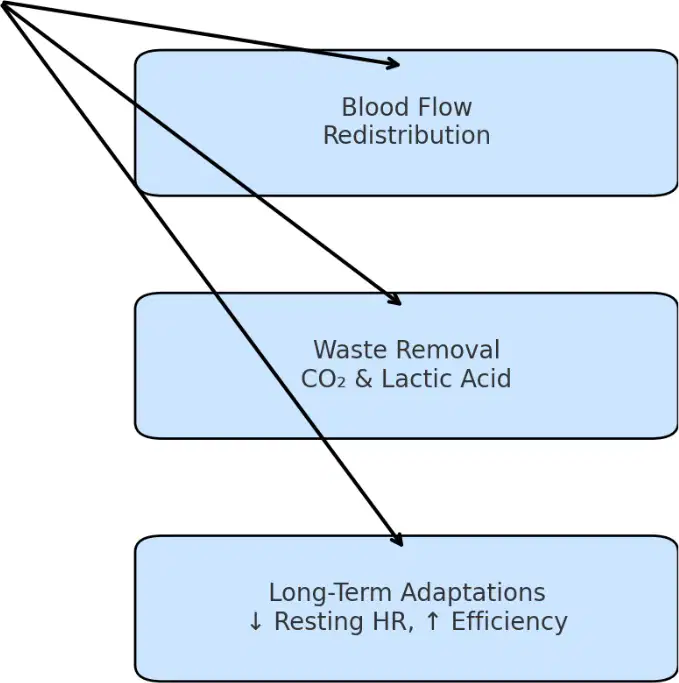
Fill in the blank: Waste removal during exercise involves the removal of CO2 and ________ acid.
lactic
hydrochloric
sulfuric
citric
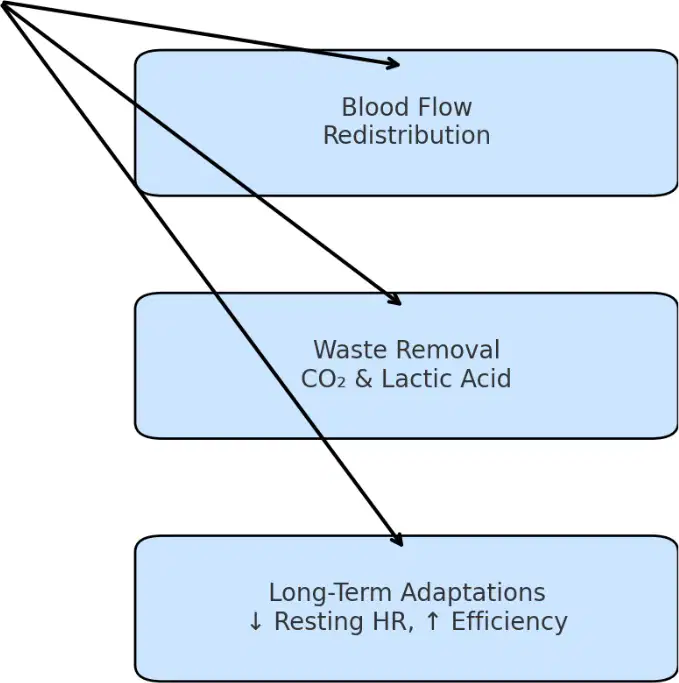
Fill in the blank: Long-term adaptations to exercise include a decrease in resting HR and an increase in ________.
efficiency
fatigue
blood sugar
injury risk
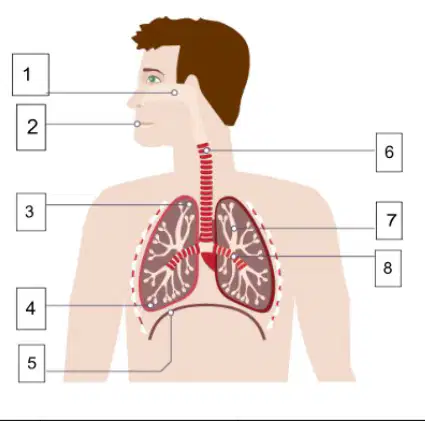
Label the structure of the respiratory system using the names below: Fill in the blanks for each labeled part in the diagram: 1: ______ 2: ______ 3: ______ 4: ______ 5: ______ 6: ______ 7: ______ 8: ______
1: Nasal cavity, 2: Mouth, 3: Trachea, 4: Bronchus, 5: Diaphragm, 6: Lung, 7: Bronchiole, 8: Alveoli
1: Mouth, 2: Nasal cavity, 3: Bronchus, 4: Trachea, 5: Lung, 6: Diaphragm, 7: Alveoli, 8: Bronchiole
1: Trachea, 2: Bronchus, 3: Nasal cavity, 4: Mouth, 5: Bronchiole, 6: Alveoli, 7: Diaphragm, 8: Lung
1: Alveoli, 2: Bronchiole, 3: Lung, 4: Diaphragm, 5: Mouth, 6: Nasal cavity, 7: Trachea, 8: Bronchus
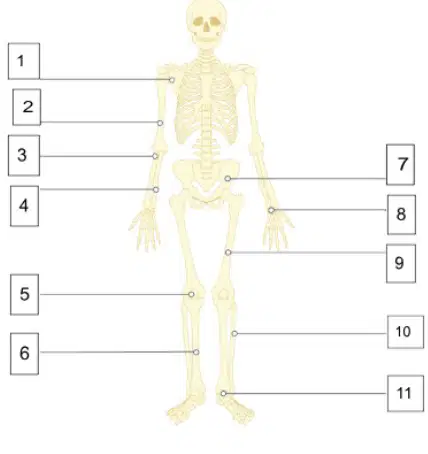
Label the structure of the skeletal system using the names below. Write the correct bone name for each number (1-11) on the diagram.
1: Scapula 2: Humerus 3: Radius 4: Ulna 5: Pelvis 6: Femur 7: Patella 8: Tibia 9: Fibula 10: Carpals 11: Talus
1: Clavicle 2: Femur 3: Tibia 4: Fibula 5: Sternum 6: Radius 7: Ulna 8: Humerus 9: Scapula 10: Tarsals 11: Metatarsals
1: Sternum 2: Radius 3: Ulna 4: Humerus 5: Clavicle 6: Tibia 7: Fibula 8: Femur 9: Patella 10: Phalanges 11: Calcaneus
1: Pelvis 2: Scapula 3: Femur 4: Radius 5: Ulna 6: Humerus 7: Tibia 8: Fibula 9: Patella 10: Metacarpals 11: Tarsals

