
 Worksheets
Learning Objectives
Total questions: 99
Worksheet time: 50mins
Define pharmaceutics and pharmacokinetics and explain their importance in pharmacy.
Pharmaceutics is the science of dosage form design, while pharmacokinetics is the study of how drugs move through the body. Both are important in pharmacy for ensuring effective and safe medication use.
Pharmaceutics is the study of drug interactions, while pharmacokinetics is the science of plant-based medicines. Both are important for herbal medicine preparation.
Pharmaceutics is the process of drug approval, while pharmacokinetics is the study of drug marketing. Both are important for pharmaceutical business management.
Pharmaceutics is the science of drug pricing, while pharmacokinetics is the study of drug patents. Both are important for pharmacy economics.
Identify and describe examples of drug and pharmaceutical excipients.
Examples of drug excipients include binders, fillers, disintegrants, lubricants, and preservatives.
Examples of drug excipients include antibiotics, analgesics, and antihistamines.
Examples of drug excipients include vaccines, hormones, and enzymes.
Examples of drug excipients include vitamins, minerals, and amino acids.
Compare and contrast drug, dosage forms, and drug delivery systems.
A drug is the active pharmaceutical ingredient, dosage forms are the physical forms in which drugs are produced (e.g., tablets, capsules), and drug delivery systems are methods or devices for delivering drugs to the body.
A drug is the device used to administer medication, dosage forms are only liquids, and drug delivery systems are the chemical structure of the drug.
A drug is the packaging material, dosage forms are the flavors added to medicines, and drug delivery systems are the inactive ingredients.
A drug is the method of administration, dosage forms are the routes of absorption, and drug delivery systems are the shapes of tablets.
Differentiate chemical, brand, and generic (INN and USAN) drug names.
Chemical names describe the chemical structure, brand names are given by manufacturers, and generic names (INN and USAN) are standardized nonproprietary names.
Chemical names are always the same as brand names, while generic names are unique to each country.
Brand names are standardized internationally, while chemical and generic names are chosen by manufacturers.
Generic names (INN and USAN) are proprietary, while chemical and brand names are nonproprietary.
Describe factors to consider in dosage form design.
Factors include drug properties, route of administration, patient compliance, stability, and release profile.
Only the color and taste of the drug are important.
Dosage form design depends solely on marketing strategies.
The only factor is the cost of production.
Retrieve drug information from reliable online sources.
Reliable online sources include PubMed, FDA website, and drug information databases like Lexicomp and Micromedex.
Social media platforms like Facebook and Twitter are the best sources for drug information.
Personal blogs and forums provide the most accurate drug information.
Wikipedia is the only reliable source for drug information.
List and describe common dosage forms and identify the nature of the API within them.
Common dosage forms include tablets, capsules, solutions, and suspensions. The API is the active ingredient responsible for the drug's effect.
Common dosage forms include only liquids and creams. The API is always an inactive ingredient.
Common dosage forms are limited to injectables and ointments. The API is the preservative in the formulation.
Common dosage forms include only powders and gels. The API is the coloring agent in the drug.
Compare and contrast enteral and parenteral routes of administration.
Enteral routes involve the gastrointestinal tract (oral, rectal), while parenteral routes bypass it (injection, infusion).
Enteral routes are only used for emergency medications, while parenteral routes are used for long-term therapy.
Parenteral routes involve the gastrointestinal tract, while enteral routes bypass it.
Both enteral and parenteral routes exclusively use oral administration.
Describe the features of common routes of administration.
Common routes include oral, intravenous, intramuscular, and subcutaneous, each with specific absorption rates and uses.
All routes of administration have identical absorption rates and are used interchangeably.
Only oral administration is considered a common route for all medications.
Common routes include only topical and inhalational methods, excluding injections.
Define bioavailability and describe factors that influence bioavailability.
Bioavailability is the proportion of a drug that enters circulation and is available for action. Factors include drug formulation, route of administration, and metabolism.
Bioavailability is the rate at which a drug is excreted from the body. Factors include kidney function, age, and hydration.
Bioavailability is the ability of a drug to bind to plasma proteins. Factors include protein levels, drug solubility, and temperature.
Bioavailability is the process by which a drug is metabolized in the liver. Factors include liver enzyme activity, diet, and genetic makeup.
Describe ADME processes.
ADME stands for Absorption, Distribution, Metabolism, and Excretion, which are the processes drugs undergo in the body.
ADME stands for Antibody, Digestion, Mutation, and Elimination, which are the processes drugs undergo in the body.
ADME stands for Absorption, Digestion, Metabolism, and Excretion, which are the processes nutrients undergo in the body.
ADME stands for Assimilation, Distribution, Mutation, and Excretion, which are the processes drugs undergo in the body.
Compare and contrast the processes a drug goes through following oral and IV administration.
Oral administration involves absorption through the GI tract and first-pass metabolism, while IV administration delivers the drug directly into the bloodstream, bypassing absorption and first-pass effect.
Oral administration delivers the drug directly into the bloodstream, while IV administration requires absorption through the GI tract and first-pass metabolism.
Both oral and IV administration involve absorption through the GI tract and first-pass metabolism.
IV administration is always slower than oral administration due to the need for absorption.
Define first pass metabolism.
First pass metabolism is the initial metabolism of a drug in the liver after oral administration, before it reaches systemic circulation.
First pass metabolism is the process by which drugs are excreted unchanged in the urine.
First pass metabolism refers to the breakdown of drugs in the stomach before absorption.
First pass metabolism is the conversion of drugs into active metabolites in the kidneys.
Explain the relationship between pharmaceutics and pharmacokinetics.
Pharmaceutics affects how a drug is formulated and delivered, which in turn influences its pharmacokinetics (absorption, distribution, metabolism, excretion).
Pharmaceutics and pharmacokinetics are unrelated fields with no impact on each other.
Pharmacokinetics determines the chemical structure of drugs, while pharmaceutics studies their side effects.
Pharmaceutics only deals with drug marketing, while pharmacokinetics focuses on patient compliance.
What is pharmaceutics?
Pharmaceutics is the science of dosage form design, manufacturing, and delivery to the site of action.
Pharmaceutics is the study of plant-based medicines only.
Pharmaceutics is the process of diagnosing diseases.
Pharmaceutics is the art of preparing herbal teas.
Which of the following is NOT listed as an importance of pharmaceutics to pharmacy?
Formulation
Stability
Effectiveness
Diagnosis
Manufacturing
List one importance of pharmaceutics to pharmacy.
Formulation, Stability, Effectiveness, or Manufacturing
Coloring agents in tablets
Packaging design only
Advertising pharmacy products
Which exam includes questions on pharmaceutics as part of its foundational knowledge for pharmacy practice?
NAPLEX
USMLE
MCAT
DAT
How many questions in Domain 1 of the NAPLEX exam are related to calculations, pharmaceutics, pharmacokinetics, and pharmacodynamics?
50 questions (25% of exam)
30 questions (15% of exam)
70 questions (35% of exam)
100 questions (50% of exam)
Understanding the reasoning behind dosing schedules and available dosage forms makes memorizing easier.
True
False
Name two topics included in Domain 1 of the NAPLEX exam.
calculations, pharmaceutics, pharmacokinetics, pharmacodynamics
anatomy, physiology, biochemistry, genetics
microbiology, immunology, pathology, surgery
psychiatry, neurology, cardiology, dermatology
According to the FDA definition provided, what is a drug?
Any product approved for the use in diagnosis, cure, mitigation, treatment, or prevention of disease; and that is intended to affect structure or any function of the body.
Any substance used only for cosmetic purposes and not intended to affect the structure or function of the body.
Any food product that provides nutritional value but does not affect the structure or function of the body.
Any device used externally on the body for physical support or protection.
Based on the FDA definition, a drug is:
A substance intended for use in the diagnosis, cure, mitigation, treatment, or prevention of disease.
A type of food supplement for daily nutrition.
A device used for physical therapy.
A vitamin that boosts energy levels.
What is the physical form of a pharmaceutical formulation called?
Dosage form
Solution
Suspension
Excipient
Pharmaceutical excipients are also known as ______ ingredients.
inactive
active
volatile
reactive
Which of the following is NOT a common pharmaceutical dosage form?
Tablets
Suppositories
Gels
Fruits
Is the following statement True or False? 'Capsules are a common pharmaceutical dosage form.'
True
False
Select the option that lists three common pharmaceutical dosage forms.
Tablets, capsules, and syrups
Tablets, injections, and bandages
Capsules, ointments, and thermometers
Syrups, plasters, and stethoscopes
Fill in the blank: A vehicle for convenient and safe delivery of accurate and precise dose of an active pharmaceutical ingredient combined with pharmaceutical excipients is called a ______.
dosage form
suspension
capsule
syrup
Which of the following is a pharmaceutical excipient?
Active ingredient
Inactive ingredient
Water only
None of the above
What are drug delivery systems?
Specialized dosage forms with a specific drug release rate and/or a pre-programmed drug released site
Methods to increase drug prices
Techniques to manufacture drugs faster
Ways to store drugs for longer periods
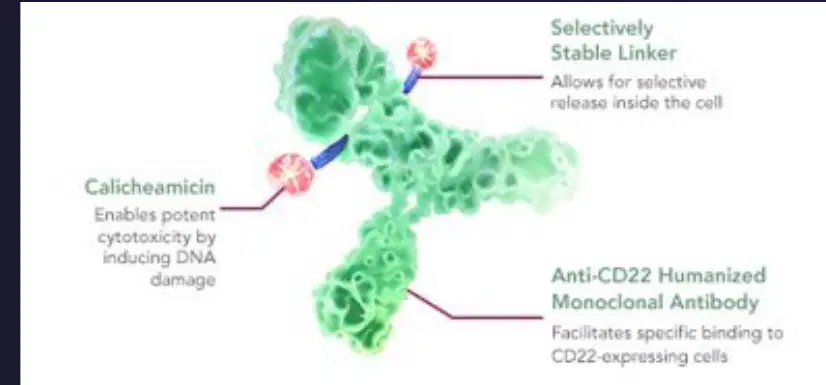
Which of the following is an example of a drug delivery system shown in the image?
Nicotine Transdermal Patch
BESPOSA (inotuzumab ozogamicin) for injection
Calicheamicin-antibody conjugate
All of the above
Fill in the blank: Drug delivery systems are specialized dosage forms with a specific _______ and/or a pre-programmed drug released site.
drug release rate
color
taste
shape
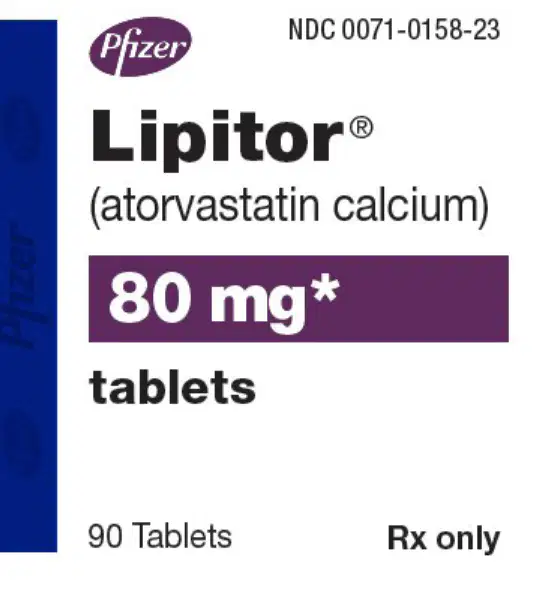
What is the brand name of the medication shown on the product label?
Lipitor
Zocor
Crestor
Pravachol
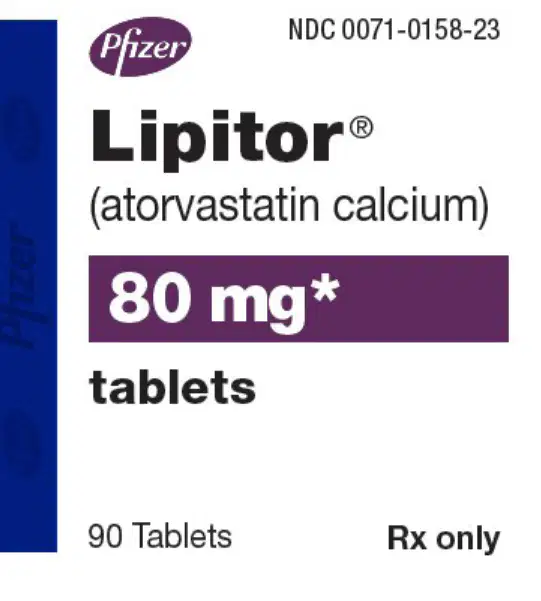
What is the dosage strength of each Lipitor tablet as shown on the label?
10 mg
20 mg
40 mg
80 mg
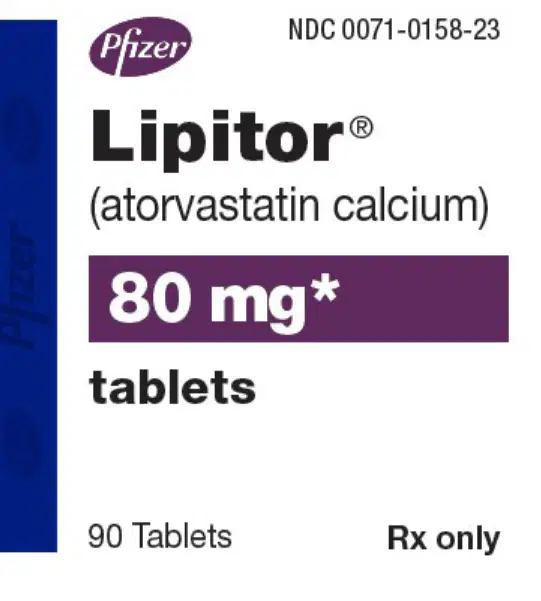
Lipitor contains which active ingredient?
Simvastatin
Atorvastatin calcium
Rosuvastatin
Pravastatin
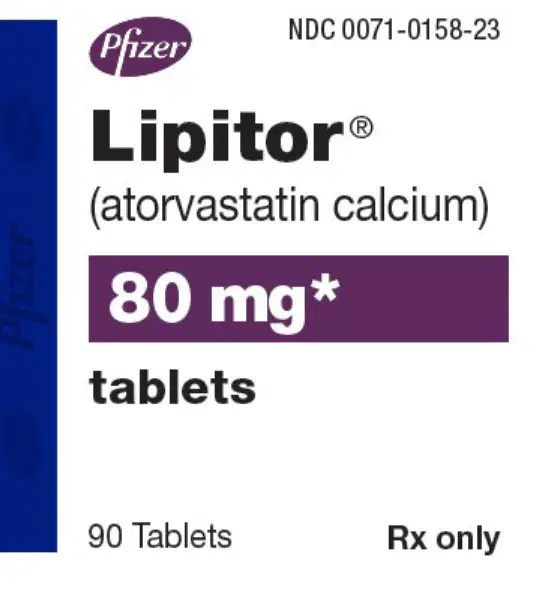
What is the dosage form of Lipitor as indicated on the label?
Tablets
Capsules
Oral Solution
Injection
According to the label, at what temperature should Lipitor be stored?
0-10°C (32-50°F)
10-20°C (50-68°F)
20-25°C (68-77°F)
25-30°C (77-86°F)
Where is Lipitor made, according to the product label?
Ireland
Germany
United States
India
Who distributes Lipitor as shown on the label?
Merck
Parke-Davis, Division of Pfizer Inc
AstraZeneca
Novartis
Based on the product label, what is the dosage form of Linezolid for Oral Suspension?
Tablet
Capsule
Oral Suspension
Suppository
According to the product label, what is the strength of Diltiazem Hydrochloride Extended-Release Capsules, USP?
100 mg
240 mg
0.4 mg
25 mg
Fill in the blank: The dosage form of Nitroglycerin Sublingual Tablets, USP is _________.
Sublingual Tablet
Oral Solution
Topical Cream
Injectable Suspension
According to the product label, what is the strength of Prochlorperazine Suppositories?
0.4 mg
25 mg
100 mg
240 mg

Which of the following is NOT a classification of dosage forms according to the image?
A) Physical State
B) Intended Action
C) Duration of Action
D) Chemical Structure

Which of the following is NOT listed as a physical state of dosage forms?
Dispersement Systems
Solids
Semi-solids
Gases

Fill in the blank: The two types of intended action for dosage forms are _______ and _______.
Systemic, Local
Oral, Topical
Immediate, Delayed
Solid, Liquid

Which of the following is a route of administration according to the image?
Oral
Enteral
Topical
Inhalation

Fill in the blank: The two types of duration of action for dosage forms are _______ and _______.
Fast-acting, Long-acting
Short-acting, Delayed-release
Immediate-release, Extended-release
Rapid-onset, Sustained-release

Which of the following is NOT a route of administration listed in the image?
A) Enteral
B) Parenteral
C) Topical
D) None of the above

Fill in the blank: The four main classifications of dosage forms are Physical State, Intended Action, Duration of Action, and _______.
Route of Administration
Chemical Structure
Dosage Strength
Packaging Type

Which of the following is a physical state of dosage forms?
Systemic
Parenteral
Liquids
Long-acting
Fill in the blank: One of the factors to consider in dosage form design is the therapeutic consideration of _______ state and patient.
disease
economic
environmental
nutritional
Which of the following is a factor to consider in dosage form design?
A) Physical and chemical properties of the API
B) Marketing strategies
C) Packaging design
D) None of the above
Fill in the blank: Biopharmaceutical _______ is a factor to consider in dosage form design.
considerations
reactions
colors
flavors
Which of the following is a nature of illness to consider in dosage form design?
Acute
Chronic
Both A and B
None of the above
What are the two manners in which an illness can be treated according to therapeutic considerations in dosage form design?
Systemic and Local
Acute and Chronic
Direct and Indirect
Primary and Secondary
Which of the following is NOT a patient age group considered in dosage form design?
A) Pediatric
B) Geriatric
C) Adult
D) Both A and B
Patient condition in dosage form design includes which of the following?
Comatose
Ambulatory
Both A and B
None of the above
Name any two patient factors that can alter response to drugs.
Patient age, Body weight
Drug expiry date, Storage temperature
Prescription handwriting, Pharmacy location
Tablet color, Manufacturer logo
Pregnancy is a patient factor that can alter response to drugs.
True
False
Which of the following is a physiological factor that can alter drug response?
Genetic make-up
Milieu
Physiological reserve
All of the above
Fill in the blank: ________ and ________ are two types of patient age groups considered in dosage form design.
Pediatric and Geriatric
Adult and Neonatal
Adolescent and Infant
Middle-aged and Elderly
What is the disease to be treated according to the target drug product profile?
Osteoarthritis
Diabetes
Hypertension
Asthma
What is the patient type for the target drug product profile?
Adults over 40 years, including geriatric
Children under 12 years
Pregnant women only
Athletes under 30 years
Infants and toddlers
What is the route of administration for the target drug product profile?
Oral
Intravenous
Topical
Inhalation
What is the dosage/presentation for the target drug product profile?
Immediate release tablet
Extended release capsule
Oral suspension
Transdermal patch
What is the dose and frequency for the target drug product profile?
Once daily
Twice weekly
Every 8 hours
Once monthly
What are the aesthetic aspects for the target drug product profile?
Color to differentiate strength, taste to reduce bitterness
Shape to increase solubility, odor to enhance absorption
Viscosity to improve stability, pH to increase shelf life
Particle size to reduce cost, density to increase potency

What dosage form is shown in the image?
Tablet
Capsule
Syrup
Injection

What dosage form is shown in the image?
Capsule
Tablet
Syrup
Ointment

What dosage form is shown in the image?
Lozenge
Tablet
Capsule
Syrup

Look at the image of a spoon with liquid being poured. What dosage form is shown in the image?
Syrup
Tablet
Capsule
Ointment

Look at the image of a spoon with powder. What dosage form is shown in the image?
Powder
Tablet
Capsule
Syrup

Look at the image of a glass with blue liquid and a spoon. What dosage form is shown in the image?
Oral solution
Tablet
Capsule
Ointment

Look at the image of a tube applying cream to skin. What dosage form is shown in the image?
Topical cream/ointment
Oral tablet
Injectable solution
Nasal spray

What dosage form is shown in the image?
Transdermal patch
Oral tablet
Nasal spray
Eye drops

What dosage form is shown in the image?
Foam
Tablet
Ointment
Solution

What dosage form is shown in the image?
Medicated shampoo
Oral tablet
Eye drops
Topical ointment

What dosage form is shown in the image?
Eye drops
Tablets
Ointment
Syrup

What dosage form is shown in the image?
Nasal spray
Oral tablet
Topical cream
Eye drops

What dosage form is shown in the image?
Dry powder inhaler
Oral tablet
Transdermal patch
Nasal spray

Look at the image of a blue inhaler. What dosage form is shown in the image?
Metered dose inhaler
Nasal spray
Oral tablet
Topical cream

What dosage form is shown in the image?
Nebulizer solution
Tablet
Ointment
Syrup

Look at the image of a person receiving an intravenous injection. What dosage form is shown in the image?
Intravenous injection
Oral tablet
Topical cream
Inhalation spray

Look at the image of a person receiving an intramuscular injection. What dosage form is shown in the image?
Intramuscular injection
Oral tablet
Topical cream
Inhalation aerosol
Name one characteristic that pharmaceutical excipients help to formulate in an acceptable physical form.
Size
Color
Taste
Odor
Name one characteristic that pharmaceutical excipients help to formulate in an acceptable physical form.
Shape
Color
Taste
Odor
Name one characteristic that pharmaceutical excipients help to formulate in an acceptable physical form.
Texture
Color
Odor
Taste
Name one characteristic that pharmaceutical excipients help to formulate in an acceptable physical form.
Taste/odor
Color of packaging
Expiration date
Manufacturer's address
Name one characteristic that pharmaceutical excipients help to formulate in an acceptable physical form.
Appearance
Taste
Color
Odor

Fill in the blank: One of the key attributes of pharmaceutical excipients is _________.
Safety
Color
Flavor
Sweetness

Fill in the blank: One of the key attributes of pharmaceutical excipients is _________.
Stability
Color
Sweetness
Odor

Fill in the blank: One of the key attributes of pharmaceutical excipients is _________.
Solubility
Toxicity
Radioactivity
Flammability
Fill in the blank: One of the requirements of pharmaceutical excipients is that they should be ________ inert.
physically
chemically
biologically
thermally
Fill in the blank: Pharmaceutical excipients must be ________-toxic.
non
high
mild
semi
Fill in the blank: Pharmaceutical excipients should be physically and ________ stable.
chemically
biologically
mechanically
optically
Fill in the blank: Pharmaceutical excipients should have no adverse effect on drug ________ or dosage form.
stability
color
taste
price
Fill in the blank: Pharmaceutical excipients should be ________.
inexpensive
toxic
unstable
irritating

