
NEW
Font size
 Worksheets
Measurement and Inspection Quiz
Total questions: 40
Worksheet time: 20mins
What do we mean by Measurement?
The process of assigning numbers to objects or events
The act of observing without quantifying
A method of estimating without precision
A subjective evaluation of quality
What do we mean by Inspection?
A detailed examination or review
A casual glance at an object
A method of guessing outcomes
A process of creating objects
What is the importance of Measurement and Inspection? Any Examples?
Ensures accuracy and quality in production
Reduces the need for any quality control
Increases the cost without benefits
Eliminates the need for skilled labor
What is the primary purpose of mechanical measurement in ensuring component precision?
To verify that components meet exact specifications
To increase the speed of production
To reduce the cost of materials
To enhance the aesthetic design of products
How do inspection processes contribute to maintaining quality and functionality in manufacturing?
By guaranteeing product reliability and functionality
By reducing the number of employees needed
By increasing the size of the products
By lowering the energy consumption of machines
What role do measurement and inspection play in safety and performance assurance?
They safeguard safety and optimal performance of engineered products
They increase the visual appeal of products
They reduce the overall weight of products
They enhance the color quality of products
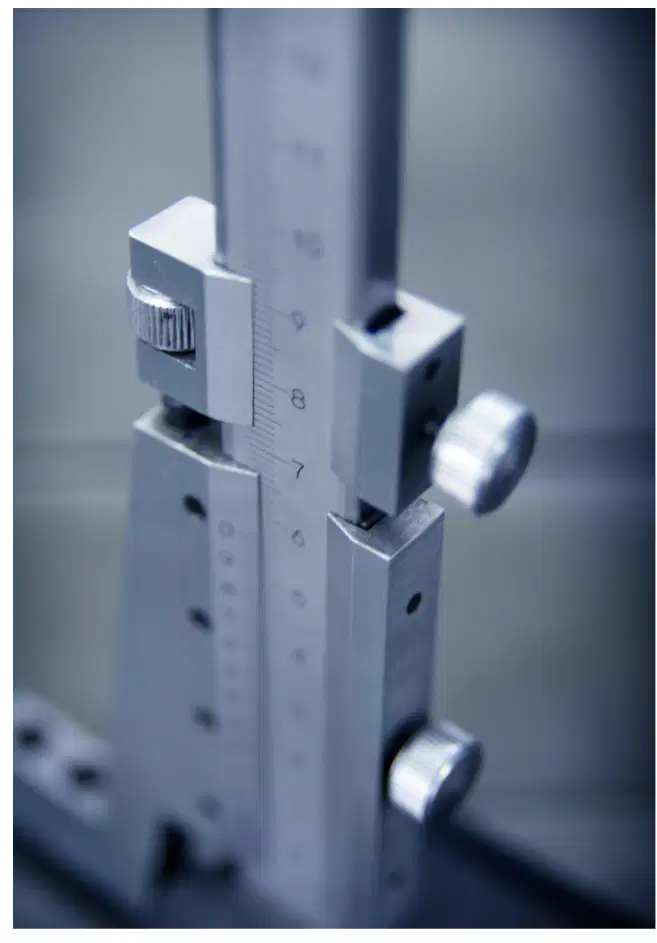
How does accurate measurement benefit engineering projects and manufacturing processes?
It reduces the need for skilled labor.
It prevents costly mistakes.
It speeds up production time.
It eliminates the need for inspections.
What is the role of inspection in ensuring standards compliance?
It reduces production costs.
It ensures products comply with industry and safety standards.
It increases the speed of manufacturing.
It eliminates the need for quality control.
Why is accurate inspection important for product quality?
It decreases customer satisfaction.
It shortens product lifespan.
It enhances product longevity and customer satisfaction.
It reduces the need for raw materials.

What is one of the main focuses of the practical skills development in the BTEC Level 3 course?
Hands-on experience with mechanical measurement and inspection techniques
Learning advanced computer programming
Developing artistic skills
Studying historical engineering practices
How does the BTEC Level 3 course support career preparation in engineering and manufacturing?
By providing theoretical knowledge only
By equipping essential competencies
By focusing on artistic skills
By offering language courses
What type of knowledge will students gain to complement practical skills in engineering measurements?
Basic arithmetic skills
Critical theoretical understanding
Advanced artistic techniques
Historical knowledge of engineering

What is the primary goal of developing practical skills in handling measurement tools?
To ensure precise component dimensions
To increase production speed
To reduce material costs
To enhance aesthetic appeal
Why are essential inspection methods applied in the context of component verification?
To verify components meet design specifications and quality standards
To improve the color of the components
To increase the weight of the components
To reduce the size of the components
What is one of the main purposes of industry standards in engineering projects?
To increase project costs
To ensure consistency and quality
To delay project timelines
To reduce the need for skilled labor
How does adherence to industry standards promote safety in engineering applications?
By reducing the number of workers needed
By ensuring faster project completion
By promoting safety for workers and end-users
By eliminating the need for inspections
Why is regulatory compliance important in engineering?
It helps meet legal and regulatory requirements
It allows for more flexible project designs
It reduces the need for documentation
It increases the complexity of projects
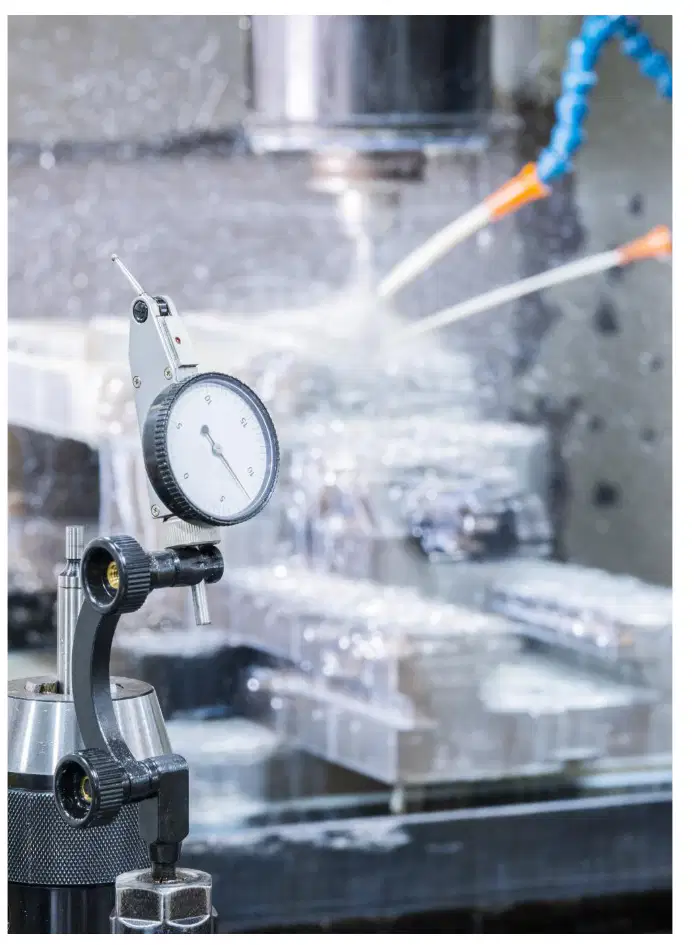
What is the benefit of employing advanced tools in production processes?
Increases production speed
Enhances measurement accuracy
Reduces labor costs
Improves marketing strategies
How do systematic quality control processes contribute to production?
By increasing production costs
By identifying and minimizing defects
By reducing employee training
By enhancing product design
What is a result of reducing defects in products?
Lower production costs
Higher product quality and customer satisfaction
Increased marketing expenses
Faster product development
Why is understanding units, tolerances, and calibration essential in mechanical engineering?
To increase production speed
To ensure accurate measurements
To reduce material costs
To enhance aesthetic design
What is the primary purpose of calibration in measurement tools?
To make tools more durable
To provide precise and reliable readings
To reduce tool size
To enhance tool appearance
What role do tolerances play in manufacturing?
They define the color of products
They set acceptable limits of variation in measurements
They determine the weight of materials
They specify the brand of tools used

What is the primary purpose of using micrometers and calipers in manufacturing?
To provide precise measurements for quality control
To enhance the speed of production
To reduce the cost of materials
To improve the aesthetic design of products
How do inspection gauges contribute to product conformity?
By verifying dimensions and tolerances
By increasing production speed
By reducing material costs
By enhancing product color
What is a key benefit of non-destructive testing equipment?
It detects flaws without damaging materials
It speeds up the manufacturing process
It reduces the need for skilled labor
It enhances the visual appeal of products
How do case studies demonstrate their effectiveness in manufacturing?
By providing theoretical knowledge
By solving manufacturing challenges effectively
By increasing production speed
By reducing labor costs
What is the primary purpose of inspection techniques in production processes?
To reduce production time
To ensure product quality and consistency
To increase workforce efficiency
To lower production costs
How do practical examples contribute to enhanced learning in technical manufacturing?
By providing abstract theories
By improving learner comprehension
By reducing training time
By increasing production output
What is evaluated in the theoretical knowledge assessment?
Hands-on competence in measurement tasks
Understanding of concepts and principles related to measurement and inspection
Ability to perform accurate inspection tasks
Skill in using measurement tools
What must be demonstrated in the practical skills assessment?
Theoretical understanding of measurement principles
Hands-on competence in performing accurate measurement and inspection tasks
Knowledge of inspection concepts
Ability to explain measurement theories
What skill is developed by applying precise measurement techniques?
Technical accuracy
Creative thinking
Artistic skills
Communication skills
Why is understanding industry standards important?
To ensure compliance and quality in processes
To increase production speed
To reduce employee training time
To enhance marketing strategies
What is the purpose of performing quality inspections?
To ensure products meet quality control requirements
To increase product variety
To enhance customer service
To reduce production costs
What is one benefit of consistently practicing practical skills?
It reduces the need for equipment.
It improves proficiency and builds confidence.
It eliminates the need for safety procedures.
It increases the complexity of tasks.
Why is understanding correct equipment operation important?
It allows for more frequent equipment upgrades.
It ensures efficiency and prevents damage or accidents.
It reduces the need for regular maintenance.
It increases the cost of operations.
How do safety and quality procedures contribute to a workspace?
They increase the number of accidents.
They maintain a safe workspace and produce reliable results.
They make the workspace more crowded.
They reduce the need for training.
What fundamental knowledge will this unit equip you with?
Advanced programming techniques
Mechanical measurement and inspection processes
Financial accounting principles
Biological sciences
What practical skills will you develop in this unit?
Skills in digital marketing
Skills in culinary arts
Skills in precise measurement and quality assurance in manufacturing
Skills in graphic design
What career preparation does the course offer?
Preparation for roles in digital marketing
Preparation for roles in quality assurance and inspection
Preparation for roles in healthcare management
Preparation for roles in financial analysis

